World Space Week 2026 runs from October 4 through October 10, carrying the United Nations-declared theme "Rocket Revolution" to space enthusiasts in roughly 100 countries. As the largest annual space event on Earth, the week celebrates the contributions of space science and technology to everyday life — and this year it zooms in on the reusable rockets, new launch vehicles, and commercial spaceflight programs that are making access to space faster, cheaper, and more widely available than ever before.
The celebration is open to everyone. Schools, museums, planetariums, aerospace companies, astronomy clubs, and families can all take part simply by hosting or attending any space-related activity during the seven-day window. From a classroom model-rocket launch to a backyard stargazing night, every event counts toward the global observance.
What Is World Space Week and Why Does It Fall on October 4–10?
World Space Week was proclaimed by the United Nations General Assembly in resolution 54/68, adopted on December 6, 1999. The resolution created a fixed annual period to celebrate "the contributions of space science and technology to the betterment of the human condition." The dates were chosen deliberately to bookend two defining moments in the history of spaceflight.
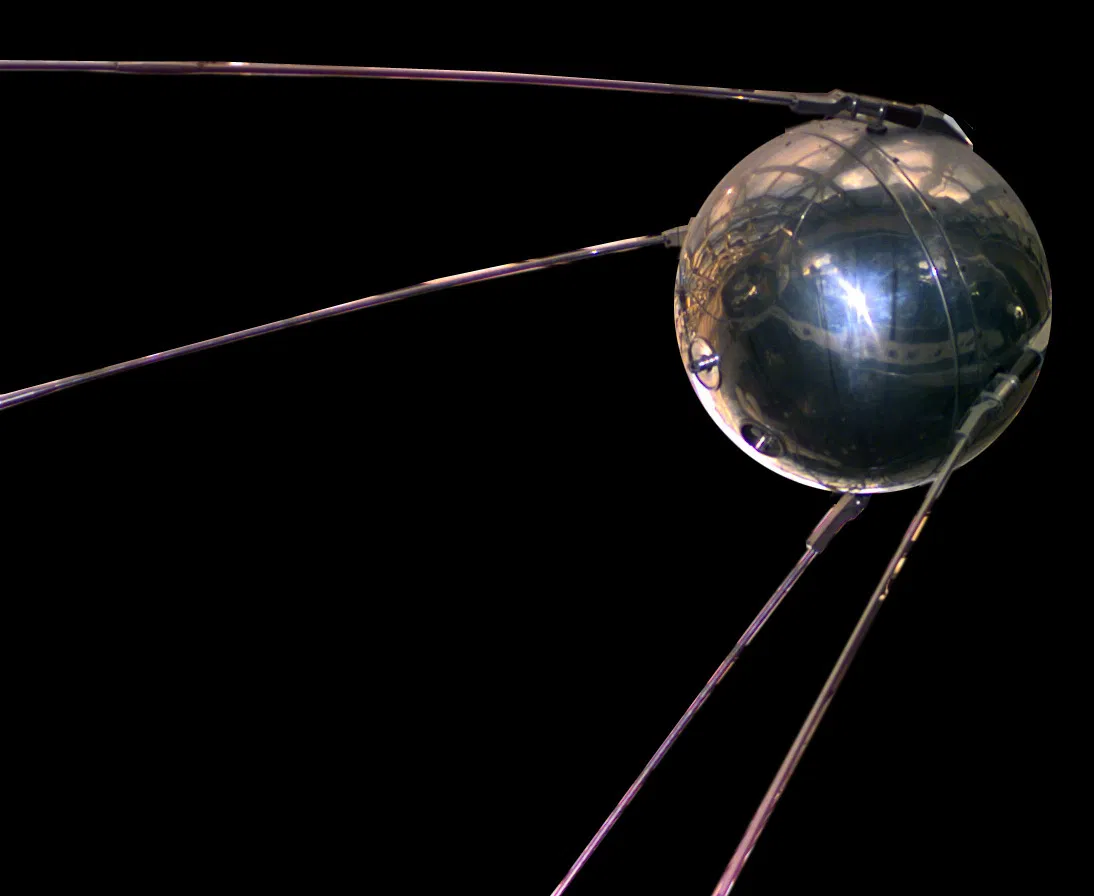
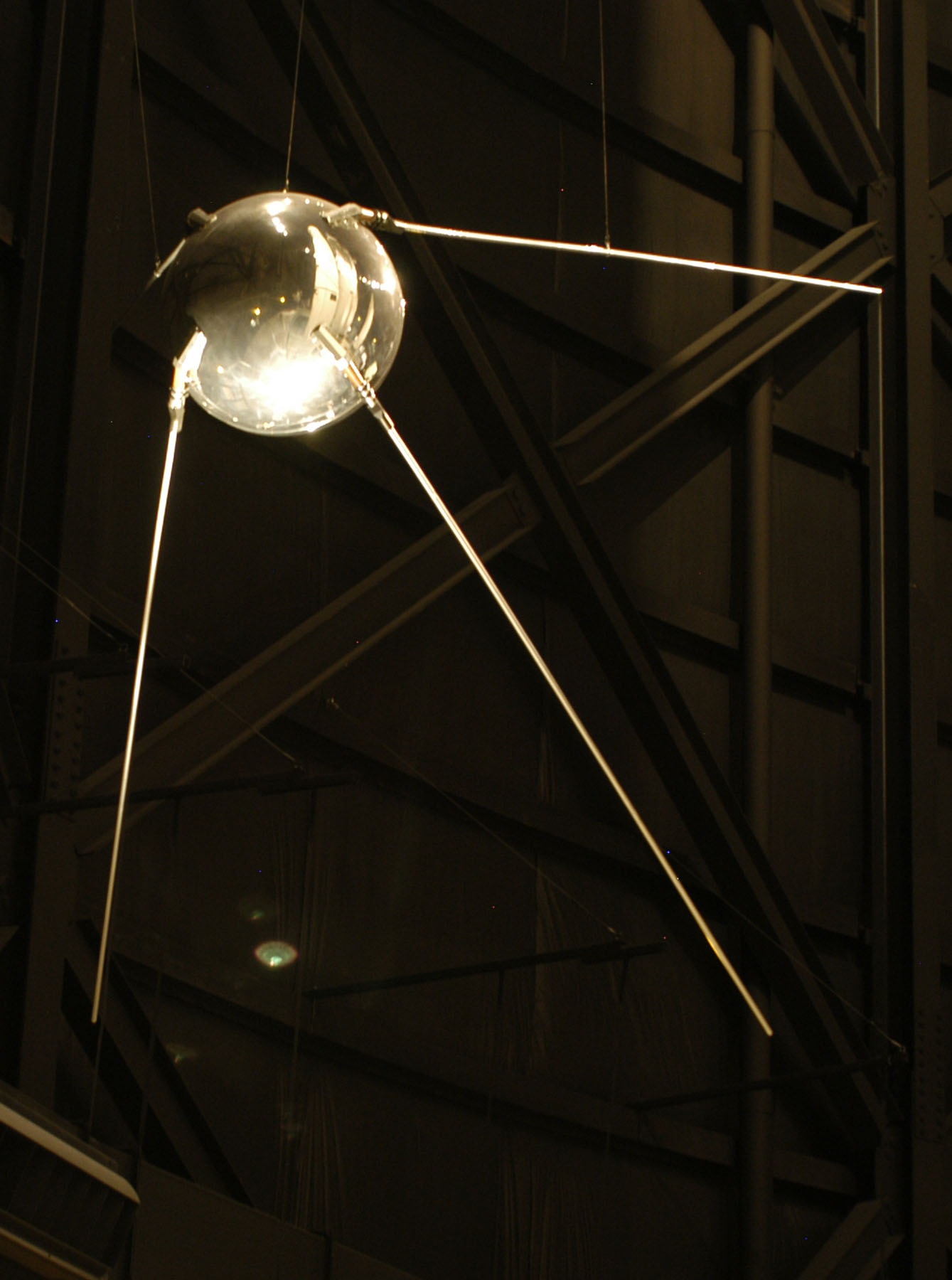
The first is October 4, 1957, when the Soviet Union launched Sputnik 1, the first human-made satellite to reach Earth orbit. Roughly the size of a beach ball — about 58 centimeters (23 inches) in diameter and weighing around 83.6 kilograms (184 pounds) — Sputnik 1 circled the planet while transmitting a simple radio signal, officially opening the Space Age and igniting the U.S.–Soviet space race. The second is October 10, 1967, when the Outer Space Treaty entered into force, establishing the international legal framework for the peaceful exploration and use of space, including the Moon and other celestial bodies.
The observance is coordinated by the non-profit World Space Week Association, which works alongside the United Nations Office for Outer Space Affairs. "This year's theme is the Rocket Revolution," said Dennis Stone, the association's president, describing how a surge in launch activity is opening space to more people, companies, and nations than ever before. John Elbon of United Launch Alliance serves as the honorary chair for 2026.
From Sputnik to Reusable Rockets: The Story Behind the Dates
World Space Week's timeline stretches from the dawn of the Space Age to the commercial launch era it celebrates this year. Here are the milestones that shape the observance:
October 4, 1957 — The Soviet Union launches Sputnik 1 from the Baikonur Cosmodrome, making it the first human-made object to orbit Earth.
October 10, 1967 — The Outer Space Treaty, formally the Treaty on Principles Governing the Activities of States in the Exploration and Use of Outer Space, enters into force.
December 6, 1999 — The UN General Assembly adopts resolution 54/68, proclaiming October 4–10 of each year as World Space Week.
October 4–10, 2026 — The observance unfolds under the "Rocket Revolution" theme, with events ranging from planetarium shows and museum exhibitions to model-rocket launches and astronaut talks.
The "Rocket Revolution" name reflects how far launch technology has come since Sputnik's single-use rocket. Today's launchers — led by reusable systems that return to Earth for another flight — are dramatically lowering the cost of reaching orbit and changing who can build, launch, and use satellites.
Why "Rocket Revolution" Is the 2026 Theme
The "Rocket Revolution" theme highlights the rapid transformation of space launch. For decades, reaching orbit depended on expensive, expendable rockets built and flown almost entirely by government space programs. That picture has changed quickly: reusable first stages, new commercial launch vehicles, and a growing roster of private launch providers have turned spaceflight into a fast-moving commercial industry.
The result is a surge in launch activity. World Space Week 2026 arrives amid a record-breaking cadence of rocket launches, with companies such as SpaceX flying reusable boosters on a near-weekly basis and a wave of new vehicles entering service. Organizers describe the theme as a recognition of how reusable rockets, new launch vehicles, and commercial spaceflight are transforming access to space — making it more affordable and opening it to universities, startups, and nations that once had no realistic path to orbit.
That accessibility is the heart of the message. When launches become cheaper and more frequent, more satellites can be deployed for communication, weather forecasting, Earth observation, and scientific research. World Space Week leaders frame the theme not only as a look back at rocket history, but as a look ahead at what lower-cost spaceflight makes possible for daily life on Earth — from faster internet in remote areas to better climate monitoring.
How to Participate in World Space Week 2026
World Space Week is designed to be as simple or as ambitious as participants want to make it. According to the World Space Week Association, any space-related activity held between October 4 and 10 counts — regardless of size, format, or location.
Common ways to take part include:
- Hosting a STEM lesson or classroom activity about rockets and space exploration
- Building and launching a model or DIY rocket
- Organizing a stargazing night or a space-themed movie marathon
- Visiting a planetarium, science museum, or space center
- Attending a talk, workshop, or community event about space
Larger events are underway around the world. NASA is joining Texas Instruments and international lunar experts for a webinar titled "One Moon, Many Missions," while the European Space Agency has partnered on Pokémon-themed exhibitions in science museums across Europe. In the United States, highlights include visits to NASA's Kennedy Space Center and hands-on programming at museums and planetariums. Even the mobile game Pokémon GO is marking the occasion with a special in-game World Space Week 2026 event running October 4–10.
Organizers encourage schools, companies, and community groups to register their activities on worldspaceweek.org, which also maintains a global map of events so anyone can find a celebration nearby.
What Comes Next for the Rocket Revolution
If the "Rocket Revolution" theme is any guide, the momentum behind cheaper, more frequent spaceflight is unlikely to slow. A growing fleet of reusable launch vehicles, coupled with new rockets from established and startup providers alike, points toward an era in which orbital access keeps expanding.
For educators and families, that means more opportunities to watch launches, more missions to follow, and more real-world examples to bring into classrooms. World Space Week's organizers expect the theme to resonate well beyond October, encouraging year-round learning about rocketry, engineering, and the science behind how things get to space.
Key Takeaways from World Space Week 2026
- World Space Week runs every year from October 4 to 10; the 2026 theme is "Rocket Revolution."
- The United Nations proclaimed the observance in 1999 to celebrate space science and technology.
- The dates honor the 1957 launch of Sputnik 1 and the 1967 entry into force of the Outer Space Treaty.
- The 2026 theme highlights reusable rockets, new launch vehicles, and commercial spaceflight.
- Anyone can join by hosting or attending any space-related activity, from model-rocket launches to planetarium shows.