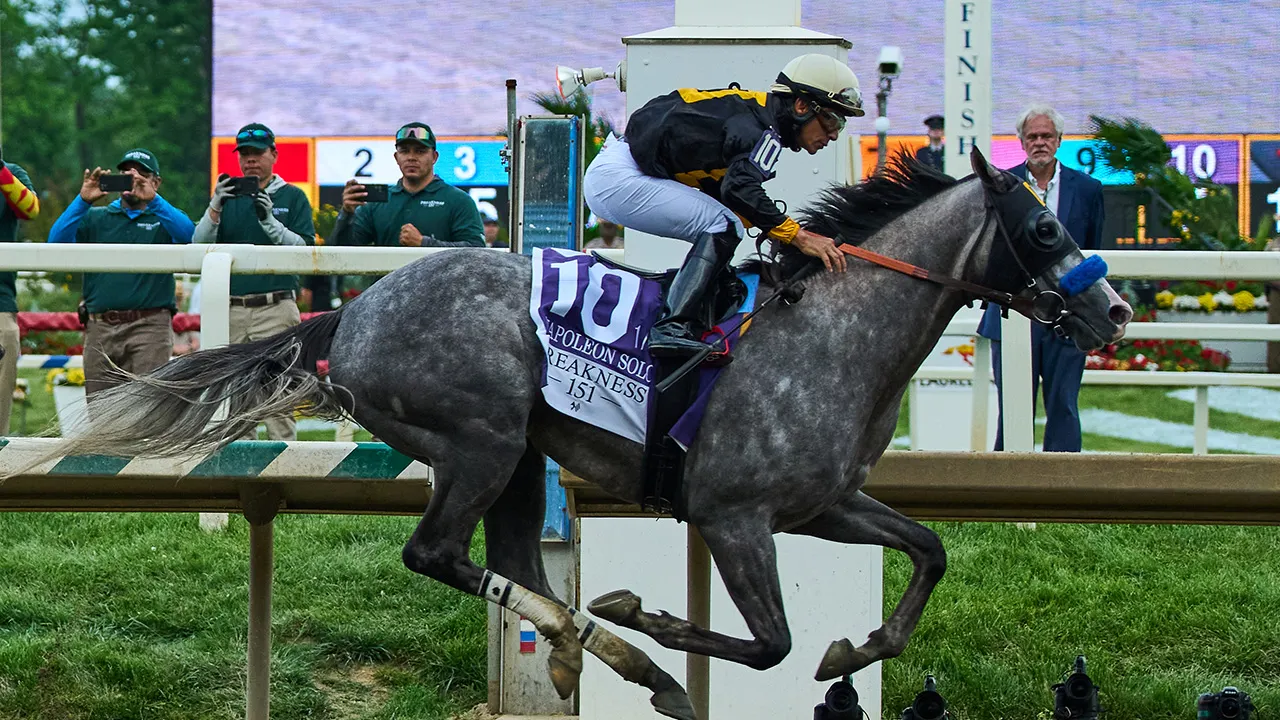
The Preakness Stakes is one of the most prestigious events in American horse racing, serving as the middle jewel of the sport's coveted Triple Crown. Run annually on the third Saturday of May, this Grade I thoroughbred race has been captivating audiences for more than 150 years. The 2026 edition — the 151st running — made history when it was held at Laurel Park in Maryland for the first time, marking a new chapter for an event steeped in tradition.
The Middle Jewel: How the Preakness Fits Into the Triple Crown
The Triple Crown of Thoroughbred Racing consists of three elite races for three-year-old horses run over a grueling five-week period. The Kentucky Derby kicks things off on the first Saturday in May at Churchill Downs in Louisville, Kentucky. Two weeks later comes the Preakness Stakes, traditionally held at Pimlico Race Course in Baltimore, Maryland. Three weeks after the Preakness, the Belmont Stakes in New York concludes the series.
The Preakness is run over a distance of 1 3/16 miles (9.5 furlongs, or about 1.9 kilometers) on a dirt track, making it the shortest of the three Triple Crown races. Colts and geldings carry 126 pounds, while fillies carry 121 pounds. Only 13 horses in history have accomplished the rare feat of winning all three races and claiming the Triple Crown, with the most recent being Justify in 2018.
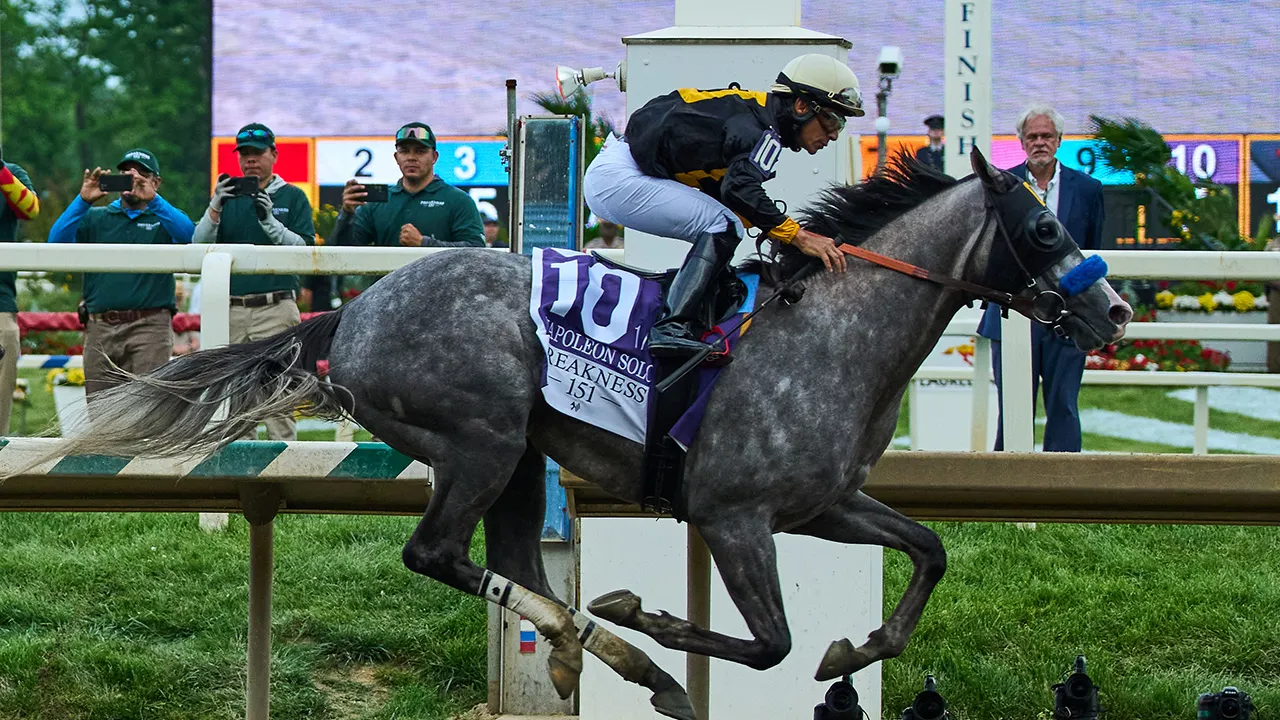
Timeline: How the Preakness Stakes Developed Over 151 Years
The history of the Preakness Stakes dates back to 1873, two years before the Kentucky Derby was first run. Maryland Governor Oden Bowie named the race after a colt named Preakness, who had won the inaugural Dinner Party Stakes at Pimlico in 1870. The first Preakness, held on May 27, 1873, featured seven starters, with a horse named Survivor winning by 10 lengths and collecting a purse of $2,050.
Over the decades, the race has been run at seven different distances, ranging from 1 mile to 1 1/2 miles, before settling on its current 1 3/16-mile distance in 1925. The race has also moved venues several times in its early history, including stints at Morris Park in New York (1890) and Gravesend Race Track on Coney Island (1894–1908), before returning permanently to Pimlico in 1909 — until 2026.
Key moments in Preakness history include Secretariat setting the speed record of 1:53 in 1973 (officially recognized in 2012 after years of dispute), Smarty Jones winning by an astounding 11 1/2 lengths in 2004, and the unprecedented postponement to October in 2020 due to the COVID-19 pandemic.
Why the 2026 Preakness Made History
The 151st running of the Preakness Stakes on May 16, 2026, was unlike any before it. For the first time, the race was not held at Pimlico Race Course, its home for nearly all of its existence. Instead, it took place roughly 20 miles south at Laurel Park in Laurel, Maryland, while Pimlico undergoes a $14.3 million renovation and redevelopment project approved by the Maryland legislature.
The race drew a full field of 14 horses. The morning-line favorite was Iron Honor at 9-2 odds, but it was Napoleon Solo who surged to victory. The 8-1 longshot, ridden by jockey Paco Lopez and trained by Chad Summers, made a powerful move on the outside around the final turn to take the lead and held off a late charge from Iron Honor to win by 1 1/4 lengths. Chip Honcho finished third.
Notably, the 2026 Kentucky Derby winner Golden Tempo did not run in the Preakness, with trainer Cherie DeVaux citing the horse's health and long-term well-being. This marked the second consecutive year and the sixth time in eight years that a Derby winner skipped the middle jewel, ending any hopes of a Triple Crown bid before the race even began.
Traditions That Make the Preakness Unique
The Preakness is known as "The Run for the Black-Eyed Susans," named after the Maryland state flower. After each winner is declared official, a blanket of yellow Viking poms (chrysanthemums painted to resemble black-eyed Susans, since the actual flowers bloom later in the summer) is draped around the winning horse's neck.
Another cherished tradition involves the weather vane atop a replica of the Old Clubhouse cupola in the infield. Immediately after the race, a painter climbs up and applies the colors of the winning owner's silks to the jockey and horse figures on the vane. This practice dates back to 1909.
The winning owner receives a half-size reproduction of the historic Woodlawn Vase, a trophy originally crafted in 1860. The original vase, valued at over $1 million, is kept at the Baltimore Museum of Art and is brought to the race each year under guard for the winner's ceremony.
Fashion also plays a major role, with spectators donning elaborate hats and fascinators, not unlike the Kentucky Derby. The official cocktail is the Black-eyed Susan, made with vodka, St-Germain liqueur, and pineapple, lime, and orange juices.
Where Things Stand Now: The Preakness in Transition
The 2026 Preakness Stakes took place amid significant change for the historic race. In April 2026, Churchill Downs Incorporated announced it had acquired the intellectual property rights to the Preakness Stakes and the Black-Eyed Susan Stakes from The Stronach Group for $85 million. The Maryland Jockey Club will retain operational control and media rights under a licensing agreement.
Meanwhile, the race's future on the calendar may also shift. Reports from the Sports Business Journal in April 2026 suggested the Preakness could move from the third to the fourth Saturday in May as part of ongoing media rights negotiations. While Maryland Jockey Club officials denied that a decision had been made, the possibility of a historic calendar change remains on the table as NBC Sports enters the final year of its broadcast agreement.
The Pimlico renovations are expected to be completed in time for the 2027 Preakness, after which the race is scheduled to return to its historic Baltimore home.
What Happens Next: The Road Ahead for the Preakness
With the 2026 race now in the books, attention turns to the Belmont Stakes on June 6, the final leg of the Triple Crown. Napoleon Solo is expected to be pointed toward that race, though no official decision has been announced. The 2027 Preakness Stakes is scheduled for May 15, 2027, with a planned return to a renovated Pimlico Race Course.
Industry observers are watching closely to see how Churchill Downs' ownership of the intellectual property rights may shape the Preakness in future years. The $85 million deal, combined with ongoing discussions about the race date and broadcast rights, suggests the Preakness Stakes may look different in the coming years — even as it preserves the traditions that have made it a cornerstone of American horse racing for more than 150 years.
Key Takeaways: Everything You Need to Know About the Preakness Stakes
- The Preakness Stakes is the second leg of the Triple Crown, run two weeks after the Kentucky Derby and three weeks before the Belmont Stakes
- First run in 1873, it is one of the oldest thoroughbred horse races in America
- The race distance is 1 3/16 miles on dirt, the shortest of the three Triple Crown races
- Notable records: Secretariat holds the speed record (1:53), Bob Baffert holds the most training wins (8), and Eddie Arcaro holds the most jockey wins (6)
- Only six fillies have ever won the Preakness, most recently Swiss Skydiver in 2020
- The 2026 race was the first ever held at Laurel Park due to Pimlico renovations
- Napoleon Solo won the 2026 edition at 8-1 odds, defeating Iron Honor and Chip Honcho
- The Preakness purse for 2026 was $2 million, with $1.2 million going to the winner