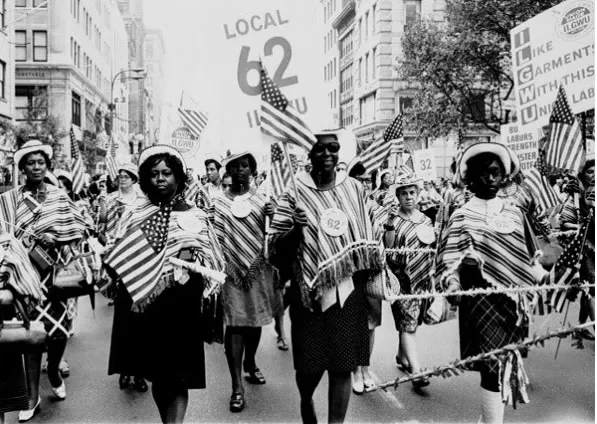
Labor Day is the annual federal holiday that celebrates the social and economic achievements of American workers, observed every year on the first Monday of September. Rooted in the late nineteenth century, the holiday grew out of a push by labor activists who wanted a national day to recognize the many contributions workers have made to America's strength, prosperity, and well-being. In 2026, Labor Day falls on Monday, September 7, when millions of Americans will mark the occasion with parades, cookouts, and family gatherings.
Although many people treat the long weekend as the unofficial end of summer, the story behind Labor Day runs much deeper than backyard barbecues and back-to-school sales. Understanding what Labor Day is — and why it exists — means looking back more than 140 years to the country's first organized celebration of working people.
The Origins of Labor Day: How a Workers' Holiday Was Born
Before Labor Day was a federal holiday, it was recognized first by labor activists and then by individual states. The movement gained real momentum after municipal ordinances were passed in 1885 and 1886, which sparked a broader campaign to secure state legislation. New York was the first state to introduce a bill for the holiday, but Oregon was the first to actually pass a law recognizing Labor Day, on February 21, 1887.
During 1887, four more states — Colorado, Massachusetts, New Jersey, and New York — passed laws creating a Labor Day holiday. By the end of the decade, Connecticut, Nebraska, and Pennsylvania had followed suit. The idea spread quickly across the country: by 1894, 23 more states had adopted the holiday, setting the stage for it to become a nationwide observance.
Timeline: How Labor Day Became a Federal Holiday
The road from a local observance to a national holiday unfolded over roughly a dozen years:
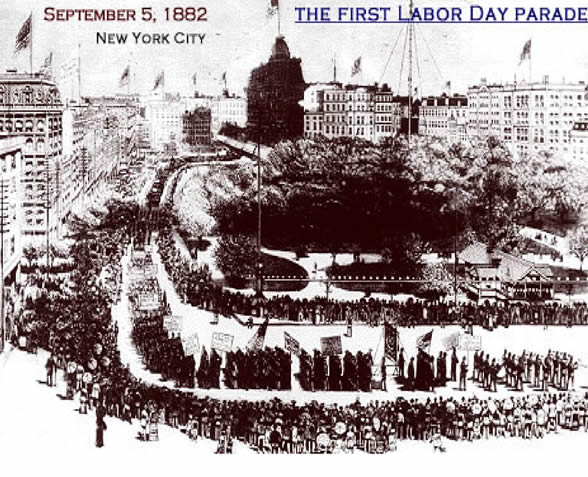
- 1882 — The first Labor Day celebration is held on Tuesday, September 5, in New York City, organized by the Central Labor Union.
- 1883 — The Central Labor Union holds its second Labor Day holiday on September 5.
- 1885–1886 — Municipal ordinances recognizing the holiday are passed in cities around the country.
- February 21, 1887 — Oregon becomes the first state to pass a law recognizing Labor Day.
- 1887–1893 — More than 20 states adopt the holiday, including Colorado, Massachusetts, New Jersey, New York, Connecticut, Nebraska, and Pennsylvania.
- June 28, 1894 — Congress passes an act making the first Monday in September a legal holiday, and President Grover Cleveland signs it into law.
Who Founded Labor Day? The McGuire vs. Maguire Debate
Who first proposed a holiday for workers? The answer is not entirely clear — but two men can each make a strong claim to the title of founder.
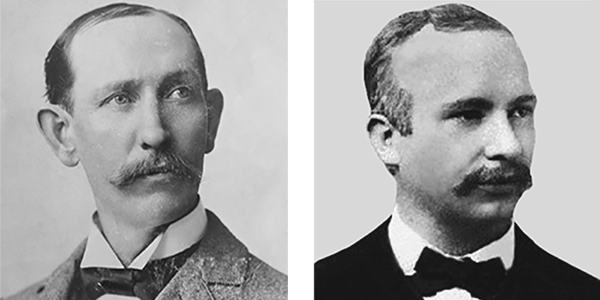
Some records show that in 1882, Peter J. McGuire, general secretary of the Brotherhood of Carpenters and Joiners and a co-founder of the American Federation of Labor, suggested setting aside a day for a "general holiday for the laboring classes" to honor those "who from rude nature have delved and carved all the grandeur we behold."
But McGuire's place in Labor Day history has not gone unchallenged. Many believe that machinist Matthew Maguire — not Peter McGuire — founded the holiday. Recent research appears to support the idea that Matthew Maguire, later the secretary of Local 344 of the International Association of Machinists in Paterson, New Jersey, proposed the holiday in 1882 while serving as secretary of the Central Labor Union in New York.
According to the New Jersey Historical Society, after President Cleveland signed the law creating a national Labor Day, the Paterson Morning Call published an opinion piece stating that "the souvenir pen should go to Alderman Matthew Maguire of this city, who is the undisputed author of Labor Day as a holiday." Both Maguire and McGuire attended the country's first Labor Day parade in New York City that year.
Why Labor Day Matters: The Meaning Behind the Holiday
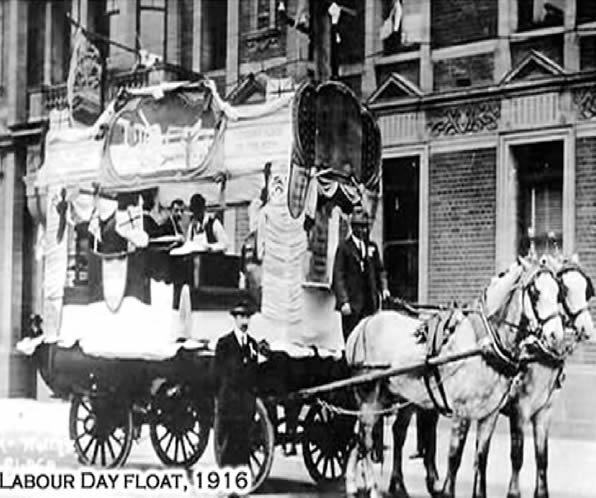
From the very beginning, Labor Day was designed to be a celebration — not just a day off. The first proposal for the holiday suggested that it be observed with a street parade to exhibit "the strength and esprit de corps of the trade and labor organizations" of the community, followed by a festival for the recreation and amusement of workers and their families. That pattern became the model for Labor Day celebrations across the country.
Over time, speeches by prominent men and women were added to the festivities, as more emphasis was placed on the economic and civic significance of the holiday. Later, by a resolution of the American Federation of Labor convention of 1909, the Sunday preceding Labor Day was adopted as Labor Sunday, dedicated to the spiritual and educational aspects of the labor movement.
The holiday's core message has remained unchanged for more than a century: American labor has raised the nation's standard of living and contributed to the greatest production the world has ever known. Labor Day is the nation's annual tribute to "the creator of so much of the nation's strength, freedom, and leadership — the American worker."
How Americans Celebrate Labor Day Today
Today, Labor Day is a federal holiday, which means most government offices, schools, and many businesses close for the day. For many Americans, it marks the unofficial end of summer and the start of a new school year, celebrated with backyard barbecues, parades, and weekend travel.
Yet the holiday still holds onto its roots. Labor unions and communities across the country continue to hold parades and gatherings, carrying on a tradition that stretches back to that first march through the streets of New York City in 1882.
The Bottom Line: Key Points to Remember About Labor Day
- Labor Day is observed on the first Monday in September each year.
- It celebrates the social and economic achievements of American workers.
- The first Labor Day was held on Tuesday, September 5, 1882, in New York City.
- Oregon was the first state to make it a law, on February 21, 1887.
- President Grover Cleveland signed it into law as a federal holiday on June 28, 1894.
- Both Peter J. McGuire and Matthew Maguire are credited with founding the holiday.