When the National Weather Service issues a winter storm warning, it's time to take immediate action. These alerts signal that hazardous winter weather is either already happening or will begin shortly, posing serious threats to life and property. With North Carolina currently under expanded winter storm warnings expecting up to 10 inches of snow and dangerous winds, understanding what these warnings mean could be the difference between safety and danger.
How Winter Storms Form: The Science Behind the Snow
Winter storms don't just appear out of nowhere—they require specific atmospheric conditions to develop. According to meteorologists, three essential ingredients must come together: cold air, moisture, and lift. Cold air typically originates from Canada and moves southward, while moisture often comes from the Gulf of Mexico or large bodies of water. When these air masses collide, the warmer, moist air is forced to rise over the colder air, creating what's known as lift.
This lifting action causes the moisture to cool and condense, forming clouds and precipitation. Whether that precipitation falls as snow, sleet, or freezing rain depends on temperature profiles throughout the atmosphere. Snow forms when temperatures remain below freezing from cloud to ground, while freezing rain occurs when snow melts in a warm layer then refreezes upon hitting cold surfaces. The complex interplay of these factors determines not only the type of winter precipitation but also its intensity and duration.
Understanding Winter Weather Alerts: Watch vs. Warning vs. Advisory
The National Weather Service uses a tiered system to communicate winter weather threats, and knowing the differences can help you respond appropriately. A Winter Storm Watch is issued when conditions are favorable for hazardous winter weather within 48 hours. This is your early heads-up to start preparing, as the exact timing, location, or intensity may still be uncertain.
A Winter Storm Warning means hazardous winter weather is occurring, imminent, or highly likely. According to the National Weather Service, this typically requires at least 6 inches of snow in 12 hours or 8 inches in 24 hours, though criteria vary by region. In the Northern Plains, for example, thresholds might be higher, while southern states may issue warnings for smaller accumulations due to less winter preparedness infrastructure.
A Winter Weather Advisory indicates less severe conditions that may cause significant inconveniences and could be hazardous if caution isn't exercised. This might include light snow accumulations, patchy freezing drizzle, or blowing snow that reduces visibility but doesn't reach warning criteria.
Current Situation: North Carolina's Major Winter Storm Event
Right now, North Carolina is experiencing what forecasters are calling a "historic" winter storm. The National Weather Service has expanded winter storm warnings to cover the entire state, with predictions of 4-10 inches of snow across different regions. The Outer Banks face particularly dire conditions, with forecasts calling for 55 mph winds gusting to 70 mph and potential coastal flooding—conditions reminiscent of a rare blizzard.
Charlotte and surrounding areas are forecast to receive 4-6 inches of snowfall, while western North Carolina is under an ice storm warning through Monday. Local reports from Kannapolis and Lexington already show up to 16 inches of snow in some areas, marking some of the highest totals in recent memory. Emergency officials warn that this combination of heavy snow, ice, and strong winds could lead to widespread power outages, dangerous travel conditions, and potential tree damage from freezing rain accumulation.
Essential Winter Storm Safety Tips and Preparations
Preparation is your best defense against winter storms. Before a storm strikes, the Red Cross recommends creating an emergency kit that includes:
- Flashlights and extra batteries (avoid candles due to fire risk)
- Battery-powered weather radio to receive updates if power fails
- At least three days' supply of non-perishable food and water
- Extra warm clothing, blankets, and sleeping bags
- First aid kit with necessary medications
- Rock salt or sand for traction on icy walkways
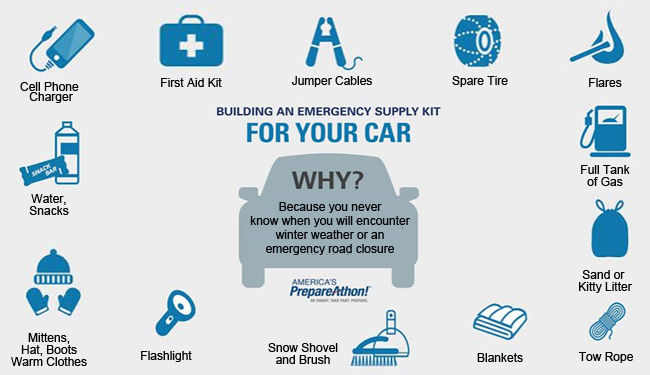
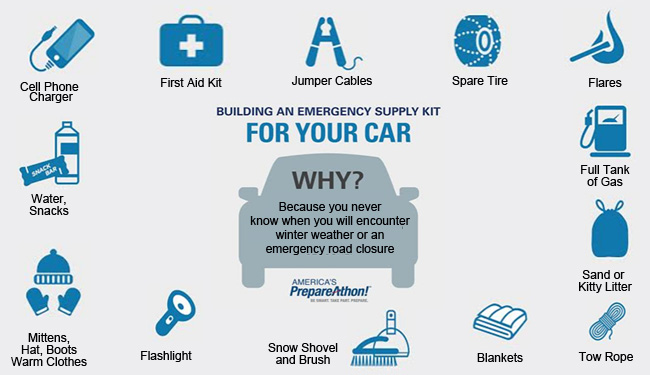
At home, insulate pipes to prevent freezing, caulk and weather-strip doors and windows to keep cold air out, and learn how to shut off water valves in case pipes burst. If you must travel, keep an emergency kit in your vehicle including blankets, food, water, a flashlight, and a fully charged phone. Most importantly, heed official warnings and avoid unnecessary travel during the storm's peak intensity.
What to Do During a Winter Storm Warning
When a winter storm warning is in effect, stay indoors if possible. If you must go outside, dress in layers and cover exposed skin to prevent frostbite. Watch for signs of hypothermia, which include confusion, slurred speech, and drowsiness. Keep dry, as wet clothing loses insulating properties rapidly. Indoors, use generators outside only and away from windows to prevent carbon monoxide poisoning. Maintain ventilation if using alternative heating sources like fireplaces or space heaters.
Monitor official weather sources for updates, as conditions can change rapidly. Check on vulnerable neighbors, especially elderly residents or those with medical conditions. If power goes out, use flashlights rather than candles, and keep refrigerator and freezer doors closed to maintain cold temperatures for as long as possible.
The Bottom Line: Staying Safe Through Winter Weather
Winter storm warnings are serious alerts that demand immediate attention and preparation. By understanding how these storms develop, recognizing the different types of weather alerts, and following proven safety guidelines, you can protect yourself and your family during even the most severe winter events. Remember that conditions can deteriorate quickly, so stay informed through reliable sources like the National Weather Service, and never underestimate the power of winter weather.
As North Carolina's current situation demonstrates, winter storms can bring significant disruptions and dangers. Whether you're facing heavy snow, ice accumulation, or blizzard conditions, proper preparation and timely response can make all the difference in weathering the storm safely.