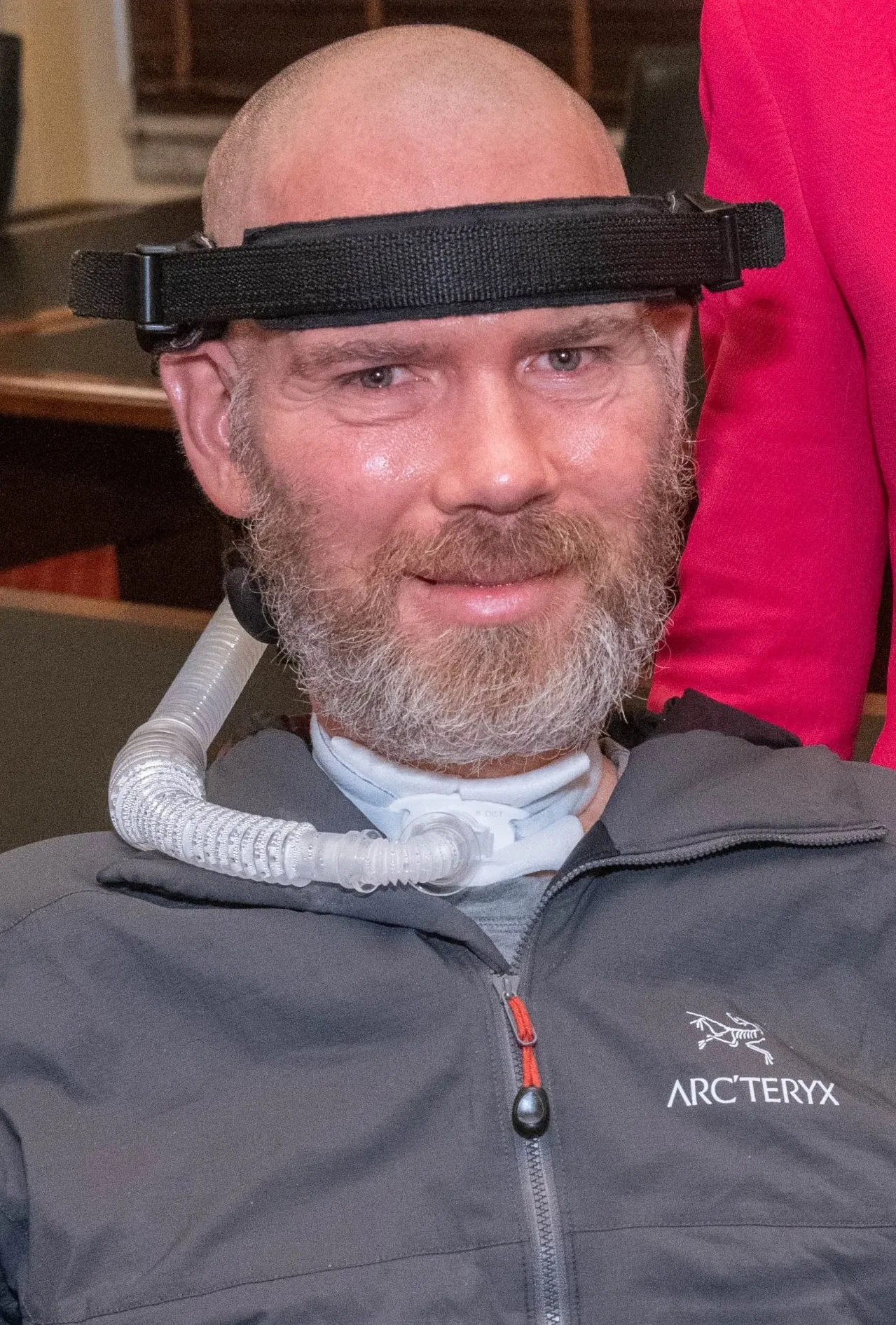
Former New Orleans Saints safety Steve Gleason was diagnosed with ALS (amyotrophic lateral sclerosis) in January 2011, at age 34 — and more than 15 years later, he is still defying a disease that most people survive for only two to five years. The diagnosis arrived five years after Gleason delivered one of the most famous plays in NFL history: a blocked punt in the Saints' first game back in the Superdome after Hurricane Katrina. Gleason is back in the news in 2026 after reflecting on his journey in an interview with Robin Roberts, tied to the 20th anniversary of that play. His story is both a sports legend and a clear window into what ALS is, how it begins, and how one person turned a terminal diagnosis into a national movement.
From the "Rebirth" Block to an ALS Diagnosis
On September 25, 2006, the Saints played their first home game in the Superdome in nearly a year. Hurricane Katrina had flooded New Orleans, and the stadium itself had sheltered thousands of storm evacuees. Early in that game against the Atlanta Falcons, Gleason — a special teams standout — burst through the line and blocked a punt by Falcons punter Michael Koenen. The ball was recovered for a Saints touchdown. For a city still rebuilding, the play became a symbol of resilience, later immortalized in a nine-foot bronze "Rebirth" statue outside the Superdome that was unveiled in 2012.
About five years after that moment, Gleason's life shifted again. In late 2010, he began noticing an odd twitching in the muscles of his upper arm and chest, followed by weakness in his arms. In January 2011, at 34, doctors gave him the diagnosis: ALS, also known as Lou Gehrig's disease.
What Is ALS? Understanding Lou Gehrig's Disease
Amyotrophic lateral sclerosis (ALS) is a progressive neurodegenerative disease that attacks motor neurons — the nerve cells in the brain and spinal cord that control voluntary muscle movement. As these neurons die, the brain can no longer send messages to the muscles. The muscles weaken, twitch, and waste away, and people gradually lose the ability to walk, speak, chew, swallow, and eventually breathe. The name itself describes the damage: "amyotrophic" means the muscles aren't nourished, "lateral" refers to the areas of the spinal cord affected, and "sclerosis" refers to the scarring left behind.
What ALS usually does not affect is just as important. For most people, the senses — sight, hearing, taste, smell, and touch — remain intact, and thinking and memory are typically spared. Eye movement is often one of the last functions to be lost, which is why eye-tracking technology has become a lifeline for communication.
There is no cure for ALS, but medications such as riluzole and edaravone can modestly slow progression, and a multidisciplinary team — including breathing support, feeding tubes, and physical, occupational, and speech therapy — helps manage symptoms and quality of life. About 90% of cases are "sporadic" with no clear family history, while roughly 10% are familial, linked to inherited gene changes such as the C9orf72 mutation. Most people are diagnosed between ages 40 and 70, with the peak in the 50s and 60s; Gleason's diagnosis at 34 was younger than typical.
The Warning Signs: How ALS Usually Begins
ALS typically starts quietly. The most common early signs include muscle twitching (called fasciculations), cramps, weakness in a hand, arm, or leg, stumbling, foot drop, slurred or slowed speech, and trouble swallowing. These changes begin gradually and worsen over time. About two-thirds of cases start in the limbs — what doctors call limb-onset ALS — while roughly 20% to 25% begin in the muscles that control speech and swallowing, known as bulbar-onset ALS.
There is no single test for ALS. Diagnosis involves a neurological exam, electromyography (EMG), nerve conduction studies, and imaging such as MRI, along with blood and urine tests to rule out other conditions that mimic ALS. That is one reason diagnosis can take many months — studies note a common diagnostic delay of roughly 10 to 16 months from first symptoms.
Timeline: Steve Gleason's 15-Year Journey With ALS
- September 2006: Blocks a punt against the Falcons in the Superdome's post-Katrina reopening, a play later memorialized by the "Rebirth" statue.
- January 2011: Diagnosed with ALS at age 34.
- 2011: Founds Team Gleason with his wife, Michel, to help people with ALS live purposeful lives; their son, Rivers, is born.
- July 2012: The "Rebirth" statue is unveiled outside the Superdome.
- 2015: The Steve Gleason Act becomes law, changing Medicare policy on speech-generating devices and eye-tracking accessories.
- 2016: The documentary "Gleason" is released, built from the video diary he made for his son.
- 2019: Awarded the Congressional Gold Medal, becoming the first NFL player to receive it.
- 2024: Receives the Arthur Ashe Courage Award, publishes the memoir "A Life Impossible," and overcomes a September medical scare that kept him hospitalized for six nights.
- 2026: Marks the 20th anniversary of the blocked punt, returning to the Superdome for the "Domecoming" and sharing his story with Robin Roberts.
How Gleason Lives With ALS: Eye-Tracking Tech and Team Gleason
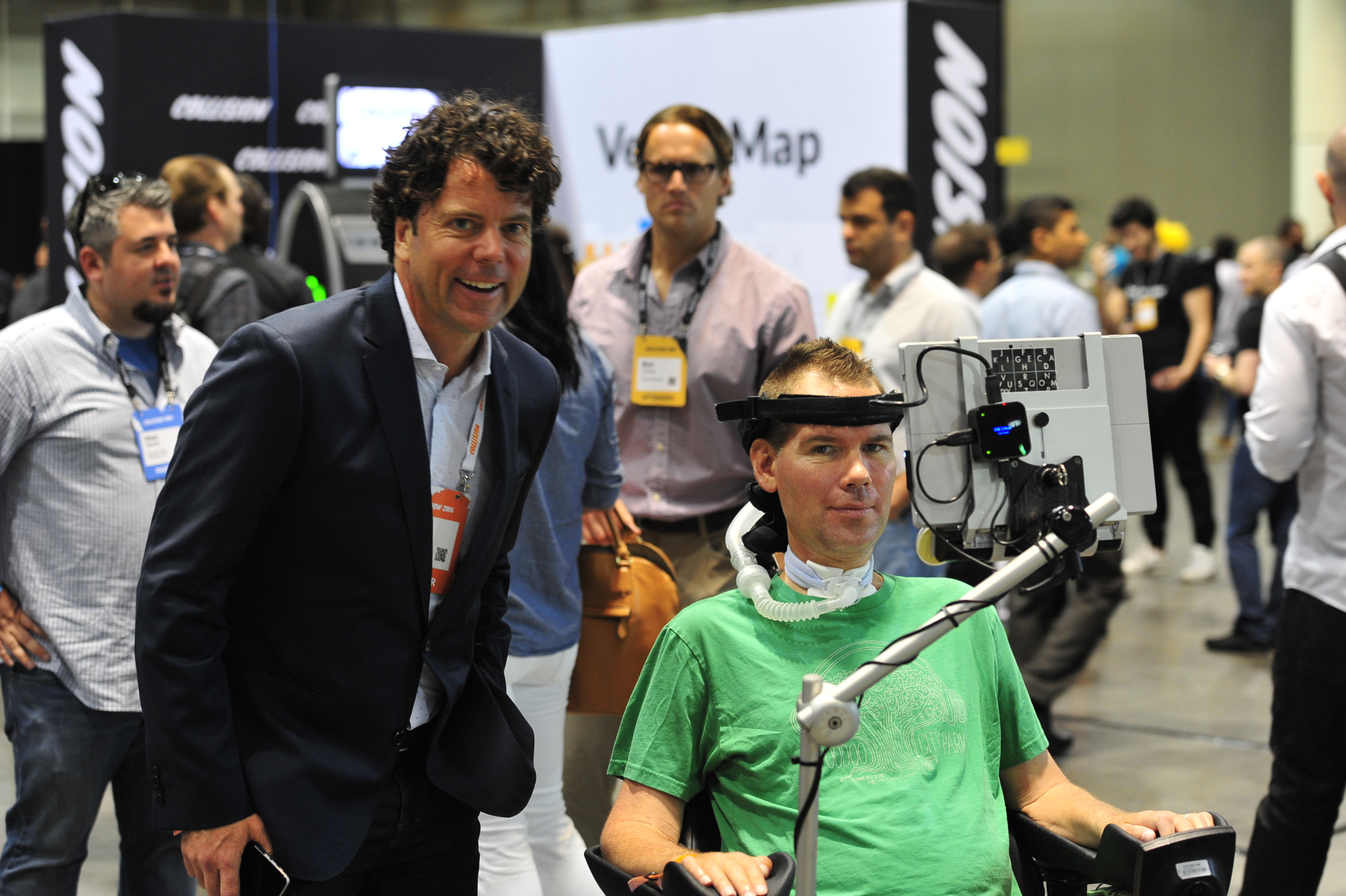
Because ALS robs people of the ability to move and speak, communication technology has been at the center of Gleason's life. Today he "types with his eyes," using eye-tracking software and a speech-generating device, and when he's away from that device he uses a low-tech eye-gaze letter board. This reliance on technology is why advocacy became his second career. Team Gleason, which he co-founded with Michel, works to help people living with ALS maintain independence, mobility, and a voice — funding assistive technology, care, and life experiences under the motto "No White Flags."
The Steve Gleason Act of 2015 was a direct result of that advocacy. Before the law, Medicare classified speech-generating devices as rented equipment, meaning patients could lose access to devices that held their communication. The act changed Medicare coverage so that eye-tracking and gaze-interaction accessories for speech-generating devices are covered and purchased rather than rented — a change later made permanent through the Gleason Enduring Voices Act.
Where Steve Gleason Is Now
As of 2026, Gleason has lived with ALS for 15 years — a remarkable stretch given that the average survival is two to five years, and only about 10% of people live a decade or more. In September 2024, he spent six nights in the hospital following a medical scare before returning home, and he has continued to advocate, appear with his family, and mark milestones. In 2024 he received the Arthur Ashe Courage Award and published his memoir "A Life Impossible." Now, at the 20th anniversary of his famous blocked punt, he remains one of the most visible faces of ALS awareness — proof, as his motto suggests, that a purposeful life can continue even after a devastating diagnosis.
The Bottom Line: Key Takeaways
- Steve Gleason is a former New Orleans Saints safety who was diagnosed with ALS (Lou Gehrig's disease) in January 2011 at age 34.
- ALS is a progressive disease that destroys the motor neurons controlling voluntary movement, usually causing death within two to five years.
- Early signs include muscle twitching, cramps, weakness, slurred speech, and trouble swallowing; there is no single diagnostic test.
- Gleason has lived with ALS for more than 15 years, far exceeding the typical prognosis, and communicates using eye-tracking technology.
- Through Team Gleason and the Steve Gleason Act, he has helped change policy and expand access to life-changing communication technology for others.