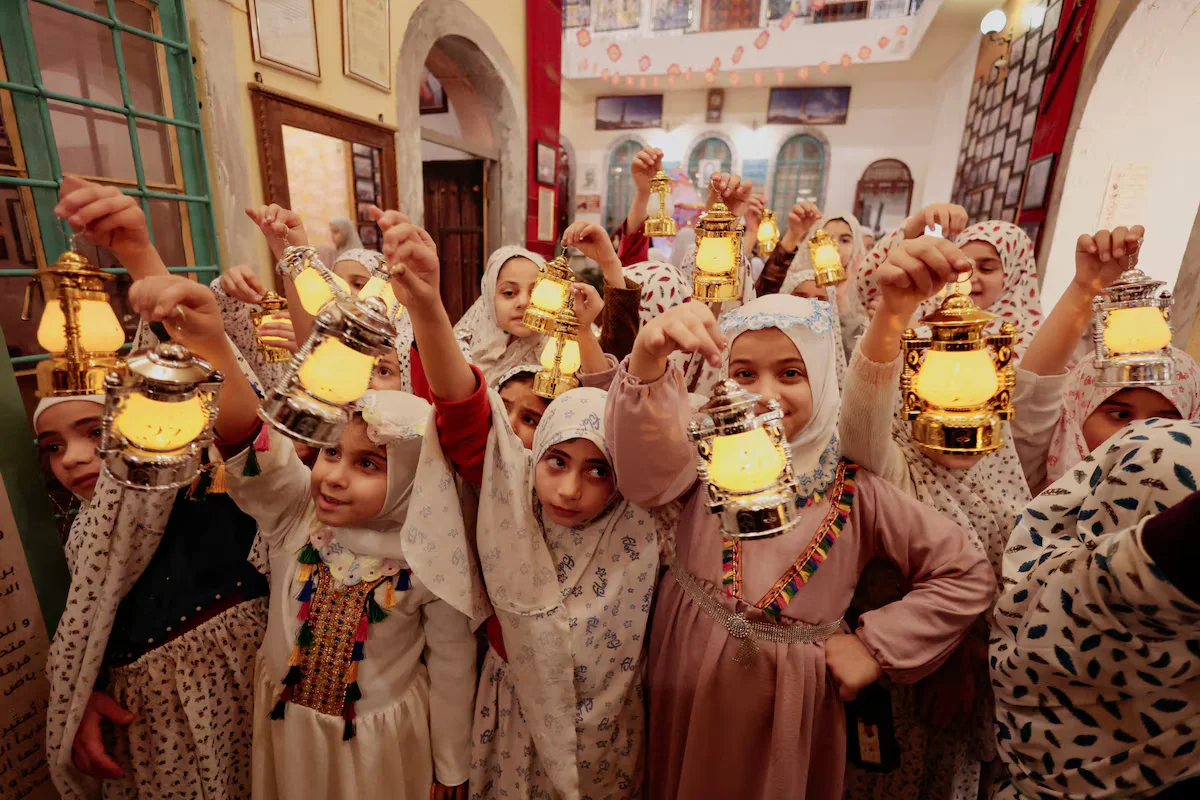
As the Islamic holy month of Ramadan approaches, millions of Muslims worldwide exchange the traditional greeting "Ramadan Mubarak," but what does this phrase actually mean, and how should it be used? With Ramadan 2026 expected to begin in mid-February, understanding this important cultural and religious greeting helps bridge cultural divides and shows respect for Islamic traditions during this sacred time.
Breaking Down Ramadan Mubarak: The Meaning Behind the Greeting
The phrase "Ramadan Mubarak" translates directly from Arabic to "Blessed Ramadan." According to language experts and Islamic scholars, "Mubarak" means blessed, fortunate, or happy, while "Ramadan" refers to the ninth month of the Islamic lunar calendar. When combined, the greeting expresses a wish for the recipient to experience a month filled with spiritual blessings, mercy, forgiveness, and personal growth.
Dubai-based language expert Khaled Boudemagh explains that "Ramadan Mubarak" is the more formal of the two main Ramadan greetings, carrying deeper religious significance compared to "Ramadan Kareem" (Generous Ramadan). "It is a deeply religious greeting, wishing the recipient a month filled with blessings, mercy, forgiveness, and spiritual growth," notes Gulf News in their analysis of Ramadan etiquette.
When Is Ramadan 2026? Key Dates and the Lunar Calendar
Ramadan 2026 is expected to begin on the evening of Tuesday, February 17, 2026, with the first full day of fasting on Wednesday, February 18, 2026, according to Islamic Relief and other religious organizations. The exact start date depends on the sighting of the crescent moon, which marks the beginning of the Islamic lunar month. Ramadan typically lasts 29 or 30 days, ending around March 18-21, 2026, followed immediately by the celebration of Eid al-Fitr.
The Islamic calendar follows lunar cycles, meaning Ramadan occurs approximately 10-12 days earlier each Gregorian calendar year. This shifting schedule affects fasting hours around the world—in 2026, those observing Ramadan in northern latitudes will experience shorter fasting hours compared to previous years when Ramadan fell in summer months. Al Jazeera reports that fasting durations in 2026 will range from approximately 11.5 hours in southern regions to 15.5 hours in northern areas.
How Ramadan Works: The Fundamentals of Islamic Fasting
Fasting during Ramadan, known as Sawm, represents one of the Five Pillars of Islam—the fundamental religious duties for Muslims. From dawn (Fajr) to sunset (Maghrib), observers abstain from all food, drink, smoking, and sexual relations. The pre-dawn meal is called Suhoor, while the meal to break the fast at sunset is known as Iftar, traditionally beginning with dates and water following the Prophet Muhammad's example.
"The purpose of Ramadan is to draw closer to Allah, increase piety, seek forgiveness, and grow spiritually while appreciating blessings and practicing self-discipline," explains Muslim Aid in their guide to Ramadan observance. Beyond physical abstinence, Ramadan emphasizes spiritual purification through increased prayer (including special Tarawih prayers), Quran recitation, charity (Zakat and Sadaqah), and self-reflection.

Ramadan Mubarak vs. Ramadan Kareem: Which Greeting Should You Use?
While "Ramadan Mubarak" remains the most common and widely accepted greeting, "Ramadan Kareem" (Generous Ramadan) serves as an alternative with slightly different connotations. According to cultural experts, "Ramadan Mubarak" focuses on the blessings and sacredness of the month, while "Ramadan Kareem" emphasizes the generosity, kindness, and giving spirit that characterizes Ramadan observance.
Traditional Emirati greetings often extend further with "Mubarak Alaikum Al Shahar," meaning "may this month be a blessed one for you." However, as Khadija Ahmed Behzad, founder of the Meet the Locals group, emphasizes: "In a country as diverse as the UAE, good intentions matter more than getting the exact phrasing right. We accept good wishes in all forms. The important thing is to be kind, courteous and good-mannered."
The Spiritual Significance: Why Ramadan Matters in Islam
Ramadan commemorates the month when the Quran was first revealed to the Prophet Muhammad, making it particularly sacred in Islamic tradition. Beyond fasting, the month serves as an intensive period for spiritual development, community bonding, and increased devotion. Muslims believe that good deeds are multiplied during Ramadan, and the Night of Power (Laylat al-Qadr)—usually occurring in the last ten nights—holds special significance as better than a thousand months of worship.
Islamic scholars note that Ramadan fasting serves multiple purposes: developing God-consciousness (Taqwa), cultivating self-discipline, fostering empathy for the less fortunate, and purifying both body and soul. The physical experience of hunger and thirst reminds observers of those who face food insecurity regularly, encouraging increased charitable giving during the month.
Modern Ramadan Observance: How Communities Celebrate Today
Contemporary Ramadan observance blends ancient traditions with modern adaptations. While the religious requirements remain unchanged, communities worldwide have developed unique cultural expressions of the holy month. From elaborate mosque decorations and Ramadan tents offering free Iftar meals to social media campaigns promoting interfaith understanding and virtual Quran study groups, Ramadan continues to evolve while maintaining its spiritual core.
In 2026, many Muslim communities will incorporate lessons learned from recent global challenges, emphasizing both physical and spiritual health during fasting. Medical professionals typically provide guidance for those with health conditions, while religious scholars offer advice on maintaining the spirit of fasting when physical exemption applies.
Looking Ahead: From Ramadan to Eid al-Fitr
Ramadan culminates in Eid al-Fitr, the "Festival of Breaking the Fast," marked by special prayers, festive meals, new clothing, and gift-giving. The greeting shifts to "Eid Mubarak" (Blessed Eid) accompanied by "Kul sana' wa antoum bikhayr" (May every year find you in good health). This celebration not only concludes the month of fasting but reinforces the spiritual lessons and community bonds developed during Ramadan.
As Ramadan 2026 approaches, understanding the meaning of "Ramadan Mubarak" and the significance of the holy month fosters greater intercultural respect and appreciation. Whether you're Muslim or non-Muslim, extending this traditional greeting shows recognition of one of Islam's most important observances and the spiritual journey it represents for millions worldwide.
Key Takeaways: What to Remember About Ramadan Mubarak
- Ramadan Mubarak means "Blessed Ramadan" and is the traditional Islamic greeting for the holy month
- Ramadan 2026 begins around February 17-18, 2026 and lasts 29-30 days, ending with Eid al-Fitr
- Fasting involves abstaining from food, drink, and sexual relations from dawn to sunset as one of Islam's Five Pillars
- The greeting reflects wishes for spiritual growth, mercy, and blessings during this sacred time
- Both "Ramadan Mubarak" and "Ramadan Kareem" are acceptable, with the former being more formal and religious
- Ramadan emphasizes prayer, charity, Quran recitation, and self-reflection alongside physical fasting