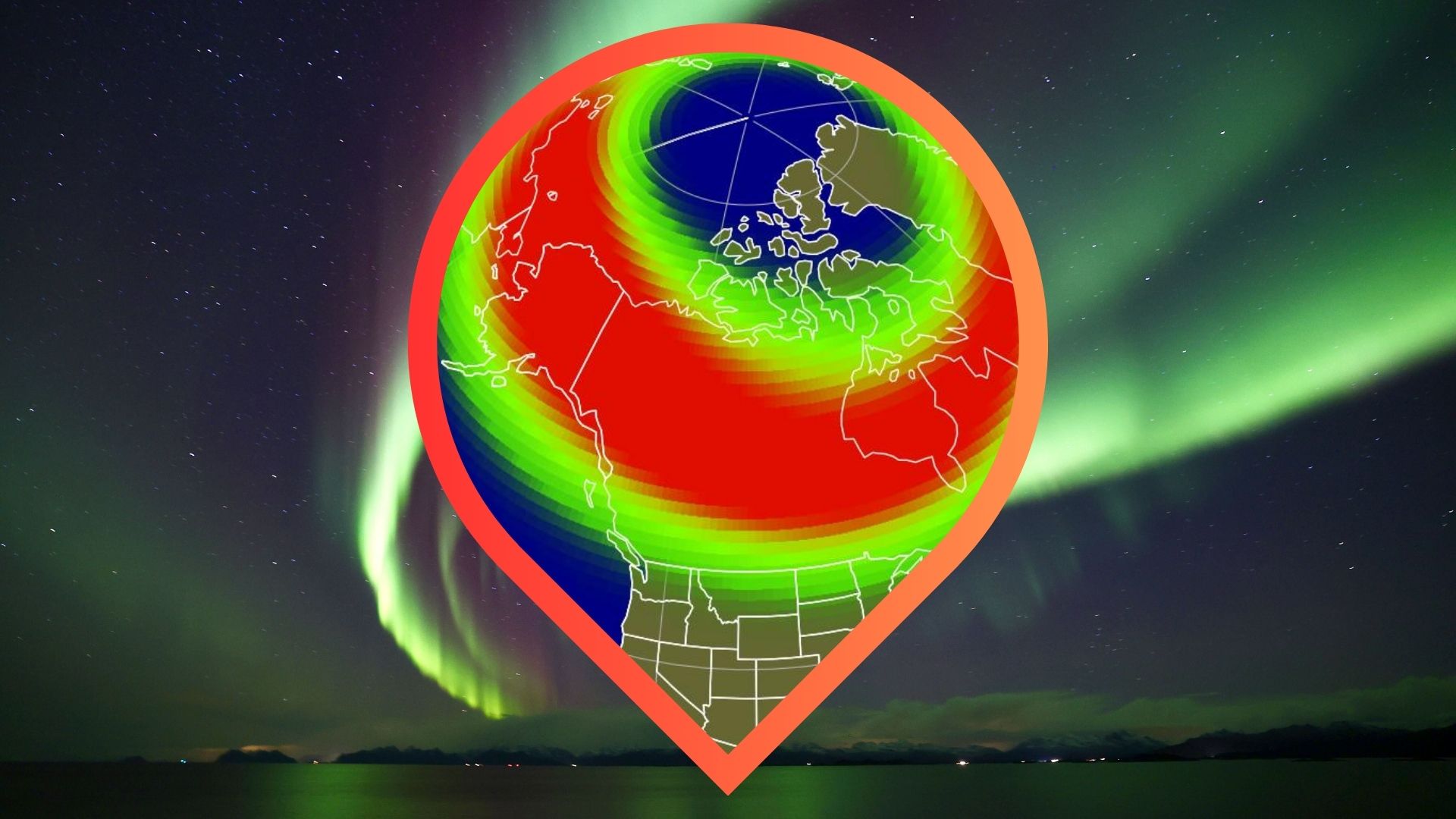
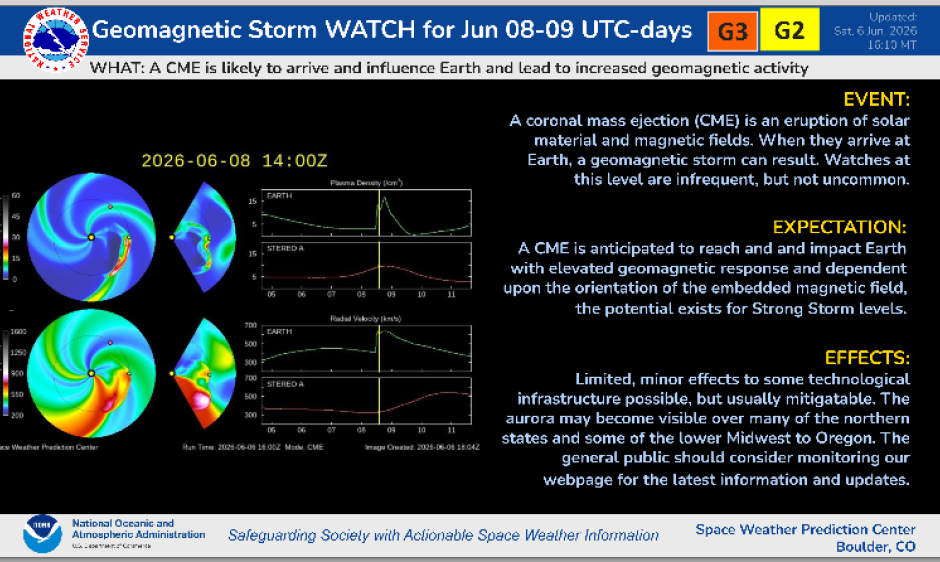
On June 8, 2026, skywatchers across northern latitudes turned their eyes skyward as NOAA's Space Weather Prediction Center issued a G3 (Strong) geomagnetic storm watch—the third level on NOAA's five-point scale. The cause? A massive Coronal Mass Ejection (CME) hurtling toward Earth from the Sun at millions of miles per hour, carrying with it the potential for vivid displays of the aurora borealis, or northern lights. While the CME's impact ultimately proved milder than predicted, the event offers a perfect opportunity to understand the fascinating science behind these celestial light shows.
What Is a Coronal Mass Ejection and How Does It Trigger Auroras?
A Coronal Mass Ejection, or CME, is one of the most powerful explosions in our solar system. According to NOAA's Space Weather Prediction Center, a CME can be described as billions of tons of plasma—superheated, electrically charged gas—erupting from the Sun's corona (its outer atmosphere) and traveling through space at speeds exceeding a million miles per hour. Not all CMEs are aimed at Earth, but when one is, the journey takes anywhere from one to three days.
The CME that triggered the June 8 watch lifted off the Sun on Saturday, June 6, 2026, following a solar flare captured by NASA's Solar Dynamics Observatory. The British Geological Survey confirmed that the incoming CME was anticipated to drive a significant enhancement in geomagnetic activity, with STORM G3 periods likely.
When a CME arrives at Earth, its charged particles collide with our planet's magnetic field, or magnetosphere. "As the solar wind increases in speed and the interplanetary magnetic field embedded in the solar wind turns southward, the geomagnetic activity will increase and the aurora will become brighter, more active, and move further from the poles," NOAA explains in its aurora tutorial. This interaction transfers energy into the magnetosphere, accelerating electrons down along magnetic field lines toward the north and south magnetic poles.
Timeline: How the June 2026 CME Event Unfolded
June 3–4, 2026: An earlier CME lifts off the Sun, elevating geomagnetic activity briefly before conditions return to quiet levels.
June 6, 2026: A new solar flare and CME erupt from the Sun, captured by NASA's Solar Dynamics Observatory. This CME is aimed toward Earth.
June 6–7, 2026: NOAA's Space Weather Prediction Center issues a G3 (Strong) geomagnetic storm watch for June 8 and a G2 (Moderate) watch for June 9. The public is alerted that northern lights may be visible further south than usual.
June 8, 2026: The CME arrives at Earth. However, according to EarthSky, the bulk of the CME passes to the south and east of the planet, delivering only a glancing blow. Geomagnetic conditions remain at quiet levels (Kp 1–2) instead of reaching storm levels as initially forecast.
June 9, 2026: Residual CME effects continue to fade. Forecasters expect quiet-to-unsettled conditions as solar wind gradually returns to background levels.
The Science Behind the Colors: Why Auroras Paint the Sky in Green, Red, and Purple
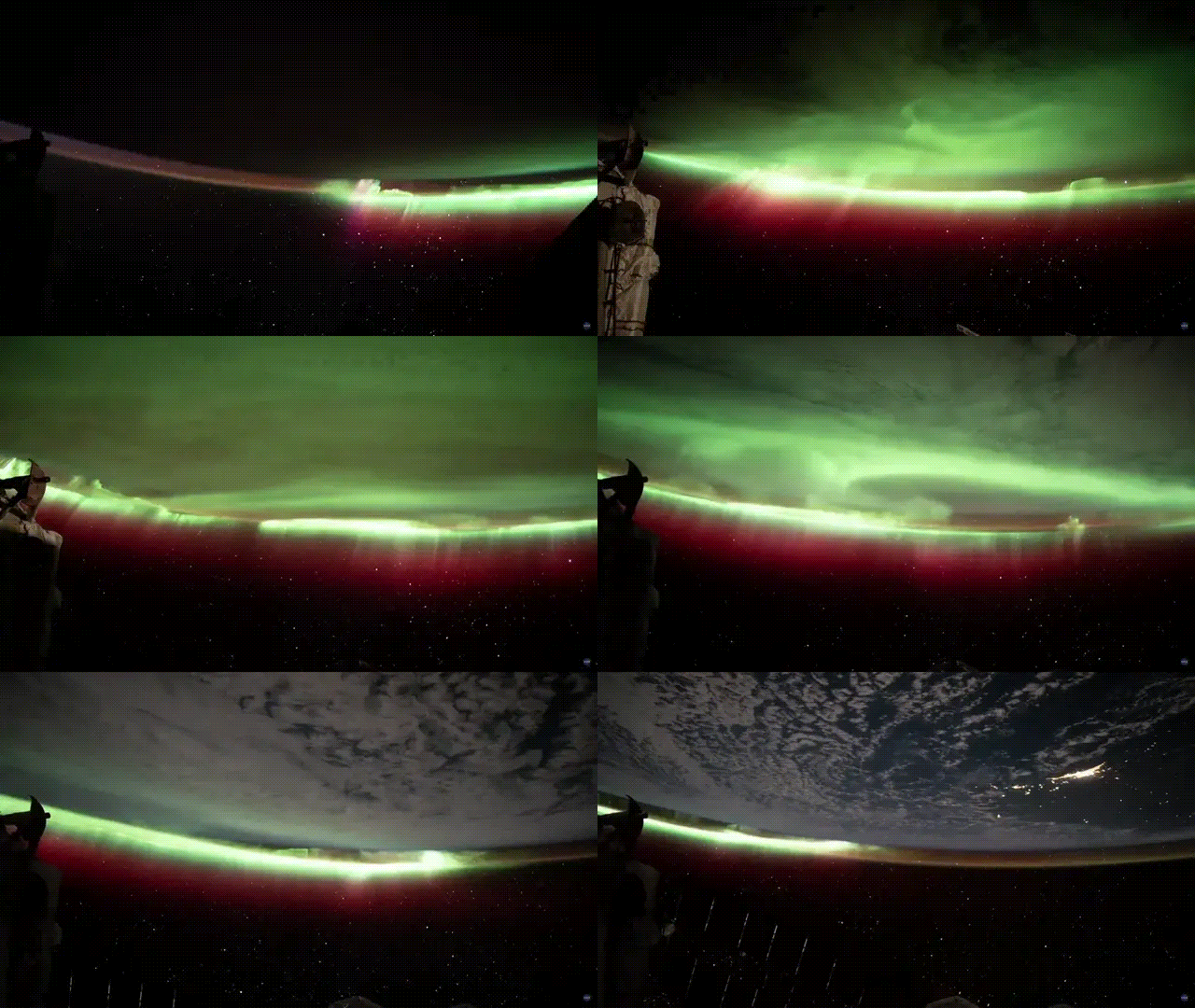
One of the most mesmerizing aspects of the aurora is its kaleidoscope of colors. According to NASA, the colors we see depend on which atmospheric gases are being excited and at what altitude the collisions occur.
"The aurora is formed from interactions between the solar wind streaming out from the sun and Earth's protective magnetic field," NOAA explains. As accelerated electrons from the magnetosphere slam into atoms and molecules in Earth's upper atmosphere, they transfer energy and cause the atoms to "glow" much like a neon light.
Green – The most common aurora color, produced when oxygen molecules are excited at altitudes of around 60 to 150 miles. This green glow is what most people picture when they think of the northern lights.
Red – High-altitude oxygen (above 150 miles) produces a deep red color. These auroras are rarer and often appear at the top of the most intense displays.
Blue and Purple – When nitrogen molecules are excited, they emit blue and violet light. This typically occurs at lower altitudes (below 60 miles) during very strong geomagnetic storms.
Royal Observatory astronomer Tom Kerss explains: "These particles slam into atoms and molecules in the Earth's atmosphere and essentially heat them up. We call this physical process 'excitation,' but it's very much like heating a gas and making it glow." The aurora's characteristic wavy patterns and "curtains" of light are caused by the lines of force in Earth's magnetic field.
Where the June 8 Aurora Could Be Seen and What Happened Instead
Had the CME struck Earth as strongly as initially forecast, the aurora borealis could have been visible across the northern United States, Canada, Scotland, northern England, and Northern Ireland. NOAA's aurora viewline forecasts suggested the lights might be seen as far south as the Great Lakes region. The British Geological Survey noted that "those in Scotland, northern England, and Northern Ireland have the best chance if the weather is favourable."
However, space weather is notoriously difficult to predict with precision. As EarthSky reported, the CME's trajectory caused most of its plasma to pass south and east of Earth, resulting in only a "glancing blow" and mild geomagnetic disturbance. "That limited the geomagnetic response, and lowers expectations for more disturbance later today," EarthSky noted in its June 9 update.
The event serves as a reminder of the complexity of space weather forecasting. CMEs are enormous—often spanning millions of miles—but their exact trajectory, speed, and magnetic orientation can vary, making it challenging to predict precisely how strongly they will interact with Earth's magnetosphere.
What's Next: Solar Cycle 25 and Future Aurora Opportunities
The Sun is currently in Solar Cycle 25, which began in December 2019 and is approaching its anticipated peak, or solar maximum. During this period, solar activity including sunspots, solar flares, and CMEs increases significantly. According to forecasters, the odds of M-class (moderate) flares currently stand at 55%, and there's a 10% chance of X-class (the most powerful) flares in the coming days.
For aurora enthusiasts, the good news is that the elevated solar activity of Solar Cycle 25 means more opportunities to witness the northern lights over the next few years. A coronal hole—another source of fast solar wind that can trigger auroras—is moving into a geoeffective position and could drive fresh geomagnetic activity as early as June 11.
Looking further ahead, scientists expect Solar Cycle 25 to peak between 2025 and 2026, meaning the next few years will offer some of the best chances to see auroras at lower latitudes than usual. Whether you're an experienced aurora chaser or a first-time viewer, understanding the science behind CMEs and geomagnetic storms adds a deeper appreciation for the celestial dance happening high above our heads.
Key Takeaways: Understanding CMEs and Auroras
- CMEs are powerful: A single Coronal Mass Ejection can carry billions of tons of plasma at millions of miles per hour
- Auroras are caused by collisions: Charged particles from the Sun collide with Earth's atmospheric gases, causing them to glow
- Color reveals chemistry: Green comes from oxygen at 60–150 miles, red from higher oxygen, and blue/purple from nitrogen
- Space weather is hard to predict: The June 8 CME delivered only a glancing blow, showing that forecasts can change
- Solar Cycle 25 is near peak: Elevated solar activity means more aurora opportunities through 2026 and beyond
- Best viewing is north: Aurora displays are strongest near the magnetic poles, but strong storms push them toward the equator