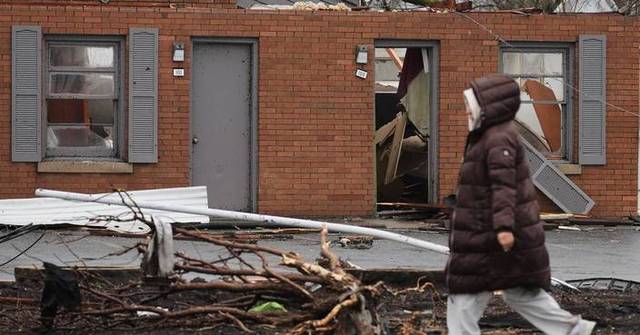
A powerful tornado tore through Lake Village, Indiana this week, killing at least two people and leaving a trail of destruction that has put severe weather safety back in the spotlight. As communities across the Midwest assess the damage and begin recovery efforts, understanding how tornadoes form and what to do when they threaten can mean the difference between life and death. Tornadoes are one of nature's most destructive forces, but by learning how they work and following proper safety procedures, you can significantly increase your chances of staying safe.
What Are Tornadoes and How Do They Cause Such Devastation?
Tornadoes are violently rotating columns of air that extend from thunderclouds all the way to the ground. These funnel-shaped weather phenomena can reach wind speeds of up to 300 miles per hour, making them capable of tremendous destruction. The Lake Village tornado demonstrated this power firsthand, destroying homes, snapping power poles, and uprooting trees in what first responders described as "total devastation." A survivor from the community reported watching a dumpster fly past his window before taking cover in a closet as his home was ripped apart around him.
A change in wind direction and an increase in wind speed with height creates an invisible, horizontal spinning effect in the lower atmosphere. Rising air within the thunderstorm's updraft then tilts this rotating air from horizontal to vertical. An area of rotation, typically 2-6 miles wide, extends through much of the storm, and most strong and violent tornadoes form within this zone of intense rotation. The National Weather Service confirmed that the Lake Village tornado was part of a supercell that tracked from Pontiac, Illinois all the way to Knox, Indiana, spawning multiple tornadoes along its path.
Several additional factors contribute to tornado formation. Abundant low-level moisture is necessary for thunderstorm development, and a "trigger"—such as a cold front or other zone of converging winds—is needed to lift the moist air upward. Once the air begins to rise and becomes saturated, it continues rising to great heights if the atmosphere is unstable. Tornadoes typically form in areas where winds at all levels are not only strong but also turn with height in a clockwise direction.
Understanding Tornado Warnings: How the Alert System Works
When severe weather threatens, timely warnings can save lives. The National Weather Service issues two main types of tornado alerts: watches and warnings. A tornado watch means conditions are favorable for tornado development and covers a broad region, typically for several hours. This is the time to review your safety plan and be prepared to take action.
A tornado warning is more urgent and means a tornado has been spotted or indicated by weather radar. Warnings cover smaller, more specific areas and require immediate protective action. The warning system relies on a combination of technology and human observation, including Doppler radar that can detect rotation within storms, trained storm spotters who report what they see, and reports from emergency officials and the public.
If you're in a house with a basement, that's your best option. Get under something sturdy like a workbench or staircase, and use your arms to protect your head and neck. If you don't have a basement, go to an interior room on the lowest floor—a bathroom, closet, or hallway—away from windows and exterior walls. The goal is to put as many walls between you and the outside as possible. Mobile homes are particularly vulnerable to tornado damage, so if you live in one, identify a nearby sturdy building you can reach quickly when warnings are issued.
If you're caught outdoors with no shelter available, find the lowest possible spot such as a ditch or depression, lie flat, and cover your head with your hands. Never try to outrun a tornado in a vehicle—abandon it immediately for sturdy shelter or, if that's impossible, get to a low spot. After the tornado passes, be cautious of downed power lines, broken gas lines, and damaged structures. Check on neighbors, especially the elderly or those with disabilities, but avoid putting yourself in danger to do so.
Current Situation and Looking Ahead: Recovery and Preparedness
In Lake Village, Indiana, recovery efforts are underway following Tuesday night's deadly tornado. Authorities have confirmed two fatalities—an elderly couple who died when their home was destroyed—and at least 10 injuries. Multiple homes were completely destroyed, with many more sustaining significant damage. Emergency crews continue to search affected areas and assess the full extent of the destruction.
Residents are being warned about potential scams targeting disaster victims and are encouraged to report storm damage through official channels. The community has begun mourning the loss of the husband and wife while supporting neighbors who lost homes and possessions. This event serves as a stark reminder that tornadoes can strike with little warning and devastating consequences, making preparedness essential for everyone living in tornado-prone regions.
Looking to the future, understanding tornado science and having a practiced safety plan remains the best defense against these powerful storms. By recognizing the conditions that lead to tornado formation, heeding warnings from the National Weather Service, and knowing exactly where to go and what to do when danger threatens, you can significantly improve your chances of staying safe. Remember that tornadoes can occur any time of year, though they're most common in spring and early summer, and being prepared is a year-round responsibility for those living in vulnerable areas.