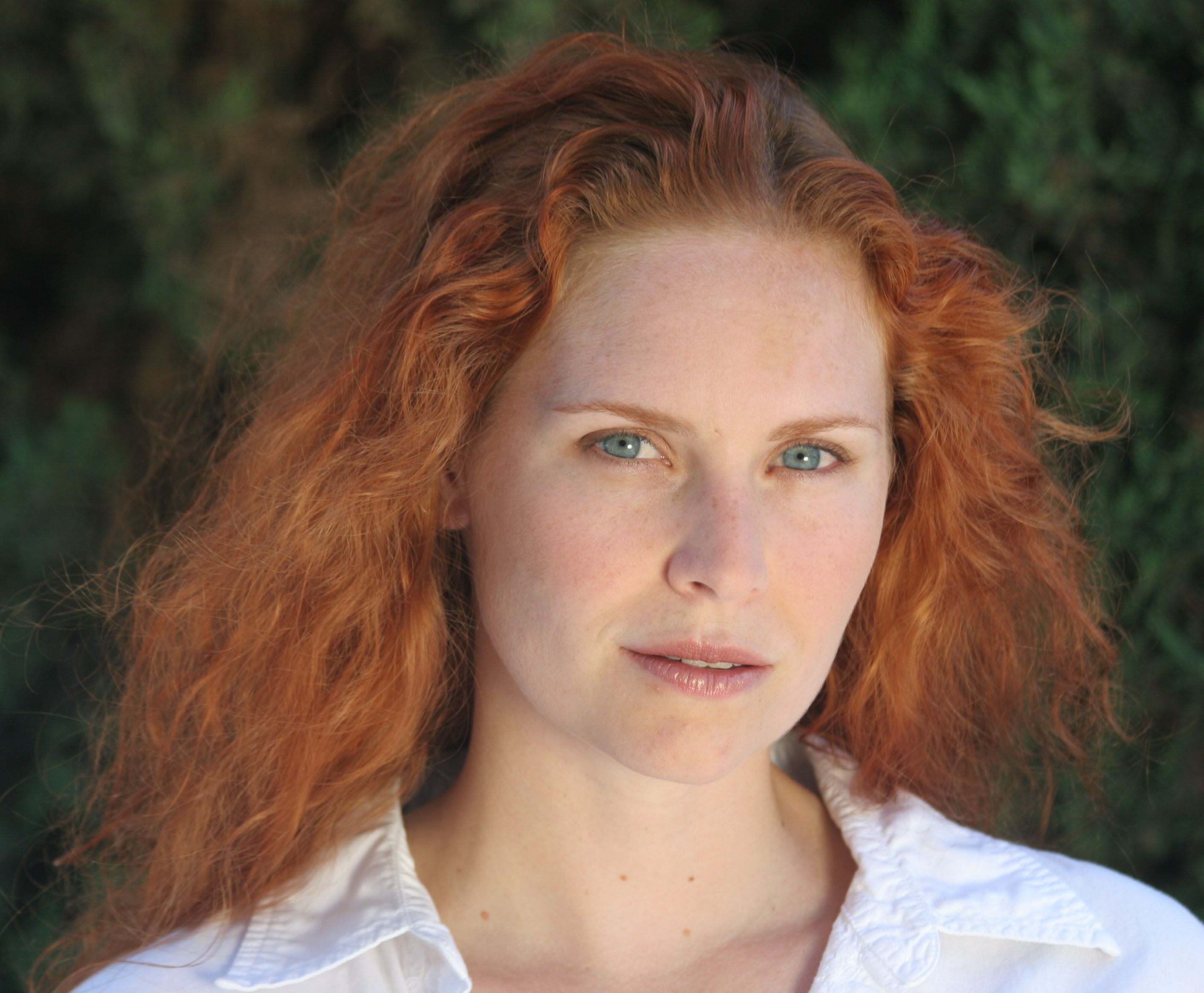
Red hair has fascinated people for centuries. From the ancient Greeks who associated it with fiery temperament to modern geneticists who study its unique biological pathways, this rare hair color holds a special place in both culture and science. But what exactly causes red hair, and why do redheads have such distinct characteristics? Let's explore the science behind red hair, from the genetic mutation that creates it to the surprising ways it affects health and daily life.
The Genetics Behind Red Hair: What Makes a Redhead?
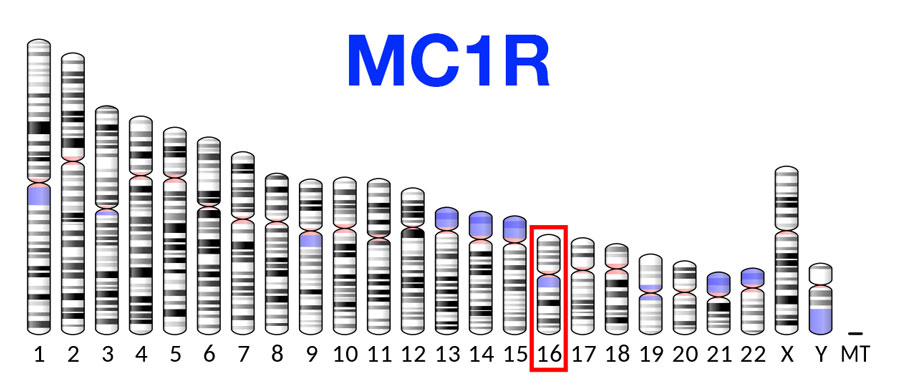
At the heart of red hair lies a single gene called MC1R (melanocortin-1 receptor), located on chromosome 16. This gene provides instructions for making a protein that sits on the surface of melanocytes — the cells responsible for producing pigment in your skin, hair, and eyes. When functioning normally, the MC1R protein helps regulate which type of melanin your body produces.
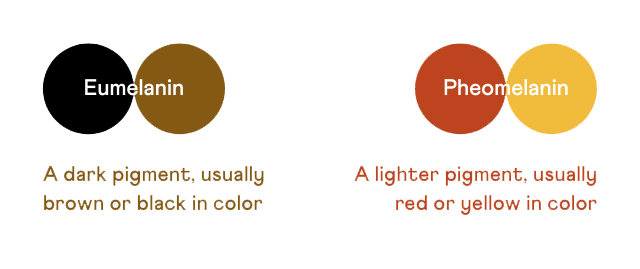
Melanin comes in two forms: eumelanin, which produces black and brown pigmentation, and pheomelanin, which creates red to pink pigmentation. People with red hair have genetic variants in their MC1R gene that cause their melanocytes to produce significantly more pheomelanin and much less eumelanin. This shift in pigment production is what gives red hair its distinctive fiery hue.
According to research from CRI Genetics, approximately 80% of redheads have at least one MC1R gene variant. Red hair is an autosomal recessive trait, meaning that a person must inherit the MC1R variant from both parents to express the red hair phenotype. If only one parent passes on the variant, the person may carry the gene without having red hair themselves, but they could pass it on to their children.
Why Red Hair Is So Rare: Global Distribution by the Numbers
Red hair is the rarest natural hair color in the world. Only about 1 to 2 percent of the global population has natural red hair, although estimates vary by region. The highest concentrations of redheads are found in Northwestern Europe, particularly in the Celtic nations.
Scotland boasts the highest percentage of natural redheads, with approximately 13% of the population having red hair, according to Wikipedia data. Ireland comes in second at around 10%, followed by other parts of the United Kingdom. In the United States, approximately 2-6% of the population has red hair, largely due to the country's significant population of Northwestern European descent.
Interestingly, red hair can appear in populations worldwide, though with much lower frequency. Traces of red hair have been documented in North Africa, the Mediterranean, Central Asia, and among Jewish populations, particularly those of Ashkenazi descent. The wide but scattered distribution suggests that the MC1R variants that cause red hair have emerged multiple times throughout human evolutionary history.
From Ancient Origins to Modern Science: How Red Hair Evolved
Scientists believe that red hair first appeared in humans around 50,000 years ago when early humans migrated from Africa into Europe. Several theories attempt to explain why red hair persisted despite its association with sun sensitivity. One leading hypothesis is that fair skin — which almost always accompanies red hair — allows for more efficient vitamin D synthesis in regions with limited sunlight.
Redheads produce more vitamin D in shorter periods of sun exposure compared to people with darker skin. This would have provided a survival advantage in cloudy, northern climates where sunlight is scarce. A 2020 study published in Experimental Dermatology found that redheaded people had elevated levels of 25(OH)D3 (a vitamin D precursor) in their bloodstream, suggesting their bodies are physiologically adapted to produce vitamin D more efficiently.
The Unique Medical Profile of Redheads: What Science Has Discovered
Because the MC1R gene affects not only hair color but also skin pigmentation and other biological processes, redheads have a distinct medical profile that researchers are only beginning to fully understand.
Sun Sensitivity and Melanoma Risk
The most well-documented health concern for redheads is their increased risk of melanoma. The AIM at Melanoma Foundation notes that those with natural red hair, light eyes, and light skin inherit an increased genetic risk for melanoma development. This is because the pheomelanin produced by redheads offers less protection against UV radiation compared to the eumelanin found in darker skin and hair. Redheads typically have fair skin that burns easily and tans poorly, making sun protection especially important.
Pain Perception and Anesthesia
One of the most intriguing findings about redheads relates to how they experience pain and respond to anesthesia. A landmark 2004 study published in Anesthesiology found that redheads require more anesthetic drugs to achieve the same level of sedation as people with other hair colors. According to Dr. Daniel Sessler, an anesthesia researcher at Cleveland Clinic, "Red hair is the only physical characteristic that indicates how much anesthetic a person needs."
Studies suggest that redheads may be more resistant to local anesthetics like novocaine and may need more general anesthesia during medical procedures. The mechanism is believed to be linked to how the MC1R gene variant affects pain signaling pathways in the brain. Research from 2024 published in PubMed further confirmed that red hair is linked to altered sensitivity to pain, analgesics, and hypnotics.
Vitamin D Production
While sun exposure poses greater risks for redheads, there is a potential benefit. The same fair skin that burns easily also allows redheads to produce vitamin D more efficiently. Some research suggests that redheads can synthesize adequate vitamin D with as little as 15-30 minutes of sunlight exposure, significantly less than what people with darker skin need. This evolutionary adaptation would have been particularly valuable in the cloudy climates of Northern Europe where red hair is most common.
Essential Hair Care Tips for Red Hair
Whether your red hair is natural or dyed, maintaining its vibrancy requires special attention. Red hair tends to be more fragile than other hair colors, and both natural and dyed red shades are prone to fading.
Wash less frequently. Red hair color — especially dyed red — fades faster than almost any other hair color. Stretch the time between washes as much as possible. When you do wash, use cool or lukewarm water to help seal the hair cuticle and prevent color from washing away.
Use sulfate-free products. Sulfates are harsh cleansing agents that strip natural oils and hair color. Look for color-safe, sulfate-free shampoos and conditioners specifically formulated for color-treated or red hair.
Deep condition regularly. Red hair, particularly natural red hair, tends to be coarser and drier than other hair types. Regular hair masks and deep conditioning treatments help maintain moisture, prevent breakage, and keep red hair glossy and healthy.
Protect from heat and UV. Heat styling tools can accelerate fading, so always use a heat protectant spray before blow-drying or styling. UV rays also break down hair color pigments, so wearing a hat or using UV-protective hair products is essential when spending time outdoors.
Use color-depositing products. To extend the life of red hair color between salon visits, consider using color-depositing shampoos, conditioners, or glosses that add red pigments back into the hair with each use.
Limit heat styling. Excessive heat damages the hair cuticle and accelerates color fading. Air-dry when possible, and reserve heat styling for special occasions.
Fascinating Facts About Redheads
Beyond the genetics and care, red hair comes with a collection of fascinating facts:
- Red hair doesn't gray. Instead of turning gray like other hair colors, red hair typically fades through a spectrum of copper to rose-gold before eventually turning white.
- Redheads have more hair strands. On average, redheads have about 90,000 hair strands compared to 110,000 for blondes and 140,000 for brunettes, though individual red strands are typically thicker.
- Temperature sensitivity. Some research suggests redheads may be more sensitive to hot and cold temperature extremes, possibly due to the MC1R gene's role in temperature regulation pathways.
- Left-handedness. Statistics suggest a slightly higher percentage of redheads are left-handed compared to the general population, though the correlation is not fully understood.
- The MC1R gene is ancient. The genetic variants responsible for red hair are believed to be at least 50,000 years old and may have provided evolutionary advantages in northern climates.
The Bottom Line: Key Takeaways About Red Hair
Red hair is far more than just a striking appearance — it's the result of a fascinating genetic pathway that affects multiple aspects of health and biology. The MC1R gene variants that create red hair also influence pain perception, vitamin D metabolism, sun sensitivity, and even how the body responds to certain medications. For the approximately 1-2% of the world's population with natural red hair, understanding these unique biological characteristics can help with everything from choosing the right skincare routine to preparing for medical procedures. Whether natural or dyed, red hair requires thoughtful care to maintain its vibrancy — and its science continues to reveal new surprises as research progresses.