Naomi Osaka has never been one to blend in, and her 2026 French Open campaign proved once again that when it comes to Grand Slam fashion, she plays by her own rules. The four-time major champion arrived at Roland Garros with a series of custom looks that blended high fashion with athletic performance—and sparked a debate about self-expression in tennis along the way.
How the Eiffel Tower-Inspired Look Came Together
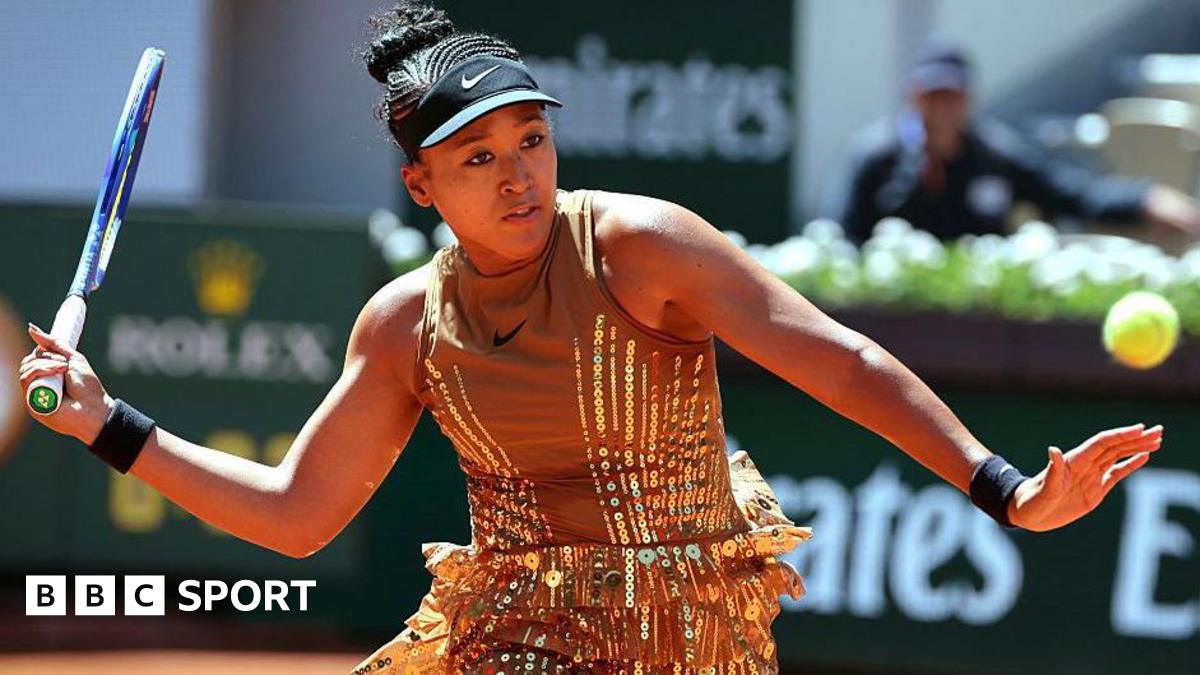
For her first-round match against Laura Siegemund on May 26, Osaka stepped onto Court Suzanne-Lenglen in a dramatic two-part ensemble. She entered wearing a moody black corset and skirt combination designed by Kevin Germanier, the Swiss couturier known for his upcycled, embellished creations. But the real showstopper came when she removed the outer layer to reveal a glittering gold Nike dress covered in vertical rows of sequins that caught the Parisian sunlight with every movement.
"I feel like I'm the Eiffel Tower!" Osaka said after her 6-4, 6-4 victory, referencing the sparkling nighttime illumination of Paris's most famous landmark. The outfit was a collaboration between Nike and Kevin Germanier, who used upcycled Nike garments to create the sequined pieces—a nod to the growing sustainability movement in fashion.
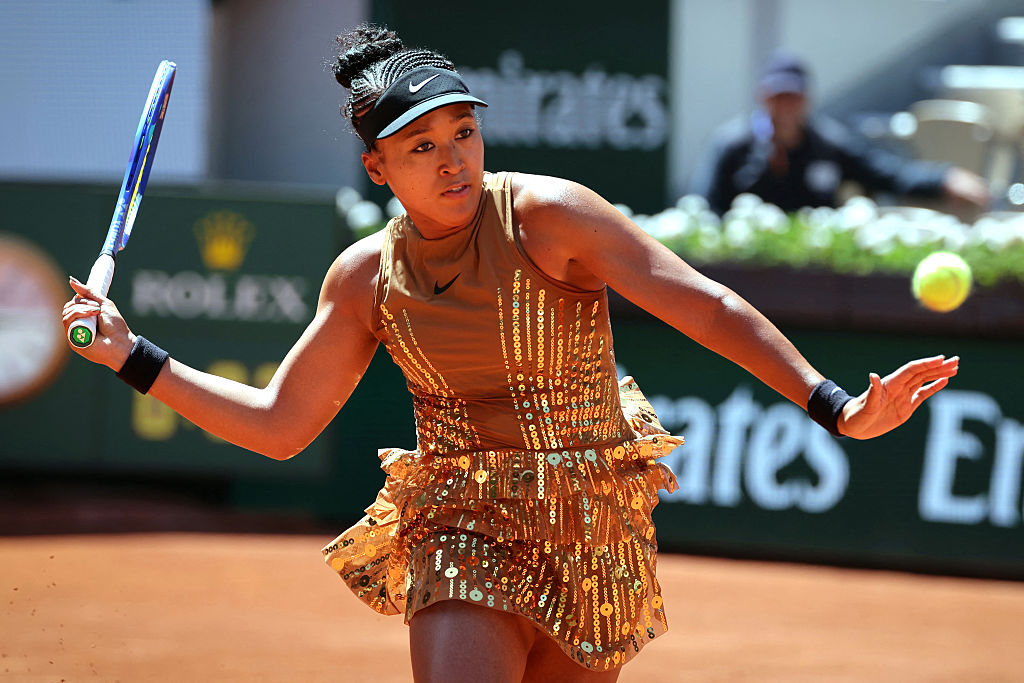
The gold dress wasn't just about aesthetics—it was engineered for performance. The Nike design team created the sequined paillette dress to be lightweight and breathable, ensuring Osaka could move freely on the red clay while still making a fashion statement. The dress featured a classic tennis silhouette with a fitted bodice and flared skirt, allowing for a full range of motion during serves and sprints across the baseline.
The Controversy That Followed: Inside the Siegemund Criticism
Not everyone appreciated Osaka's fashion-forward approach. Her first-round opponent, Laura Siegemund, made her feelings clear after the match, criticizing the drawn-out nature of Osaka's entrance.
"I came to play tennis, not to put on a fashion show," Siegemund told reporters. The German veteran suggested that Osaka's elaborate outfit reveal broke unwritten rules about court conduct and delayed the start of play.
The criticism quickly went viral, sparking a broader conversation about women athletes and self-expression in sports. Commentators, fans, and fellow players weighed in, with many defending Osaka's right to express herself through fashion. The Independent ran an opinion piece arguing that "the treatment of Naomi Osaka and her dress exposes the double standards of tennis," noting that male athletes have long been celebrated for bold style choices.
Osaka took the criticism in stride. She later posted on social media, defending her choices with a simple but powerful message: "Athletes are in show business."
Timeline: How Osaka's French Open Fashion Story Unfolded
May 26, 2026 — First Round: Osaka debuts the gold sequined Nike dress with a black Kevin Germanier corset and skirt for her entrance. She defeats Laura Siegemund 6-4, 6-4. Siegemund criticizes the "fashion show" element afterward.
May 27, 2026: The fashion controversy dominates headlines. CNN covers Osaka's "Eiffel Tower" inspired look, while multiple outlets report on Siegemund's comments. Osaka's quote "I feel like I'm the Eiffel Tower" becomes a viral moment.
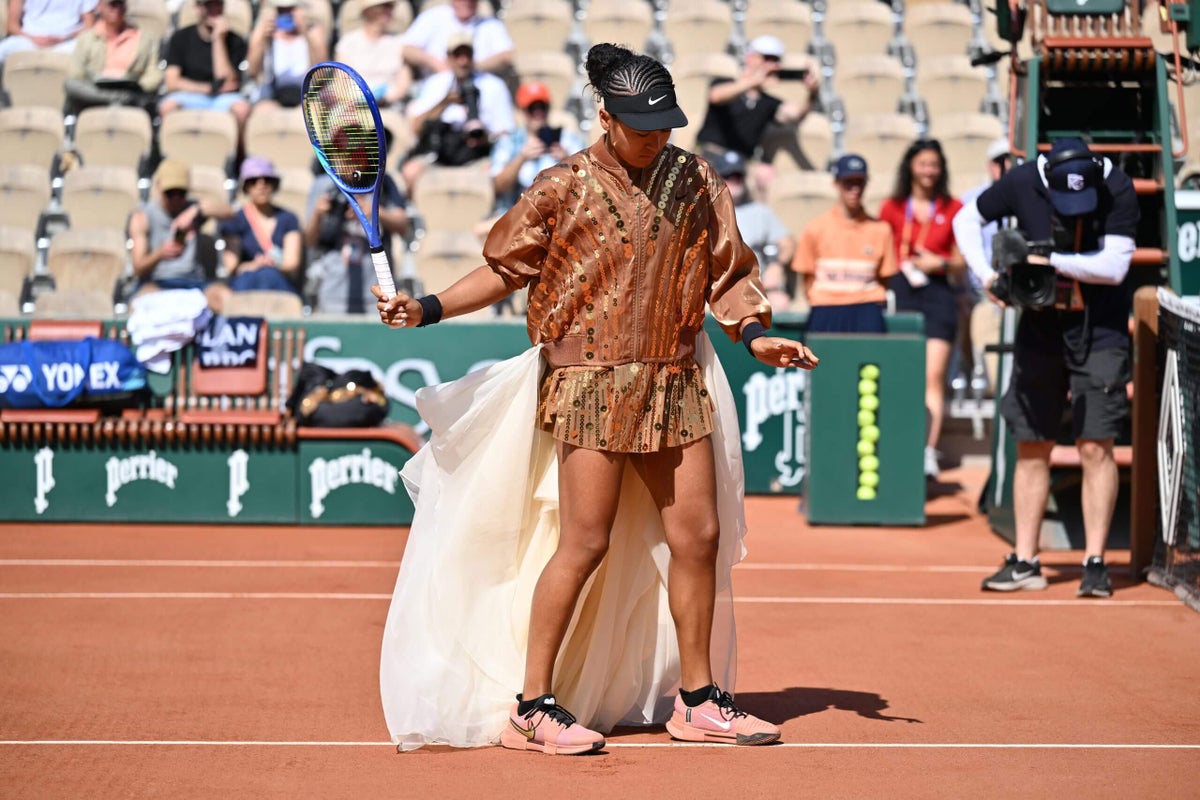
May 28, 2026 — Second Round: In a defiant response to her critics, Osaka arrives for her match against Donna Vekic in an even more dramatic look. She wears a metallic gold bomber jacket and an ivory train over her gold sequined playing dress. The look is another Kevin Germanier x Nike collaboration using upcycled materials. CBC reports that Osaka "was slammed for her fashion show, so she gave them another."
Later in the tournament: Osaka debuts a second distinct look—a blue-and-green Nike dress streaked with vertical ruffles. For the entrance, she wears pieces by the designer Wun: a pleated white skirt, matching flowy trousers, and a veiled white-brimmed hat. The Athletic notes that "Osaka's French Open outfits bring couture and tennis together in Paris."
Why This Matters: The Bigger Picture of Fashion in Tennis
Osaka's bold fashion choices at the 2026 French Open represent more than just eye-catching outfits—they reflect a broader shift in how athletes approach personal branding and self-expression. Tennis has historically been a sport with strict dress codes, with all-white rules at Wimbledon being the most famous example. But players like Osaka, Serena Williams, and Naomi Osaka's idol, have pushed boundaries and expanded what's acceptable on court.
The collaboration with Kevin Germanier is particularly significant. Germanier, who has dressed celebrities like Taylor Swift and Lady Gaga, is known for his commitment to upcycling and sustainable fashion. By incorporating upcycled Nike garments into the designs, the partnership sent a message about sustainability in sportswear—an increasingly important topic as the fashion industry grapples with its environmental impact.
The controversy also highlighted gender dynamics in sports fashion. When male athletes make bold style choices—think of Rafael Nadal's sleeveless tops or Roger Federer's cardigans—they're often celebrated as icons of style. Female athletes, by contrast, have historically faced more scrutiny when their outfits deviate from traditional tennis attire. Osaka's willingness to challenge these double standards has made her a role model for athletes who want to express their personality through what they wear.
Where Things Stand Now: The Response and Reaction
Osaka's fashion statements have drawn widespread support from fans and fashion critics alike. ELLE magazine declared that "Naomi Osaka's French Open Style Game Is Already a Winner," while WWD praised her "high glamour looks" for revving up fashion interest at the tournament. The fashion world has embraced Osaka as a genuine style influencer, noting that her willingness to take risks sets her apart from other athletes who stick to more conventional sportswear.
On the court, Osaka's results have been mixed. While she won her first-round match convincingly against Siegemund, the fashion controversy added an extra layer of pressure to her campaign. However, Osaka has shown throughout her career that she thrives under scrutiny, and her defiant second-round entrance suggested she wasn't about to change her approach.
What's Next: The Future of Tennis Fashion
Osaka's 2026 French Open looks may mark a turning point for tennis fashion. More players are expected to collaborate with designers for Grand Slam appearances, following Osaka's lead in treating tournament outfits as opportunities for creative expression. The success of the Kevin Germanier x Nike partnership could also pave the way for more sustainable fashion initiatives in sportswear.
For Osaka herself, the French Open fashion moment is part of a larger pattern. She has consistently used Grand Slams as a platform for bold style statements, from her anime-inspired looks at the US Open to her structured custom pieces at the Australian Open. As she continues to evolve as both an athlete and a fashion icon, fans can expect even more daring looks at future tournaments.
Key Takeaways: Everything You Need to Know
- The look: Naomi Osaka wore a custom gold sequined Nike dress inspired by the Eiffel Tower at night, designed in collaboration with Kevin Germanier using upcycled materials
- The controversy: First-round opponent Laura Siegemund criticized Osaka's dramatic entrance as a "fashion show," sparking a debate about self-expression in tennis
- The response: Osaka doubled down with an even bolder look in her second-round match, adding a gold bomber jacket and ivory train
- The significance: The outfits represent a growing intersection between high fashion and athletic performance, with sustainability as a key design principle
- The impact: Osaka's fashion choices have sparked important conversations about gender, self-expression, and sustainability in professional sports