
Fitness icon Jillian Michaels has a message that might surprise you: one of the most powerful tools for extending your life requires no gym membership, no expensive equipment, and no extreme effort. It's walking. In recent interviews and blog posts, Michaels has highlighted research showing that just 150 minutes of walking per week—about 30 minutes a day, five days a week—can add up to seven years to your lifespan. This simple, accessible activity forms the cornerstone of her practical approach to health, which combines straightforward movement with smart nutrition and a balanced fitness philosophy.
How Walking Unlocks a Longer, Healthier Life
Michaels points to a growing body of scientific evidence that underscores walking's profound impact on longevity. “One hundred and fifty minutes of walking a week has been shown to extend your lifespan by up to seven years,” she told Fox News Digital. “Something simple like that goes such a long way.” This recommendation aligns with studies like one published in JAMA Internal Medicine, which found that walking at least 7,000 steps per day can reduce the risk of premature death by 50–70% compared to those who walk less.
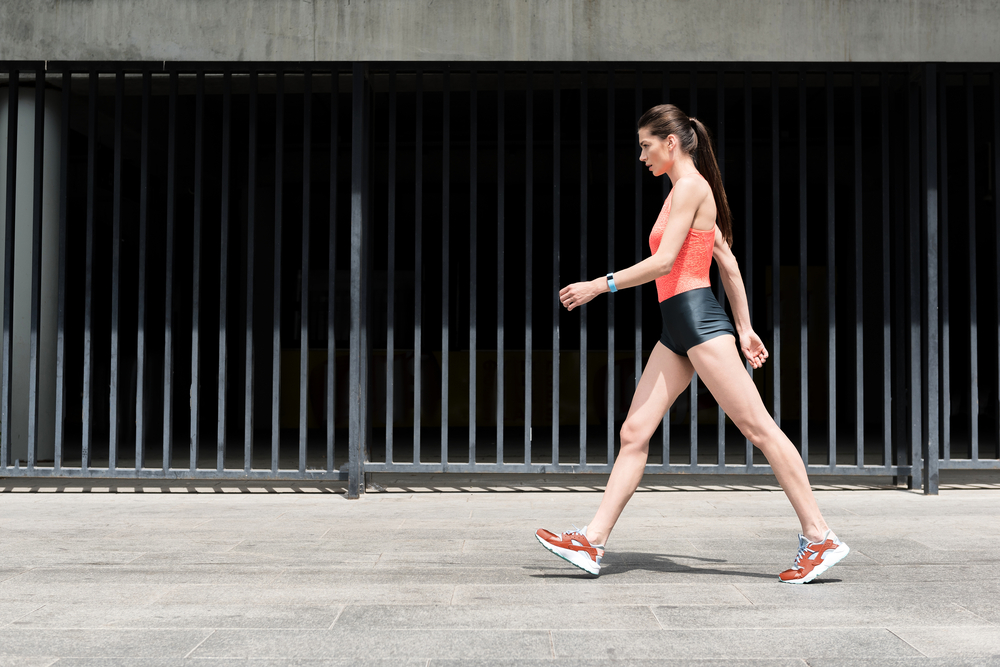
But the benefits go far beyond just adding years. Walking strengthens the heart by improving circulation, lowering blood pressure, and reducing cholesterol levels. The American Heart Association recommends at least 150 minutes of moderate‑intensity walking per week to significantly cut the risk of heart disease and stroke. For weight management, a brisk 30‑minute walk can burn 150–200 calories, and when combined with a healthy diet, it supports sustainable weight loss. Perhaps equally important, walking boosts mental well‑being by reducing stress, anxiety, and symptoms of depression, thanks to the release of endorphins and serotonin. It even strengthens the immune system, helping the body fend off illnesses like colds and flu more effectively.
How Much Walking Do You Really Need?
Michaels breaks down the numbers to make them achievable for everyone. The classic goal of 10,000 steps per day (about five miles) is excellent for overall health and weight management. However, she notes that 7,000–8,000 steps still deliver substantial longevity benefits. “Every step counts,” she emphasizes. For those just starting, she suggests a simple target of 5,000 steps a day. “Starting with a simple goal of 5,000 steps a day and using a walking pad is a great way to begin,” Michaels advises. “They are a couple of hundred bucks. Put them under a stand‑up desk or right by a kitchen counter, and you can shuffle around working, and you will hit those 5,000 steps no problem, every single day.”
Her approach is designed to meet people where they are. “Back in the day, probably 15 years ago, if you had a conversation with me about walking and pedometers and just taking the stairs, I probably would have screamed bloody murder at you,” she admits. “However, we're at a period in time—I've come to appreciate you need to meet people where they're at.”
The Four Pillars of Fitness: Beyond Walking
While walking is a fantastic foundation, Michaels’ complete fitness philosophy rests on what she calls the “Four Pillars of Fitness.” These pillars ensure a balanced, comprehensive approach that avoids over‑training and maximizes results.
1. VO2 Max Training (Zone 5): This involves short, high‑intensity intervals that push your heart rate to 90–95% of its maximum. Michaels recommends one session per week using modalities like a row machine, treadmill, bike with resistance, or even jump rope.
2. Strength Training: Building muscle is crucial for metabolism, bone density, and functional movement. Michaels advises training big muscle groups twice a week minimum, with separate “push” and “pull” sessions spaced at least two days apart. The key is to create a micro‑injury to the muscle and bone without going to failure, varying the stimulus every two weeks.
3. Zone 2 Steady‑State Cardio (65% max heart rate): This is longer, moderate‑intensity work that improves aerobic capacity and fat‑burning efficiency. Activities like hiking, incline walking, jogging, rowing, or swimming fit here.
4. Mobility: Often overlooked, mobility work—stretching, yoga, or dynamic movements—is essential for injury prevention and recovery. Michaels suggests a 10‑minute stretch three times a week, always after a brief cardio warm‑up or post‑workout.
“The workouts shift focus throughout your weeks to hit core, booty, and upper body to avoid over‑training and ensure amazing results,” Michaels explains on her website.
Nutrition: The Fuel That Makes It All Work
No fitness plan is complete without addressing nutrition, and Michaels offers clear, no‑nonsense guidelines. She advocates for organic foods whenever possible and urges people to avoid processed items—even organic processed foods—limiting them to no more than 20% of daily intake. The bulk of your plate should be vegetables (“think of green vegetables as free food”), complemented by balanced portions of protein, healthy fats, and complex carbs like beans and whole grains.
She also emphasizes practical habits: don’t drink calories (skip juice, soda, sweetened coffees), limit alcohol to no more than two drinks a day and six per week, and create a minimum 12‑hour overnight fast (ideally 14–16 hours). “Eat every 3 to 4 hours. No grazing throughout the day,” she advises. “Try to move for 10 minutes after every meal—a brisk walk, for example. This is excellent for improved insulin sensitivity.”
For supplements, Michaels prioritizes fish oil, vitamin D3 with K2, a high‑quality multivitamin, an organic greens powder, and a multi‑collagen blend with MSM glucosamine chondroitin.
Putting It All Together: A Practical Roadmap
Michaels’ overall message is one of empowerment and simplicity. She encourages people to start where they are and build consistency. “I worry about false messages of lethargy. In other words, ‘just do the bare minimum’—I don't love that messaging because it implies that's all somebody can do. That’s simply not true,” she says. Instead, she urges a mindset of gradual progression.
Her own routine reflects this flexible, realistic approach. “I do give it a few hours before actually eating something. I try to hydrate, and then I see what my day looks like, and I fit in exercise wherever, quite honestly, that I can.”
The Bottom Line: Small Steps, Big Rewards
Jillian Michaels’ fitness philosophy demystifies health and longevity. By highlighting the extraordinary power of walking—a free, simple activity—she makes longevity accessible to everyone. Coupled with her four‑pillar fitness framework and straightforward nutrition guidelines, this approach provides a clear, sustainable path to better health.
The key takeaways are simple: aim for 150 minutes of walking per week (or 7,000–10,000 steps a day), incorporate balanced strength and cardio training, prioritize whole foods, and stay consistent. As Michaels puts it, “Fitness is the No. 1 form of preventative medicine.” With her evidence‑backed advice, you can lace up your walking shoes and start adding years—and quality—to your life today.