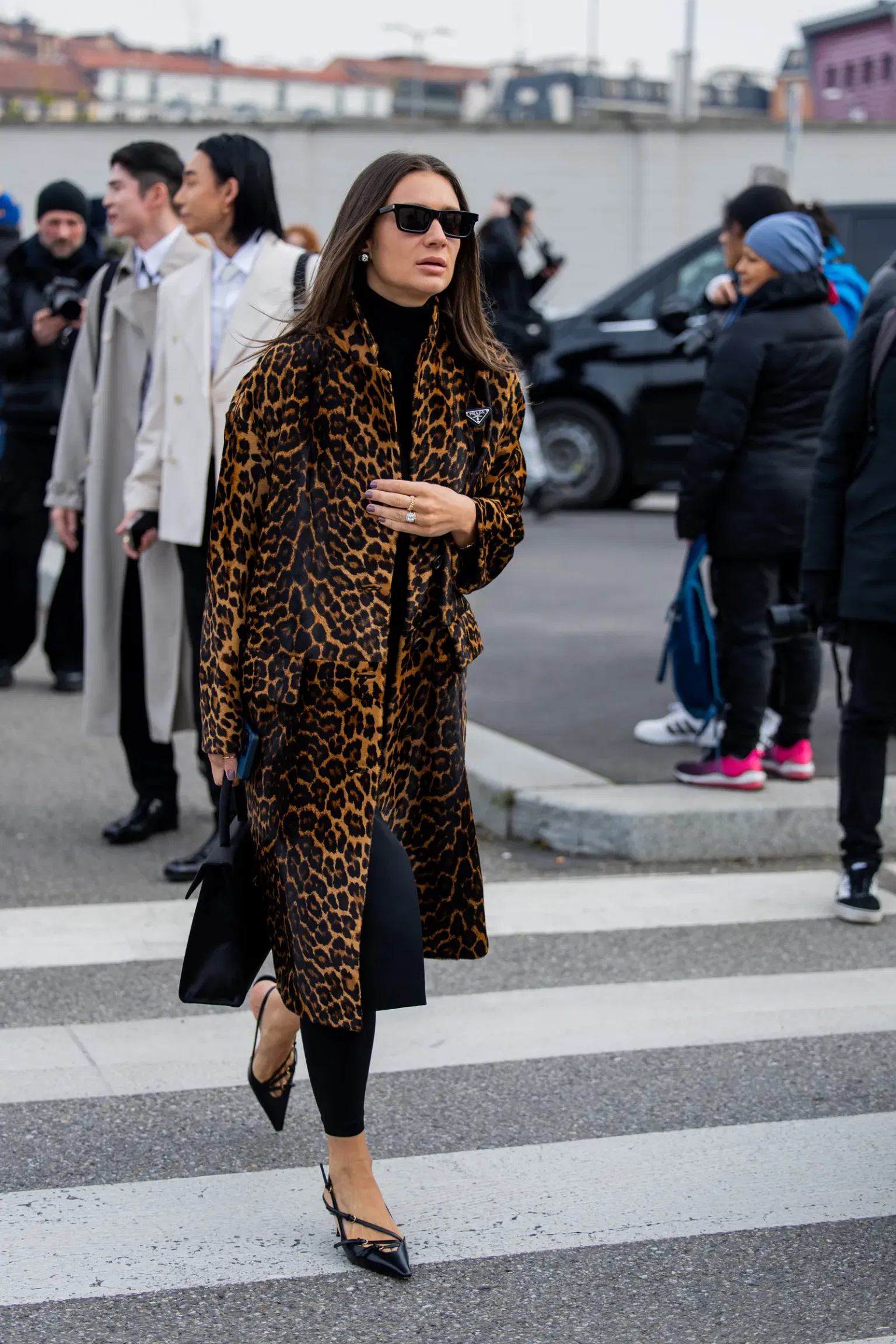
Leopard print has spent the better part of a century swinging between "glamorous" and "gaudy" — and yet it never truly goes away. In 2025, the spotted pattern is enjoying yet another revival, only this time stylists are treating it less like a loud statement and more like a dependable neutral. Learning how to style leopard print comes down to a few simple rules, but understanding where the pattern actually comes from is what turns a risky impulse buy into a confident wardrobe decision. This guide breaks down the expert styling tips, the best color pairings, and the rich history that took leopard from a real royal skin to one of fashion's most enduring prints.
At its core, leopard print is far easier to wear than it looks. Fashion editors repeatedly describe it as a neutral, because the pattern's mix of tan, black, and brown is essentially an earth-tone palette. That means it can anchor an outfit the same way a camel coat or beige trousers can — provided you follow a few ground rules.
How to Wear Leopard Print: The Styling Rules Experts Swear By
The single most important rule is to let one piece do the talking. Whether that is a leopard coat, a midi skirt, or a pair of kitten heels, the print should be the focal point while everything else stays quiet. "Start with one statement piece and keep the rest of the outfit simple for a balanced look" is the advice echoed across styling guides from Fleur Collective to everyday wardrobe tutorials.
If you are new to the trend, the gentlest way in is through accessories. A leopard belt, a silk scarf, a structured bag, or a pair of ballet flats delivers the pattern without committing to head-to-toe spots. As British Vogue puts it, every body type can wear leopard — you can add a little with a scarf, handbag, or shoe, or add a lot with a leopard top or sweater. Stylists at 40plusstyle capture it memorably: think of leopard print as a "punctuation mark, not a paragraph" — one well-placed accent, not an entire outfit.
For the bolder dresser, there is room to go bigger. Vogue's 2025 guide points to statement trousers and printed cardigans as the pieces to reach for, suggesting you layer a leopard piece over a sleek black dress for evening or pair it with tailored trousers and a crisp white button-up for an edgy workwear look. The Mom Edit adds two more refinements: choose cool-toned leopard prints (cooler, grey-ish browns) over warm-toned ones for a more modern feel, and lean into sporty silhouettes like oversized styles, loose-fitting pants, and sneakers.
When it comes to fabric, animal print reads best in materials that move. Flowing silks and soft satins look more expensive than stiff or overly shiny synthetics, and muted or smaller-scale spots read more refined than oversized ones. Keep jewelry and other accessories understated so the print — not the noise — remains the center of attention.
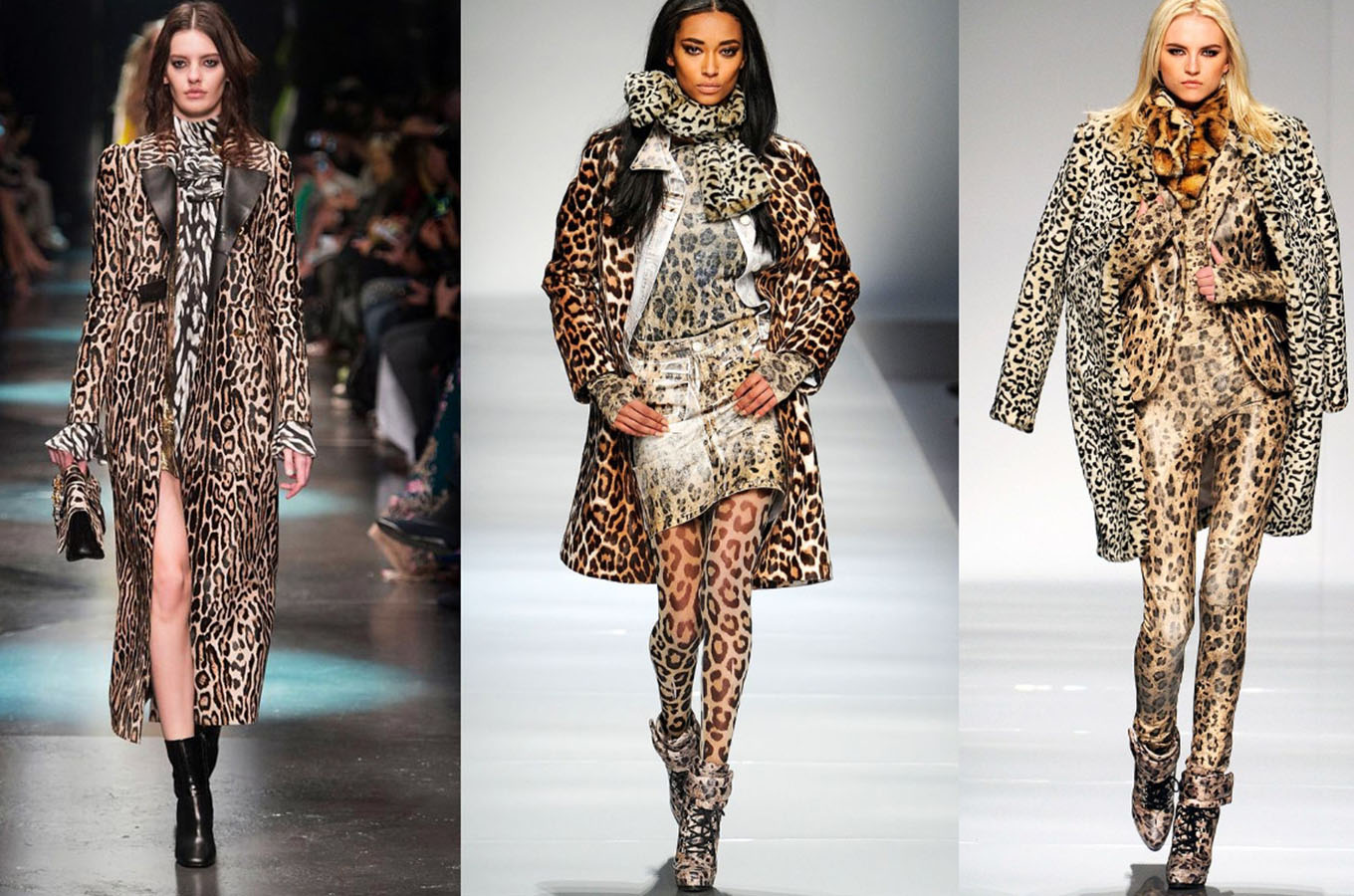
From Royal Robes to Runways: The Spotted History of Leopard Print
Leopard print did not begin as a fashion trend; it began as a display of power. In ancient Africa and Asia, real leopard skin served as the ultimate status symbol, reserved for royalty and warriors who had proven their worth. As the BBC notes, the pattern carried that regal weight for centuries before it ever touched a runway.
The turning point arrived in 1947, when Christian Dior became the first designer to send leopard print — the fabric, not the fur — down the catwalk, famously declaring, "If you're fair and blonde, you can wear it." Through the 1940s and 1950s, the print took on a seductive edge as it became a staple of women's lingerie and swimwear, while rock pioneer Jerry Lee Lewis wore a leopard-print suit on stage in the 1950s, cementing its link to music and rebellion.
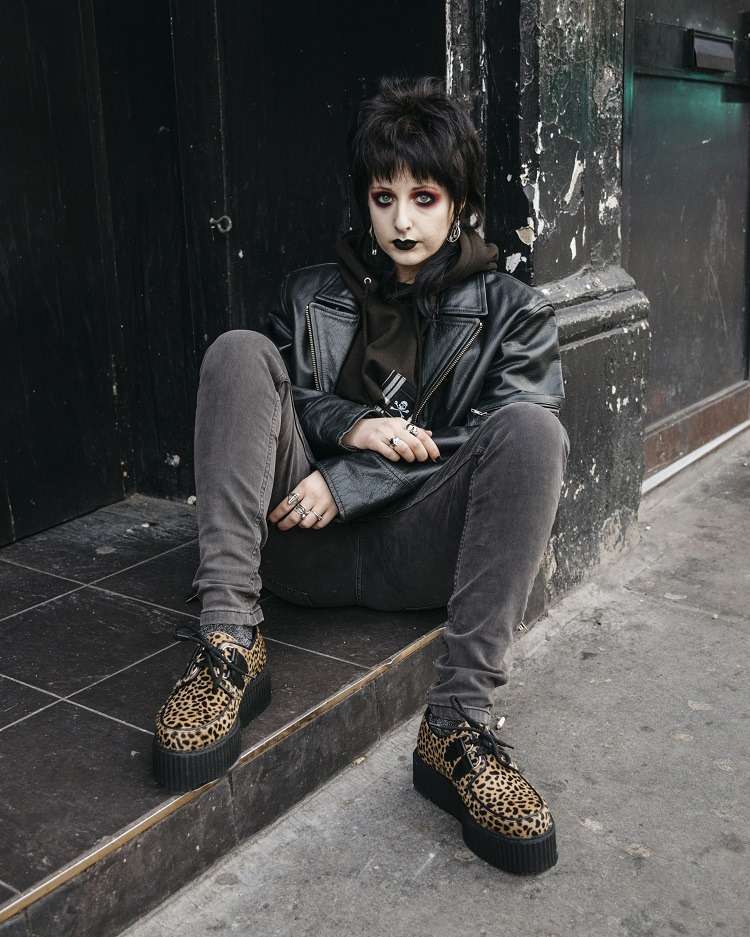
By the 1960s, the print had evolved from Hollywood excess into modern sophistication, a shift that led some fashion historians to call leopard "fashion's most enduring neutral." The 1970s made it glamorous, bohemian, and occasionally flamboyant, pairing it with platform shoes, flares, and faux fur. The 1980s handed it to glam rock and punk — worn by icons like Debbie Harry and Joan Jett as a symbol of rebellion — while power dressing put it on dresses and leggings. Queen Elizabeth, Elizabeth Taylor, and Jackie Kennedy were all famously photographed in leopard coats, proof that the print could signal both regal elegance and rock-and-roll edge. The 1990s carried the pattern into minimalism and grunge, and the early 2000s made it a party-season staple before a TikTok "Mob Wives" moment reintroduced it to a new generation.
Why Leopard Print Works: The Colors and Pairings That Make It Sing
The reason leopard print works with so much is simple: it is already a complete color story. The tan, black, and brown spots mean it harmonizes effortlessly with neutrals such as cream, beige, camel, khaki, white, and black. If you want a foolproof formula, "leopard plus all black," "leopard flats plus jeans and a white tee," and "a leopard belt over muted colors" are the combinations stylists recommend again and again.
But leopard print is not limited to neutrals. Fashion experts quoted by Today recommend pairing it with "bold berry shades, deep burgundy, hunter green, rich mustard, chocolate brown, cream, or classic black." Those jewel and earth tones pick up the warmth in the spots and stop the outfit from feeling flat. For a graphic, modern look, crisp black and white lets the print supply all the interest, while soft cream, warm beige, and tan create a gentle, understated backdrop.
If you want to mix prints, do it with intention: start with the leopard piece you want to highlight, then find a second pattern that shares one or more of the same colors. Stripes, polka dots, and even florals can work when the palette lines up — but when in doubt, keep it to one print per outfit and let leopard be the star.
Leopard Print in 2025: The Pieces to Reach For
Right now, the trend is everywhere but in a more wearable form than its 2000s heyday. After that viral Mob Wives moment on TikTok, Gen Z adopted the look into everyday wardrobes, styling it with denim, white sneakers, and relaxed tailoring rather than full-glam get-ups. Stylist magazine's experts suggest starting with leopard-print maxi dresses, jeans, or heels — pieces that carry the pattern without demanding a head-to-toe commitment. For fall, the most current formula pairs leopard-print pants with light layers like button-downs, cardigans, and cashmere sweaters, finished with pointed-toe shoes.
The easiest entry points for 2025 are the accessories and outerwear that frame an outfit: a leopard coat thrown over jeans, a printed cardigan over a plain tee, a pair of leopard loafers or ballet flats, or a small leopard bag. These pieces work year-round precisely because the print functions like a neutral, slipping as easily into a work wardrobe as into weekend wear.
What's Next for the Leopard Print Trend
Fashion forecasters and editors agree the print is not going anywhere soon. Its ability to swing between classic and edgy — and to pair with both neutrals and bold color — keeps it relevant season after season. Expect to see cooler-toned versions, smaller-scale spots, and softer fabrics dominate as the trend matures from a flashy throwback into a permanent wardrobe staple. The key advice for anyone adding it now: buy one piece you genuinely love, keep the rest of the outfit simple, and let the spots do the work.
The Bottom Line: Leopard Print Essentials
- Treat leopard print as a neutral — its tan, black, and brown spots pair with nearly everything.
- Start with one statement piece (a coat, skirt, or accessory) and keep the rest simple.
- Beginners should begin with accessories: a belt, scarf, bag, or pair of flats.
- Pair with neutrals (cream, beige, camel, black, white) or bold jewel tones (burgundy, hunter green, mustard, berry).
- Choose cool-toned, smaller-scale spots and soft fabrics like silk for a modern look.
- The print's story runs from ancient royalty to Dior's 1947 runway to today's street style.