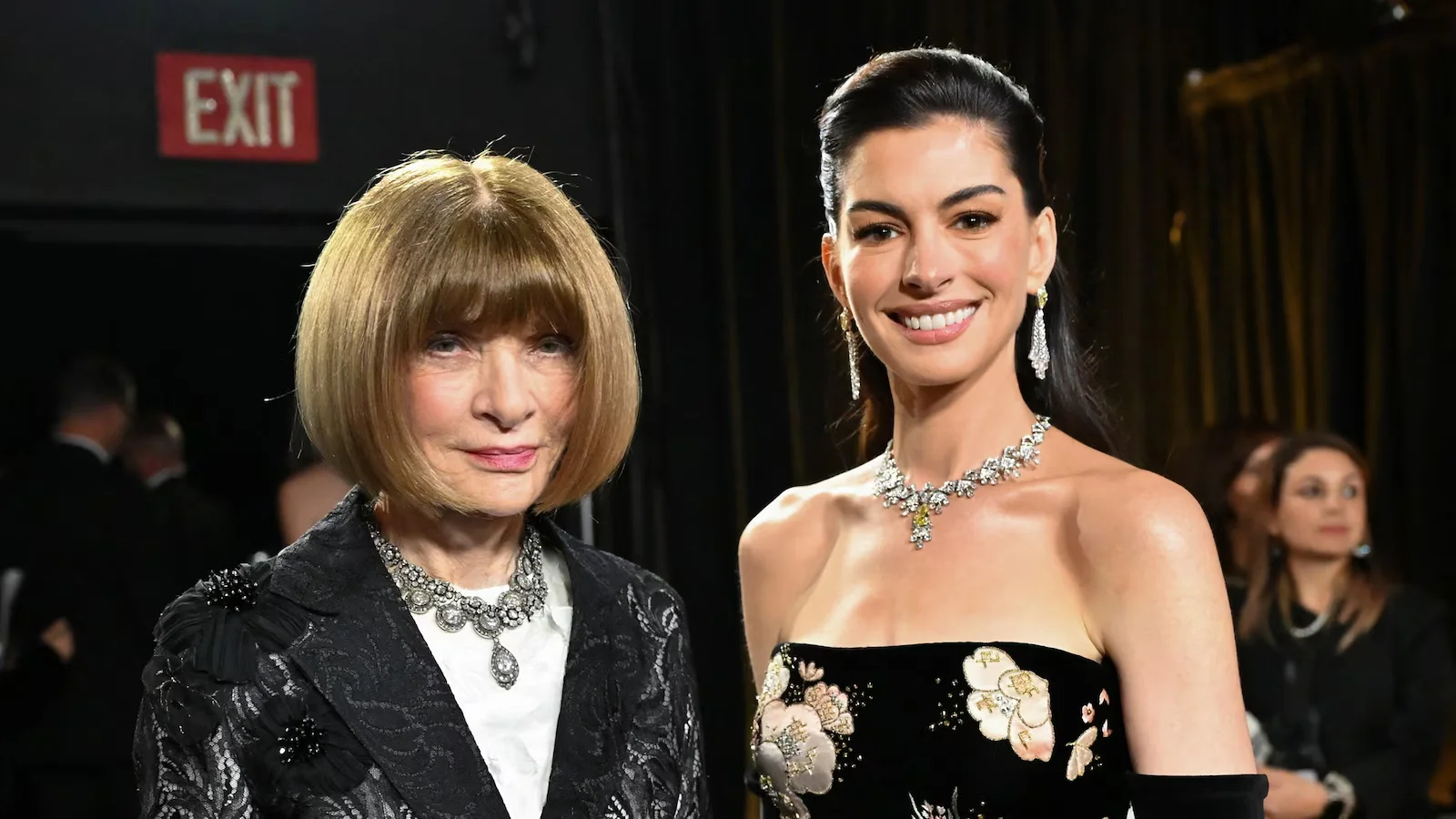
The 2026 Oscars stage witnessed a moment of fashion history repeating itself when Anne Hathaway and Anna Wintour presented together, delivering a playful nod to The Devil Wears Prada that instantly went viral. This unexpected pairing came just weeks before the highly anticipated sequel hits theaters on May 1, 2026, reminding the world how a single film continues to define fashion discourse nearly two decades after its release. From Miranda Priestly's iconic cerulean speech to Andy Sachs' evolving wardrobe, The Devil Wears Prada has become more than a movie—it's a fashion education that continues to influence trends, workplace style, and our understanding of the industry's inner workings.
How a Playful Oscars Moment Revived 'Devil Wears Prada' Mania
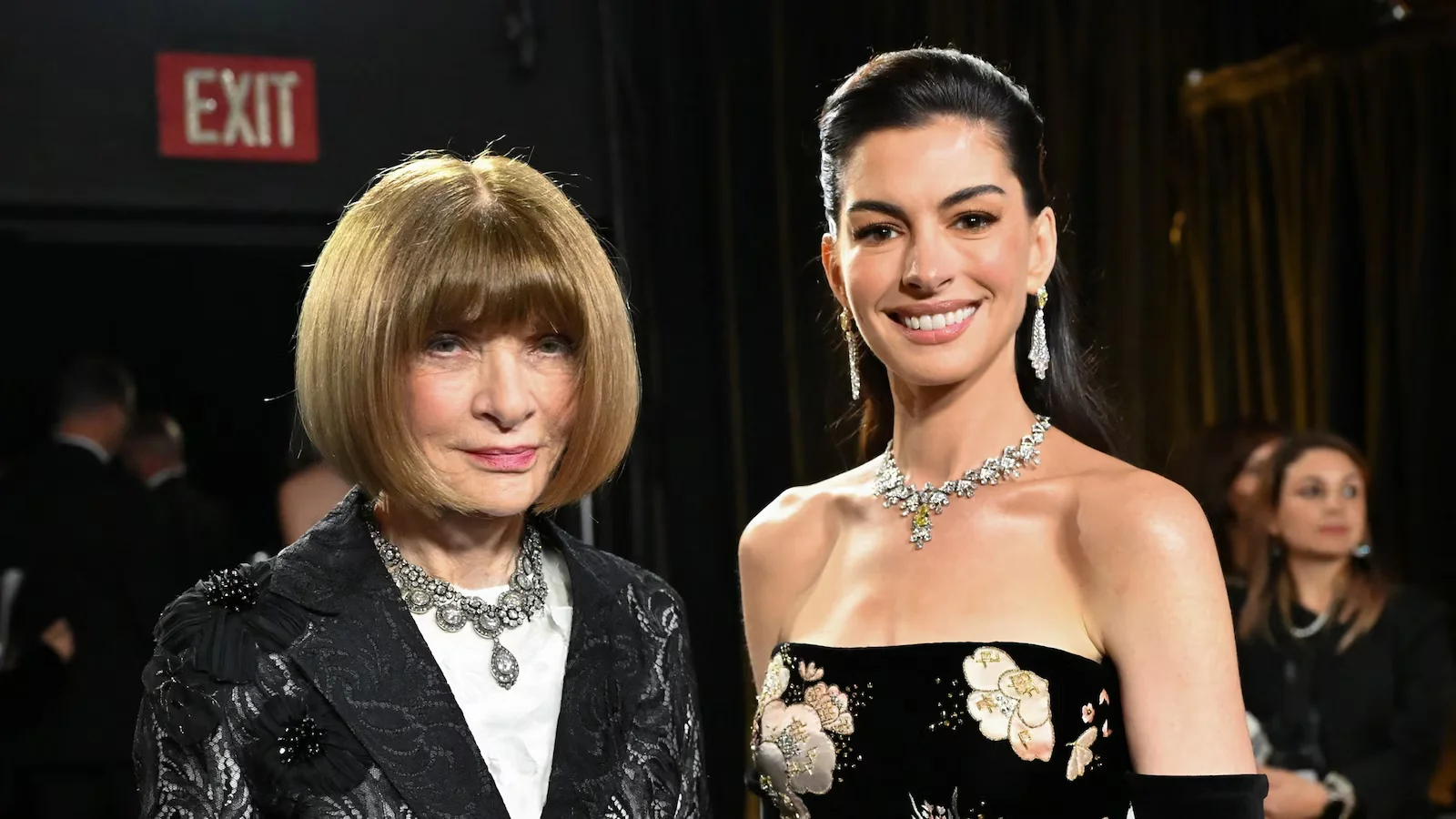
When Anna Wintour joined Anne Hathaway onstage to present the Oscar for costume design and hair and makeup, the fashion world immediately recognized the reference. Wintour, the real-life inspiration for Miranda Priestly, stood beside the actress who played Andy Sachs, creating a surreal full-circle moment. According to ABC News, their playful interaction included Wintour momentarily channeling Priestly's signature demeanor, delighting audiences and generating millions of social media impressions. This Oscars moment wasn't just celebrity theater—it demonstrated how deeply embedded the film remains in fashion culture, capable of generating viral excitement nearly 20 years after its release.
The Hollywood Reporter noted that Wintour "stepped into Miranda Priestly's shoes for a moment" during the presentation, highlighting how the line between fiction and reality continues to blur. This carefully orchestrated moment served as perfect promotion for the upcoming sequel while reminding viewers why the original film remains relevant. Fashion commentators immediately dissected both women's outfits, noting how Hathaway's gown and Wintour's signature bob and sunglasses evoked memories of the film's most iconic scenes.
Inside Andy Sachs' Fashion Evolution for the Sequel
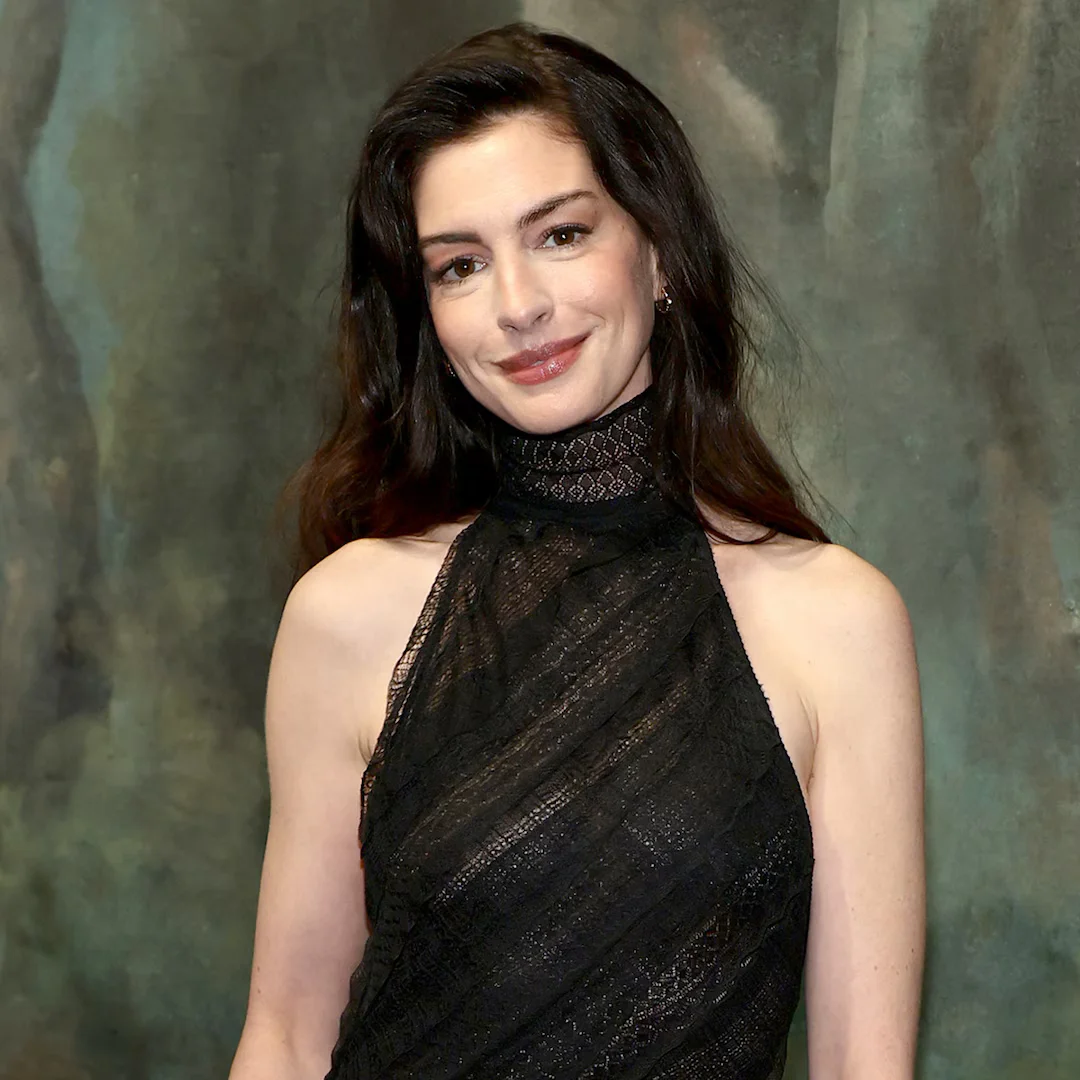
In the upcoming sequel, Andy Sachs returns with a wardrobe that reflects her growth over two decades. Anne Hathaway recently explained to E! Online that Andy's fashion in The Devil Wears Prada 2 is both "stylish and practical," representing how her character has matured while maintaining her identity. Hathaway revealed that Andy's wardrobe evolution was carefully designed to show "where she's been and where she's going," with outfits that balance professional demands with personal comfort.
According to the interview with Stanley Tucci, who reprises his role as Nigel, the fashion in the sequel serves as visual storytelling. "Andy isn't trying to prove anything anymore," Hathaway noted. "She's comfortable in her own skin, and her clothes reflect that confidence." This evolution from the frumpy sweaters of the original film to sophisticated, practical elegance demonstrates how workplace fashion has evolved—and how the franchise continues to comment on those changes. The character's style journey mirrors real-world shifts in office attire, particularly the move toward hybrid styles that blend professional and personal expression.
From Cerulean Sweaters to Power Suits: The Film's Lasting Fashion Legacy
Perhaps no scene in modern film history has done more to explain fashion's influence than Miranda Priestly's "cerulean speech." In what began as a dressing-down of Andy's fashion ignorance, the monologue traced a sweater's journey from runway to discount store, illustrating the trickle-down nature of fashion trends. Vogue Australia recently highlighted how this scene remains required viewing in fashion schools worldwide, serving as a masterclass in how trends develop and spread through society.
The film's impact extends beyond education into actual trend creation. Real Simple identified eight specific trends from The Devil Wears Prada 2 that fashion experts predict will dominate this year, including navy power suits, pleated midi skirts, pinstripe co-ords, and all-white ensembles. These trends reflect the film's ongoing ability to forecast and influence fashion directions. The original film similarly launched trends like the layered necklace look and specific color palettes that dominated mid-2000s fashion.
What We Know About 'The Devil Wears Prada 2'
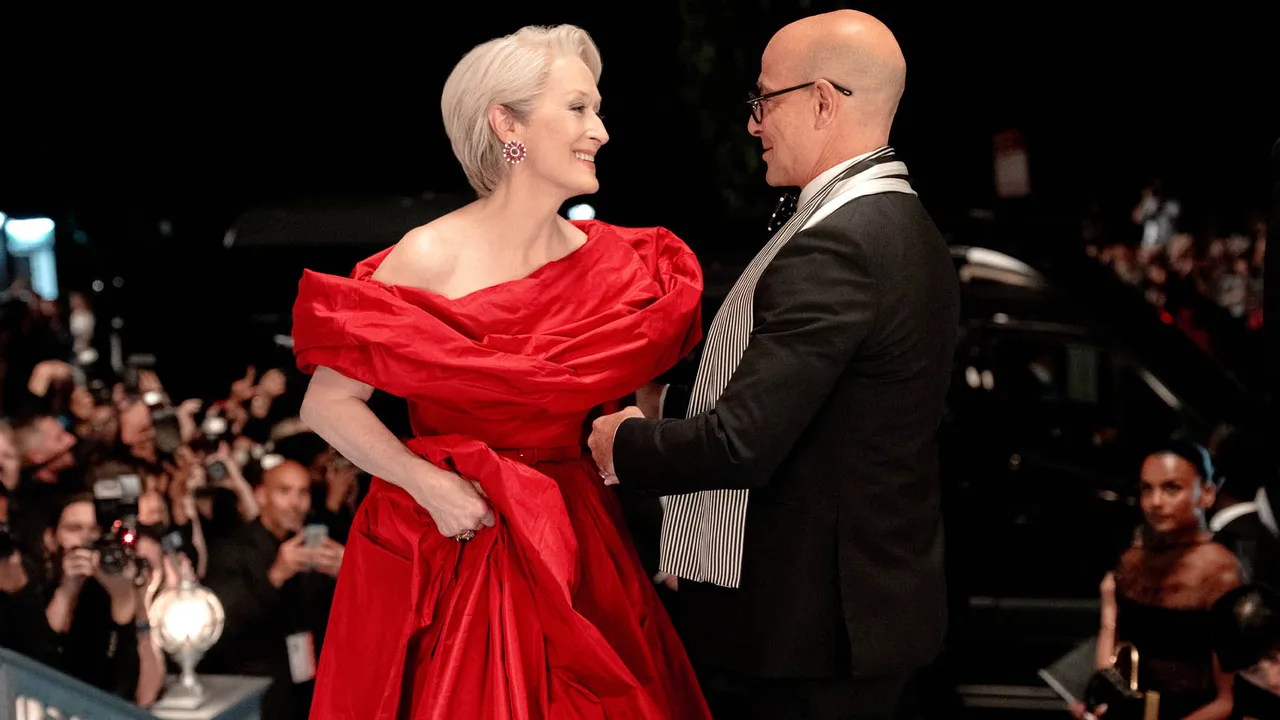
The sequel brings back the original principal cast, with Meryl Streep returning as Miranda Priestly, Anne Hathaway as Andy Sachs, Emily Blunt as Emily Charlton, and Stanley Tucci as Nigel. According to People magazine, production began in June 2025, with David Frankel returning to direct from a screenplay by Aline Brosh McKenna. The plot follows Miranda's struggle to maintain relevance in a digital-first fashion landscape while navigating new professional and personal challenges.
Vogue reports that the film will explore how the fashion industry has transformed since 2006, particularly the impact of social media, sustainability concerns, and changing workplace dynamics. Early promotional materials suggest the sequel maintains the original's sharp critique of fashion culture while updating its perspective for contemporary audiences. With a May 1, 2026 release date confirmed by multiple sources, the film arrives exactly twenty years after the original premiered, offering a unique opportunity to examine how both fashion and film have evolved.
8 Trends from the Sequel Set to Dominate This Year
Fashion analysts have already begun extracting trend forecasts from early looks at The Devil Wears Prada 2. Real Simple's breakdown identifies eight key trends that appear in the film and align with broader fashion directions for the coming year:
- Navy Power Suits: Structured blazers and matching trousers in deep navy replace traditional black for professional settings
- Pleated Midi Skirts: Knee-length skirts with precise pleating offer sophisticated alternatives to pencil skirts
- Pinstripe Co-Ords: Matching sets with subtle pinstripes bridge formal and casual workplace attire
- All-White Ensembles: Monochromatic white outfits signal confidence and clean aesthetic
- Oversized Leather Totes: Practical yet stylish bags large enough for work essentials
- Architectural Heels: Shoes with geometric designs that complement minimalist outfits
- Layered Gold Jewelry: Multiple delicate necklaces and bracelets worn together
- Trench Coat Dressing: Classic trenches styled as both outerwear and statement pieces
These trends reflect the film's continued influence on how professionals approach workplace fashion, particularly the blending of traditional corporate wear with contemporary style elements.
Why This Film Still Shapes Fashion Two Decades Later
The enduring relevance of The Devil Wears Prada stems from its accurate portrayal of fashion's psychological and cultural dimensions. Unlike many fashion films that focus solely on glamour, the franchise explores power dynamics, personal identity, and the economic realities of the industry. Fashion educators frequently use the film to demonstrate concepts like trend forecasting, brand hierarchy, and the relationship between high fashion and mass market.
According to Harper's Bazaar, the film "changed how we view the fashion industry" by demystifying its processes while maintaining its allure. The characters—particularly Miranda Priestly—have become archetypes that professionals recognize in their own workplaces, making the film a shared reference point across industries. This cultural penetration ensures that each new generation discovers the film and applies its lessons to their understanding of fashion and professionalism.
What's Next for the Franchise and Fashion Influence
With the sequel's release approaching, fashion observers anticipate another wave of trend adoption inspired by the film. Early indicators suggest the franchise will continue its educational role, with fashion schools already planning to incorporate both films into their curricula. The Devil Wears Prada 2 arrives at a time when workplace fashion is undergoing significant transformation, with hybrid work arrangements creating new style challenges that the film is positioned to address.
Beyond immediate trends, the franchise's legacy includes shaping expectations for fashion representation in media. Future films about the industry will inevitably be measured against The Devil Wears Prada's standard of authentic, insightful portrayal. As fashion becomes increasingly accessible through digital platforms, the films serve as grounding narratives that explain why certain styles matter and how they evolve from concept to closet.
Key Takeaways: How 'Devil Wears Prada' Continues to Dress the World
The Devil Wears Prada remains essential viewing for anyone interested in fashion's cultural impact. From its iconic explanations of trend development to its portrayal of workplace dynamics, the franchise offers lessons that extend beyond style into professional development and cultural literacy. The upcoming sequel promises to update these lessons for contemporary audiences while maintaining the sharp observation that made the original timeless.
As Anne Hathaway and Anna Wintour demonstrated at the Oscars, the line between the film's fiction and fashion's reality remains deliciously blurred. Whether through Miranda Priestly's memorable monologues or Andy Sachs' evolving wardrobe, The Devil Wears Prada continues to educate, influence, and shape how we understand the clothes we wear and the industry that creates them. Two decades after its debut, the film still answers the question of why fashion matters—and why a cerulean sweater is never just a cerulean sweater.