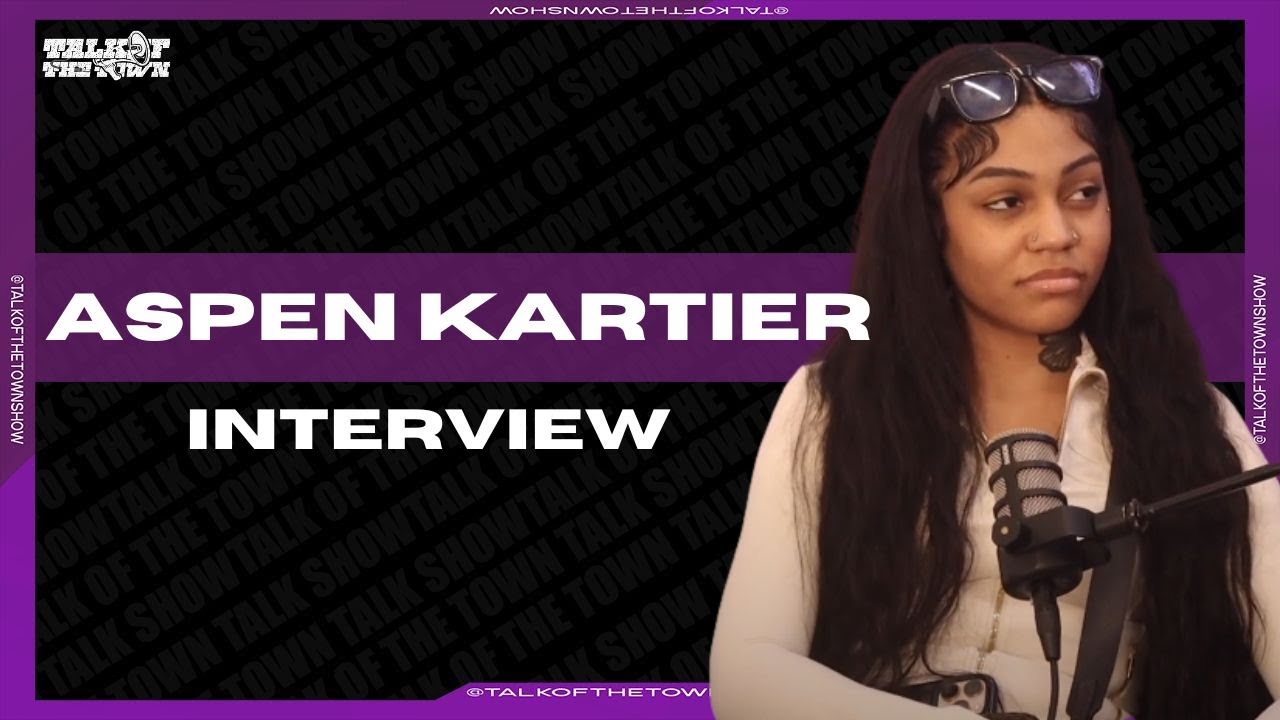
The rapid rise and sudden controversy surrounding Aspen Kartier offers a compelling case study in how quickly social media fame can transform into a crisis for beauty and fashion influencers. At just 19 years old, the Chicago-born rapper and content creator had built a substantial following of over 390,000 fans on TikTok, where she shared beauty inspiration, fashion content, and lip-sync videos that resonated with a generation seeking authentic urban style. However, in late January 2026, her burgeoning career faced its most significant challenge when Twitch issued a ban following disturbing allegations of animal abuse during a livestream—a incident that sparked outrage from animal rights organizations, intense public scrutiny, and important conversations about the responsibilities of content creators in the digital age.

From Chicago Streets to Social Media Stardom: Building a Beauty Brand
Aspen Kartier's journey to social media prominence began in the vibrant but challenging environment of Chicago's drill music scene. Born on March 3, 2006, she joined TikTok in 2020 during the platform's explosive growth phase, quickly recognizing the opportunity to blend her musical aspirations with visual content creation. According to her biography on Famous Birthdays, Kartier became known not just for her tracks like "LA Percs," "Where I'm From," and "Walk Down," but also for her fashion and beauty-related content that showcased a distinctive urban aesthetic. This dual approach—combining musical talent with beauty and style content—represented a modern influencer strategy that many aspiring creators emulate today.
Her success on TikTok demonstrated several key principles of social media influence in the beauty and fashion space. First, authenticity mattered: Kartier's content reflected her genuine Chicago upbringing and personal style. Second, cross-platform presence proved essential—while TikTok served as her primary content hub, she maintained active profiles across Instagram and eventually Twitch, where she began live streaming. Third, she understood niche development, focusing specifically on urban beauty trends and drill culture aesthetics that resonated with a particular demographic. These strategic choices helped her amass a dedicated following that appreciated both her musical talent and her style sensibilities.
The Live Stream That Changed Everything: Understanding the Twitch Ban
In late January 2026, Aspen Kartier's carefully built online presence faced a sudden crisis when clips from one of her Twitch livestreams began circulating on social media platforms. According to multiple news reports including coverage from The Express Tribune and TMZ, the video appeared to show Kartier reacting angrily to her puppy during a broadcast, with the footage suggesting potential mistreatment of the animal. The incident quickly gained traction across X (formerly Twitter), Reddit, and Instagram, where outraged viewers shared the clips and called for action against the streamer.
Twitch's response was swift. The platform issued a ban to Kartier's channel, stating they had taken action after "footage involving her dog began circulating online." While Twitch typically doesn't comment on specific disciplinary cases, their Community Guidelines clearly prohibit content that "depicts, encourages, or coordinates harm towards animals." This incident highlighted the particular vulnerabilities of live streaming compared to pre-recorded content: there are no edits, no second takes, and moments of frustration or poor judgment become permanent parts of the digital record. For beauty and fashion influencers who often cultivate carefully curated images, the unscripted nature of live streaming presents unique risks that many creators underestimate.

Public Outrage and Organizational Response: PETA Enters the Conversation
The viral nature of the incident quickly drew responses beyond social media commentary. People for the Ethical Treatment of Animals (PETA), one of the world's largest animal rights organizations, issued a statement regarding the circulating footage. According to coverage in the Times of India, PETA representatives stated they were "horrified by the video" and emphasized the seriousness of animal abuse allegations. Their involvement transformed what might have remained a social media controversy into a broader public issue with potential legal and advocacy dimensions.
PETA's response demonstrates how social media controversies can escalate when they intersect with established organizational interests. For influencers operating in the beauty and fashion space—industries that often partner with animal welfare organizations or promote cruelty-free products—such conflicts can have particularly damaging consequences. Brands that might have considered partnerships with Kartier would now need to consider not just the controversy itself, but the organized opposition from groups like PETA. This dynamic illustrates why many influencer management agencies now include crisis communication planning as a standard part of their services, preparing for scenarios where personal conduct clashes with organizational values.
Denial and Damage Control: The Influencer's Response Strategy
Following the ban and widespread criticism, Aspen Kartier took to social media to address the allegations. According to AOL's coverage, she denied the animal abuse claims, presenting an alternative narrative about the incident. Her response strategy followed several patterns common to influencer crisis management: immediate engagement (rather than silence), platform-specific messaging (using Instagram and TikTok where her core audience resided), and direct address of the allegations rather than vague statements.
However, the effectiveness of such responses depends heavily on pre-existing audience relationships and credibility. For beauty and fashion influencers whose brands are built on authenticity and relatability, allegations that contradict their cultivated image can be particularly damaging. Followers who connected with Kartier's content as a reflection of her genuine personality might feel betrayed by the allegations, regardless of their veracity. This trust dynamic explains why some influencers successfully navigate controversies while others see permanent damage to their brands—the foundation of audience trust determines how much benefit of the doubt an influencer receives during crises.
Broader Implications for Beauty and Fashion Influencers
The Aspen Kartier case offers several important lessons for content creators in the beauty and fashion space, particularly those considering or already engaged in live streaming:
- Live streaming requires different risk calculations: Unlike pre-recorded content that can be edited and reviewed, live broadcasts offer no safety net. Influencers must consider not just their planned content but potential unscripted moments that could be misinterpreted or captured without context.
- Personal conduct intersects with professional brand: For beauty influencers who often share aspects of their personal lives as part of their brand appeal, the line between private behavior and public persona becomes blurred. Actions that might be considered private for others become part of the influencer's marketable identity.
- Crisis planning is essential, not optional: The rapid escalation of the Kartier incident—from Twitch clip to platform ban to organizational condemnation—demonstrates how quickly social media controversies can spiral. Influencers need prepared response strategies rather than reactive approaches.
- Platform diversification matters: While Twitch served as a secondary platform for Kartier, the ban there impacted her broader online presence. Influencers should consider how controversies on one platform might affect their standing on others, and develop strategies to maintain audience connection across multiple channels.
- Animal-related content requires particular care: Given strong public sentiments and organized advocacy around animal welfare, content involving pets or animals demands extra consideration and clear demonstration of proper care and treatment.
Navigating the Future: Lessons for Aspiring Content Creators
For emerging beauty and fashion influencers, the Aspen Kartier situation provides valuable insights into building sustainable careers in the social media landscape. First, success requires more than just content creation skills—it demands an understanding of platform policies, audience expectations, and crisis management. Second, authenticity must be balanced with professionalism, recognizing that personal moments shared online become part of a public brand. Third, diversification across platforms and content types can provide stability when challenges arise on one channel.
Perhaps most importantly, the case highlights the evolving responsibilities of social media influencers. As their audiences grow and their cultural influence increases, so does their accountability for both their content and their conduct. This doesn't mean influencers must lead flawless lives—authenticity remains valuable—but rather that they should develop the self-awareness and strategic thinking to navigate the complex terrain of digital fame.
The Road Ahead: Recovery and Reinvention Possibilities
As the immediate controversy begins to settle, questions remain about Aspen Kartier's path forward. History shows that social media influencers can sometimes recover from controversies through genuine accountability, demonstrated growth, and strategic rebranding. The process typically involves several stages: initial response, period of reflection, demonstration of change, and gradual reintroduction to public discourse. For beauty and fashion influencers, this might include partnerships with relevant organizations, content that addresses lessons learned, or shifts in content focus that align with demonstrated personal growth.
Whether Kartier successfully navigates this process will depend on multiple factors: her ability to maintain connection with her core audience during the controversy, the sincerity and effectiveness of her response to the allegations, and her capacity to evolve her content strategy in ways that address the concerns raised. For observers of influencer culture, her journey will offer continued insights into the resilience—or fragility—of digital fame in an era where every moment can be captured, shared, and scrutinized by a global audience.
Ultimately, the Aspen Kartier case serves as a powerful reminder that social media influence carries both opportunity and responsibility. For beauty and fashion creators seeking to build lasting careers, success requires not just an understanding of trends and algorithms, but also of ethics, crisis management, and the delicate balance between personal authenticity and public accountability. As the digital landscape continues to evolve, these lessons will only become more essential for anyone hoping to turn social media presence into sustainable professional practice.