
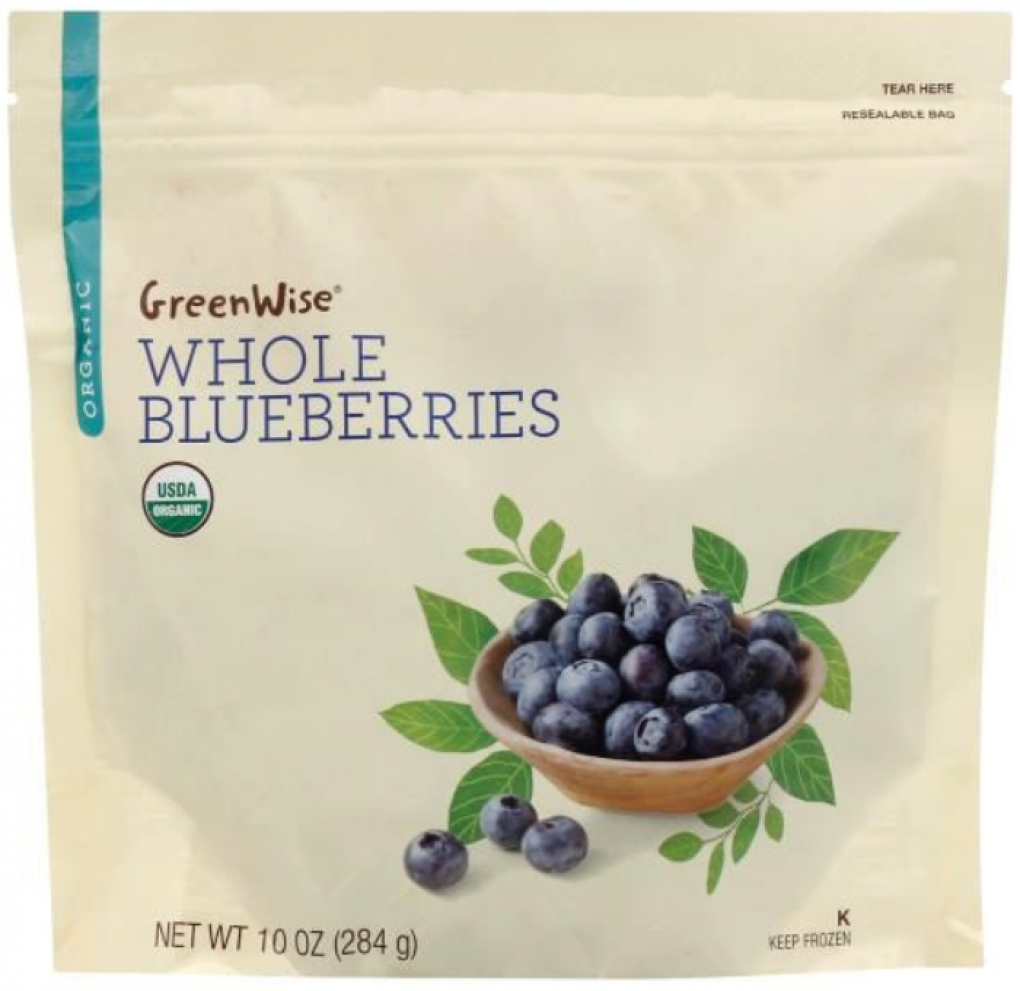
Health officials are urging households across the Southeast to check their freezers after a multistate E. coli O145:H28 outbreak linked to frozen organic blueberries sickened at least 12 people and sent four to the hospital. The blueberry recall — centered on GreenWise-brand frozen berries sold at Publix stores in eight states — has climbed to the U.S. Food and Drug Administration's highest health-risk classification as investigators trace the contamination to a frozen-fruit supplier in Chile.
Beyond the breaking-news headlines, the case is a practical, step-by-step lesson in how food recalls work, why frozen fruit can carry bacteria, and what to do the moment a recalled product turns up in your kitchen. Here's what you need to know.
What Sparked the Blueberry Recall: E. coli in the Freezer Aisle
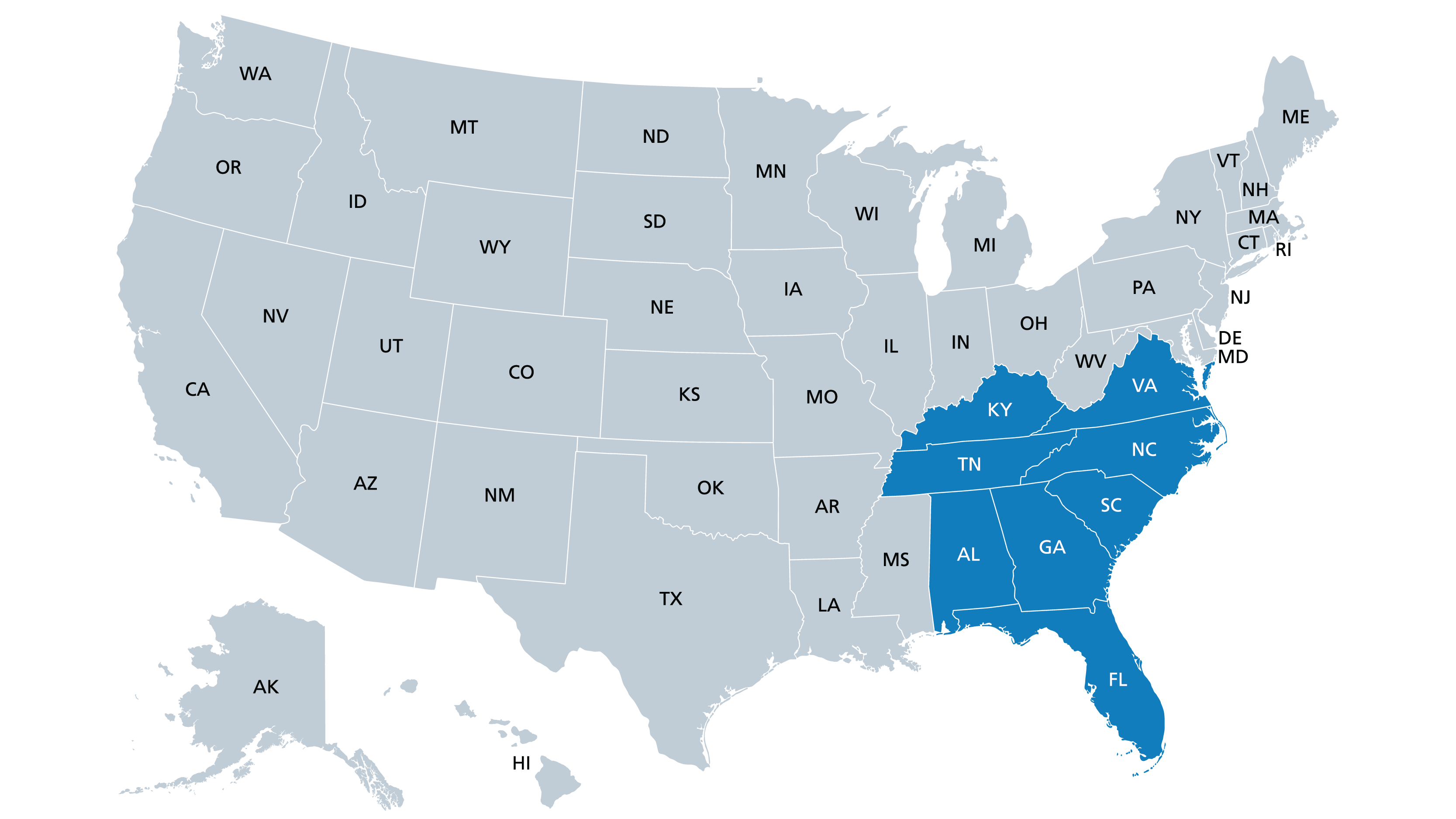
The FDA and the Centers for Disease Control and Prevention (CDC) are jointly investigating illnesses linked to frozen GreenWise-brand organic blueberries distributed by Frutas y Hortalizas del Sur S.A., a company based in San Carlos, Chile. The berries — sold under Publix's GreenWise private label — were shipped to stores in Alabama, Florida, Georgia, Kentucky, North Carolina, South Carolina, Tennessee, and Virginia.
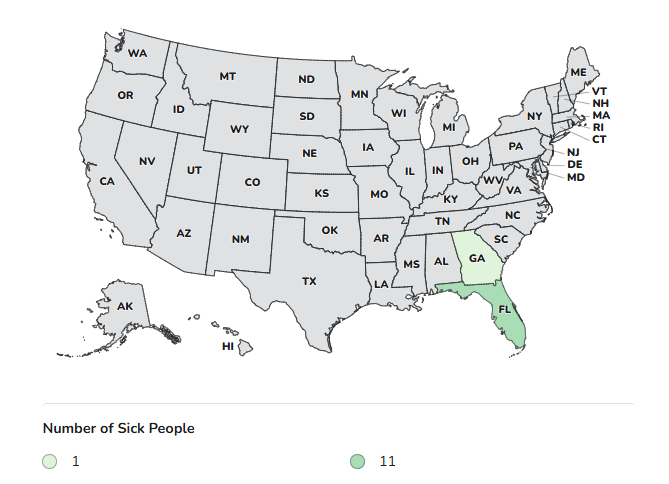
As of the latest federal update, officials have confirmed 12 illnesses, four hospitalizations, and no deaths. Cases have been reported in two states: Florida accounts for the majority of infections, with Georgia reporting one. The most recent illness onset was June 5, 2026.
Interviews with people who became sick helped pinpoint the likely culprit. According to the FDA, seven of nine people interviewed (78%) reported eating frozen blueberries before falling ill, and five specifically named GreenWise-brand organic frozen blueberries purchased from Publix.
Timeline: How the Blueberry Outbreak Unfolded
The investigation moved quickly once health officials spotted a pattern. On July 1, 2026, the Florida Department of Health notified CDC partners about a cluster of E. coli O145 illnesses. Based on interviews, frozen GreenWise-brand organic blueberries sold at Publix emerged as the leading food item of interest.
In response, Publix immediately placed an internal stop sale on the frozen berries. On July 3, 2026, the supplier, Frutas y Hortalizas del Sur S.A., recalled a single lot of its 10-ounce GreenWise-brand organic blueberries with lot code 60401 (printed on packages as 6 040 01) and a "Best By" date of February 9, 2028.
Then, on July 29, 2026, Publix expanded the action by recalling all lots of GreenWise Organic Frozen Whole Blueberries and Whole Mixed Berries. The FDA formally published its outbreak investigation the following day, July 30, 2026. On August 19, 2026, the recall was escalated to a Class I designation — the FDA's most serious category, reserved for products with a reasonable probability of causing serious health consequences or death.
Why E. coli in Frozen Berries Matters — and How a Recall Works
E. coli O145:H28 is a Shiga toxin-producing strain of Escherichia coli, a group of bacteria that can cause severe foodborne illness. Symptoms typically begin three to four days after swallowing the bacteria and include severe stomach cramps, diarrhea that is often bloody, and vomiting. Most people recover within five to seven days without treatment, but some — particularly young children, older adults, and people with weakened immune systems — can develop hemolytic uremic syndrome (HUS), a life-threatening form of kidney failure.
Frozen berries can be an unexpected vehicle for these bacteria. Unlike fresh produce that is often rinsed before eating, frozen fruit is frequently eaten uncooked or blended into smoothies without a final heating step that would kill pathogens. Because freezing does not eliminate E. coli, contaminated berries can remain a risk until they are discarded or thoroughly cooked.
Food recalls themselves follow a structured process. In the U.S., the FDA classifies recalls into three tiers. A Class I recall — the level assigned to these blueberries — means there is a reasonable probability that use of the product will cause serious adverse health consequences or death. Class II involves products that may cause temporary or medically reversible health problems, while Class III covers products unlikely to cause harm but that violate labeling or manufacturing regulations.
The recall also illustrates how a supplier-level problem can ripple outward. The July 3 recall from the Chilean supplier initially covered only one lot of 10-ounce blueberries. But after the FDA reviewed the firm's records and identified concerns about at least one additional lot used in other frozen GreenWise products, Publix broadened the recall to cover all lots of both the blueberries and the mixed-berry blends.
Where the Blueberry Recall Stands Now
The recall covers four specific products, all sold under the GreenWise Organic label:
- GreenWise Organic Whole Blueberries, 10-ounce, UPC 41415-06453
- GreenWise Organic Whole Blueberries, 48-ounce, UPC 41415-12053
- GreenWise Organic Whole Mixed Berries, 10-ounce, UPC 41415-06753
- GreenWise Organic Whole Mixed Berries, 48-ounce, UPC 41415-12153
The CDC and FDA advise consumers to check freezers for any recalled berries and to throw them away or return them to the place of purchase for a full refund. If you froze berries without their original packaging and cannot tell whether they are part of the recall, throw them out. Health officials also recommend washing any items, containers, and surfaces that may have touched the recalled berries with hot, soapy water or in the dishwasher.
Anyone who ate the recalled berries and develops symptoms should contact a healthcare provider — especially if they experience bloody diarrhea, a fever higher than 102°F, diarrhea lasting more than three days, or signs of dehydration such as dizziness or reduced urination.
What Happens Next: The Road Ahead for the Investigation
The outbreak remains under investigation, and the FDA says the source of the contamination has not yet been definitively identified. As part of its probe, the FDA conducted a remote regulatory assessment of the Chilean supplier and added its frozen blueberries to Import Alert 99-35, meaning future shipments can be detained at the U.S. border without physical examination until the company resolves the conditions that led to the contamination.
Because the investigation is ongoing, the FDA warns that additional products could be added to the advisory as new information emerges. Consumers and retailers should continue to monitor federal recall updates and treat any GreenWise-brand frozen berry products from the affected window with caution.
Blueberry Recall at a Glance: Key Takeaways
- An E. coli O145:H28 outbreak linked to GreenWise-brand frozen organic blueberries has sickened 12 people and hospitalized four, with no reported deaths.
- The recalled products were sold at Publix stores in eight states: Alabama, Florida, Georgia, Kentucky, North Carolina, South Carolina, Tennessee, and Virginia.
- Publix recalled all lots of GreenWise Organic Frozen Whole Blueberries and Whole Mixed Berries on July 29, 2026, following an earlier single-lot recall on July 3.
- The recall was upgraded to a Class I designation — the FDA's highest risk level — on August 19, 2026.
- Consumers should throw away or return recalled berries, sanitize surfaces they touched, and seek medical care for severe symptoms such as bloody diarrhea or dehydration.