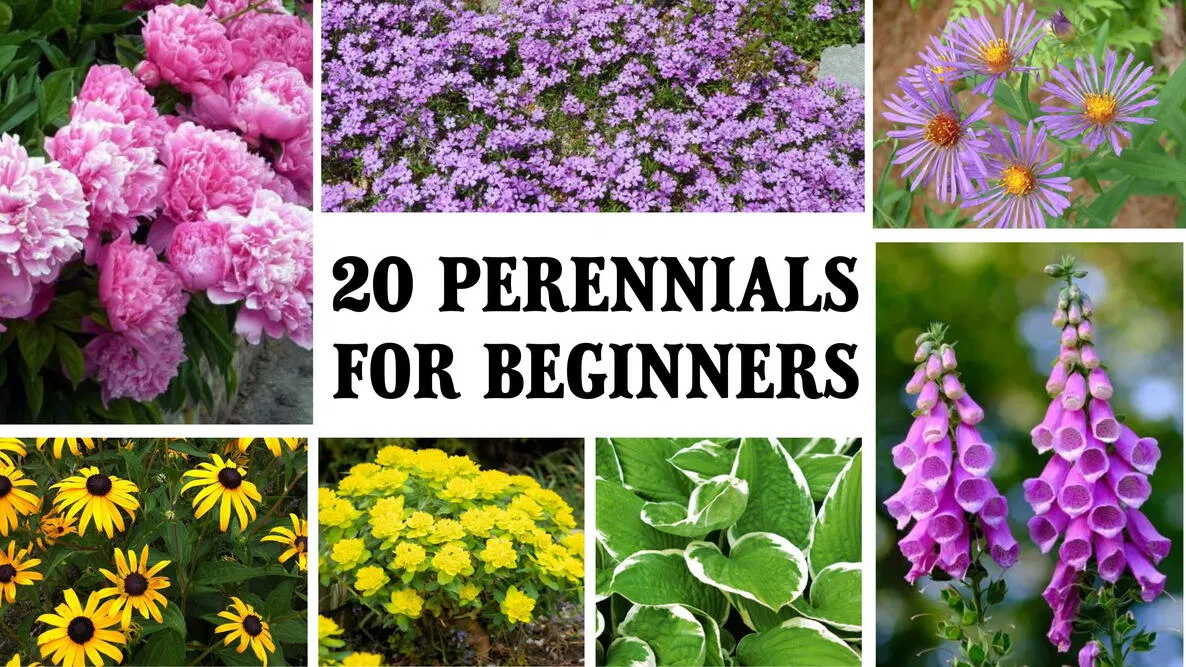
If you've ever wanted a garden that comes back to life each year with minimal replanting, perennials are your answer. These reliable plants live for multiple growing seasons, forming the backbone of flower beds and borders across the world. Unlike annuals that complete their life cycle in a single season and need replanting every spring, perennials establish deep root systems and return year after year, often growing larger and more impressive with each passing season. Whether you're a first-time gardener or a seasoned green thumb, understanding perennials is the key to creating a low-maintenance, long-lasting garden that delivers beauty season after season.
What Are Perennials? Understanding the Basics
Perennials are plants that live for more than two years. In gardening terms, the word typically refers to herbaceous plants that die back to the ground in autumn and regrow from their root systems each spring. However, the category also includes evergreen perennials that keep their leaves year-round and woody perennials that develop sturdy stems.
According to the Royal Horticultural Society, perennials "come in all shapes and sizes and fill our gardens with colourful flowers and ornamental foliage." There are several distinct types to know:
- Herbaceous perennials — These die back to the ground in late autumn, with the roots surviving winter to re-sprout each spring. Examples include delphiniums, hardy geraniums, and hostas.
- Evergreen perennials — These keep their leaves for most or all of the year. Bergenia, epimediums, and hellebores are popular evergreen options.
- Woody perennials — While most shrubs fall into this category, some smaller-growing perennials develop woody stems, such as lavender and certain salvias.
- Hardy perennials — These tolerate low temperatures and can be planted outside year-round. Cranesbill geraniums and phlox are classic examples.
- Half-hardy and tender perennials — These need winter protection, such as dahlias and gazanias, which require digging up and storing in frost-free conditions over winter.
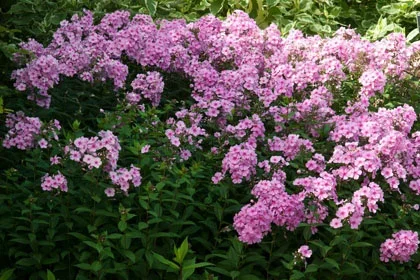
As BBC Gardeners' World Magazine explains, "Perennials are the stalwarts of our garden borders, providing colourful garden flowers, year after year." Unlike annuals that flower, set seed, and die within 12 months, perennials invest their energy into developing strong root systems that sustain them for many years. This fundamental difference makes them the structural foundation of any well-planned garden.
When to Plant Perennials for Best Results
Timing matters when planting perennials. The consensus among gardening experts is clear: spring and fall are the optimal seasons. The RHS recommends planting perennials "in spring (March to early May) or autumn (late September to October), while the ground is moist." This gives plants time to establish their root systems before facing the extremes of summer heat or winter cold.
The Almanac elaborates: "You can plant a perennial any time, but the best times are fall and spring. This allows the plant to get well established before winter or before a hot, dry summer. We prefer fall because the soil is already warmed."
For spring planting, wait until after the last frost date in your area. Many perennials take 8 to 10 weeks to reach a good size and can be transplanted on or after the last frost date. For fall planting, the Iowa State University Extension advises allowing "at least 4 to 6 weeks before the ground freezes for the plants to become established."
Summer planting is possible but comes with challenges. You'll need to water frequently, as hot weather can stress newly transplanted perennials before their roots have had time to spread.
How to Plant Perennials: A Step-by-Step Guide
Proper planting technique sets your perennials up for years of success. Here's how to do it right, based on expert recommendations from multiple sources:
Soil Preparation
In their book Essential Perennials, authors Ruth Rogers Clausen and Thomas Christopher emphasize: "With perennials, extra care must be taken to prepare the soil well and thoroughly before planting." Start by determining your soil type. Most perennials grow best in well-drained soil with good fertility and a pH of 6.0 to 7.0, notes Penn State Extension.
To test drainage, dig a 12x12x12 inch hole and fill it with water. If it drains within 1 to 4 hours, you have well-draining soil. Improve drainage by incorporating organic matter such as shredded leaves, compost, or aged manure.
Planting Process
- Dig a hole at least twice as wide as the container or root ball, but no deeper than the soil in the container.
- Gently remove the plant from its container and loosen any circling roots.
- Place the plant in the hole at the same depth it was growing in its container — planting too deeply can cause poor growth or flowering.
- Backfill with the original soil and firm gently around the plant with your hands.
- Water thoroughly immediately after planting to settle the soil and eliminate air pockets.
- Apply a 2- to 3-inch layer of mulch around the plant, keeping it away from the crown and stems to prevent rot.
Essential Perennial Care and Maintenance
One of the greatest advantages of perennials is that they require less work than annuals over time, since they don't need replacing every year. However, they do benefit from regular care to perform at their best.
Watering
The first year is critical. As a general rule, newly planted perennials need about 1 inch of water per week while establishing. Water shallow and more frequently for the first month, then transition to deeper, less frequent watering to encourage deep root growth. The best time to water is in the morning, and always water at the base of the plant to avoid wetting foliage, which can lead to disease.
Dividing
Many perennials benefit from division every 3 to 5 years. Dividing keeps plants vigorous, controls their size, and gives you new plants for free. Spring or fall are ideal times for division, depending on the variety.
Deadheading and Pruning
Removing spent flowers (deadheading) encourages many perennials to produce more blooms and keeps plants looking tidy. Some perennials need cutting back once or twice a year, while others should be cut to the ground in late autumn or early spring.
Fertilizing
To keep perennials healthy enough to grow for years, some may require regular fertilizer applications during the growing season, while others need just a single spring feeding. A slow-release fertilizer applied at planting gives young plants a strong start.
Best Perennial Plants for Beginners
If you're new to perennial gardening, start with proven performers that are low-maintenance and forgiving. The Almanac recommends these easy-to-grow favorites:
- Black-eyed Susans (Rudbeckia hirta) — Cheerful golden daisy-like flowers with dark centers, blooming from late summer into fall. Native and incredibly tough.
- Purple Coneflowers (Echinacea purpurea) — Long-lasting lavender flowers that attract butterflies and hummingbirds. Blooms from midsummer to early fall.
- Daylilies (Hemerocallis) — The workhorses of the garden, thriving in full sun to partial shade. Some varieties like 'Stella de Oro' bloom all summer.
- Hostas — Grown for their stunning foliage in shades from dark green to chartreuse to blue, often with variegation. Perfect for shade gardens.
- Peonies (Paeonia) — Among the longest-lived perennials, producing huge, showy blooms in pink, white, red, and peach. Can thrive for decades in the same spot.
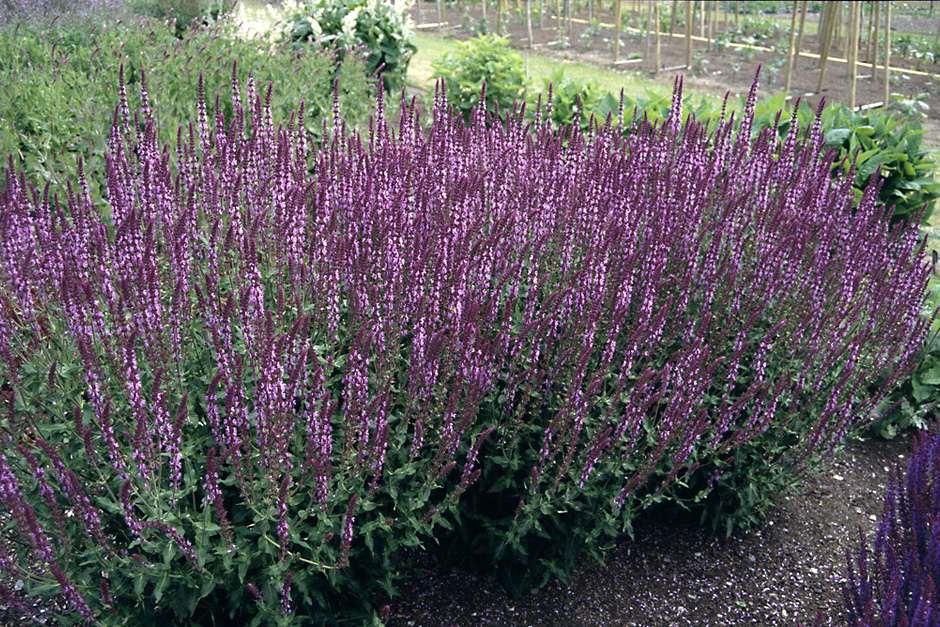
- Salvia — Long-blooming flowers that attract hummingbirds and butterflies. Many varieties stay compact enough for front-of-border use.
Designing Your Perennial Garden
Creating a stunning perennial garden involves more than just picking pretty flowers. Start by assessing your site — consider sun exposure, soil type, drainage, and wind patterns. As Garden Design notes, there are perennials for "virtually any garden need," from full-sun spots to deep shade.
For a long-lasting display, combine early-season bloomers with mid- and late-season varieties. Mix heights and textures, placing taller plants at the back of borders and shorter ones at the front. Planting in odd-numbered groups of three, five, or seven creates a more natural look than single specimens.
Remember that different plants thrive in different conditions. The RHS emphasizes: "There are perennials to suit any style and size of garden. There are options for all soil types and growing conditions." Match your plants to your specific conditions for the greatest success.
Common Questions About Perennials
Do perennials bloom all year?
Most perennials have defined bloom seasons — spring, summer, or fall. By selecting a mix of early-, mid-, and late-season bloomers, you can have flowers in your garden from early spring through the first frost.
How long do perennials live?
Lifespan varies widely by species. Some perennials like lupines may live only 3-5 years, while peonies and goat's beard can thrive for 50 years or more in the right conditions.
Can perennials grow in pots?
Yes! Many compact perennials grow beautifully in containers. However, potted perennials need extra winter protection since their roots are more exposed to cold temperatures than those planted in the ground.
The Bottom Line: Key Points to Remember
- Perennials are plants that live for multiple years, returning each season from their root systems.
- Plant in spring or fall for best results, giving roots time to establish before extreme weather.
- Prepare soil well with organic matter, plant at the correct depth, and water consistently during the first year.
- Start with easy, reliable varieties like black-eyed Susans, daylilies, coneflowers, and hostas.
- Combine different bloom times, heights, and colors for a garden that looks beautiful throughout the growing season.
- With minimal care, perennials reward you with years of beauty, making them one of the best investments you can make in your garden.