With their distinctive three-leaf clover foliage and rich cultural history, shamrock plants have become beloved houseplants and garden additions worldwide. Often associated with St. Patrick's Day and Irish heritage, these charming plants—most commonly species in the Oxalis genus—offer more than just symbolic value. They're surprisingly easy to grow indoors and out, producing delicate flowers and colorful foliage that can brighten any space. Whether you're looking to add a touch of green to your home or understand the plant behind the legend, learning about shamrock care opens up a world of gardening possibilities.
What Exactly Is a Shamrock Plant?
The term "shamrock" can be confusing because it refers to several different plants with three-leaflet (trifoliate) leaves. In Ireland, surveys have shown that about half of people consider lesser clover (Trifolium dubium) to be the true shamrock, while one-third refer to white clover (Trifolium repens) as shamrock. However, in the United States and many other countries, the shamrock commonly grown as a houseplant belongs to the Oxalis genus, particularly Oxalis triangularis. These plants are native to South America and South Africa, not Ireland, but they've become the popular potted shamrocks sold around St. Patrick's Day.
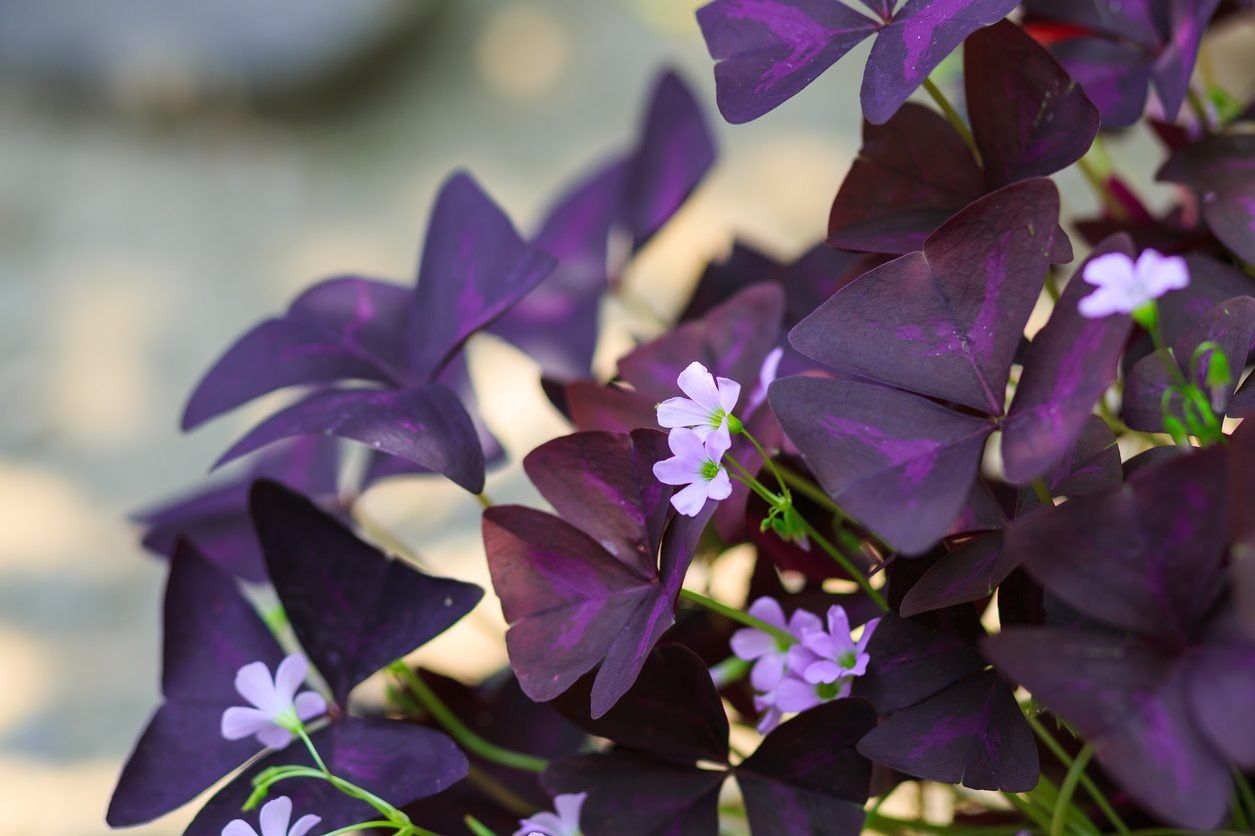
Oxalis shamrocks are grown primarily for their attractive foliage, which comes in shades of green or deep purple, but they also produce delicate flowers in white, lavender, pink, or yellow when given proper care. One fascinating characteristic of some Oxalis species is their nyctinastic movement—the leaves close at night and reopen in the morning, adding dynamic interest to these already charming plants.
The Ideal Growing Conditions for Healthy Shamrocks
Shamrock plants thrive in specific conditions that mimic their native habitats. For light requirements, they prefer bright, indirect sunlight. According to Iowa State University Extension, shamrocks do best in locations with cool night temperatures (around 60°F) and warm days (around 70-75°F). BBC Gardeners World recommends maintaining temperatures between 15-21°C (59-70°F) and avoiding drafts and wide temperature fluctuations, which can stress the plants.
When it comes to soil, well-draining mix is essential. The Spruce advises using fertile, well-draining soil with a slightly acidic pH, and garden plants benefit from compost added to the soil. Wisconsin Horticulture emphasizes keeping the soil "barely moist, but not wet," noting that most types can tolerate slight drying between waterings. This balance is crucial because overwatering leads to root rot, while underwatering causes wilting and leaf drop.
Step-by-Step Care Guide for Shamrock Plants
Proper watering technique makes all the difference for shamrock health. Water when the top inch of soil feels dry to the touch, and always empty any drainage saucer after watering to prevent root rot. During the growing season (spring through fall), fertilize monthly with a balanced, water-soluble fertilizer diluted to half strength. As A Natural Curiosity explains, ample light allows the plants to produce foliage without becoming leggy, so rotate your plant occasionally for even growth.
Shamrocks have a natural dormancy period, usually in summer. When leaves begin to yellow and die back, reduce watering significantly and allow the plant to rest. Don't discard it—this is a normal cycle. After 2-3 months, resume regular watering and the plant will produce new growth. This dormancy period is why Easy to Grow Bulbs recommends planting oxalis bulbs in spring, aligning with their natural growth cycle.
Solving Common Shamrock Problems
Yellow leaves are the most frequent issue shamrock owners encounter. According to gardening experts, this usually indicates overwatering, which leads to root rot. If leaves are yellow and the soil feels soggy, allow the plant to dry out completely before watering again, and consider repotting in fresh, well-draining soil if root rot is severe. Conversely, if leaves are crispy and brown at the edges, the plant likely needs more water or higher humidity.
Pests can occasionally bother shamrocks, with mealybugs, aphids, and spider mites being the most common. Treat infestations promptly with insecticidal soap or neem oil, ensuring you cover both tops and bottoms of leaves. For fungal issues like powdery mildew, improve air circulation and avoid getting water on the leaves when watering.
When and How to Plant Shamrocks
The best time to plant shamrock bulbs (corms) is in spring, after all danger of frost has passed. Garden Design notes that foliage typically emerges 3-4 weeks after planting, with flowers appearing shortly after. For outdoor planting, choose a location with well-drained soil and plenty of sunlight—though in hot climates, afternoon shade is beneficial. Plant bulbs about 1-2 inches deep and 3-4 inches apart, with the narrow end facing up.
For container planting, select a pot with drainage holes and use quality potting mix. Shamrocks actually perform best when slightly pot-bound, so don't rush to repot unless the plant has clearly outgrown its container. When dividing plants for propagation, do so in autumn when new shoots appear, gently separating the tubers and replanting them in fresh soil.
The Cultural Significance of the Humble Shamrock
Beyond its horticultural appeal, the shamrock holds deep cultural meaning. According to TIME magazine, Irish legend says Saint Patrick used the shamrock as an educational symbol to explain the Holy Trinity to nonbelievers as he converted the Irish to Christianity. The three leaves representing the Father, Son, and Holy Spirit made complex theology accessible through a familiar plant.
This association made the shamrock an enduring symbol of Ireland itself. Britannica explains that the plant has been used as a national symbol since the 18th century, representing Irish pride, unity, and resistance during various historical periods. Today, wearing shamrock on St. Patrick's Day (March 17th) remains a proud tradition both in Ireland and among the Irish diaspora worldwide.
Bringing the Luck of the Irish to Your Home
Shamrock plants offer the perfect combination of beauty, simplicity, and meaning. Whether you choose the common green varieties or the striking purple Oxalis triangularis, these plants reward basic care with months of attractive foliage and occasional delicate blooms. Their cultural history adds depth to their appeal, making them thoughtful gifts for St. Patrick's Day or any occasion.
Remember that shamrocks are more than just seasonal decorations—with proper care, they can become long-lived houseplants that return year after year. By providing the right balance of light, water, and temperature, and understanding their natural dormancy cycles, you can enjoy these charming plants far beyond March. As both a gardening success and a living piece of cultural heritage, the shamrock plant truly offers something special for every green thumb.