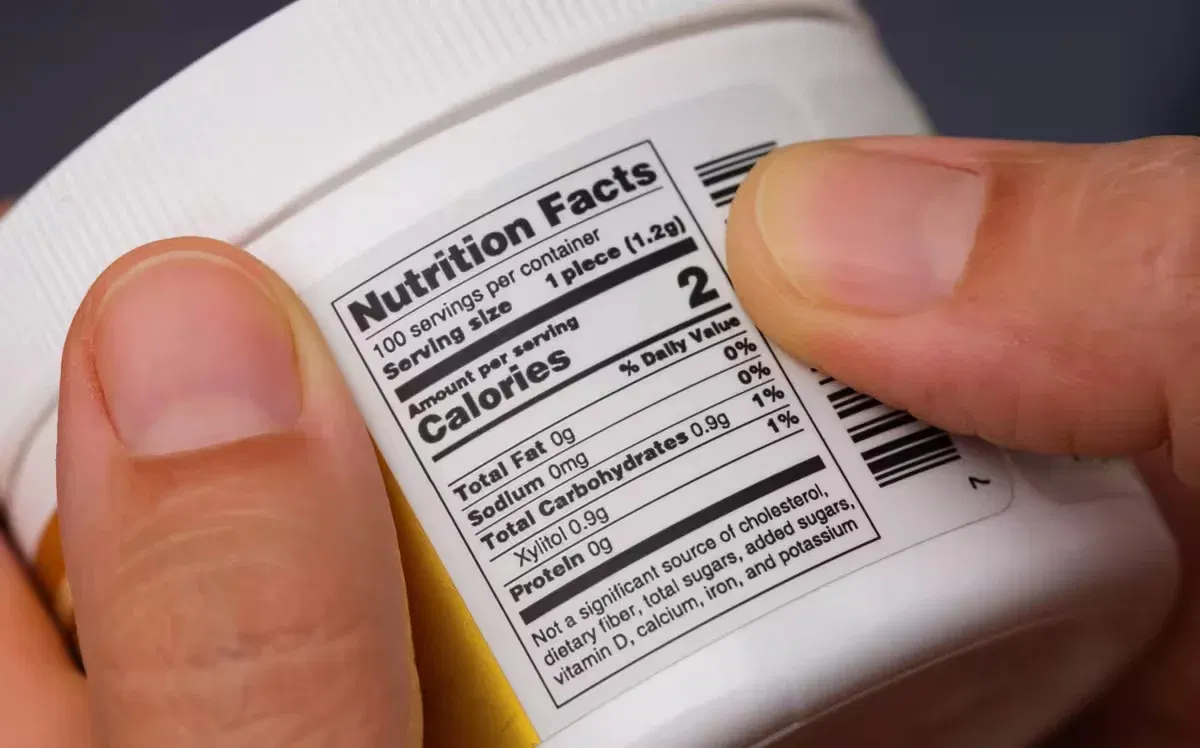
Xylitol, a zero-calorie sugar substitute found in sugar-free gum, candies, baked goods and even toothpaste, is under new scrutiny after a Cleveland Clinic-led study linked higher amounts of the sweetener to an increased risk of cardiovascular events such as heart attack and stroke. The research, published in the European Heart Journal, found that people with the highest levels of xylitol in their blood were far more likely to experience a cardiovascular event over a three-year period. The findings add to a growing body of evidence questioning the long-held assumption that sugar alcohols — a family of low-calorie sweeteners that includes xylitol — are a harmless swap for sugar. Here is what the study actually found, how xylitol affects the body, and what it means for the sugar-free products in your pantry.
What Xylitol Is and Why It's Now Being Questioned
Xylitol is a type of sugar alcohol, a family of carbohydrate-based sweeteners with a chemical structure similar to sugar. Despite the name, sugar alcohols contain neither ethanol (drinking alcohol) nor table sugar. They occur naturally in some foods in very small amounts, but the xylitol found in packaged products is almost always manufactured.
Food makers use xylitol and other sugar alcohols to sweeten products while cutting calories. Because these compounds stimulate the tongue's sweet taste buds without causing a big spike in blood sugar, they are commonly marketed in products labeled "sugar-free," "low-carb," "keto-friendly" or "diabetes-friendly." You will most often find xylitol in sugar-free chewing gum, mints, candies, desserts and baked goods, as well as in oral care products like toothpaste and mouthwash.
For years, xylitol has been regarded as a safe part of a balanced diet. But that assumption is now being re-examined. "Our studies show that elevated blood levels of xylitol contribute to heightened platelet reactivity and are associated with an enhanced risk for cardiovascular events, like heart attacks and strokes," said physician-scientist Stanley Hazen, MD, PhD, the senior author of the study and chair of Cardiovascular and Metabolic Sciences at Cleveland Clinic's Lerner Research Institute.
Inside the Study: What the Researchers Discovered
The research team, led by Dr. Hazen, examined more than 3,000 patients in the U.S. and Europe and found that higher levels of circulating xylitol were associated with an elevated three-year risk of cardiovascular events. In fact, a third of patients with the highest amount of xylitol in their blood plasma were more likely to experience a cardiovascular event.
To confirm the association was more than a coincidence, the team then ran pre-clinical laboratory tests, which showed that xylitol caused platelets — the blood cells responsible for clotting — to clump together and clot, heightening the risk of thrombosis (a dangerous blood clot). In a separate clinical intervention, researchers tracked platelet activity in people who drank a xylitol-sweetened beverage versus a glucose-sweetened drink. Every measure of clotting ability significantly increased immediately after the xylitol drink — but not after the glucose drink.
"This study again shows the immediate need for investigating sugar alcohols and artificial sweeteners, especially as they continue to be recommended in combatting conditions like obesity or diabetes," Dr. Hazen said.
Timeline: How the Sugar Alcohol Story Developed
The xylitol findings did not emerge in isolation. They are part of an ongoing investigation into why some people develop heart disease even after managing traditional risk factors.
- February 2023: The same Cleveland Clinic research team publishes a study linking erythritol, another common sugar alcohol, to higher rates of heart attack and stroke.
- June 6, 2024: The new xylitol study is published in the European Heart Journal, confirming a similar association for xylitol through patient data, lab research and a clinical intervention.
- June 7, 2024: Cleveland Clinic's patient-facing health experts publish guidance clarifying that the risk applies to xylitol consumed in food — not to xylitol in toothpaste and other oral care products.
Why the Findings Matter for Your Heart
Xylitol and other sugar alcohols have become increasingly common in processed foods promoted as "healthy alternatives" over the past decade. Because they don't raise blood sugar the way table sugar does, they have been widely recommended for people with diabetes or those following keto or low-carb diets.
The new research challenges part of that reasoning. While xylitol may still help with blood sugar control and calorie reduction, the study suggests that consuming high levels of it could promote blood clotting — a key driver of heart attacks and strokes. Importantly, the authors stress that the clinical observation studies demonstrate association, not causation, and that further studies assessing the long-term cardiovascular safety of xylitol are warranted.
Dr. Hazen was careful to put the risk in perspective. "It does not mean throw out your toothpaste if it has xylitol in it," he said, "but we should be aware that consumption of a product containing high levels could increase the risk of blood clot related events."
Where Things Stand Now
For now, the guidance from Cleveland Clinic is nuanced: there is no danger in the small amounts of xylitol found in toothpaste, mouthwash and other oral care products, which you generally don't swallow in meaningful quantities. The concern centers on regularly eating and drinking processed foods that contain high levels of xylitol.
Adding to the challenge, food manufacturers are not always required to list sugar alcohols on packaging. Under FDA guidelines, sugar alcohol content only needs to appear on a nutrition label if a claim is made about sugar alcohols or sugar — meaning xylitol can lurk in foods without you realizing it. Even when a food says it contains sugar alcohol, it won't necessarily state which one.
Registered dietitian Tegan Bissell, RD, LD, summed up the shifting perspective: "Sugar alcohols may have a slight influence on your blood sugars, but overall, they've long been thought to be safe to include as part of a balanced diet. New research shows that that might not be as true as we once thought, though."
What You Can Do and What Comes Next
If you're concerned about xylitol, the most practical step is to read ingredient labels. Xylitol is listed by name, and sugar alcohols are also often grouped under "sugar alcohols" on nutrition facts panels. Experts recommend talking to your doctor or a certified dietitian for personalized advice, especially if you have existing cardiovascular risk factors, diabetes or other metabolic conditions.
Dr. Hazen's advice is to practice moderation. "I would argue sugar or honey are actually better alternatives, even for people with diabetes," he said, while cautioning that anyone with diabetes must stay vigilant about blood glucose levels. Even better, he suggests, is satisfying a sweet tooth with natural sources of sugar like fruits, which are less likely to spike blood sugar and come with vitamins and minerals.
On the research front, Dr. Hazen is calling for a broader rethink of how artificial sweeteners are regulated. "This is a health concern on a population scale," he emphasized. "I hope this research and future studies will trigger a reappraisal of the regulatory guidelines around artificial sweeteners. We need more research on this topic so we can make sure we're not inadvertently having people reach for something that they think is a healthy choice if it's not."
The Bottom Line: Key Points to Remember
- Xylitol is a zero-calorie sugar alcohol used in sugar-free gum, candies, baked goods and toothpaste.
- A Cleveland Clinic study of more than 3,000 patients linked higher blood levels of xylitol to a greater three-year risk of heart attack and stroke.
- Lab and clinical tests showed xylitol increases platelet reactivity and blood clotting, while glucose does not.
- The risk is tied to consuming high levels in food and drinks — not to xylitol in toothpaste and mouthwash.
- More long-term studies are needed, and experts recommend reading labels and consulting your doctor or dietitian.