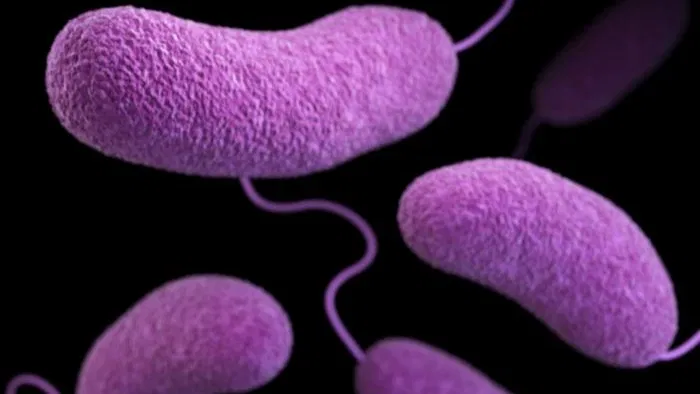
Vibrio vulnificus — often called the "flesh-eating bacteria" in headlines — is a naturally occurring microorganism that lives in warm coastal waters, and it has a particularly strong presence along the Gulf Coast, including Louisiana's extensive shoreline. While infections are rare, they can be devastating: the CDC reports that about 1 in 5 people who contract a Vibrio vulnificus infection die, sometimes within just 24 to 48 hours of becoming ill. Understanding what this bacteria is, where it comes from, and how to protect yourself has never been more important for anyone living near or visiting the Gulf Coast.
What Exactly Is Vibrio Vulnificus and Where Is It Found?
Vibrio vulnificus belongs to a family of gram-negative bacteria that naturally inhabit marine environments. It is what scientists call a halophile — literally "salt-loving" — which means it thrives in the brackish waters where freshwater rivers meet the salty ocean. Louisiana's unique geography, with the Mississippi River delta emptying into the Gulf of Mexico, creates ideal conditions for these bacteria to flourish.
The CDC notes that Vibrio bacteria are found in higher concentrations between May and October, when water temperatures are at their warmest. This seasonal pattern is especially relevant for Louisiana, where summer water temperatures regularly climb into the 80s Fahrenheit. About a dozen species of Vibrio can cause illness in humans — collectively called vibriosis — but Vibrio vulnificus is by far the most dangerous. While other species like Vibrio parahaemolyticus typically cause milder gastrointestinal illness, V. vulnificus can trigger rapidly progressing, life-threatening systemic infections.

How Do People Get Infected? Two Main Routes
There are two primary ways Vibrio vulnificus enters the human body, and both are directly relevant to Louisiana's culture and economy. The first and most common route is through the consumption of raw or undercooked shellfish — particularly oysters. Louisiana is one of the nation's largest oyster producers, and raw oyster consumption is deeply embedded in local cuisine. When oysters filter-feed in Vibrio-containing waters, the bacteria concentrate in their tissues. Eating them raw bypasses the heat that would otherwise kill the bacteria.
The CDC estimates that approximately 52,000 of the 80,000 annual vibriosis cases in the United States result from eating contaminated food. The second route of infection is through open wounds. When someone with a cut, scrape, insect bite, or even a recent tattoo or piercing enters coastal waters, Vibrio vulnificus can enter directly through the break in the skin. This wound infection pathway is particularly dangerous because it can progress to necrotizing fasciitis — the flesh-destroying condition that generates alarming headlines. People who fish, crab, shrimp, or simply wade in Gulf waters with any skin break are at risk.
Symptoms to Watch For: Why Speed Matters
What makes Vibrio vulnificus particularly frightening is the speed at which it acts. According to Cleveland Clinic infectious disease specialists, symptoms typically appear within 24 hours of exposure. For gastrointestinal cases, the signs include watery diarrhea, stomach cramps, nausea, vomiting, fever, and chills. These may resemble a bad case of food poisoning — but for those with underlying risk factors, the infection can rapidly escalate.
Wound infections present differently and more dramatically. The area around the wound becomes red, swollen, and intensely painful. Within hours, large fluid-filled blisters can appear on the skin, and the tissue may begin to die and turn dark. Systemic symptoms include fever, dangerously low blood pressure, confusion, and a racing heart rate. Dr. experts at the Cleveland Clinic warn: "Go to the emergency room immediately if you have symptoms of a Vibrio vulnificus infection." When the bacteria enter the bloodstream, they can cause septic shock — a condition where blood pressure drops so low that organs begin to fail. At this stage, intensive care, limb amputation, and even death become real possibilities.
Who Is Most at Risk? Key Risk Factors You Should Know
Not everyone exposed to Vibrio vulnificus will develop severe illness. The CDC and Cleveland Clinic identify several groups at dramatically elevated risk. People with liver disease — including cirrhosis, hepatitis, and alcoholic liver disease — face the highest danger. The liver plays a critical role in filtering bacteria from the blood, and an impaired liver simply cannot keep up with a Vibrio infection. Other high-risk conditions include hemochromatosis (iron overload disorder), chronic kidney failure, and diabetes. Any condition that weakens the immune system — whether from medication, cancer treatment, or HIV — also significantly increases vulnerability.
Interestingly, men are statistically more likely to develop serious Vibrio vulnificus infections than women, though experts are not entirely sure why. Age also plays a role: people over 40, and especially over 60, face higher complication and mortality rates. For those with any of these risk factors, even a small exposure to raw seafood or seawater can have catastrophic consequences. The CDC is clear: people in high-risk groups should never eat raw shellfish and should avoid exposing open wounds to coastal waters entirely.
How Is Vibrio Vulnificus Diagnosed and Treated?
Diagnosis typically involves culturing samples of blood, stool, wound fluid, or sputum in a laboratory to identify the presence of Vibrio bacteria. Because the infection progresses so quickly, healthcare providers often begin treatment before lab results come back — especially if a patient reports recent raw seafood consumption or seawater exposure. Time is the critical factor in survival.
Treatment centers on aggressive antibiotic therapy. The most commonly prescribed antibiotics include doxycycline, ceftazidime, cefotaxime, and ciprofloxacin. But antibiotics alone are often not enough. Patients with wound infections frequently require surgical debridement — a procedure where dead and infected tissue is surgically removed to stop the spread of the infection. In severe cases, when the infection has destroyed too much tissue, amputation of the affected limb may be necessary to save the patient's life. Supportive care is equally important: IV fluids for dehydration and shock, medications like norepinephrine to raise dangerously low blood pressure, and oxygen therapy for patients struggling to breathe. The combination of early antibiotics, aggressive wound care, and intensive supportive treatment offers the best chance of survival.
Prevention: Practical Steps to Stay Safe on the Gulf Coast
Preventing a Vibrio vulnificus infection requires awareness and simple precautions. The single most effective measure is to avoid eating raw or undercooked shellfish. The CDC emphasizes that cooking seafood thoroughly — until the shells open and then continuing to cook for several more minutes — kills Vibrio bacteria. Cross-contamination is also a concern: raw seafood juices should never come in contact with other foods, and hands should be washed thoroughly with soap and water after handling raw shellfish.
For wound prevention, the guidance is straightforward: if you have any open wound — including cuts, scrapes, burns, insect bites, or recent piercings or tattoos — stay out of coastal waters. If you do enter the water and sustain an injury, wash the wound immediately with soap and clean water and monitor it closely for any signs of infection. People in high-risk groups should be especially vigilant. The CDC also recommends wearing protective footwear when walking in shallow coastal waters or on beaches where shells or rocks could cause cuts. During Louisiana's warmest months — May through October — these precautions are especially important, as Vibrio concentrations peak during this period.
The Bigger Picture: Why Louisiana Is Particularly Vulnerable
Louisiana occupies a unique position when it comes to Vibrio vulnificus risk. The state has over 7,700 miles of coastal shoreline — more than any other Gulf state — and its vast network of bayous, marshes, and estuaries creates extensive brackish water habitat where Vibrio thrives. The Mississippi River delivers nutrient-rich freshwater that mixes with Gulf saltwater, producing perfect conditions for bacterial growth across a wide geographic area.
Louisiana's economy intensifies the human-bacteria interface. The state's oyster industry is a multi-million-dollar enterprise, and raw oyster consumption is a cultural tradition. The commercial and recreational fishing industries put thousands of workers in direct contact with coastal waters daily. Hurricane storm surges and coastal flooding events — increasingly common in Louisiana — can push Vibrio-containing waters into areas where people are wading through floodwater with inevitable cuts and scrapes. Climate change adds another layer of concern: as Gulf waters warm, the Vibrio season extends longer, and the bacteria's geographic range may expand northward along the Atlantic coast. What was once primarily a Gulf Coast concern is increasingly relevant to coastal communities nationwide.
Key Takeaways: What to Remember About Vibrio Vulnificus
- Vibrio vulnificus is a naturally occurring bacteria in warm, brackish coastal waters — especially common along Louisiana's Gulf Coast from May through October
- Infection occurs through eating raw/undercooked shellfish (especially oysters) or when seawater enters an open wound
- Symptoms escalate within 24 hours — fever, chills, blistering skin lesions, and dangerously low blood pressure are red flags requiring immediate emergency care
- About 1 in 5 people with V. vulnificus infection die, making rapid medical treatment absolutely essential
- People with liver disease, diabetes, kidney failure, or compromised immune systems face the highest risk and should avoid raw shellfish and seawater exposure with open wounds entirely
- Prevention is straightforward: cook shellfish thoroughly, protect wounds from seawater, and seek immediate medical care if symptoms develop after coastal exposure