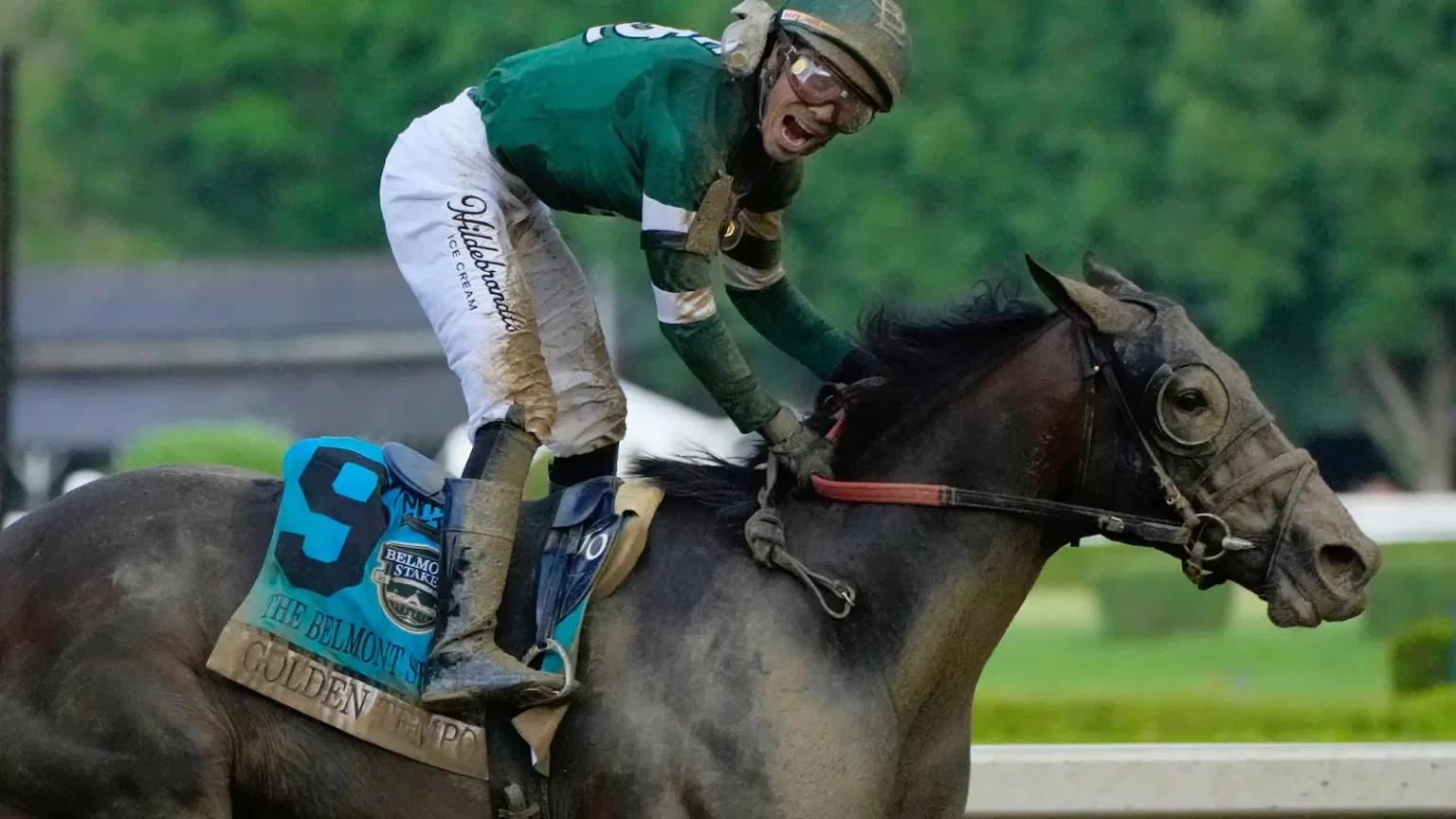
On June 6, 2026, Kentucky Derby winner Golden Tempo charged down the stretch at Saratoga Race Course to capture the 158th running of the Belmont Stakes, completing a rare Derby-Belmont double and etching his name into horse racing history. But what exactly is the Belmont Stakes, and why does this race — the oldest and longest of America's Triple Crown events — hold such a special place in the world of thoroughbred racing? Whether you're a casual fan trying to understand the buzz or a newcomer to the sport, here's everything you need to know about the legendary "Test of the Champion."
The Test of the Champion: What Makes the Belmont Stakes Unique
The Belmont Stakes is an American Grade I stakes race for three-year-old thoroughbreds, serving as the traditional third and final leg of the Triple Crown — following the Kentucky Derby and the Preakness Stakes. First run in 1867, it is the oldest of the three classic races and predates even the Kentucky Derby by eight years. Its nickname, "The Test of the Champion," comes from its grueling distance: traditionally 1.5 miles (12 furlongs), making it the longest of all Triple Crown races. That extra half-mile compared to the Kentucky Derby demands exceptional stamina, and the race has a reputation for separating good horses from great ones.
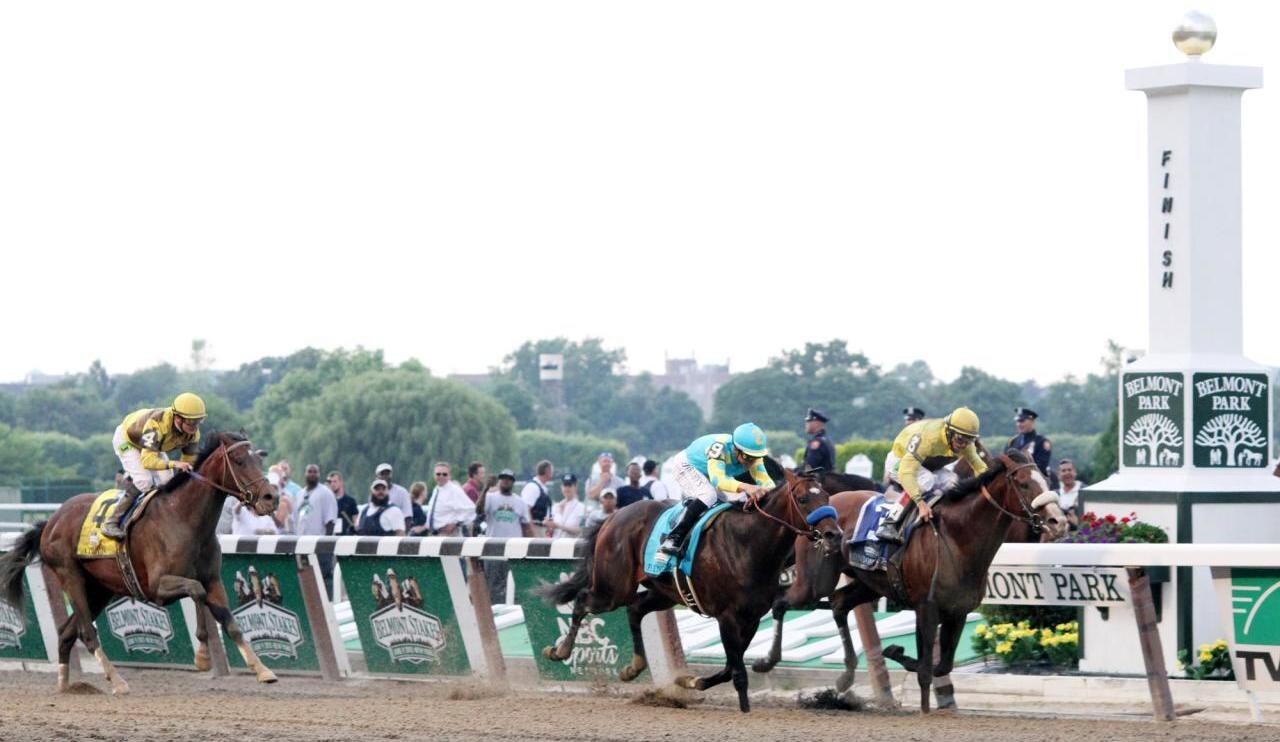
The race takes place annually in early June, typically five weeks after the Kentucky Derby and three weeks after the Preakness Stakes. Colts and geldings carry 126 pounds (57 kg), while fillies carry 121 pounds (55 kg). The race has a $2 million purse and is run on dirt over a left-handed track. The 2026 edition, however, featured a notable change: due to the temporary relocation to Saratoga Race Course while Belmont Park undergoes major renovations, the distance was shortened to 1.25 miles — matching the Kentucky Derby distance — because Saratoga's main track configuration cannot accommodate the traditional 1.5-mile distance. This marked only the fourth time in the race's history that the distance has deviated from its classic length.
From 1867 to 2026: The History of the Belmont Stakes
The first Belmont Stakes was held on June 19, 1867, at Jerome Park Racetrack in the Bronx, a track built by stock market speculator Leonard Jerome and financed by August Belmont Sr., the financier, diplomat, and sportsman for whom the race was named. Appropriately, the very first winner was a filly named Ruthless, who defeated a field of colts to claim the inaugural prize. The following year, the colt General Duke won, setting the stage for what would become America's oldest stakes race.
Over its long history, the Belmont has been run at five different racetracks: Jerome Park (1867–1889), Morris Park (1890–1904), Belmont Park (1905–1962, 1968–2025), Aqueduct (1963–1967), and most recently Saratoga (2026). The race moved to its current home, Belmont Park in Elmont, New York, in 1905, where it has been held for the vast majority of its existence. The venue's large, sweeping turns and long homestretch earned it the nickname "The Championship Track" because nearly every major American champion in racing history has competed there.
The Triple Crown Connection: Where the Belmont Fits
The Belmont Stakes forms the third and final jewel of the American Triple Crown alongside the Kentucky Derby and the Preakness Stakes. A horse that wins all three races achieves racing immortality as a Triple Crown champion. In the race's 158-year history, only 13 horses have accomplished this feat: Sir Barton (1919), Gallant Fox (1930), Omaha (1935), War Admiral (1937), Whirlaway (1941), Count Fleet (1943), Assault (1946), Citation (1948), Secretariat (1973), Seattle Slew (1977), Affirmed (1978), American Pharoah (2015), and Justify (2018).
The most famous of these is Secretariat, whose 1973 Belmont Stakes victory is widely considered one of the greatest performances in sports history. Secretariat won by an astonishing 31 lengths and set a world record for 1.5 miles on dirt with a time of 2:24 — a record that still stands today. His time is so legendary that the race caller's famous words — "He is moving like a tremendous machine!" — remain etched in the memory of racing fans.
When a horse enters the Belmont with a chance to win the Triple Crown — meaning they've already won the Kentucky Derby and Preakness — the event becomes a major cultural moment. The 2004 Belmont Stakes, when Smarty Jones attempted the Triple Crown, drew a television audience of 21.9 million viewers, the highest since Seattle Slew's Triple Crown win in 1977. The anticipation, the pressure, and the grueling distance combine to create what many consider the most dramatic day in American horse racing.
Traditions: Carnations, Trophy, and Song
The Belmont Stakes is rich with traditions that set it apart from the other Triple Crown races. Perhaps the most iconic is the "Blanket of Carnations" — the winning horse is draped in a blanket of white carnations, giving the race its third nickname, "The Run for the Carnations." The tradition dates back decades and provides one of the most famous images in sports: the victorious thoroughbred adorned in white flowers in the winner's circle.
The trophy, known as the August Belmont Trophy, is a silver bowl crafted by noted silversmiths and has been presented to the winning owner annually since 1926. The official song of the Belmont Stakes is "Sidewalks of New York," a nostalgic tune that captures the race's deep connection to New York City and State. There's also an official drink — the Belmont Breeze — a cocktail created specifically for the event that blends bourbon, sherry, and citrus flavors.
2026 Belmont Stakes: Golden Tempo Makes History
The 158th Belmont Stakes on June 6, 2026, was historic for several reasons. Held at Saratoga Race Course for the first time in the race's history, it marked a temporary relocation while Belmont Park undergoes a massive reconstruction project. The race drew a field of nine horses and carried a $2 million purse. The morning-line favorite was Renegade, who had finished second in the Kentucky Derby, but it was Golden Tempo — the Derby winner who had skipped the Preakness Stakes — who prevailed.
Ridden by jockey Jose Ortiz and trained by Cherie DeVaux, Golden Tempo surged late to capture the victory, adding a Belmont Stakes win to his earlier Kentucky Derby triumph. The win was especially meaningful for DeVaux, who made history earlier in the year as the first-ever female trainer to win the Kentucky Derby with Golden Tempo. By skipping the Preakness and winning the Belmont, Golden Tempo followed a strategy that some of racing's greatest horses have employed — conserving energy for the longer, more demanding race.
What the Future Holds for the Belmont Stakes
The Belmont Stakes is scheduled to return to its historic home at Belmont Park in 2027, following the completion of renovations. The traditional 1.5-mile distance will also return once the race moves back, restoring what many purists consider the true "Test of the Champion." The race will continue its role as the final and most demanding leg of the Triple Crown, with the 2027 edition tentatively set for June 5. For Golden Tempo, the question now turns to whether he can continue his dominance and perhaps be remembered among the greats — even if the Triple Crown itself eluded him by way of the skipped Preakness.
Key Takeaways: Everything to Know About the Belmont Stakes
- What it is: The Belmont Stakes is the oldest and longest of the three Triple Crown races, a Grade I stakes race for three-year-old thoroughbreds.
- Distance: Traditionally 1.5 miles (12 furlongs), though shortened to 1.25 miles for the 2026 running at Saratoga.
- Founded: 1867 at Jerome Park Racetrack, named after August Belmont Sr.
- Nicknames: "The Test of the Champion," "The Run for the Carnations," "The Third Jewel of the Triple Crown."
- 2026 Winner: Golden Tempo, ridden by Jose Ortiz and trained by Cherie DeVaux.
- Legendary Moment: Secretariat's 31-length victory and world record of 2:24 (1973) remains the race's defining performance.
- Triple Crown: Only 13 horses in history have won all three Triple Crown races, with the Belmont serving as the final, decisive leg.