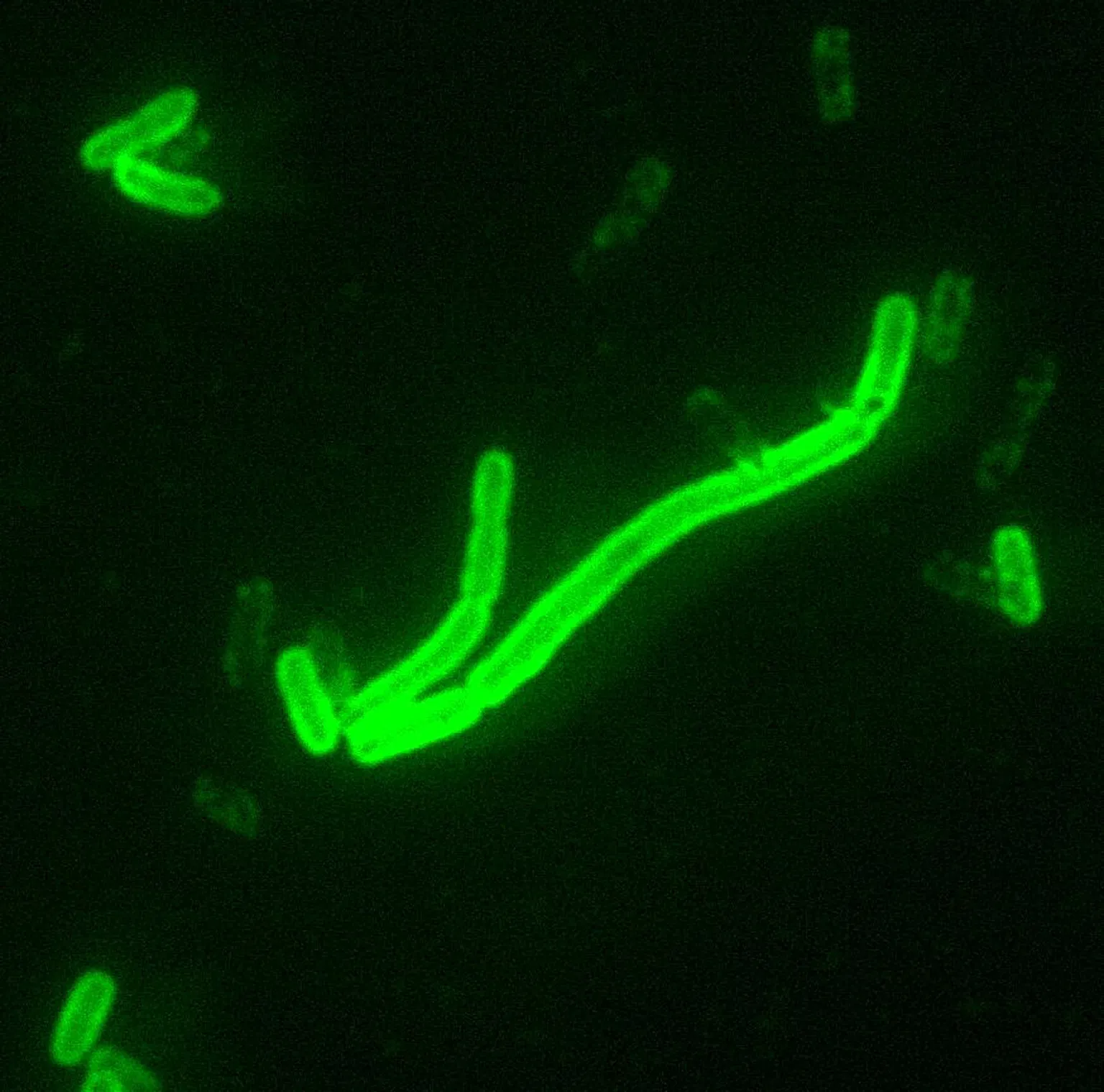
Pneumonic plague — the rarest and most lethal form of a disease that once wiped out much of Europe — is back in global headlines after a laboratory worker in Siberia died from a suspected infection, triggering quarantine measures across Russia's Irkutsk region. With health authorities in Europe and the United States monitoring the situation "very closely," many people are asking a simple question: what exactly is pneumonic plague, and how worried should we be? Here is a clear, factual guide to the disease — its causes, symptoms, treatment, and how modern medicine has made it both frightening and highly treatable.
What Is Pneumonic Plague, and Why Is It So Dangerous?
Pneumonic plague is a severe, rapidly progressing lung infection caused by the bacterium Yersinia pestis. It is one of the three main forms of plague, alongside bubonic plague and septicemic plague. Bubonic plague — the classic "Black Death" — is the most common form and typically follows the bite of an infected flea. Pneumonic plague develops when the same bacteria invade the lungs, and it is considered the most dangerous form because it can kill within a day and is the only type that spreads directly from person to person.
There are two ways the lung form develops. Primary pneumonic plague occurs when a person inhales Y. pestis in respiratory droplets. Secondary pneumonic plague happens when untreated bubonic or septicemic plague spreads through the bloodstream to the lungs. The World Health Organization warns that pneumonic plague "can be fatal within 18 to 24 hours" of symptom onset without prompt treatment, which is why it ranks among the most serious infectious diseases known to medicine.
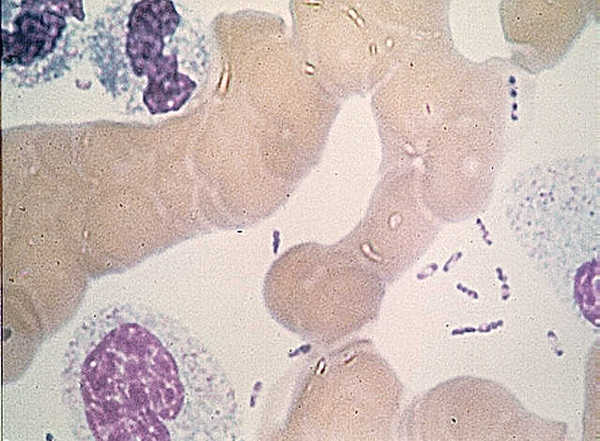
How the Plague Bacterium Reaches the Lungs
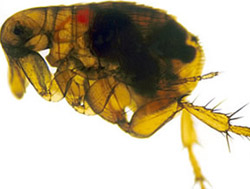
Yersinia pestis lives naturally in wild rodent populations and is carried between animals by fleas. Most human plague cases begin with a flea bite, which is why bubonic plague produces swollen, painful lymph nodes called "buboes." Pneumonic plague, however, takes a different route into the body: the bacteria are inhaled.
A person can develop primary pneumonic plague by breathing in infectious droplets coughed or sneezed out by someone who already has the lung infection, or by inhaling contaminated material while handling infected animals, carcasses, or — as appears to be the case in Russia — laboratory samples. The U.S. Centers for Disease Control and Prevention notes that this kind of spread typically requires "direct and close contact." Once inside the lungs, the bacteria multiply quickly and trigger a severe pneumonia.
Symptoms That Demand Immediate Care
The incubation period for pneumonic plague is remarkably short — usually one to three days after inhaling the bacteria, and sometimes as little as 24 hours. Symptoms often resemble a fast-moving flu or pneumonia at first, then worsen rapidly. According to the CDC, a person with pneumonic plague develops fever, headache, weakness, and rapidly progressing pneumonia with shortness of breath, chest pain, and a cough that may bring up bloody or watery sputum.
That speed is what makes the disease so perilous. Because early signs can mimic other respiratory infections, and because the illness escalates within hours, doctors stress that anyone with a plausible exposure who develops these symptoms should seek medical care immediately rather than waiting to see if they improve.
Treatment: Why Timing Is Everything
The encouraging news is that pneumonic plague is treatable with antibiotics — if they are given early enough. Standard treatments include streptomycin, gentamicin, fluoroquinolones such as ciprofloxacin and levofloxacin, and tetracyclines such as doxycycline, typically given for 10 to 14 days. The WHO says recovery rates are high when the disease is diagnosed and treated promptly, ideally within 24 hours of symptoms beginning.
The stakes could hardly be higher. Untreated pneumonic plague is almost always fatal, with historic estimates putting mortality near 100%. With timely antibiotic treatment, survival climbs above 90%. That dramatic gap is why public-health responses focus so intensely on identifying exposed people quickly and starting preventive antibiotics before symptoms ever appear.
Inside the Russia Lab Case That Raised Global Alarm
The current concern stems from events in Irkutsk, a city in eastern Siberia. On September 25, 2026, a 28-year-old technician at the Irkutsk Anti-Plague Research Institute — identified in local and independent media as Daria Shipilova — reportedly broke a test tube containing live Yersinia pestis while handling samples. She fell ill and died between October 1 and October 2. Russian health authorities initially described her death as caused by "pneumonia of unknown etiology," phrasing that frustrated international observers, even as the watchdog Rospotrebnadzor insisted the situation remained stable.
In response, officials placed nearly 200 people under medical observation — reports range from 189 to 197 contacts — and several hospitals in Irkutsk were closed for a three-week quarantine. The European Commission said it was monitoring the suspected outbreak "very closely," and the U.S. State Department confirmed it was "aware of reports of a fatal case of suspected pneumonic plague in Irkutsk oblast" and urged Moscow to share accurate information. As of early October, no additional confirmed cases had been announced.
How Plague Is Prevented — and What Comes Next
There is no widely available vaccine that reliably protects against pneumonic plague, so prevention relies on other measures. Health agencies recommend avoiding contact with infected people and animals, wearing properly fitted masks when close contact is unavoidable, and — crucially — giving a seven-day course of preventive antibiotics to anyone who has been exposed. This approach, known as chemoprophylaxis, is exactly what authorities appear to be applying to the nearly 200 contacts in Irkutsk.
Experts broadly expect the Russia situation to remain contained. Plague has never fully disappeared — roughly 1,000 to 2,000 cases are reported worldwide each year, with only an average of seven in the United States — but modern antibiotics, rapid contact tracing, and quarantine measures make a repeat of the 14th-century Black Death, which killed up to 50 million people, extraordinarily unlikely today. The key, health officials stress, is speed and transparency.
Key Takeaways
- Pneumonic plague is a fast-moving lung infection caused by Yersinia pestis, and it is the only form of plague that spreads person-to-person.
- Symptoms — fever, weakness, cough, chest pain, and bloody sputum — can appear within one to three days and worsen within hours.
- Untreated, pneumonic plague is almost always fatal; treated early with antibiotics, survival exceeds 90%.
- The current Russia alert began when a lab worker reportedly broke a vial of live bacteria and later died, with nearly 200 contacts now under observation.
- Prevention focuses on avoiding exposure, wearing masks, and giving close contacts a seven-day preventive antibiotic course.