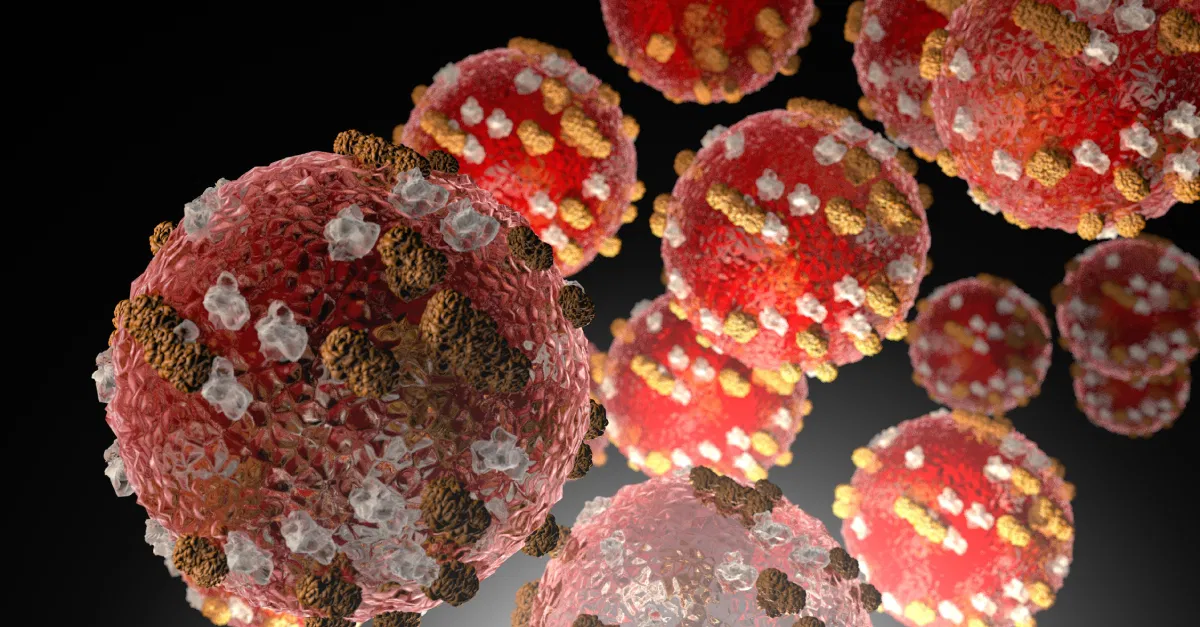
Measles is one of the most contagious diseases known to science — a viral infection that spreads through the air and can trigger serious, sometimes life-threatening complications, especially in babies and young children. If a single infected person walks into a room, up to 9 out of 10 unvaccinated people nearby can catch the virus. The reassuring news is that measles is almost entirely preventable. Here is a clear, factual look at what measles is, the signs to watch for, how it spreads, and how to protect yourself and your family.
What Exactly Is Measles?
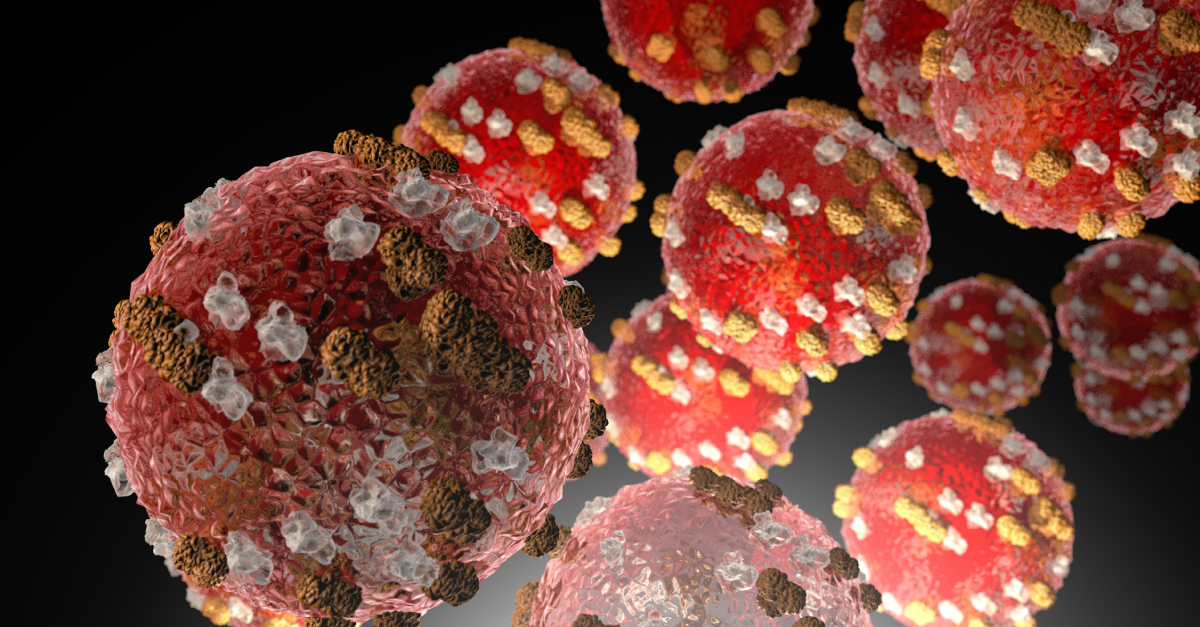
Measles, also called rubeola, is a highly contagious illness caused by a virus that infects the respiratory tract and then spreads through the body. Some people still think of measles as "just a rash and a fever," but that is a dangerous myth. According to the Centers for Disease Control and Prevention (CDC), measles can cause serious health complications, especially in children younger than 5 years old.
The virus lives in the nose and throat mucus of an infected person. When that person coughs or sneezes, droplets carrying the virus are released into the air. Anyone who breathes in that contaminated air — or touches an infected surface and then touches their eyes, nose, or mouth — can become infected. The measles virus is so hardy that it can survive in the air for up to two hours after an infected person has left the room. Only humans spread measles; animals do not get or transmit the virus.
Just how contagious is it? The World Health Organization (WHO) estimates that one infected person can generate up to 18 secondary infections. That makes measles one of the most infectious diseases on the planet.
Measles was declared eliminated in the United States in 2000, meaning it no longer spread continuously within the country. But measles still circulates widely in many parts of the world, and unvaccinated travelers can carry it back, sparking new outbreaks in communities with low vaccination coverage.
The Symptom Timeline: What Measles Looks Like Day by Day
Measles does not appear overnight. Symptoms typically emerge 7 to 14 days after a person is exposed to the virus — a stretch known as the incubation period. After that, the illness follows a fairly predictable timeline.
Days 7–14 after exposure — first symptoms: Measles often begins like a severe cold. A person develops a high fever that may spike above 104°F, along with a cough, runny nose, and red, watery eyes (a condition called conjunctivitis, or pink eye).
Days 2–3 of illness — Koplik spots: Tiny white spots may appear inside the mouth, often on the inner lining of the cheek. These Koplik spots are an early, telltale sign of measles.
Days 3–5 of illness — the rash: The classic measles rash appears three to five days after symptoms begin. It usually starts as flat red spots on the face at the hairline and then spreads downward to the neck, trunk, arms, legs, and feet. Small raised bumps can form on top of the flat spots, and the fever often spikes again as the rash emerges.
An infected person can spread measles to others even before they realize they are sick. People with measles are contagious from four days before the rash appears through four days after it shows up.
Why Measles Is So Dangerous: Complications to Know
Measles is not just uncomfortable — it can be serious and, in some cases, deadly. The most common complications are ear infections, which affect about 1 in 10 children, and diarrhea. But it is the severe complications that worry health officials.
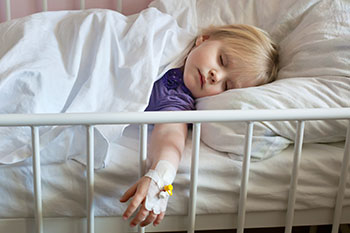
According to the CDC, about 1 in 5 unvaccinated people in the U.S. who get measles is hospitalized. As many as 1 in 20 children with measles develops pneumonia, the most common cause of measles-related death in young children. About 1 in 1,000 children develops encephalitis, or swelling of the brain, which can lead to convulsions, deafness, or lifelong intellectual disability. Roughly 1 to 3 out of every 1,000 infected children will die from respiratory and neurological complications.
Measles can also cause a hidden, long-term effect known as "immune amnesia." Research shows the virus can damage immune cells, making the body temporarily forget how to fight off germs it has encountered before. This weakened state can last for months or even years, leaving people more vulnerable to other infections long after they have recovered. In rare cases, a fatal brain disease called subacute sclerosing panencephalitis (SSPE) can develop 7 to 10 years after a person seems to have fully recovered from measles.
Some groups face a higher risk of severe illness: children under 5, adults over 20, pregnant women, and people with weakened immune systems. During pregnancy, measles can lead to premature birth or a low-birth-weight baby.
Measles Today: Rising Cases and Where Outbreaks Are Happening
Globally, measles remains a leading cause of vaccine-preventable death. The WHO estimates there were about 95,000 measles deaths worldwide in 2024, mostly among unvaccinated or under-vaccinated children under age 5. At the same time, WHO reports that measles vaccination averted nearly 59 million deaths between 2000 and 2024.
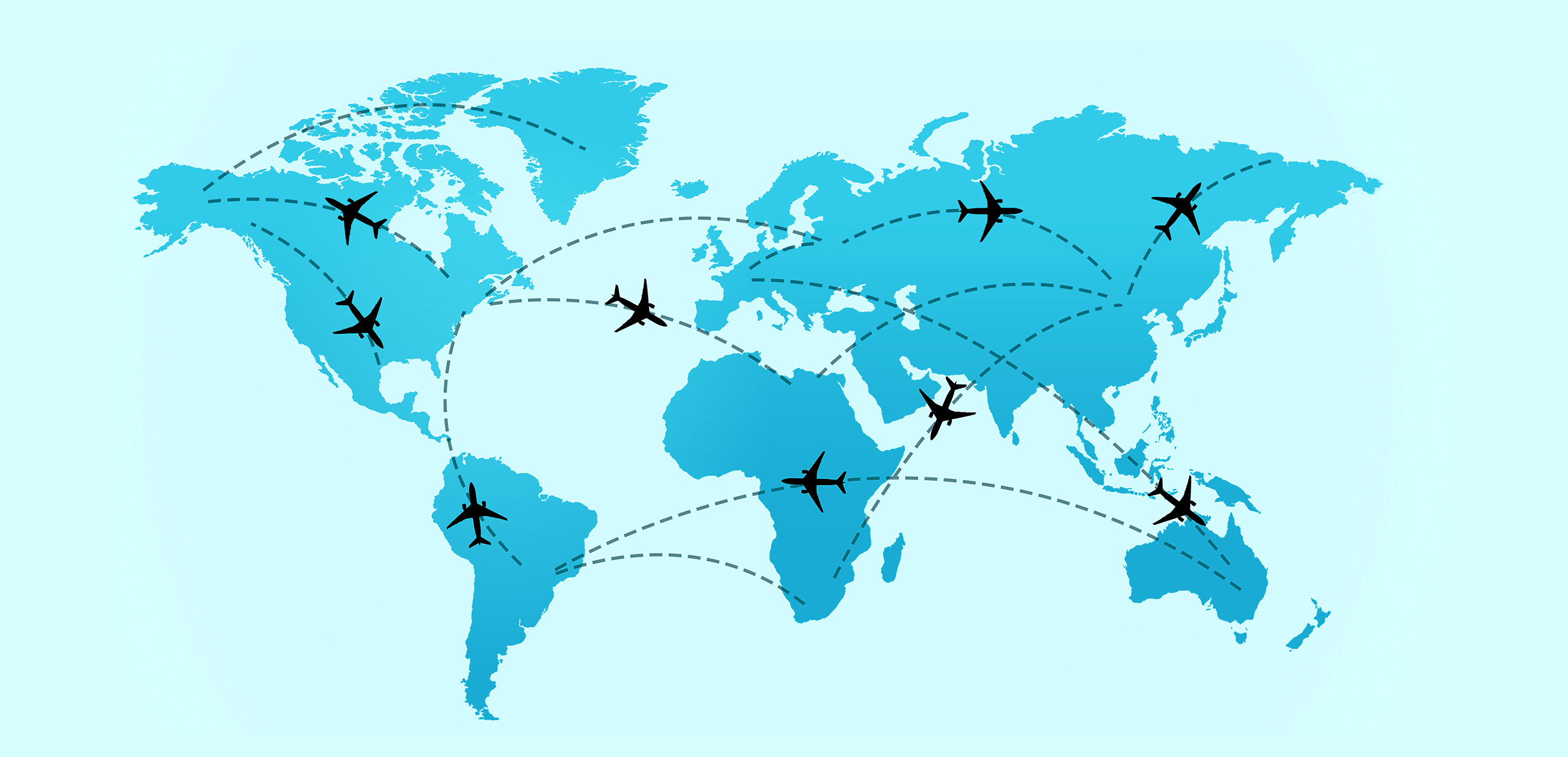
In the United States, measles cases have been climbing. The CDC reports that since early 2025, the country has seen an increase in cases and several large outbreaks of more than 50 cases each. As of September 17, 2026, 3,471 confirmed measles cases had been reported across 47 jurisdictions in 2026 alone. Outbreaks tend to flare in communities with lower vaccination rates and are often sparked by unvaccinated travelers returning from countries where measles is more common. Despite progress, WHO estimates about 29 million infants worldwide remained under-protected against measles in 2025.
How to Prevent Measles: The MMR Vaccine and More
The single most effective way to prevent measles is vaccination with the measles, mumps, and rubella (MMR) vaccine. It is safe, effective, and inexpensive. Two doses of the MMR vaccine are about 97% effective at preventing measles, while one dose is about 93% effective.
In the United States, children typically receive the first dose at 12 to 15 months of age and the second dose at 4 to 6 years. The vaccine provides long-lasting protection and has been in use for about 60 years, costing less than $1 per child in many countries. Worldwide, only 84% of children received a first dose of measles vaccine in 2025 — slightly below the 2019 level — which is why health officials stress that maintaining high coverage is essential.
There is no specific antiviral treatment for measles. Care focuses on relieving symptoms, staying hydrated, and preventing complications. WHO recommends two doses of vitamin A for all suspected measles cases in children under 5, as it can help prevent eye damage and other complications and may reduce the number of measles deaths.
If you or your child have been exposed to measles — or if you are unsure of your vaccination status — contact a healthcare provider right away, especially before traveling internationally.
The Bottom Line: Key Measles Facts to Remember
- Measles is an extremely contagious airborne virus — one person can infect up to 90% of unvaccinated people nearby.
- Symptoms appear 7 to 14 days after exposure and include high fever, cough, runny nose, red eyes, and a distinctive rash.
- Serious complications include pneumonia, brain swelling, hospitalization, and, in rare cases, death.
- Two doses of the MMR vaccine are about 97% effective and remain the best protection.
- Unvaccinated people, young children, pregnant women, and those with weakened immune systems face the highest risk.