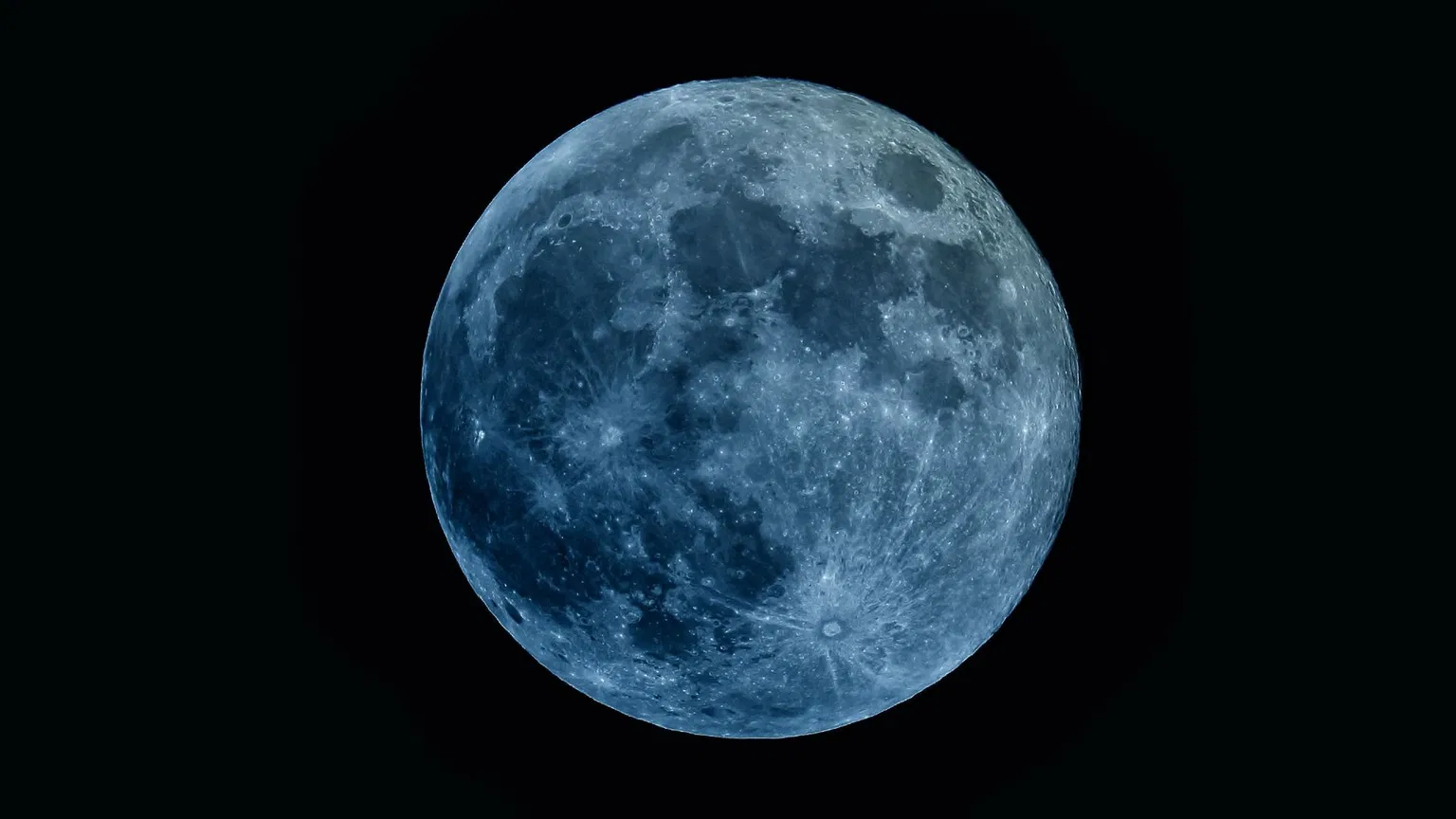
On May 31, 2026, skywatchers around the world will be treated to a relatively rare celestial event: a Blue Moon. Despite the poetic name, the moon won't actually glow blue in the night sky. So what exactly is a Blue Moon, why does it happen, and where does the term come from? Let's dive into the fascinating story behind one of astronomy's most misunderstood phrases.
What Is a Blue Moon? The Two Definitions Explained
There are actually two definitions of a Blue Moon, and the one most people know today is the result of a decades-old mistake. The calendrical Blue Moon — the more commonly used definition — refers to the second full moon occurring within a single calendar month. Since the lunar cycle takes approximately 29.5 days, and most months are 30 or 31 days long, if a full moon falls on the first day of a month, another full moon will occur near the end of that same month. That second full moon is called a Blue Moon.
The seasonal Blue Moon is the original definition. An astronomical season — defined by the dates of the solstices and equinoxes — typically has three full moons. When a season contains four full moons instead, the third full moon is called a Blue Moon. This definition dates back to the Maine Farmers' Almanac in the 1930s, though it was later misinterpreted by an article in Sky & Telescope magazine in 1946, leading to the monthly definition we use today.
When Is the Next Blue Moon?
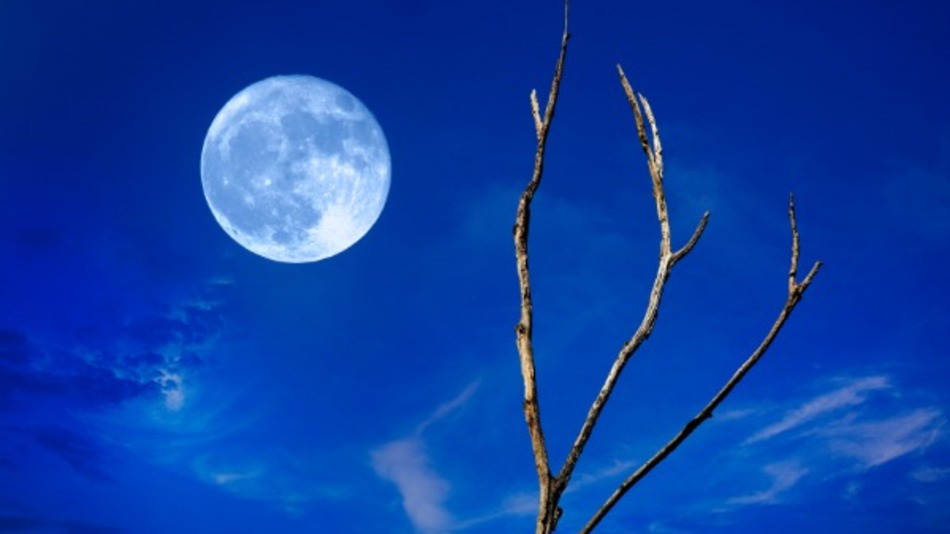
The next Blue Moon will occur on Sunday, May 31, 2026. Technically, it reaches its peak fullness at 4:45 AM ET, near moonset for observers in the Americas. This will be a calendrical Blue Moon — the second full moon in the month of May 2026. According to The Old Farmer's Almanac, the first full moon of May 2026 occurs on May 1, making the May 31 full moon the second of the month.
Blue moons occur approximately every two to three years on average. In 2018, unusually, there were two Blue Moons in a single year — one in January and one in March — and one of them coincided with a lunar eclipse. The next time two Blue Moons will occur in the same year will be 2037.
Here's a timeline of recent and upcoming Blue Moons:
- 2018 — Two Blue Moons (January 31 and March 31)
- 2020 — Blue Moon on October 31
- 2023 — Blue Moon on August 30
- 2026 — Blue Moon on May 31 (upcoming)
- 2028 — Blue Moon on December 31
- 2037 — Two Blue Moons (January and March)
Does the Moon Ever Actually Turn Blue?
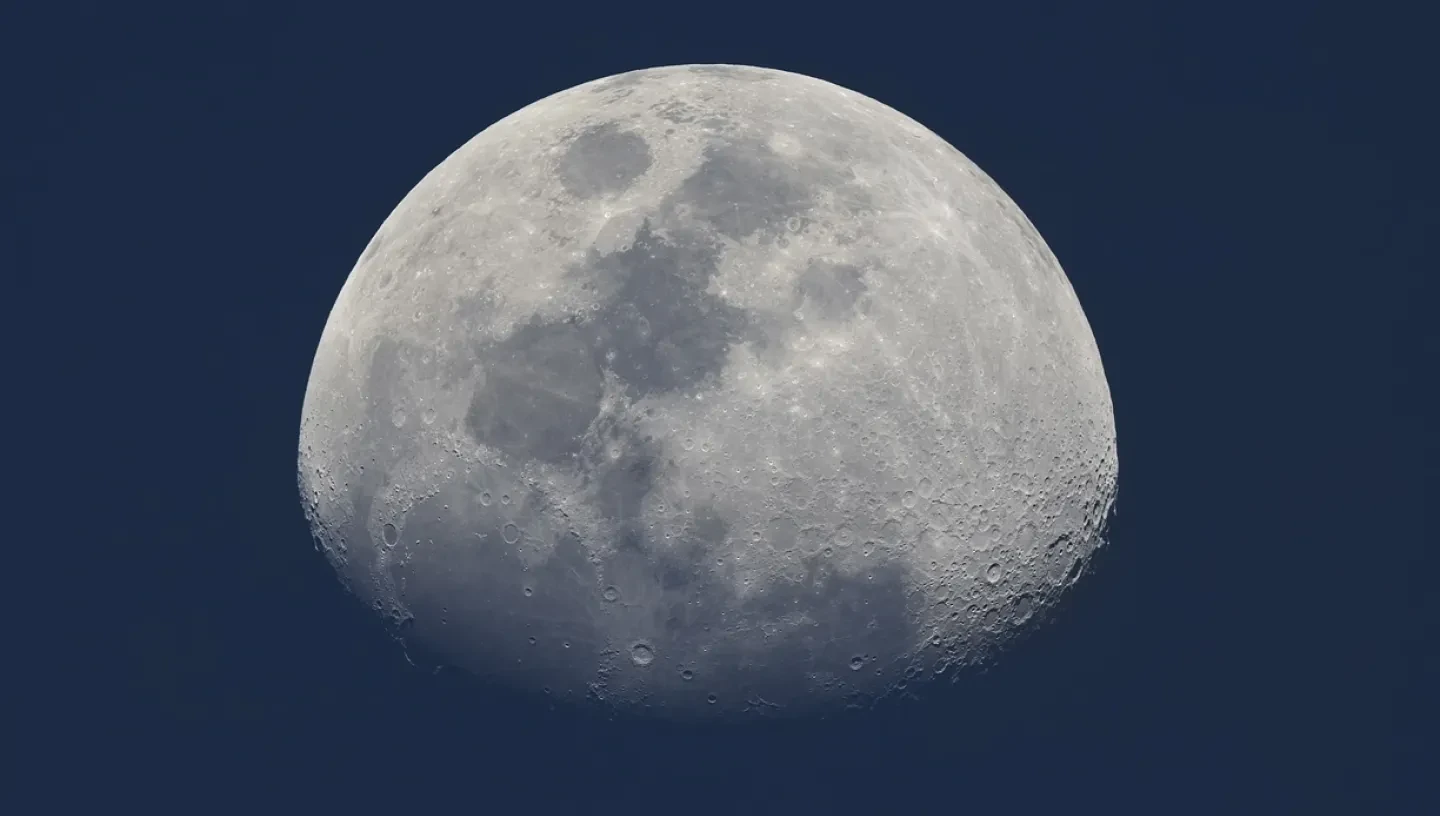
Despite the name, the moon does not turn blue during a Blue Moon. The term is purely calendrical. However, the moon can genuinely appear blue under certain atmospheric conditions — and this is where the phrase gets truly interesting.
When massive volcanic eruptions or large wildfires inject huge amounts of ash, dust, or smoke particles into the upper atmosphere, these particles can scatter light in unusual ways. Specifically, particles around 1 micron in size can scatter red light while allowing blue light to pass through, giving the moon a blue or even greenish tint when viewed from the ground.
One of the most famous examples occurred after the massive eruption of Krakatoa in 1884. A tremendous cloud of ash and dust was injected into the stratosphere, causing the moon and even the sun to appear blue from many locations across the Northern Hemisphere for many months after the explosion. Similarly, on September 24, 1950, a 200-mile-wide swath of smoke from massive forest fires in Northern Alberta, Canada, caused the moon to appear blue over the Great Lakes and parts of New York State and New England.
How Rare Is a Blue Moon, Really?
The phrase "once in a blue moon" suggests something extremely rare, but Blue Moons are actually fairly common in astronomical terms. Calendrical Blue Moons happen about once every 2.5 years. Seasonal Blue Moons occur at a similar frequency. This means the average person will see dozens of Blue Moons in their lifetime.
The moon's phase cycle takes about 29.5 days to complete. Since 12 lunar cycles add up to roughly 354 days — falling short of the 365/366 days in a calendar year — a 13th full moon appears roughly every two and a half years. This extra full moon is what we call a Blue Moon. For context, there are about 12.37 full moons per year, so an extra one shows up whenever the calendar catches up with the lunar cycle.
The Origin of the Name and Phrase
The term "Blue Moon" has an interesting history. While many assume it comes from Native American folklore, like other full moon names, that's actually a misconception. The modern understanding of "Blue Moon" took off in the 1980s, but its roots trace back to a 1946 article in Sky & Telescope magazine by James Hugh Pruett, who misinterpreted the seasonal definition from the Maine Farmers' Almanac. The error caught on and eventually became the standard definition used by media and the public.
The phrase "once in a blue moon" meaning something rare has been around since the 19th century, though it was initially used to describe things that were literally impossible — like the moon actually turning blue. Over time, as the astronomical definition took hold, the phrase settled into its current meaning: something that happens infrequently, but not impossibly so.
In folklore, Blue Moons have carried various symbolic meanings. Some cultures viewed them as a time when magic was stronger, while others associated them with unpredictability and change. In Eskimo folklore, the Blue Moon was said to represent sadness — the moon keeping its distance from his lover, the sun.
Why 2026's Blue Moon Matters
The May 31, 2026 Blue Moon offers a wonderful opportunity for casual stargazers and astronomy enthusiasts alike. Since it falls on a weekend, it's a perfect chance to step outside, look up, and appreciate the celestial rhythms that have guided human calendars for millennia. Unlike some astronomical events that require special equipment, a Blue Moon is simply a full moon — visible to anyone with clear skies.
To see it at its best, find a location away from bright city lights and look to the east as the moon rises on the evening of May 30 or the early morning of May 31. Binoculars or a small telescope can reveal the moon's craters and maria (dark plains) in stunning detail. While the May full moon is traditionally known as the Flower Moon in many cultures, this particular one carries the extra distinction of being a Blue Moon.
Looking Ahead: Future Blue Moons
After the May 31, 2026 Blue Moon, the next calendrical Blue Moon will occur on December 31, 2028 — allowing many to ring in the New Year under a second full moon of the month. Then, in 2037, the pattern from 2018 will repeat, with Blue Moons in both January and March, and no full moon in February.
As astronomer Bob Berman of The Old Farmer's Almanac put it: "Calendrical Blue Moons happen every 30 months on average. Two and a half years. So maybe 'Once in a Blue Moon' isn't so rare after all!"
- A Blue Moon is the second full moon in a calendar month, or the third of four full moons in a season
- The next Blue Moon is on May 31, 2026
- Blue Moons occur every 2-3 years — not as rare as the phrase suggests
- The moon is not blue during a Blue Moon, but can appear blue after volcanic eruptions or wildfires
- The modern definition originated from a 1946 magazine misinterpretation