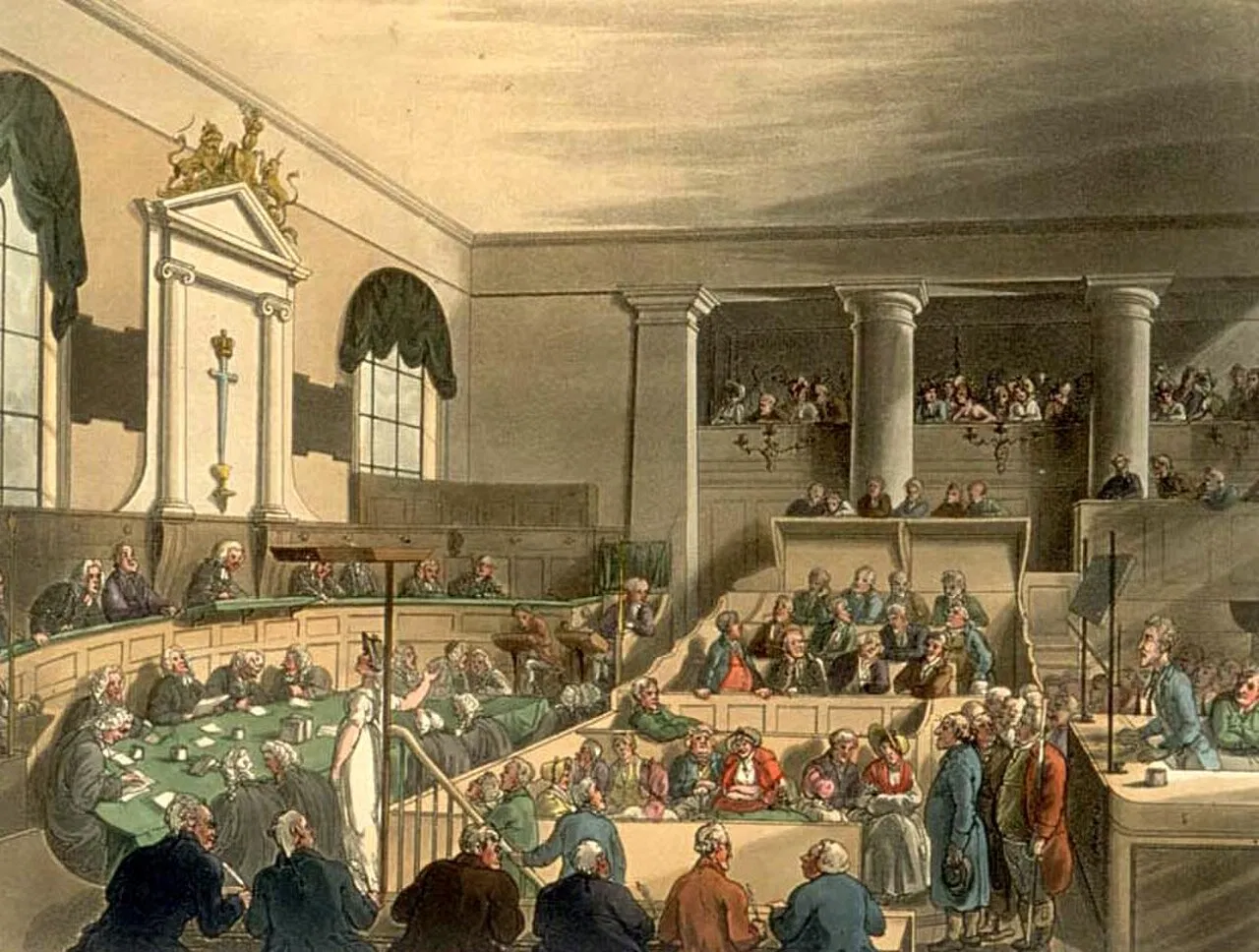
A mistrial is a trial that ends before a jury reaches a verdict, meaning the case is halted without a finding of guilt or innocence. If you have seen the word "mistrial" flash across the news during a high-profile case, you may be wondering exactly what a mistrial means and why a judge would stop a trial partway through. At its simplest, a mistrial signals that something went seriously wrong with the proceeding — or that the jury simply could not agree — so the court erases the trial's outcome and, in many situations, starts over with a fresh jury.
The key takeaway is that a mistrial is not the same as an acquittal, a dismissal, or a conviction. It is a procedural reset rather than a final resolution. The defendant is neither found guilty nor not guilty; the case simply pauses while prosecutors decide whether to retry it. Because that decision often hinges on double jeopardy protections, understanding what a mistrial means is essential for anyone following a criminal case.
What a Mistrial Actually Means
Under the law, a mistrial occurs in two broad situations. First, a jury may be unable to reach a verdict — a situation commonly called a hung jury — which forces the judge to discharge the jury and schedule a new trial. Second, a judge may declare a mistrial when a serious procedural error or misconduct makes a fair trial impossible. As the Legal Information Institute at Cornell Law School explains, a mistrial happens when a jury cannot reach a verdict and there must be a new trial with a new jury, or when there is a serious procedural error or misconduct that would result in an unfair trial and the judge adjourns the case without a decision on the merits.
The concept exists to protect the fairness of the justice system. When a trial has been compromised — whether by a jury that cannot agree or by an error that prejudices one side — allowing it to continue would undermine the constitutional guarantee of a fair trial. A mistrial is therefore a safeguard: it lets the court start over rather than produce a verdict built on a flawed process.
Crucially, a mistrial applies to both civil and criminal cases, and it can be requested by either side or declared by the judge on their own initiative. In federal court, Federal Rule of Criminal Procedure 26.3 requires that before ordering a mistrial, the court must give each defendant and the government an opportunity to comment on the ruling, state whether they consent or object, and suggest alternatives.
The Most Common Reasons a Judge Declares a Mistrial
Judges do not declare mistrials lightly, because restarting a trial is expensive and time-consuming. The most frequent triggers include:
- A hung jury. When jurors cannot reach the required degree of unanimity after extended deliberation, the judge may declare a mistrial. In a criminal case, if the jury agrees on some charges but deadlocks on others, the defendant can be retried on the unresolved charges at the prosecution's discretion.
- Misconduct. Improper behavior by the court, attorneys, parties, witnesses, or jurors — such as a juror discussing the case outside the courtroom or researching it independently — can taint the trial and lead to a mistrial.
- Improper evidence. If prejudicial evidence is wrongly admitted, or new evidence that could seriously affect the outcome surfaces mid-trial, a judge may stop the proceeding.
- Juror problems. The disqualification, illness, or death of a juror (when no alternate is available) or of an attorney can force a mistrial.
- Lack of jurisdiction. If the court determines it lacks authority over the case, the trial cannot proceed.
There is no fixed deadline for requesting a mistrial, but the party asking for one should generally act immediately after the problem arises. Waiting too long can waive the issue and deprive the court of the chance to correct the error before it causes prejudice.
What Happens After a Mistrial: Retrials and Double Jeopardy
A mistrial is not automatically the end of the road. In most cases, the prosecution (in a criminal case) or the plaintiff (in a civil case) may choose to retry the matter before a new jury. Whether that retrial is allowed in a criminal case comes down to the constitutional protection against double jeopardy, which prevents a person from being tried twice for the same offense.
When a mistrial results from a hung jury — a classic example of what courts call "manifest necessity" — a retrial is generally permitted because the jury never resolved the case. However, if a mistrial is granted over a defendant's objection and there was no genuine necessity, such as misconduct deliberately provoked by the prosecution, double jeopardy may bar a second trial. This is why the reason behind a mistrial matters so much: it can determine whether the defendant faces trial again or walks free.
Mistrial vs. Acquittal vs. Dismissal: Know the Difference
It is easy to confuse these outcomes, but they mean very different things. An acquittal is a formal finding of not guilty that permanently ends the case and, thanks to double jeopardy, generally cannot be appealed or retried. A dismissal is a judge's decision to throw the case out — which may be temporary ("without prejudice," allowing the case to be refiled) or permanent ("with prejudice," ending it). A mistrial is neither: it voids the trial that just happened, leaving the case unresolved and potentially eligible for a retrial.
What to Expect When a Mistrial Is Declared
Once a judge declares a mistrial, the immediate trial ends and the jury is discharged. The judge will typically schedule a status conference, where prosecutors and defense lawyers discuss next steps. If the prosecution decides to retry the case, a new trial date is set and a new jury is selected, meaning both sides essentially present their cases again from the beginning.
For defendants, a mistrial can be a mixed outcome. It avoids a conviction but does not provide the finality of an acquittal, leaving the matter hanging until a retrial decision is made. For that reason, defense attorneys weigh the circumstances carefully before joining or opposing a mistrial request.
The Bottom Line: Key Takeaways
- A mistrial is a trial ended before a verdict, either because the jury cannot agree or because a serious error or misconduct made a fair trial impossible.
- It applies in both criminal and civil cases and can be requested by either party or declared by the judge.
- A mistrial is not a conviction or an acquittal; the case may be retried unless double jeopardy bars it.
- Common triggers include hung juries, juror or attorney misconduct, improperly admitted evidence, and the illness or death of key participants.
- Retrials are generally allowed after a hung jury but may be blocked if the mistrial lacked "manifest necessity."