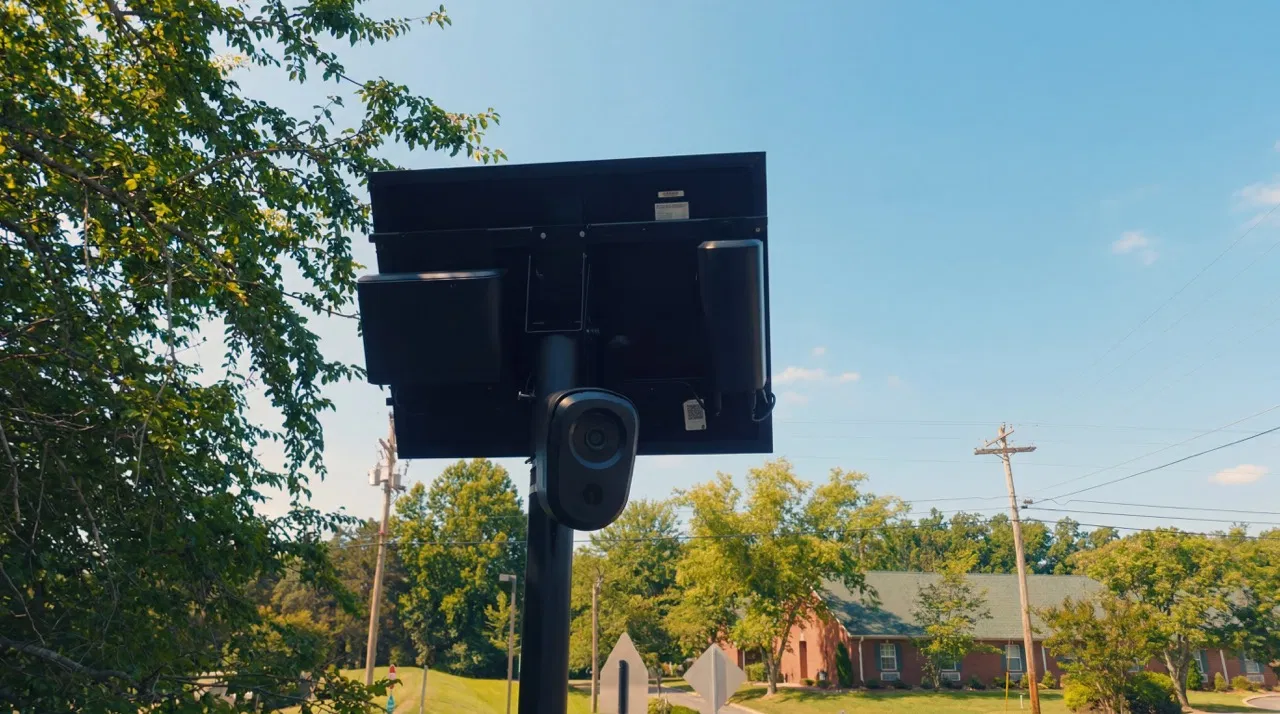
If you've driven through a suburban neighborhood, a shopping center parking lot, or a city intersection in the United States recently, there's a good chance a small, solar-powered camera mounted on a pole quietly photographed your license plate. These are Flock cameras — automated license plate recognition (ALPR) devices built by Flock Safety, an Atlanta-based surveillance company founded in 2017 by three Georgia Tech alumni — and they have become one of the fastest-growing and most debated technologies in American policing. As millions of drivers learn how far the cameras' reach extends, a new question has gone viral: "Have I been flocked?"
Flock Safety says its cameras now operate in more than 6,000 municipalities across the country and scan more than 20 billion vehicles every month. For police, the devices are a powerful tool for locating stolen cars and generating leads in investigations. For privacy advocates, they represent a sprawling and lightly regulated system of mass surveillance that quietly builds a searchable record of where ordinary people travel. Here is how the technology works, what it actually captures, and what it means to check whether you have been "flocked."
How Flock Cameras Work: Reading Every Plate That Passes
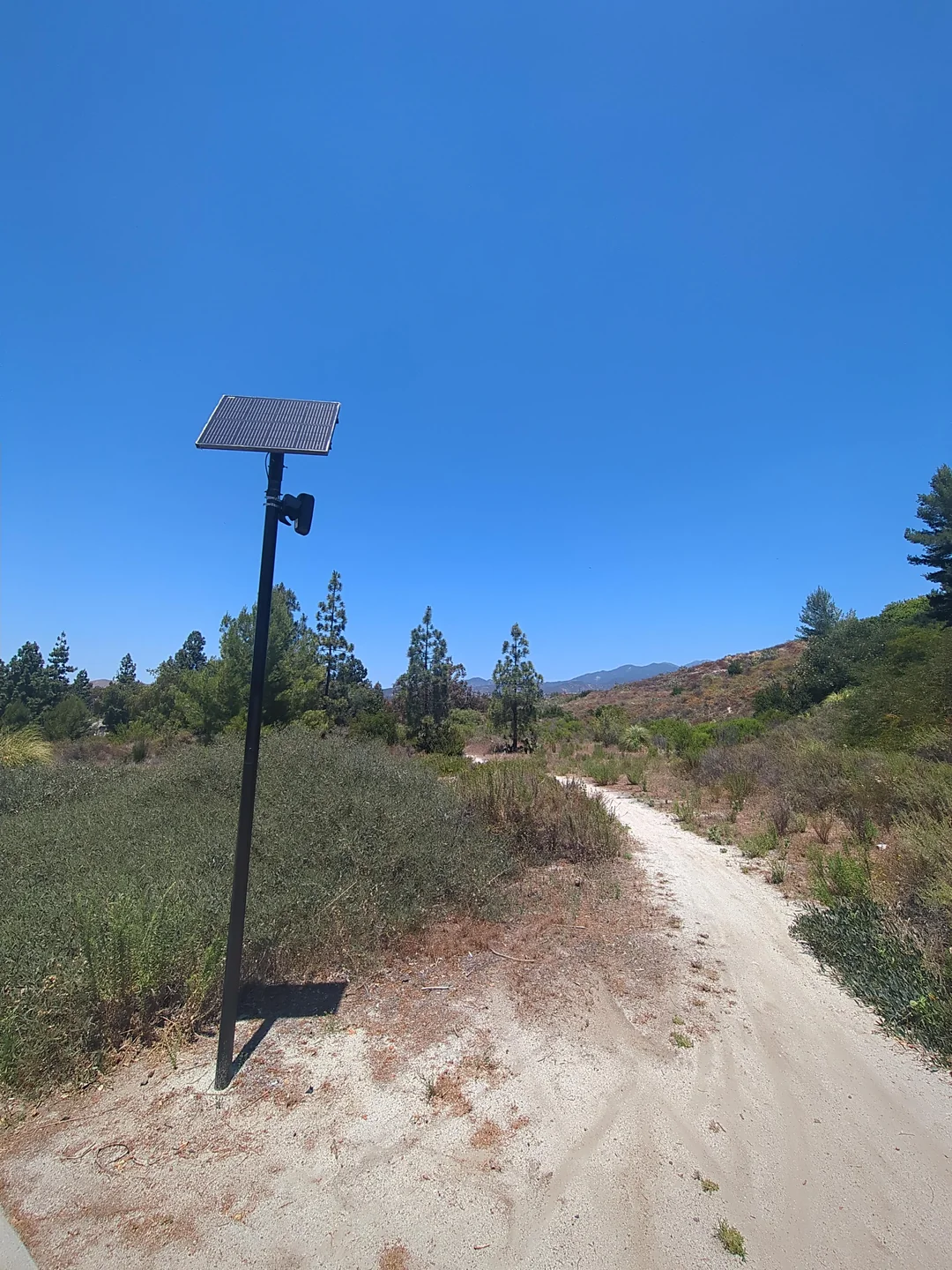
At their core, Flock cameras are license plate readers with an artificial intelligence twist. The company's fixed cameras — sold under names like Falcon and Sparrow — are typically mounted on poles and powered by solar panels and rechargeable batteries, which lets them operate in places without easy access to electricity. Each camera photographs the rear of every passing vehicle, then uses computer vision software to read the license plate and identify other distinguishing visual features.
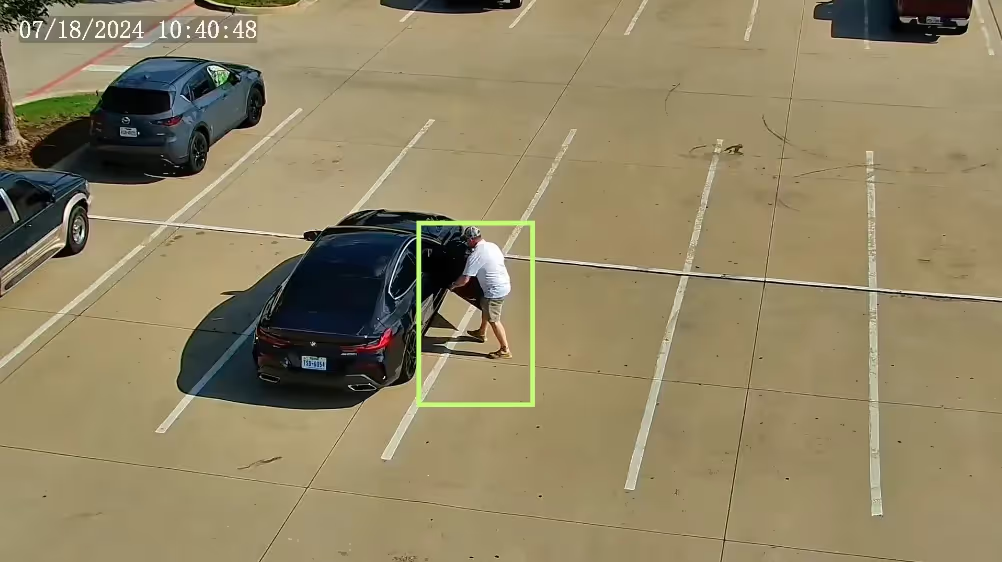
What sets Flock apart, according to the company, is something it calls "vehicle fingerprint technology." Beyond the plate number, the system records a vehicle's make, model, and color, along with details such as bumper stickers, dents, mismatched paint, and temporary plates. Flock says its cameras can capture images of vehicles traveling up to 100 miles per hour from as far as 75 feet away, regardless of lighting conditions.
Once a plate is read, the data is sent over a cellular network to Flock's servers, where it is logged with the time and location of the scan in a searchable database. The system automatically compares each plate against the FBI's National Crime Information Center and state and local police hotlists of stolen vehicles and cars of interest, instantly alerting nearby officers when it finds a match. Unlike red-light or speed cameras, Flock's devices are built for surveillance and investigation rather than automated traffic enforcement — though the Electronic Frontier Foundation has documented what it calls "mission creep," including a case where Flock data was used by police to give a driver a traffic ticket. Flock's primary competitor in the ALPR market is Motorola Solutions.
What "Have I Been Flocked" Means — and How to Check
The phrase "have I been flocked" grew out of a simple realization: because Flock cameras log every plate they see, most people have no idea whether — or how often — their own vehicle has been captured. The question became common enough to inspire a website, haveibeenflocked.com, which aggregates publicly available logs so people can look up whether their car has been scanned.
There is a catch: Flock's records are not generally open to the public, and in many cases deployments are kept secret to protect ongoing investigations. Some police agencies do publish logs of their Flock searches, however, and haveibeenflocked.com compiles those known logs so that potential victims of privacy violations — or simply curious drivers — can make inquiries about their own vehicles. Flock has pushed back on the idea that it is watching people, saying its cameras "focus on vehicles, not people" and capture license plates and vehicle details rather than faces. The company also states that its data is automatically deleted after a set retention period by default. But those assurances have been tested, because investigative reporting and Flock's own marketing materials show that its newer Condor cameras can zoom in on and track people, not just cars.
Why Privacy Advocates Call Flock Cameras Mass Surveillance
The scale of Flock's network is what alarms civil liberties groups. The American Civil Liberties Union (ACLU) has called the system a form of "mass surveillance," arguing that ALPR databases like Flock's are creating "comprehensive records of everybody's comings and goings." The ACLU has written that there is no reason the technology should track people who are not suspected of wrongdoing.
Those concerns moved into the courtroom in June 2024, when a judge in Norfolk, Virginia, ruled that collecting location data from the city's 172 Flock cameras constitutes a search under the Fourth Amendment and cannot be used as evidence without a warrant. The Institute for Justice later filed a federal lawsuit against the Norfolk Police Department on behalf of residents who argued the cameras made it impossible to drive anywhere without being tracked.
There have also been documented problems with accuracy and security. A 2021 review by surveillance research firm IPVM found roughly a 10% error rate in the Falcon camera's output. In one California city, Business Insider reported that 71% of the stolen-vehicle alerts police received from Flock in 2023 and 2024 were misidentified plates, leading to drivers being repeatedly pulled over. In 2025, researchers uncovered security vulnerabilities in Flock devices, and 404 Media reported that dozens of Condor cameras were left exposed to the open internet, where anyone could view live feeds and download video.
Where Things Stand: Backlash, Lawsuits, and Deactivation
Flock's expansion has increasingly run into resistance. In July 2026, the Los Angeles Police Department let its contract with Flock expire, explicitly citing "serious concerns" over civil liberties and privacy. The activist project Deflock maintains a crowdsourced map of camera locations and lists dozens of jurisdictions that have ended their contracts or deactivated cameras. Some cameras have been vandalized or deliberately obstructed, and in July 2026 Flock began hiding some cameras inside other objects — such as the backs of radar speed signs — to avoid tampering.
The scrutiny has also focused on misuse by the people operating the system. An Institute for Justice review of media reports found dozens of cases in which law enforcement officers abused Flock and similar systems to stalk romantic partners and other individuals. In one widely cited example, a Kansas police chief used Flock cameras to track his ex-girlfriend and her new boyfriend more than 200 times.
Corporate blowback arrived in early 2026, when Amazon's Ring canceled a planned partnership with Flock — which would have let residents share home camera footage with police — following backlash over a Super Bowl ad. The episode underscored how politically sensitive the technology has become, cutting across both liberal and conservative communities.
What Happens Next for Flock and License Plate Tracking
Despite the backlash, Flock remains a financial juggernaut. The company has raised roughly $950 million in venture funding and reached a $7.5 billion valuation in 2025, with about $300 million in annual revenue. It continues to expand into new products, including Condor pan-tilt-zoom cameras, Raven gunshot-detection microphones, and Alpha drones that can read license plates from 2,000 feet away.
The legal and political fight over the technology is likely to intensify. Fourth Amendment challenges like the Norfolk case could shape how — and whether — police can use warrantless plate-tracking data. Meanwhile, a growing number of cities are demanding stronger contracts, retention limits, and transparency before they will keep the cameras running. For everyday drivers, the practical takeaway is simple: if you have driven on public roads in the United States, there is a strong chance your plate has already been photographed by a Flock camera — and tools like haveibeenflocked.com are one of the few ways to check.
Key Takeaways
- Flock cameras are solar-powered automated license plate readers that photograph every passing vehicle and log the plate, time, and location in a searchable database.
- Flock's "vehicle fingerprint" software also records make, model, color, and distinguishing features, and it checks plates against stolen-car and police hotlists.
- "Have I been flocked" refers to whether your car has been scanned; haveibeenflocked.com aggregates public logs so people can check.
- Privacy groups, courts, and cities have raised alarms over mass surveillance, with Norfolk's warrant ruling and LAPD's contract exit marking major turning points.
- Flock has raised $950 million at a $7.5 billion valuation and is expanding into people-tracking cameras, gunshot detection, and drones — even as backlash grows.