As the calendar turned to 2025, a new generation officially began: Generation Beta. Born between 2025 and 2039, these children represent the next chapter in human evolution—not just demographically, but in how they will interact with technology, fashion, and the world around them. While Generation Z brought us social media natives and Generation Alpha introduced iPad kids, Generation Beta will be something entirely different: the first truly AI-native generation, growing up in a world where digital and physical realities blend seamlessly.

What Exactly Is Generation Beta?
Generation Beta, or Gen Beta for short, follows the Greek alphabet naming convention that began with Generation Alpha (born 2010-2024). According to demographic research firm McCrindle, which coined both terms, this naming system signifies that these generations will be shaped by an entirely different world than their predecessors. The "Beta" designation doesn't imply they're test versions of humanity, but rather represents the second generation born fully into the 21st century's technological revolution.
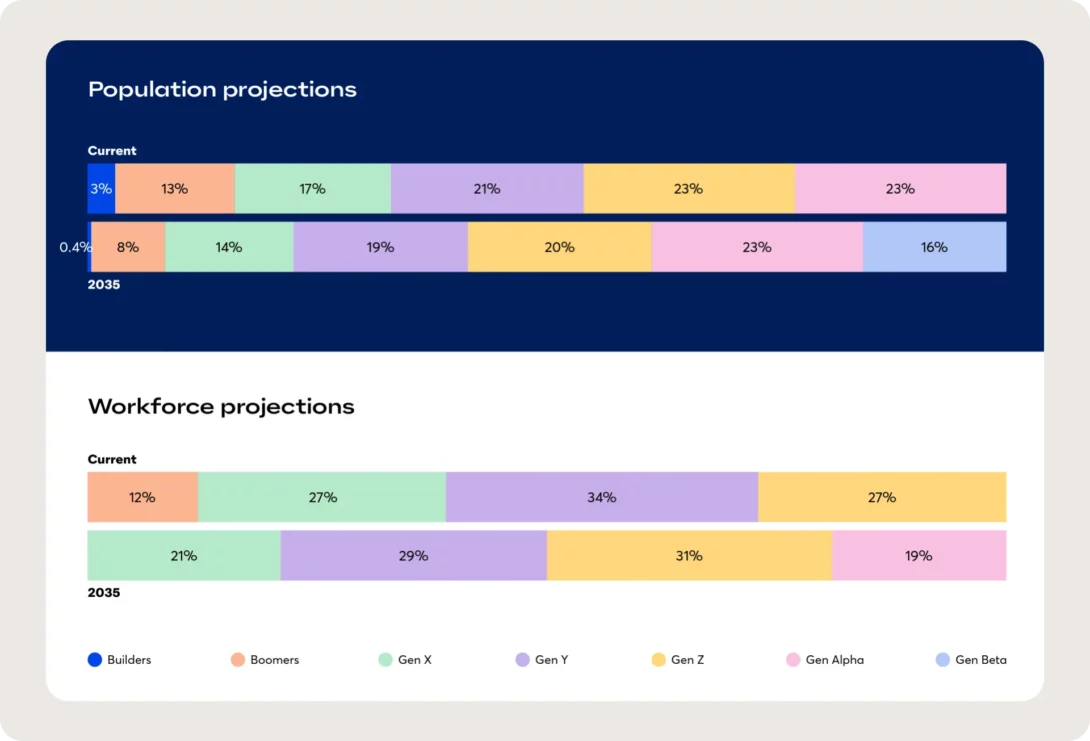
These children will primarily be born to younger millennials and older Gen Z parents, creating a unique parenting dynamic that blends digital savvy with cautious technology use. By 2035, McCrindle projects Generation Beta will comprise 16% of the global population, and many members will live to see the 22nd century—experiencing technological and social changes we can barely imagine today.
The Generational Timeline: From Silent to Beta
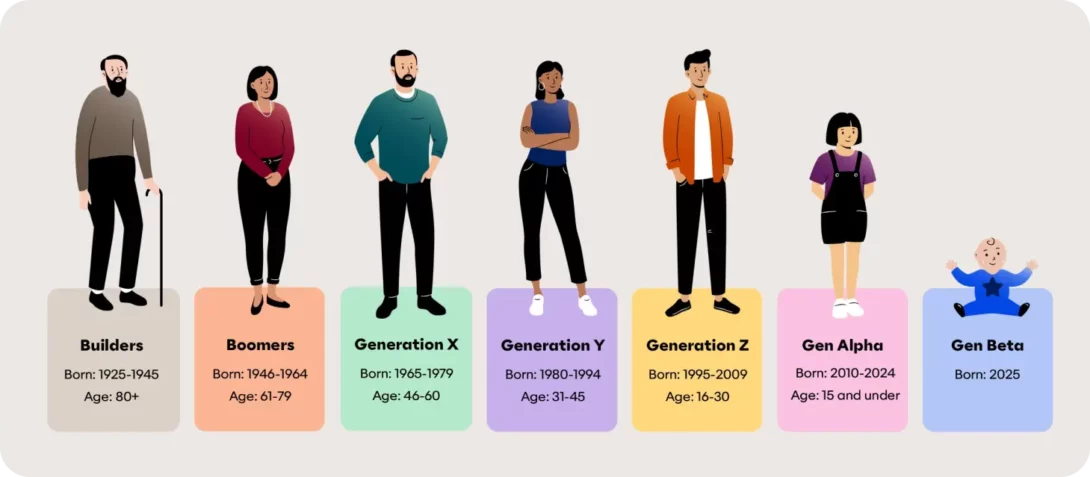
To understand Generation Beta's place in history, it helps to see the complete generational timeline. Following the Silent Generation (1928-1945) and Baby Boomers (1946-1964), Generation X (1965-1980) brought us latchkey independence. Millennials (1981-1996) became the first digital adapters, while Generation Z (1997-2012) were true digital natives. Generation Alpha (2013-2024) experienced the rise of smartphones and social media from infancy.
Generation Beta enters a world where artificial intelligence isn't emerging technology—it's the default environment. As Jason Dorsey, a generational researcher, told Reader's Digest: "They won't talk about AI the way we do, as if it's something separate from us. AI will just be a part of everything." This fundamental difference will shape every aspect of their lives, including fashion, education, and social interaction.
How Technology Will Reshape Fashion and Lifestyle Trends
The most significant factor distinguishing Generation Beta will be their relationship with technology. While previous generations adapted to technological changes, Beta members will never know a world without seamless AI integration. This will transform fashion and lifestyle trends in several key ways:
Personalized AI Fashion Design: Generation Beta will grow up with AI systems that learn their style preferences from infancy. Instead of browsing clothing stores or following mass trends, they'll have AI assistants that design custom clothing based on their body measurements, activity data, color preferences, and even mood patterns. These AI designers will consider sustainability, fabric performance, and social context to create truly personalized wardrobes.
Digital-Physical Fashion Blending: For Generation Beta, the line between digital and physical fashion will blur completely. Augmented reality clothing that changes appearance based on context, mood-sensitive fabrics, and garments with embedded health monitoring technology will become standard. Their fashion choices will extend into virtual environments where digital avatars wear completely different styles than their physical selves, creating multi-layered fashion identities.

Sustainability as Default, Not Choice: Generation Beta will inherit a world where climate change isn't a future threat but a current reality. As McCrindle research notes, "sustainability will not just be a preference but an expectation." This means fast fashion will likely seem archaic to them. Instead, they'll expect circular fashion economies, where clothing is designed for multiple lifecycles, repair, and eventual recycling. Their fashion consumption will be driven by environmental impact data readily available through AI systems.
Instant Gratification and Hyper-Personalization: Growing up with autonomous delivery systems and instant manufacturing (like 3D printing of clothing), Generation Beta will develop expectations for immediate fashion fulfillment. Need a new outfit for an event tonight? An AI will design it, sustainable materials will be printed locally, and a drone will deliver it within hours. This instant access will make trend cycles accelerate even faster than they do today.
The Current Landscape: What We Know About Beta's Emerging Preferences
While Generation Beta members are just being born, we can already predict some of their future preferences based on their parents' values and the technological environment they're entering:
Tech-Savvy but Protected: Unlike millennial parents who often integrated technology early into their Gen Alpha children's lives, Gen Z parents—who will raise many Beta children—are more cautious. Research shows Gen Z parents are 20% more likely to prioritize limiting screen time compared to older millennial parents. This suggests Generation Beta might experience more balanced technology use, with clear boundaries between digital and offline life.
Global and Community Focused: Raised by parents who value adaptability, equality, and eco-consciousness, Generation Beta will likely develop strong global perspectives. Their fashion choices may reflect this through ethical sourcing awareness, cultural appreciation (rather than appropriation), and community-oriented consumption patterns.
Health-Integrated Lifestyle: With wearable health technology becoming standard, Generation Beta's fashion will likely incorporate biometric monitoring seamlessly. Clothing that tracks vital signs, adjusts temperature based on body needs, or even delivers medication through smart fabrics could become everyday items.
What's Next: The Future of Fashion in a Beta World
As Generation Beta grows up, several fashion and trend developments seem inevitable:
Virtual Fashion Dominance: With immersive virtual environments becoming standard aspects of daily life, virtual fashion for digital avatars may become as important as physical clothing. Digital fashion shows, NFT clothing items, and style expression in virtual worlds could become major industries.
AI-Curated Style Evolution: Rather than following celebrity or influencer trends, Generation Beta might rely on AI systems that analyze their lifestyle data, social context, and personal preferences to suggest style evolution. These systems could predict when someone's style should mature or shift based on life events, career changes, or social movements.
Climate-Adaptive Clothing: As climate change creates more extreme weather patterns, Generation Beta's fashion will need to be functionally adaptive. Self-cooling fabrics, pollution-filtering materials, and clothing that generates solar power could transition from specialty items to everyday necessities.
Generational Fashion Cycles Accelerate: With technology accelerating all aspects of life, fashion trends may cycle even faster. However, Generation Beta's focus on sustainability might counterbalance this with an emphasis on timeless, adaptable pieces rather than disposable trends.
The Bottom Line: Preparing for a Beta Future
Generation Beta represents more than just another demographic cohort—they signal a fundamental shift in how humans will interact with technology, express identity through fashion, and navigate an increasingly complex world. Their arrival challenges current fashion and retail systems to become more personalized, sustainable, and technologically integrated.
For parents, educators, and industry leaders, understanding Generation Beta means recognizing that their world will be different in foundational ways. They won't just use technology; they'll inhabit it. They won't just wear clothing; they'll interact with adaptive, intelligent fashion systems. And they won't just consume trends; they'll participate in creating personalized style ecosystems.
As these first Beta babies grow through the 2020s and 2030s, watching how their preferences develop will provide the clearest window into our collective future. One thing is certain: the world they shape will be as different from today as today is from the pre-internet era. The Beta generation isn't just coming—they're already here, and they're ready to redefine what it means to dress, express, and live in the 21st century.