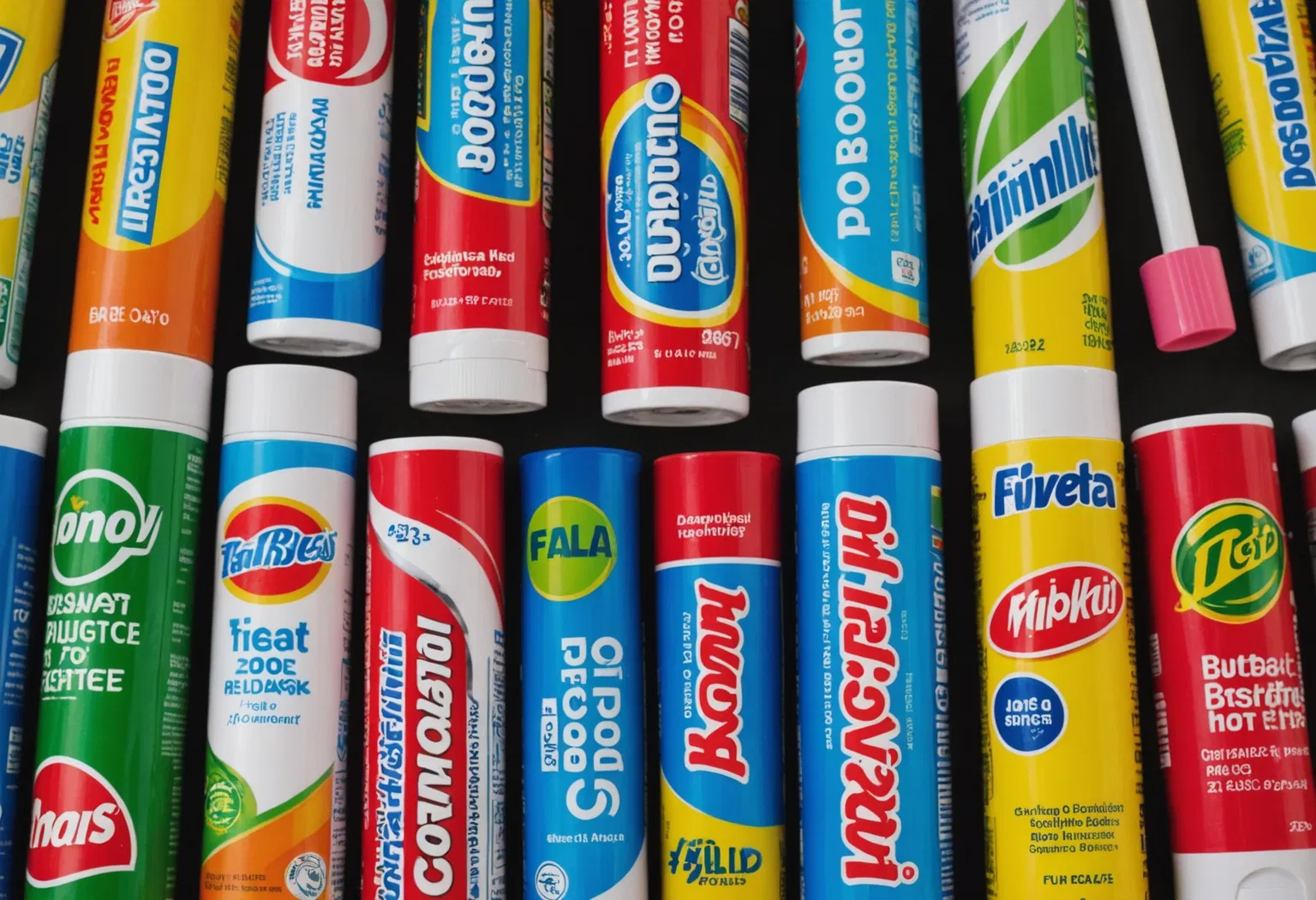
The U.S. Food and Drug Administration (FDA) has announced a nationwide toothpaste recall affecting more than 4.3 million tubes of fluoride toothpaste — including several popular children's varieties featuring characters such as Barbie, Hot Wheels, My Little Pony and Crayola. The voluntary recall was initiated by India-based manufacturer Pritam International Private Limited and covers 17 different toothpaste products, according to the FDA's enforcement report. The agency classified the recall as Class II on Oct. 19, 2026, meaning exposure to the products may cause temporary or medically reversible adverse health consequences. While no illnesses or injuries have been linked to the recalled toothpaste, health officials and retailers are urging consumers to check their bathroom cabinets and stop using any affected tubes. Here is what happened, why the toothpaste was pulled from shelves, and what you should do if one of the affected products is sitting in your bathroom right now.
How the Toothpaste Recall Unfolded
The recall traces back to Sept. 10, 2026, when Pritam International Private Limited voluntarily began pulling the affected toothpaste products from the market, according to an FDA enforcement report. The company manufactures oral care products sold under several brand names, most notably Brush Buddies, and it notified the FDA as part of standard recall procedures. The agency formally added the recall to its Enforcement Report and assigned it a Class II classification on Oct. 19, 2026.
The FDA did not point to a single contaminant or defect as the trigger. Instead, the recall is categorized under CGMP deviations, a term meaning the manufacturer did not fully follow Current Good Manufacturing Practices — the FDA's required standards governing how products are made, tested and controlled. The vast majority of the recalled toothpaste is sold under the Brush Buddies brand name, a line best known for kid-friendly flavors and character-themed packaging, though several adult whitening, sensitivity and gum-health products are also included.
The 17 Recalled Toothpaste Varieties, From Barbie to Baking Soda
According to FDA records and multiple news reports, the recall spans 17 varieties of fluoride toothpaste. The affected children's products include:
- Brush Buddies Barbie Anticavity Fluoride Toothpaste, Bubble Gum Flavor (4 oz.), with roughly 409,800 tubes recalled
- Brush Buddies Hot Wheels Strawberry Flavor
- Brush Buddies My Little Pony
- Crayola Silly Scents in bubble gum, watermelon and strawberry flavors
The recall also includes several products marketed to adults:
- Brush Buddies Whitening with Baking Soda, Cool Mint (3.5 oz.), with roughly 797,868 tubes recalled
- evo Advanced Whitening, Peppermint (3.5 oz.)
- Two additional evo products marketed for whitening and sensitivity
- Two ARU toothpastes marketed for gum health and sensitivity
- BB toothpaste products
Each entry in the FDA's enforcement report lists a specific lot number, expiration date and NDC code. For example, the Brush Buddies Whitening with Baking Soda Cool Mint product carries a lot code with a Feb. 23, 2027 expiration date. Consumers can match the codes printed on their own tubes against the FDA's full list to determine whether their product is affected.
What CGMP Deviations Mean — and Why They Triggered a Recall
The reason behind this recall is technical, but understanding it helps explain why millions of tubes were pulled even though no one reported getting sick. The FDA classifies the recall under CGMP deviations, a broad category meaning the manufacturer did not fully comply with the agency's Current Good Manufacturing Practice regulations. These rules cover everything from facility cleanliness and equipment maintenance to ingredient testing, packaging and record-keeping.
A CGMP deviation does not necessarily mean a specific batch is contaminated or dangerous. Rather, it signals that the conditions or procedures used to manufacture the product fell short of the standards designed to keep it safe and consistent. Common examples include sanitation gaps, inadequate documentation, or a failure to run required quality-control tests.
The Class II designation adds further context. The FDA defines a Class II recall as a situation in which use of, or exposure to, a product may cause temporary or medically reversible adverse health consequences, or where the probability of serious adverse health consequences is remote. That places this recall a step below a Class I recall, which is reserved for products that could cause serious health problems or death. Crucially, no illnesses or injuries have been reported in connection with the recalled toothpaste, according to the FDA and news reports.
How to Read a Toothpaste Label During a Recall
Understanding the codes on a toothpaste tube can make recall checks faster and more accurate. Here is what each element means:
- Brand and product name: Identifies the specific formula and flavor, such as Brush Buddies Barbie Bubble Gum.
- Net weight: Shown in ounces or grams, such as 4 oz. or 3.5 oz., to help match the exact product size.
- NDC code: A National Drug Code printed on drug-related products like fluoride toothpaste; it identifies the manufacturer and product.
- Lot number: A batch-specific code that tells you exactly which production run your tube came from.
- Expiration date: The date through which the product is expected to remain stable and effective.
When a recall is announced, the FDA publishes the lot numbers, NDC codes and expiration dates for the affected batches. Matching any one of these codes is enough to confirm that your tube is part of the recall.
What to Do If You Have Recalled Toothpaste at Home
If you have any of the recalled toothpaste products, the guidance from health experts and retailers is straightforward: stop using the product immediately. Because this is a Class II recall, the safest option is not to use the recalled toothpaste at all — throw it out or return it to the retailer where you purchased it for a refund or replacement.
Here is a simple checklist to follow:
- Check the brand and flavor: Look for Brush Buddies, Crayola Silly Scents, evo, ARU or BB on the label.
- Check children's toothpaste carefully: Pay special attention to character-themed tubes featuring Barbie, Hot Wheels, My Little Pony or Crayola.
- Compare codes: Match the lot number and expiration date on your tube against the FDA's recall list before assuming it is safe.
- Stop using and dispose or return: Do not continue using the product. Contact the retailer or manufacturer for refund or replacement details.
- Supervise children: If more toothpaste than what is used for brushing is accidentally swallowed, seek medical help or contact a Poison Control Center right away.
What Happens Next With the Toothpaste Recall
Recalls of this type typically follow a predictable path. The manufacturer and retailers work to remove affected products from store shelves and online marketplaces, while the FDA monitors the process through its public enforcement records. Consumers who return affected tubes may receive a refund or replacement, depending on the retailer's policy.
The FDA will continue to track the recall and may update its classification or expand its scope if new information emerges. For now, the agency has not reported any illnesses, and the recall remains voluntary. Consumers should watch for updates on the FDA's recalls page and from the manufacturer, and they can verify any toothpaste against the agency's current recall list.
The Bottom Line: Key Takeaways
- The FDA announced a voluntary recall of more than 4.3 million tubes of fluoride toothpaste, spanning 17 products.
- The recall was initiated by Pritam International Private Limited on Sept. 10, 2026, and classified as Class II by the FDA on Oct. 19, 2026.
- Most affected products are sold under the Brush Buddies brand, including kids' flavors featuring Barbie, Hot Wheels, My Little Pony and Crayola.
- The recall stems from CGMP (Current Good Manufacturing Practice) deviations rather than a specific confirmed contaminant.
- No illnesses or injuries have been reported.
- If you have an affected tube, stop using it and throw it out or return it for a refund or replacement.