Each year, as the clock approaches midnight on December 31, millions of eyes around the world turn to New York City's Times Square. For over a century, the descent of a glittering ball has signaled the arrival of the new year, creating one of the most recognizable and beloved traditions in modern culture. But how did this spectacular event begin, and what exactly happens behind the scenes to make this iconic moment possible? The story of the Times Square ball drop is a fascinating journey through history, engineering, and cultural evolution that explains why we watch a ball descend to mark the passage of time.
How the Times Square Ball Drop Tradition Began
The origins of the ball drop date back to 1907, but the story really begins three years earlier. In 1904, the New York Times moved its headquarters to what would become Times Square, and publisher Adolph Ochs organized an extravagant New Year's Eve celebration featuring fireworks. The event was so successful that it drew hundreds of thousands of people, instantly establishing Times Square as the place to welcome the new year. However, by 1907, city officials had banned the fireworks display due to safety concerns about falling ash and debris.
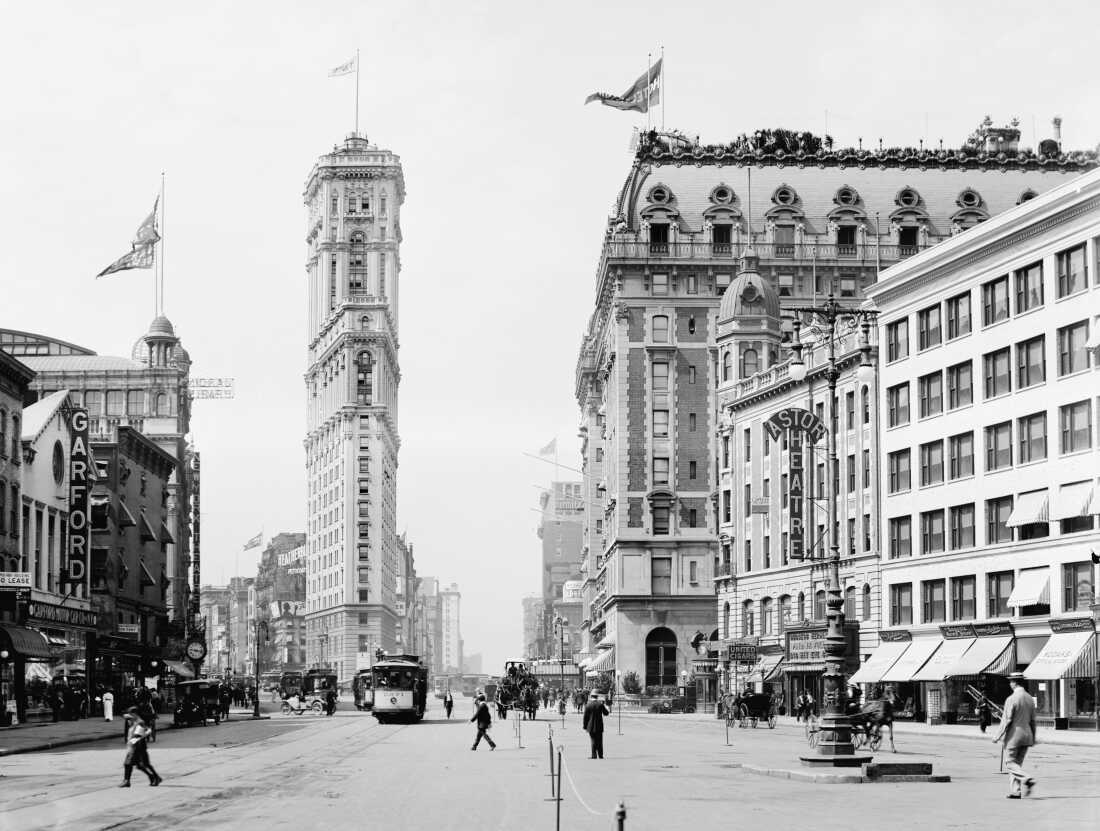
Undeterred, Ochs needed a new spectacle. He turned to his chief electrician, Walter Palmer, who drew inspiration from a maritime tradition. For decades, the Western Union Telegraph Company building in downtown Manhattan had dropped an iron ball from its rooftop every day at noon. This practice originated with "time balls" used in ports around the world since the early 19th century, allowing ship captains to synchronize their navigational instruments. Palmer proposed creating a larger, illuminated version that would descend at midnight instead of noon.
The first Times Square ball was constructed by immigrant metalworker Jacob Starr. Made of iron and wood, it measured five feet in diameter, weighed 700 pounds, and was adorned with 100 25-watt light bulbs. On December 31, 1907, as described by the New York Times, "the exact moment of the New Year's arrival will be signalized by the dropping of an electrically illuminated ball above the tower." The tradition was an immediate success, and except for 1942 and 1943 when wartime blackouts suspended the display, the ball has dropped every year since.
The Engineering Behind the Iconic Descent
While the early balls were lowered by hand using ropes and pulleys operated by a team of workers, today's system is a marvel of modern engineering. The current ball is permanently mounted atop One Times Square and uses a sophisticated winch and cable system. A "black box" receives time signals from GPS satellites and atomic clocks to ensure absolute precision, synchronizing the descent to begin exactly at 11:59:00 p.m. Eastern Time and conclude precisely at midnight.

The lighting technology has evolved dramatically from those original 25-watt bulbs. Today's ball uses LED technology controlled by specialized software called "e:cue," allowing for dazzling color displays and animated patterns. The descent mechanism is now fully automated, though since 1996, special guests have ceremonially pressed a button to activate the drop. The system is so precise that organizers proudly note they've had perfect timing since a minor three-second delay in 1996 during their first computerized attempt.
Security and logistics for the event are equally impressive. Times Square is divided into viewing "pens" that fill sequentially, with attendees passing through security checkpoints where backpacks and alcohol are prohibited. Over 1,200 fixed cameras monitor the area, supplemented by police patrols, rooftop squads, and counter-snipers to ensure safety for the hundreds of thousands who gather in person.
Seven Generations of Balls: From Iron to Crystal
The ball itself has undergone seven major redesigns, each reflecting advancements in materials and lighting technology. The original iron and wood ball was replaced in 1920 with a 400-pound wrought iron version. In 1955, aluminum reduced the weight to just 150 pounds. Perhaps the most unusual transformation occurred from 1981 to 1988, when red light bulbs and a green stem turned the ball into a giant apple for New York's "I Love New York" marketing campaign.
The modern era began in 1999-2000 with the introduction of Waterford Crystal panels, creating the shimmering effect we recognize today. For the tradition's 100th anniversary in 2007, incandescent bulbs were replaced with energy-efficient LEDs, dramatically increasing brightness and color capabilities. This change was so successful that in 2009, the ball became a permanent year-round attraction atop One Times Square.
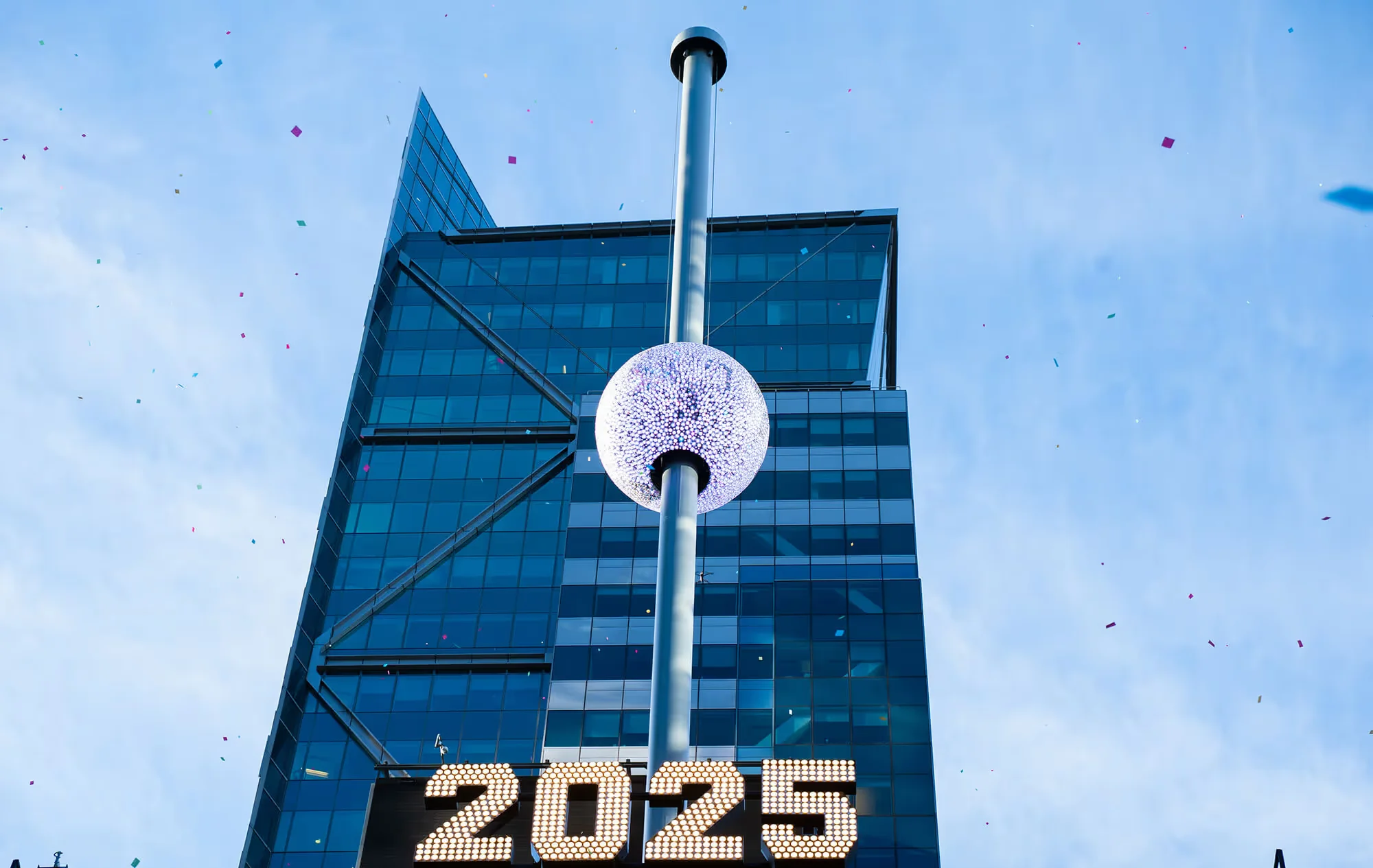
The latest iteration, unveiled for 2025-2026, is the Constellation Ball—the largest in the tradition's history. Measuring 12.5 feet in diameter and weighing 12,350 pounds, it features 5,280 circular Waterford crystals in three sizes (1.5-inch, 3-inch, and 4-inch). This represents a major design departure from the triangular crystals used since 1999. The crystals feature three designs symbolizing "Infinite Joy," "Infinite Light," and "Infinite Beginnings," with the entire ball representing interconnectedness and the cyclical nature of tradition.
Why This Tradition Resonates Worldwide
The Times Square ball drop has inspired similar celebrations across the United States and around the world. Cities now drop objects representing local culture: Miami drops a giant orange, Atlanta a peach, Dillsburg, Pennsylvania drops a pickle (honoring its Irish founders), Mobile, Alabama drops a 600-pound Moon Pie, and Boise, Idaho drops a giant potato. Yet the original remains the most watched, with an estimated global audience exceeding one billion people.
Part of the tradition's enduring appeal lies in its symbolic nature. As Tama Starr, granddaughter of the original ball designer, described it, the final minute of the year feels like "a minute outside of time"—a suspended moment when people can reflect on the past and envision the future. The countdown itself only became part of the tradition in the 1970s, when television announcers began the practice that crowds now join enthusiastically.
The event has also become a platform for recognizing community contributions. Since 1996, special guests have been invited to ceremonially activate the drop, including philanthropists, military veterans, activists, and community leaders. This tradition adds a layer of meaning beyond the spectacle, connecting the celebration to values of service and achievement.
Looking to the Future of the Ball Drop
As Times Square continues to evolve, so does the ball drop tradition. One Times Square is undergoing a $500 million renovation to become a 21st-century visitor center, complete with a museum showcasing previous balls (including a recreation of the 1907 original) and an observation deck. The Constellation Ball represents the latest chapter in this ongoing story, with its interactive capabilities and real-time audio system that creates reactive light patterns based on music.
The enduring success of the Times Square ball drop demonstrates how a simple solution to a practical problem—replacing banned fireworks—evolved into a global cultural phenomenon. It combines historical tradition with cutting-edge technology, community celebration with individual reflection, and local New York character with universal appeal. As the ball continues to drop each New Year's Eve, it not only marks the passage of time but also connects us to over a century of shared human experience, reminding us of where we've been as we look toward where we're going.