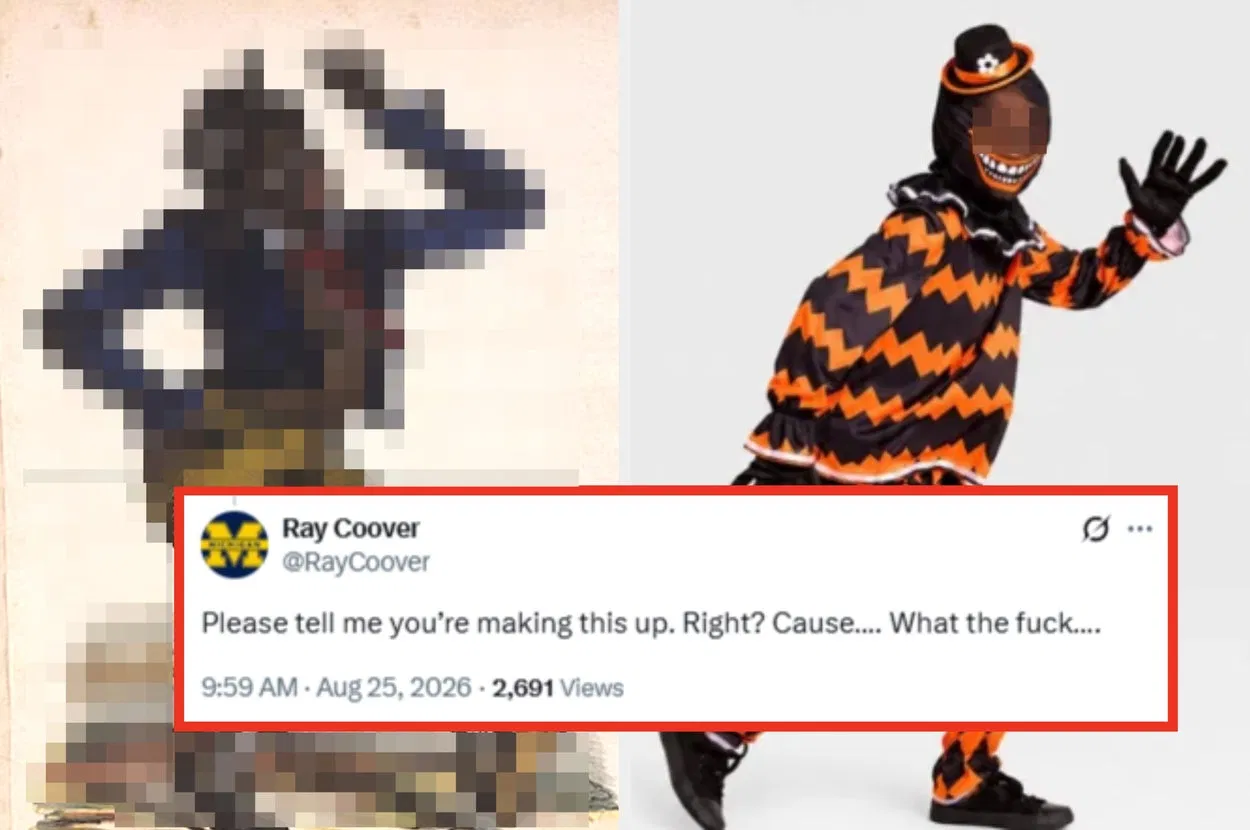
Target's Halloween costume collection is one of the most anticipated parts of the fall shopping calendar, and this season's lineup is already generating conversation — for reasons both fun and serious. The retailer rolled out its seasonal Hyde and EEK! Boutique assortment in August, stocked with affordable looks for kids, adults, couples, and group themes. But one children's costume — the "Kids' Glows Under Blacklight Circus Clown Halloween Costume" — drew swift criticism on social media, with shoppers saying its design evoked blackface and minstrel-era imagery. Target pulled the $25 bodysuit and apologized, calling the costume "offensive" and saying it should never have been part of the assortment. The episode is a useful reminder that picking a Halloween costume involves more than choosing something cute or funny. Here's how to shop Target's costume collection thoughtfully this year, from how the line works to how to choose a look you'll feel good about.
How Target's Halloween Costume Collection Works
Target's Halloween costumes are sold under the retailer's in-house seasonal brand, Hyde and EEK! Boutique. The collection typically drops in August — well before October 31 — and spans a wide range of categories, including kids' bodysuits, adult costumes, plus-size options, couples' sets, and coordinated group themes for families and friends.
Price points are a big part of the appeal. Many kids' bodysuits, like the now-removed clown costume, are priced around $25, while more elaborate adult and licensed looks can run higher. Shoppers can buy online or in stores, with same-day options such as Drive Up, Order Pickup, and Same Day Delivery for many items. Target also frequently offers free shipping on orders of $35 or more.
When browsing, it helps to know what you're looking at. Bodysuits are one-piece outfits with attached hoods, masks, or accessories; "glows under blacklight" pieces are designed to light up at parties that use UV lighting. Target groups costumes by theme — from classic witches, ghosts, and clowns to pop-culture-inspired looks tied to the year's biggest movies and characters.
Because the collection is refreshed each year, popular styles and sizes can sell out quickly. If you spot a costume you love in early fall, it's usually smart to buy it sooner rather than waiting until the last week of October.
How to Choose the Right Target Halloween Costume
Start with the basics: fit and comfort. Check the size chart on each product page, read reviews for notes on whether items run large or small, and consider the weather — a full bodysuit may be too warm for a mild Halloween night, while a lightweight tunic may need layers.
Next, think about the occasion. A costume for a kids' school parade has different requirements than one for an adult party or a couples' theme. Target's assortment makes coordination easy: many designs are available in matching adult and kids' versions, so families can pull together a group look without buying from multiple retailers.
Budget is another factor. Set a number before you shop and remember that accessories — wigs, makeup, tights, and shoes — are often sold separately and can add up. Target's low-cost bodysuits are a good foundation, but a little planning keeps the total in check.
Finally, pay attention to the details that make a costume work in person: how the fabric looks in normal lighting, whether a mask is comfortable, and whether blacklight or glow features actually fit the party you're attending.
The Clown Costume Controversy: What Happened
Not every costume in the collection made it through the season unscathed. Over the weekend of August 23–24, 2026, shoppers began flagging the "Kids' Glows Under Blacklight Circus Clown Halloween Costume" — a $25 one-piece bodysuit — saying its dark face and exaggerated clown features resembled blackface and racist minstrel caricatures. The listing showed the costume modeled by a Black child, which intensified the criticism.
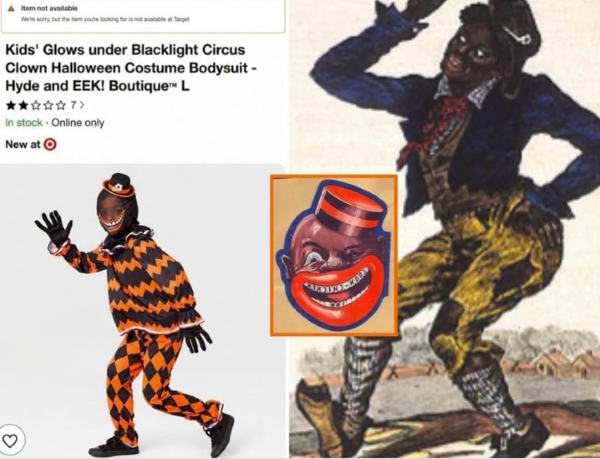
By Monday, August 24, Target had removed the product and issued an apology. "As a company, we know we got this wrong, and we are deeply sorry," Target spokesperson Brian Harper-Tibaldo said in a statement. "The costume is offensive and should never have been part of our assortment. It is no longer available for sale."
The company added that it was "looking closely at how this happened and what needs to change to ensure this won't happen again," and acknowledged the impact on "our Black guests, team members and partners."
Timeline:
- August 23: The costume is spotted and criticized on social media; early coverage begins.
- August 24: Target pulls the listing and issues its "we got this wrong" apology.
- August 25: Major outlets, including Reuters, NBC News, and Newsweek, report on the removal and apology.
Why Cultural Sensitivity Matters When Choosing a Costume
The backlash also reignited a broader conversation about how costumes are designed and approved — and how shoppers can make thoughtful choices. Critics quickly connected the misstep to Target's 2025 decision to roll back its diversity, equity, and inclusion (DEI) programs.
"You rolled back diversity," said Sheletta Brundidge, a Minneapolis-area business leader, "so who's in the room, now, to say 'hey, this is wrong?'" Another widely shared comment on Threads read: "You really don't have anyone left in Minneapolis to say, 'Hey, that's racist'? Y'all cut DEI and now you've got a minstrel clown costume for kids on your website."
For shoppers, the episode is a reminder to look beyond the fun factor. Avoid costumes that lean on racial, ethnic, or cultural stereotypes, and think about how a look reads to people outside your own circle. When in doubt, choose a concept that's clearly rooted in fantasy or pop culture rather than a caricature of a real group of people.
Morningstar analyst Brett Husslein framed the stakes for the retailer: "As Target begins to gain traction in repairing its brand reputation, this is exactly the kind of stuff they want to avoid," he said, adding that any misstep "could lead to further market share losses."
Where Things Stand Now
As of late August 2026, the clown costume is no longer available on Target's website or in stores. The retailer said it is reviewing how the product was designed and approved, though it declined to share details on who designed it or how it was green-lit for sale.
The rest of Target's Halloween assortment remains on sale, and the company's stock was up about 2.7% in afternoon trading the day the apology made headlines — a sign that investors did not immediately treat the incident as a major financial blow. Still, the episode adds to a run of reputational challenges for the Minneapolis-based retailer, including its handling of the 2023 Pride Collection and the DEI rollback itself.
One wrinkle for shoppers: because Hyde and EEK! is a Target-owned brand, its products sometimes appear for resale on third-party marketplaces like Walmart, Amazon, and Etsy. Target said it removed the item from its own channels, and there was no indication it remained available on those sites.
What's Next for Target's Halloween Line
With Halloween still weeks away, Target is expected to keep rolling out and restocking its seasonal collection through October. For shoppers, that means more chances to find popular kids', adult, and group costumes — and more time to plan a thoughtful, comfortable look.
Retail analysts will be watching whether the controversy affects traffic to the costume aisles or broader holiday sales. Target's new CEO, Michael Fiddelke, has been credited with early progress on pricing and merchandising, and the company has little room for further missteps as it works to win back shoppers.
The Bottom Line: Key Points to Remember
- Target's Halloween costumes, sold under the Hyde and EEK! Boutique brand, launch each August and include kids' bodysuits, adult looks, and group themes — many priced around $25.
- One kids' "Glows Under Blacklight Circus Clown" bodysuit was pulled in late August 2026 after critics said it evoked blackface and minstrel imagery.
- Target apologized, calling the costume "offensive," and said it is reviewing its design and approval process.
- When choosing a costume, prioritize fit, comfort, and cultural sensitivity — and buy early, since popular styles sell out fast.