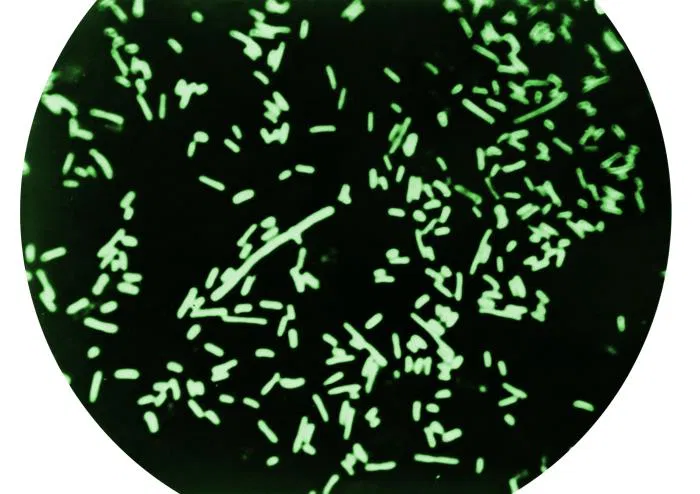
Sexually transmitted diarrhea is not a single disease — it is the term doctors use for a group of gut infections that pass from one person to another during sex. The most common cause is Shigella, a highly contagious family of bacteria behind the illness known as shigellosis, but other germs such as Campylobacter, Salmonella, Giardia and Entamoeba histolytica can also spread through sexual contact. The topic is back in the headlines because drug-resistant “superbug” strains of Shigella are spreading faster than ever, and United States health officials have reported a sharp rise in extensively drug-resistant (XDR) infections.
What Counts as Sexually Transmitted Diarrhea?
In medicine, these conditions are called “sexually transmitted enteric infections.” The word “enteric” simply means they affect the intestines. Most people know these germs as causes of food poisoning, but they can also travel between partners whenever sexual activity brings even a tiny amount of stool into contact with the mouth — a route called fecal-oral transmission. Among all of these pathogens, Shigella is the one most strongly linked to sexual spread. Public-health agencies now describe shigellosis as a sexually transmitted infection in certain networks, particularly among gay, bisexual and other men who have sex with men, as well as among international travelers, people experiencing homelessness, and people living with HIV.
How Shigella Spreads Through Sex
Shigella is extraordinarily infectious. According to the Institut Pasteur, as few as 10 to 100 bacteria are enough to cause disease. The germ lives in stool and is passed when traces of fecal matter reach another person’s mouth. During sex this most often happens through rimming (oral-anal contact), anal play and fingering, or anal and oral sex, especially when hands, sex toys or other surfaces are shared without cleaning. The CDC notes that the bacteria can also move indirectly — for example, through soiled fingers or objects that then touch the mouth. Because so little is needed to transmit it, a single encounter can be enough to pass the infection along.
Symptoms to Watch For
Symptoms usually begin one to three days after exposure, though they can take up to a week to appear. The hallmark is diarrhea, which is often bloody or contains mucus and can be severe, frequent or prolonged. Other common signs include stomach cramps, fever, nausea, vomiting, and a persistent feeling of needing to pass stool, known as tenesmus. Because the diarrhea can be explosive, dehydration is a genuine risk — watch for dizziness, dark urine, a very dry mouth, or reduced urination. Most otherwise healthy people recover within about five to seven days, but symptoms can linger longer, and people with weakened immune systems can become seriously ill.
Other STIs That Can Cause Diarrhea
Shigella is the headline culprit, but it is not the only sexually transmitted cause of diarrhea. Campylobacter, Salmonella, Giardia and Entamoeba histolytica (the cause of amebiasis) can all spread through sexual practices that involve the fecal-oral route. Some classic STIs can also produce gut symptoms. Early HIV infection can cause diarrhea along with fever and swollen lymph nodes, and certain HIV medications list diarrhea as a side effect. Rectal gonorrhea or chlamydia can trigger proctitis or proctocolitis, which may cause rectal discharge, pain and loose stools. Syphilis can also involve the rectum in some cases.
Why Drug-Resistant Shigella Is Making Headlines
The reason “sexually transmitted diarrhea” is trending right now is antibiotic resistance. A CDC analysis published in its MMWR journal looked at 16,788 Shigella samples collected between 2011 and 2023 and found a marked rise in extensively drug-resistant strains. The share of infections caused by XDR Shigella — bacteria resistant to azithromycin, ciprofloxacin, ceftriaxone, trimethoprim-sulfamethoxazole and ampicillin — climbed from 0% in 2015 to about 5% in 2022 and 8.5% in 2023. Shigella causes roughly 450,000 infections in the United States each year, and officials have called the increase an important public-health threat. The pattern is global: England reported 2,560 cases of sexually transmitted Shigella in adult males in 2025, a 25% rise, and a separate 2026 study from the University of Cambridge found sexually transmitted Shigella spreading rapidly and intensely through networks of gay and bisexual men in the UK.
Treatment and When to See a Doctor
Many Shigella infections resolve on their own without antibiotics. The cornerstone of care is rehydration — drinking plenty of fluids or, in more serious cases, receiving fluids through an IV to replace what the body has lost. Antibiotics are reserved for severe or prolonged illness, for people at higher risk of complications, or to shorten how long a person stays contagious, but rising resistance means common drugs may no longer work. Researchers in Australia have even identified a strain resistant to all oral antibiotics. See a doctor if diarrhea lasts more than a few days, contains blood or mucus, or comes with high fever, severe abdominal pain, or signs of dehydration.
How to Prevent Sexually Transmitted Diarrhea
Because Shigella spreads through tiny amounts of stool, simple hygiene is the strongest defense. The CDC recommends washing your hands, genitals and anus with soap and water before and after sex, using barriers such as condoms and dental dams, and changing condoms between anal and oral sex. Avoid rimming and other oral-anal contact if you or your partner has diarrhea, and do not share sex toys without cleaning them or covering them with a fresh condom. Most importantly, wait at least two weeks after diarrhea has completely stopped before having sex again, and avoid preparing food for others while you are sick.
Key Takeaways
- Sexually transmitted diarrhea is usually caused by Shigella, spread through the fecal-oral route during sex.
- Only 10 to 100 bacteria can cause infection, and symptoms appear one to three days after exposure.
- Watch for bloody or mucus-containing diarrhea, cramps, fever, nausea and signs of dehydration.
- Extensively drug-resistant Shigella has risen from 0% of US cases in 2015 to 8.5% in 2023.
- Washing hands, genitals and anus, using barriers, and waiting two weeks after diarrhea ends are key prevention steps.