
When news broke that Midwest Poultry Services, L.P. was voluntarily recalling nearly 1.6 million dozen shell eggs due to possible Salmonella contamination, consumers across Texas, Oklahoma, and Louisiana were left asking the same question: How safe are the eggs in my refrigerator? The recall, announced on July 22, 2026, involves white shell eggs and brown cage free shell eggs produced at Texas farms — a stark reminder that even the most everyday kitchen staple can carry hidden risks.
Salmonella, a group of bacteria that causes an illness called salmonellosis, is one of the leading causes of foodborne illness in the United States. The CDC estimates that Salmonella causes about 1.35 million infections, 26,500 hospitalizations, and 420 deaths across the country every year. And eggs — even those with clean, uncracked shells — can be a vehicle for these bacteria. Here is everything you need to know about the outbreak, how Salmonella contaminates eggs, symptoms to watch for, and the steps you can take to protect yourself and your family.
Inside the Midwest Poultry Services Recall: The Numbers and Details
The recall is one of the largest egg recalls in recent memory. Midwest Poultry Services, L.P. voluntarily pulled 1,589,577 dozen shell eggs from the market after discovering the potential for Salmonella Enteritidis contamination. The eggs were produced at Texas farms between June 6, 2026 and July 3, 2026, and carry sell-by or best-by dates ranging from July 20 through August 17, 2026.

The recalled eggs were distributed to retail and foodservice customers across three states — Texas, Oklahoma, and Louisiana — and were available at Kroger stores in Texas and Louisiana, Brookshire Grocery stores across Texas, Oklahoma, Arkansas, Louisiana, New Mexico, and Mississippi, as well as other smaller retail outlets. The affected brands include Kroger, Simple Truth, Brookshire's, Country Morning, and Sunups. Consumers can identify recalled cartons by looking for plant codes P-1950 or 0840962 printed on the side, with a Julian date between 157 and 184. As of the recall announcement, no illnesses had been reported, but health officials continue to monitor the situation closely.
How Salmonella Ends Up Inside Your Eggs
Many people are surprised to learn that Salmonella can be present inside eggs that look perfectly normal. Unlike surface contamination that can be washed away, Salmonella Enteritidis can infect the ovaries of healthy-looking hens and contaminate eggs before the shells are even formed. This means the bacteria can be sealed inside a pristine, uncracked egg.
Salmonella bacteria live in the intestines of people and animals. The CDC explains that the bacteria can spread to people through several pathways: eating contaminated food, drinking or coming into contact with contaminated water, touching animals and their environments, and through person-to-person contact. Contaminated food remains the most common route. While chicken meat is frequently highlighted — more than 1 in every 25 packages of chicken at the grocery store is contaminated with Salmonella — eggs, fruits, pork, seeded vegetables like tomatoes, beef, and turkey have all been linked to outbreaks.
Warmer weather creates ideal conditions for Salmonella to multiply, which is why infections spike during summer months. When perishable foods like eggs are not promptly refrigerated at 40°F or below, any bacteria present can grow rapidly, increasing the risk of illness.
Recognizing Salmonella Symptoms: When to Seek Help
Symptoms of Salmonella infection typically appear 6 hours to 6 days after exposure, though the FDA notes it can take 12 to 72 hours. The hallmark signs include watery diarrhea that may contain blood or mucus, severe stomach cramps, and fever. Some people also experience headache, nausea, vomiting, and loss of appetite. For most healthy adults, the illness runs its course in 4 to 7 days without the need for antibiotics.

However, certain groups face a significantly higher risk of severe illness. Children under 5 years old — especially those under 1 — adults aged 65 and older, people with weakened immune systems, and those over 50 with underlying conditions like heart disease should be especially vigilant. The FDA estimates that approximately 450 people in the United States die each year from acute salmonellosis.
Health officials recommend calling a doctor if diarrhea or vomiting persists for more than 2 days, if there is blood in stool or urine, if fever rises above 102°F, or if signs of dehydration appear — including very dark urine, dry mouth, dizziness, or crying without tears. Dehydration can happen especially quickly in young children, so parents should provide extra fluids like Pedialyte or oral rehydration salts at the first sign of illness.
Rare but Serious Complications
While most people recover fully, Salmonella infection can sometimes lead to more serious outcomes. In some cases, the bacteria can spread beyond the intestines to the blood, bones, joints, brain, or other internal organs, causing conditions like bacteremia, meningitis, osteomyelitis, or septic arthritis. A small number of people — most commonly those between 15 and 35 years old — develop reactive arthritis, a condition that can cause joint pain lasting months or even years, along with eye irritation and painful urination.
The CDC also warns that antimicrobial-resistant Salmonella infections are becoming more common. When bacteria develop resistance to the drugs designed to kill them, treatment options for severe cases become limited. This makes prevention all the more critical.
How to Protect Yourself: Egg Safety From Store to Plate
The FDA requires all cartons of shell eggs that have not been treated to destroy Salmonella to display a safe handling statement: "To prevent illness from bacteria: keep eggs refrigerated, cook eggs until yolks are firm, and cook foods containing eggs thoroughly." Following these instructions — and a few additional precautions — dramatically reduces your risk.
At the store, buy eggs only from refrigerated cases and open the carton to check that the eggs are clean and uncracked. At home, store eggs promptly in a clean refrigerator at 40°F or below, keep them in their original carton, and use them within three weeks for best quality. When cooking, heat eggs until both the yolk and white are firm — scrambled eggs should never be runny — and cook casseroles and other egg dishes to an internal temperature of 160°F.
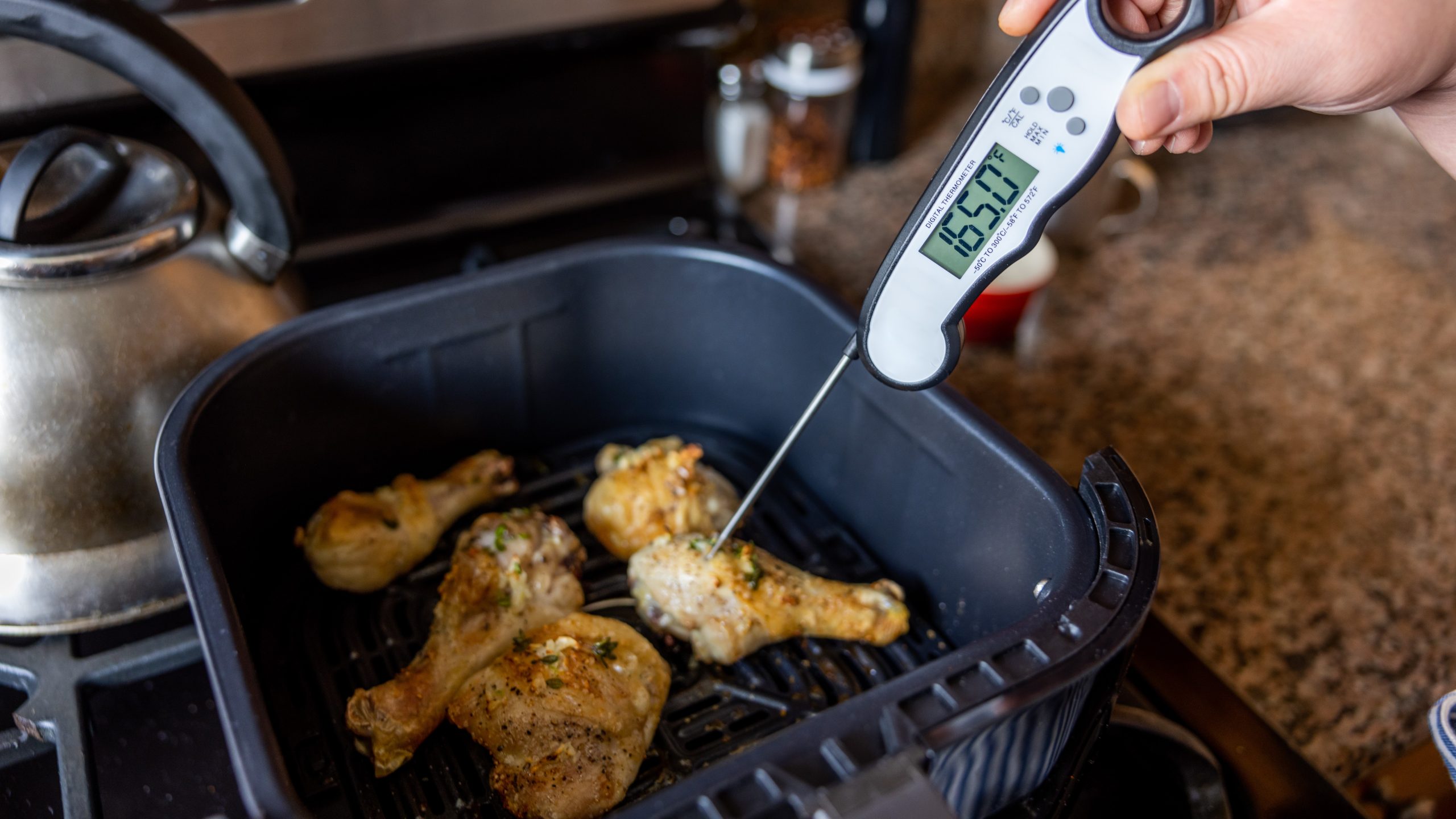
For recipes that call for raw or undercooked eggs — like Caesar salad dressing, homemade mayonnaise, or some ice creams — use pasteurized egg products or shell eggs that have been treated to destroy Salmonella. When serving, never leave cooked eggs or egg dishes at room temperature for more than 2 hours (or 1 hour when temperatures exceed 90°F). Hard-cooked eggs should be used within one week, and leftover egg dishes refrigerated and consumed within 3 to 4 days.
Beyond eggs, the CDC recommends four simple food safety steps for all foods: clean (wash hands and surfaces often), separate (avoid cross-contamination between raw and ready-to-eat foods), cook (heat foods to safe internal temperatures), and chill (refrigerate promptly). Handwashing alone — with soap and water for at least 20 seconds — is one of the most effective ways to prevent the spread of Salmonella and other foodborne germs.
What to Do If You Have Recalled Eggs
If you find eggs in your refrigerator that match the recalled plant codes P-1950 or 0840962 with Julian dates between 157 and 184, do not eat them. The FDA advises consumers to either discard the eggs or return them to the place of purchase for a full refund. After handling potentially contaminated eggs or their packaging, wash your hands thoroughly with warm water and soap, and sanitize any surfaces, refrigerator shelves, or utensils that may have come into contact with the product.
If you believe you have consumed recalled eggs and develop symptoms consistent with Salmonella infection — particularly if you are in a high-risk group — contact your healthcare provider. You can also report adverse events related to food products through the FDA's Industry and Consumer Assistance portal.
The Bottom Line: Stay Informed, Stay Safe
Eggs remain a nutritious and versatile food, and following proper handling and cooking practices makes them safe to enjoy. The key takeaways from this recall and the broader science of Salmonella prevention are straightforward:
- Always check your eggs against active recall notices — look for plant codes and date ranges on the carton.
- Refrigerate eggs at 40°F or below and cook them until both yolks and whites are firm.
- Symptoms of Salmonella infection include diarrhea, fever, and stomach cramps appearing 6 hours to 6 days after exposure — seek medical attention if symptoms are severe or last more than 2 days.
- High-risk groups — young children, older adults, pregnant women, and immunocompromised individuals — should take extra precautions with egg safety.
- When in doubt, throw it out: no egg dish is worth the risk of a serious foodborne illness.