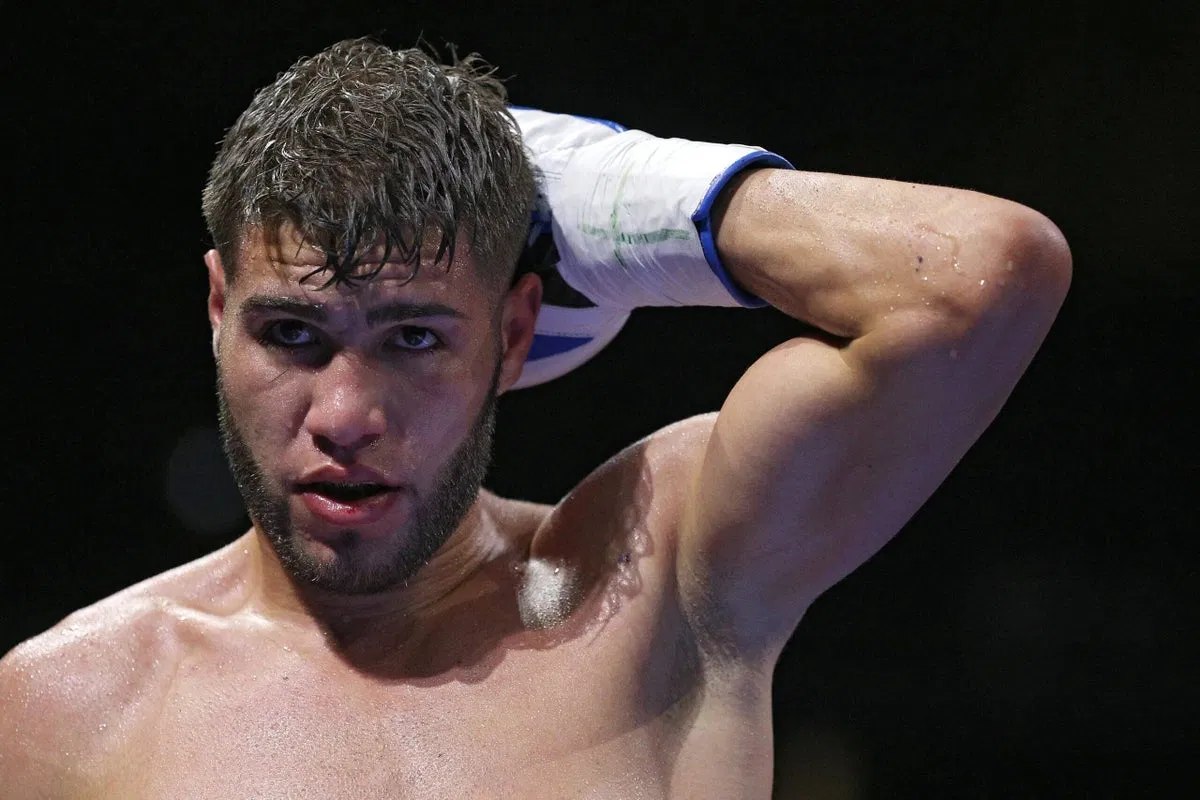
Puerto Rican boxer Prichard Colón Meléndez, an undefeated super welterweight whose promising career ended in a single 2015 bout, died on August 13, 2026, at age 33 — 11 years after a fight left him with a severe traumatic brain injury from which he never fully recovered. His father announced the news, closing one of modern boxing's most wrenching safety stories and reigniting long-running questions about how a rising star's life was changed in nine rounds of a fight gone wrong.
Once hailed as a future world champion, Colón instead spent the final decade of his life in a persistent vegetative state, unable to speak, after suffering a subdural hematoma — a form of bleeding on the brain — during an undercard bout against Terrel Williams on October 17, 2015, at EagleBank Arena in Fairfax, Virginia.
How a 2015 Fight Left a Rising Star With a Bleeding Brain
Colón entered the ring that night with a flawless 16-0 professional record, including 13 knockouts, and the nickname "Digget." The fight against Williams, added to the card at the last minute, was supposed to be another step toward world-title contention. Instead, it became the final chapter of his career.
Over nine rounds, Williams repeatedly landed "rabbit punches" — illegal blows to the back of the head and base of the skull. Colón complained to referee Joseph Cooper throughout the bout, but according to multiple reports the referee dismissed him, telling him, "You take care of it." Colón was knocked down for the first time in his professional career in the ninth round. He told the ringside doctor he felt dizzy but believed he could continue, and was cleared to keep fighting.
After the bout, Colón was helped to his dressing room by his mother, where he vomited and collapsed. Rushed to Inova Fairfax Hospital, he was diagnosed with a left-sided subdural hematoma measuring 1.5 centimeters in diameter, with 1.2 centimeters of midline shift — meaning the bleeding had pushed his brain off-center. Surgeons performed an emergency hemicraniectomy, removing part of his skull to relieve the pressure. Colón then spent 221 days in a coma.
What Is a Subdural Hematoma — and Why Are Rabbit Punches So Dangerous?
A subdural hematoma is a collection of blood that forms between the brain and its tough outermost covering, the dura mater. It typically occurs when the bridging veins running through that space tear, often from a blow that makes the brain shift rapidly inside the skull. As blood pools and presses against the brain, pressure can build dangerously — a condition doctors measure through "midline shift," when brain structures are pushed away from the center.
Rabbit punches are uniquely hazardous because they target the back of the head and the base of the skull, near the brainstem, which controls breathing, heart rate, and consciousness. Blows there can tear veins, trigger bleeding, and injure the brainstem directly. That is why rabbit punches are banned across all major combat sports — and why enforcing that ban is considered a critical safety duty for referees.
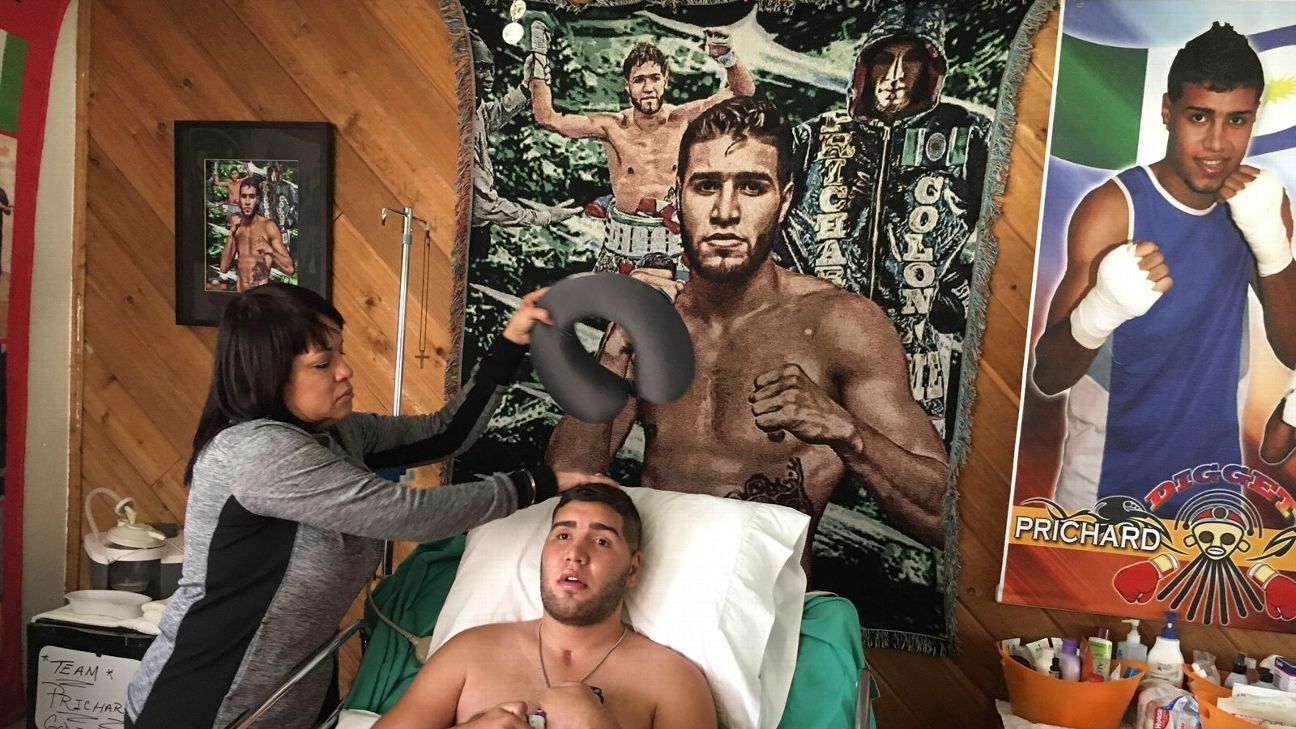
When bleeding and swelling become severe, surgeons may perform a hemicraniectomy, removing a portion of the skull so the swollen brain has room to expand. For Colón, the procedure saved his life but could not restore function: he emerged from the coma into a persistent vegetative state, meaning he had sleep-wake cycles but no meaningful awareness of his surroundings.
Timeline: From Undefeated Prospect to a Family's 11-Year Vigil
- September 19, 1992: Prichard Colón Meléndez is born in Maitland, Florida.
- 2010: Wins gold at the Pan American Youth Championship in the 64 kg division.
- February 23, 2013: Turns professional and begins a 16-0 run with 13 knockouts.
- October 17, 2015: Fights Terrel Williams, suffers repeated rabbit punches, and collapses afterward with a subdural hematoma.
- 2015–2016: Spends 221 days in a coma, then is transferred to the Shepherd Center in Atlanta for rehabilitation.
- May 2017: His parents file a lawsuit seeking more than $50 million against the ringside doctor and fight organizers.
- July 2018: His mother shares a video of Colón responding to verbal commands during therapy.
- August 13, 2026: Colón dies in Orlando, Florida, at age 33; his father announces the news.
Why Boxing Head Injuries Happen — and How the Sport Has Responded
Colón's case became a flashpoint for boxing safety because it unfolded in plain view: illegal punches landed repeatedly, a fighter signaled distress, and the bout continued. Critics pointed to failures at multiple levels — a referee who did not stop the rabbit punches and a ringside doctor who cleared a dizzy fighter to continue. The ringside physician, Dr. Richard Ashby, later became a target of the family's lawsuit, which has still not gone to trial.
In the years since, brain-injury awareness has reshaped how combat sports handle head trauma. Ringside physicians have broader authority to stop fights, concussion protocols are more standardized, and referees are trained to penalize blows to the back of the head more aggressively. Yet the sport remains inherently dangerous: every punch to the head carries some risk of the kind of bleeding that ended Colón's life.
Medical experts stress that the early signs of a brain bleed can be subtle — dizziness, nausea, confusion, or vomiting — and that fighters who show them should be removed from competition immediately. Colón's collapse in the dressing room, after he had already reported dizziness, has been cited as a textbook example of why early symptoms must never be waved off.
Where Things Stand Now: A Family's Grief and an Unresolved Lawsuit
Colón's death was announced by his father on August 13, 2026, and confirmed by outlets including The Athletic and CNN. The family's $50 million lawsuit against the ringside physician and the fight's organizers, filed in 2017, had still not been settled or brought to trial as of 2025. His mother, Nieves Meléndez, had previously said she feared the case might never be resolved.
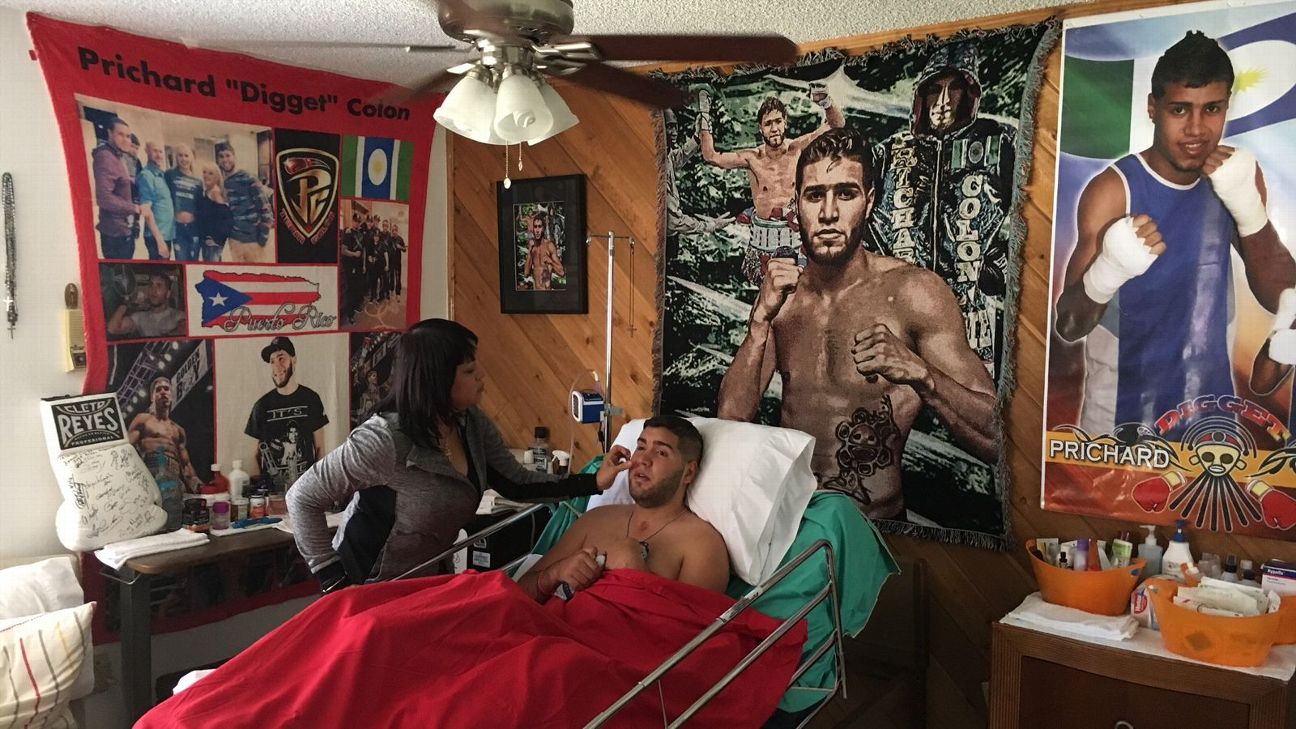
For years, his mother documented his rehabilitation on social media, showing him responding to commands and communicating through a computer — progress that offered hope even as he never regained his speech. Terrel Williams, the opponent whose punches caused the injury, said in a 2017 interview that he prayed for Colón daily and did not place blame on himself: "I would never intentionally harm someone like that."
What Happens Next for Boxing Safety and Colón's Legacy
Colón's death is likely to renew scrutiny of ringside medical oversight and the enforcement of rules against illegal blows. Advocates for fighter safety have long used his case to argue for stricter penalties for rabbit punches and mandatory stoppages when a fighter shows signs of a concussion. Whether the long-stalled lawsuit reaches any resolution remains uncertain, but his story has already become a lasting reference point in debates over how far boxing should go to protect its athletes.
The Bottom Line: Key Takeaways
- Prichard Colón, a 16-0 boxing prospect, died on August 13, 2026, at age 33, 11 years after suffering a severe brain injury in the ring.
- The injury, a left-sided subdural hematoma, was caused by repeated illegal rabbit punches during a 2015 fight against Terrel Williams.
- He spent 221 days in a coma and lived in a persistent vegetative state, never regaining his speech.
- His family's $50 million lawsuit against the ringside doctor and fight organizers has never gone to trial.
- The case remains a defining example of boxing's brain-injury risks and the importance of enforcing safety rules.