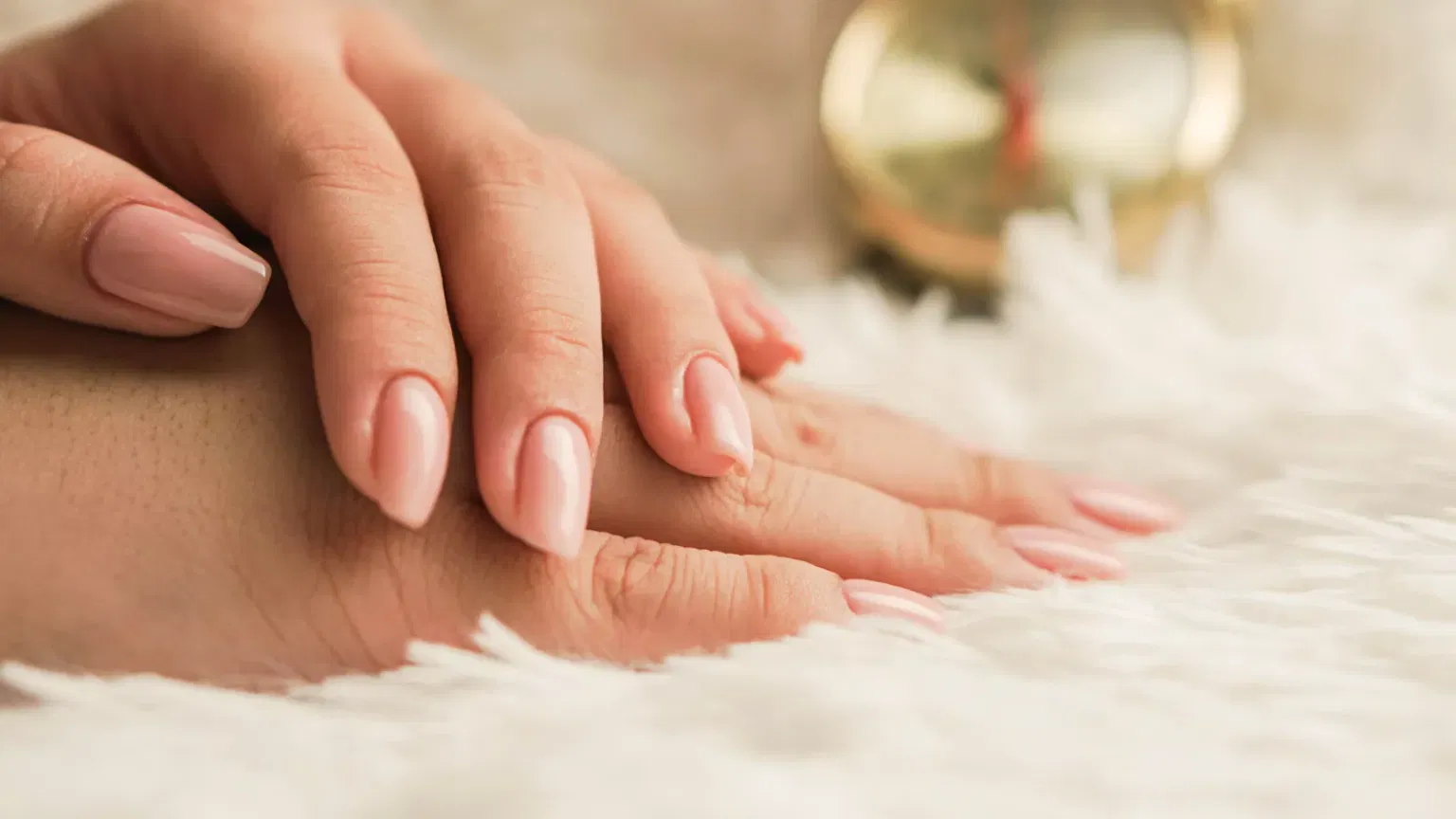
Nails are far more than a blank canvas for your next manicure — they're a window into your overall health. Healthy fingernails are smooth, even in color, and free of pits, ridges, and splitting, and keeping them that way takes more than a quick coat of polish. Dermatologists say the way you trim, moisturize, and even eat directly shapes the strength and appearance of your nails. From the science of how fast nails actually grow to the at-home routines and 2025 trends taking over salons, here's everything you need to know about building stronger, healthier nails.
How Fast Do Nails Grow? The Science Behind the Keratin
Fingernails grow at an average rate of about 3.47 millimeters per month, while toenails creep along at roughly 1.62 millimeters per month, according to a widely cited study published in the Journal of the European Academy of Dermatology and Venereology. That works out to roughly 0.1 millimeter a day — which means a full fingernail takes about four to six months to completely regrow, and a toenail can take up to a year and a half to grow back from scratch.
Because nails grow slowly, the habits you pick up today can leave a visible mark for months. Nails are made of keratin, the same tough protein that builds your hair and the outer layer of your skin. They form in the nail matrix — the hidden root tucked beneath your cuticle — and harden as new cells push older ones forward toward the fingertip. That slow, steady cycle is exactly why patience matters: genuine nail improvements rarely show up overnight, and a bad habit or injury can linger for a full growth cycle.
11 Dermatologist-Approved Nail Care Rules
The American Academy of Dermatology (AAD) distills decades of clinical guidance into a simple list of do's and don'ts that are easy to fold into a weekly routine.
The Do's
- Keep nails clean and dry to prevent bacteria and fungus from growing underneath.
- Cut nails straight across with sharp clippers or manicure scissors, then gently round the tips with an emery board.
- Moisturize your nails and cuticles every day, especially after washing your hands.
- Wear gloves when doing dishes, cleaning, or any task that keeps hands wet for long stretches.
- Use creams, oils, or ointments on nails daily after they've been wet.
The Don'ts
- Don't bite your nails or pick at cuticles — both open the door to infection.
- Don't use your nails as tools to pry, scrape, or open things.
- Don't cut or trim your cuticles; they act as a protective seal against bacteria.
- Don't pull off hangnails — clip them carefully with clean clippers instead.
- Don't ignore persistent nail changes like discoloration, thickening, or separation from the nail bed.
The single most common mistake experts flag is aggressive cuticle cutting. As dermatologists put it, the cuticle is a working part of your nail, not a flaw to be trimmed away — removing it leaves a gap where bacteria and fungus can slip in. Instead, soften cuticles with warm water or a cuticle remover, then gently push them back with an orange stick. Follow up with daily moisture, since cuticles crack and peel when they dry out.
What Your Nails Are Trying to Tell You
Nails often broadcast subtle health signals long before other symptoms appear. Here's how to decode the most common changes you might spot:
- White spots (leukonychia): Usually the result of minor bumps or trauma to the nail base — not, despite the popular myth, a calcium deficiency.
- Vertical ridges: Generally a normal, harmless sign of aging, much like wrinkles in skin.
- Yellow nails: Often caused by repeated dark polish staining or a fungal infection, which is worth having a doctor check.
- Brittle, peeling, or splitting nails: Can point to frequent wet-dry cycles, over-buffing, or a shortfall in nutrients like biotin, iron, or zinc.
Dermatologists agree that occasional white spots and ridges are rarely cause for alarm. But persistent discoloration, thickening, or a nail separating from the nail bed deserves a professional look — these can signal fungal infection, psoriasis, or other underlying conditions that need treatment rather than polish.
Feed Your Nails: Nutrients That Build Stronger Keratin
What you eat reaches your nail matrix too. The standout nutrient is biotin, also called vitamin B7, which research links to firmer, less brittle nails — one study found that 2.5 milligrams of biotin daily improved nail firmness and thickness in people with brittle nails. Other nail-supporting nutrients include iron, zinc, magnesium, protein, and healthy fats.
You don't need a cabinet full of supplements to check those boxes. Eggs are a biotin and protein powerhouse, while salmon delivers protein and healthy fats. Nuts, seeds, and avocados supply the fats and magnesium that help nails grow shinier and stronger, and leafy greens round out the iron and folate. A balanced, whole-foods diet is the simplest way to support nail health from the inside out — and it benefits your hair and skin at the same time.
Nail Art and 2025 Trends: What's Hot Right Now
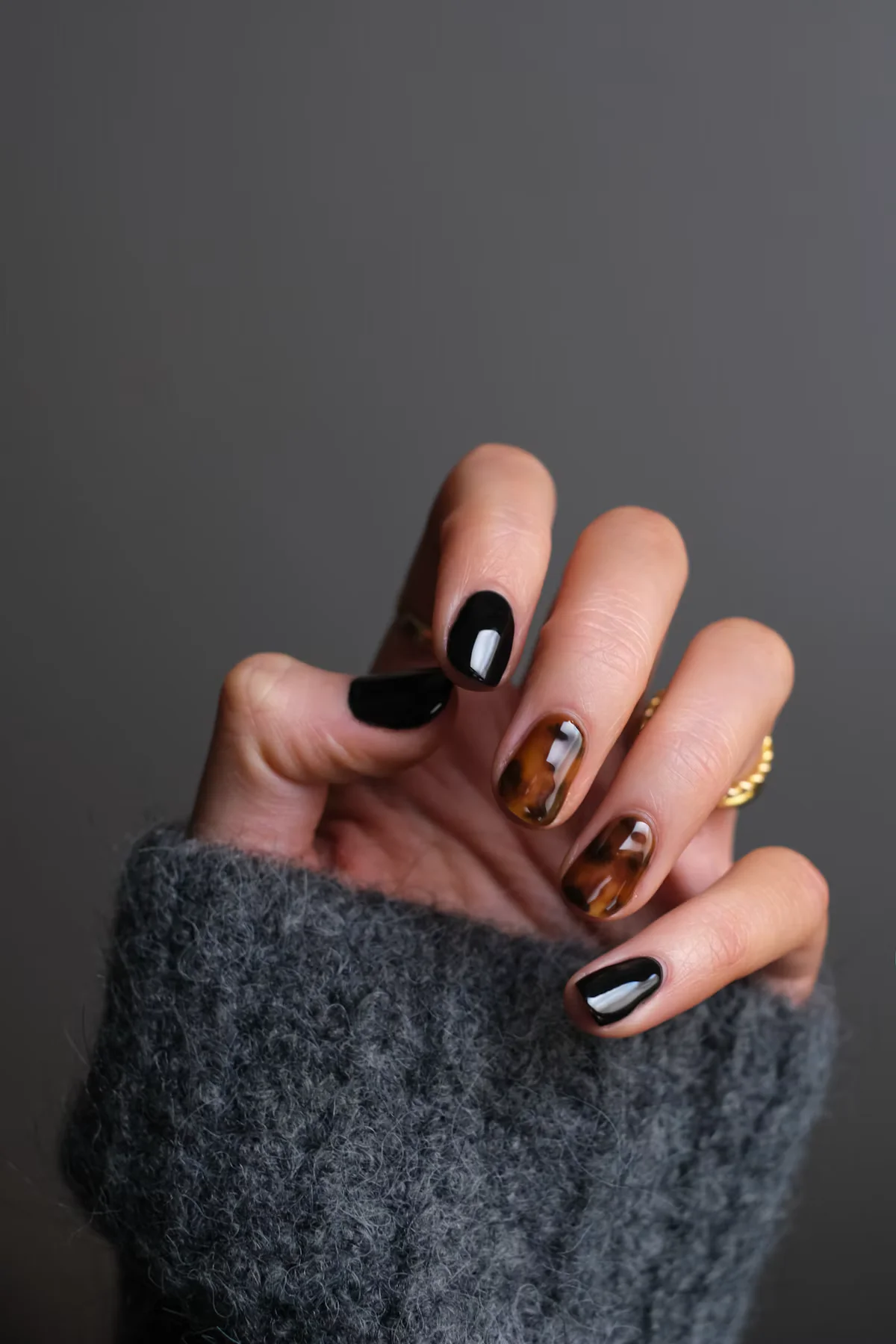
On the style side, 2025 is the year of the glossy, clean, fresh-from-the-shower finish. Manicurists are calling it soap nails — an ultra-shiny, barely-there sheen that looks natural but polished. Other trends dominating feeds and salons include glazed donut nails (the pearly chrome made famous by Hailey Bieber), mirror-shine chrome and cat-eye finishes, and micro French tips with a modern, colorful twist. Polka dots and animal print are also having a moment for the bolder set.
If you're new to DIY nail art, start with designs that are forgiving and require only a few tools. Polka dots, simple stripes, glitter accents, and classic French tips are the go-to beginner looks. A dotting tool, a thin striping brush, and a roll of striping tape cover most easy designs — from tape-lined French tips to sponge-blended ombré and a single statement accent nail.
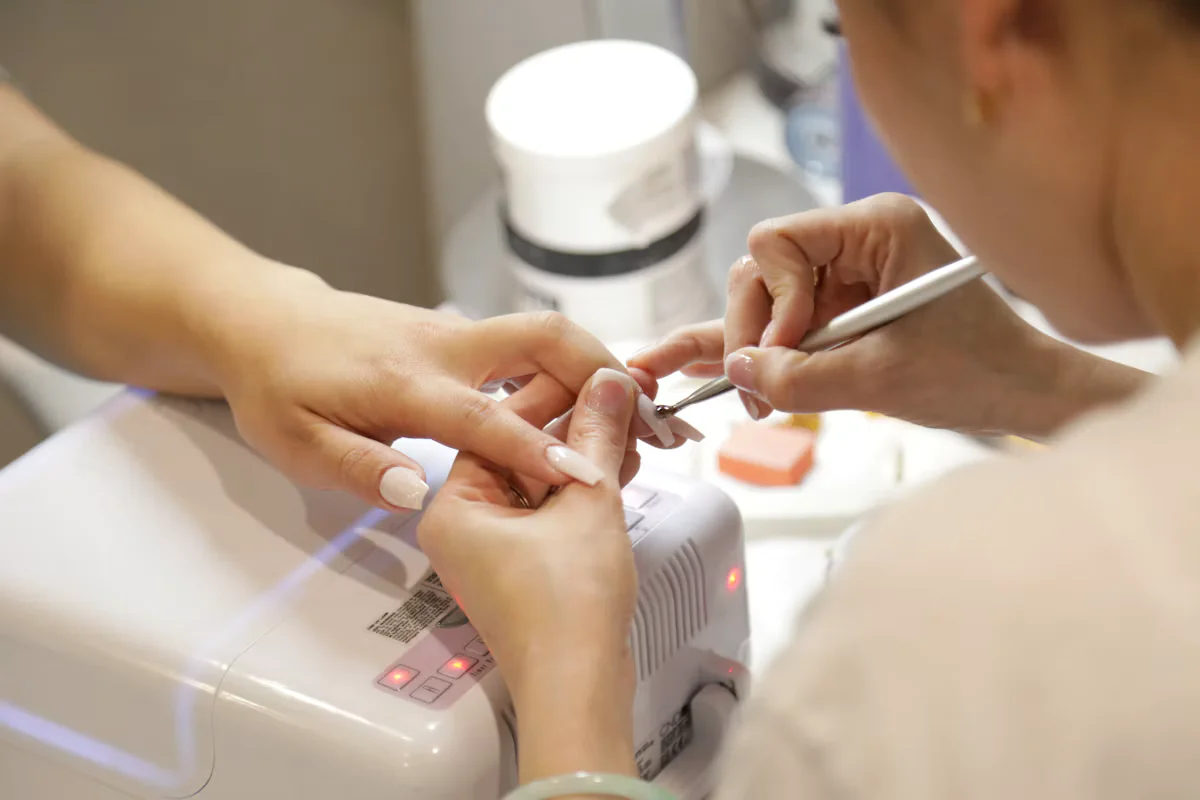
Whatever design you choose, always start with a base coat to protect the nail and finish with a quick-dry top coat to lock everything in. Thin, even layers dry faster and chip less than one thick swipe.
How to Remove Gel Polish Without Wrecking Your Nails
Gel manicures look great, but the removal process is where most damage happens — and peeling them off is the worst offender, since it strips away layers of the natural nail. The safe method, recommended by dermatologists and nail pros alike, is to gently buff the shiny top coat with an emery board, then soak nails in 100% acetone for 10 to 15 minutes. Once the gel softens, push it away gently with a wooden stick — never force or scrape it. Afterward, wash your hands and apply a rich cuticle oil or hand cream, because acetone is notoriously drying.
The Bottom Line: Your Healthy Nail Checklist
- Trim straight across, then round the tips with a gentle emery board.
- Keep nails clean, dry, and moisturized every day.
- Never cut cuticles or peel off gel polish.
- Protect hands with gloves during dishes and cleaning.
- Feed nails with biotin, iron, zinc, and protein-rich foods.
- Watch for persistent discoloration or separation — and see a doctor when it appears.
Strong, healthy nails aren't about expensive products or salon-only secrets. They're the payoff of a few consistent habits: careful trimming, daily moisture, smart nutrition, and a little patience while new, healthier nail grows in over the months ahead.