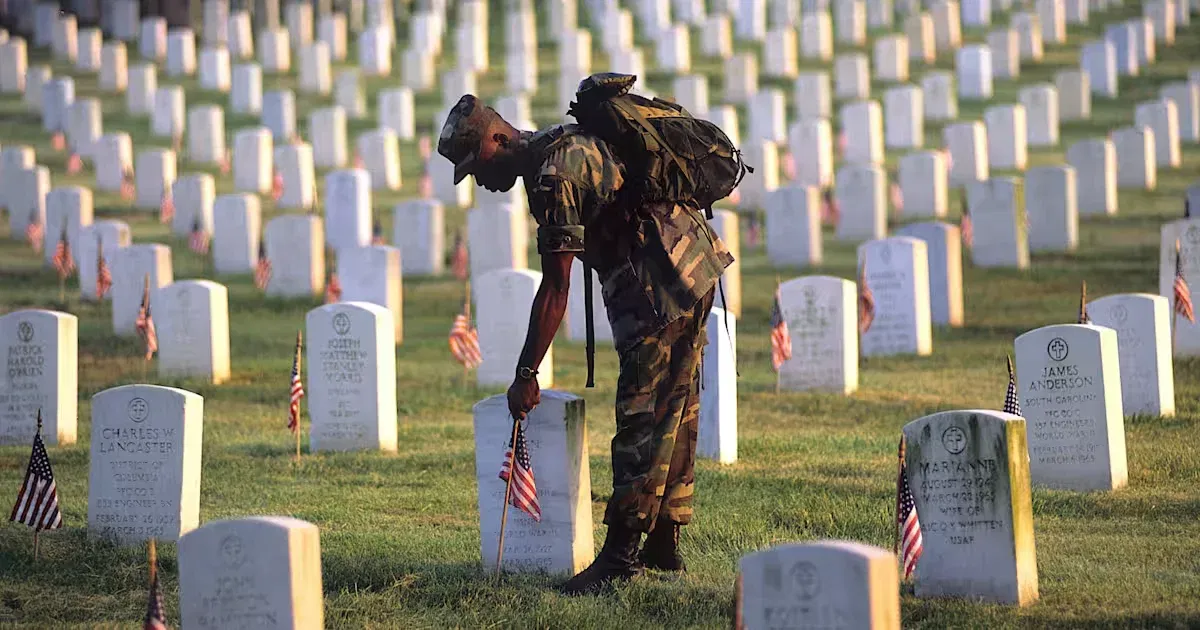
Memorial Day 2026 is fast approaching, and on Monday, May 25, communities across the United States will pause to honor the men and women who gave their lives while serving in the U.S. Armed Forces. While many associate the last Monday in May with the unofficial start of summer, backyard barbecues, and long weekends, the true meaning of Memorial Day runs far deeper. This federal holiday, observed annually since its establishment in 1971, has roots stretching back to the aftermath of the Civil War, when devastated communities first began coming together to decorate the graves of fallen soldiers.
The Origins of Memorial Day: From Decoration Day to a National Holiday
Memorial Day was originally known as "Decoration Day," a name that reflected the early tradition of placing flowers, wreaths, and flags on the graves of military personnel. The practice emerged organically after the Civil War, which claimed the lives of approximately 620,000 soldiers — roughly 2 percent of the U.S. population at the time. Communities across the nation sought ways to honor their dead, and informal grave-decorating ceremonies sprang up in towns both north and south.
One of the earliest recorded observances took place on May 1, 1865, in Charleston, South Carolina, where a group of formerly enslaved people gathered to give proper burial to Union prisoners of war who had died at a local racetrack-turned-prison. Thousands attended the procession, led by 3,000 school children carrying flowers and singing patriotic songs. This event, uncovered by historians in recent decades, predates the more widely recognized first national observance.
In 1868, General John A. Logan of the Grand Army of the Republic officially proclaimed May 30 as Decoration Day, choosing the date because it was not the anniversary of any particular battle and because late May would ensure "the choicest flowers of springtime" would be in bloom nationwide. On that first official observance, General James Garfield delivered a speech at Arlington National Cemetery, where roughly 5,000 attendees decorated the graves of 20,000 Civil War soldiers with small American flags. By 1890, every Northern state had made Decoration Day an official state holiday.
Timeline: How Memorial Day Evolved Over Time
The journey from a scattered series of local commemorations to a federally recognized holiday took more than a century. Understanding this timeline helps place the holiday in its proper historical context.
1865 — The first known Memorial Day-type observance is held in Charleston, South Carolina, by newly freed African Americans honoring Union soldiers. 1866 — Waterloo, New York, holds a community-wide event where businesses close and residents decorate soldiers' graves with flowers and flags. The federal government would later declare Waterloo the official birthplace of Memorial Day. 1868 — General John A. Logan proclaims May 30 as Decoration Day, and the first national observance takes place at Arlington National Cemetery. 1890 — All Northern states recognize Decoration Day as an official state holiday. World War I era — The holiday expands to honor fallen soldiers from all American wars, not just the Civil War. 1950 — President Harry Truman calls for Memorial Day to be "dedicated also as a day for Nation-wide prayer for permanent peace." 1966 — President Lyndon B. Johnson signs a proclamation declaring Waterloo, New York, the official birthplace of Memorial Day. 1971 — The Uniform Monday Holiday Act takes effect, making Memorial Day a federal holiday observed on the last Monday of May.
Why Memorial Day Matters: Understanding the Difference From Veterans Day
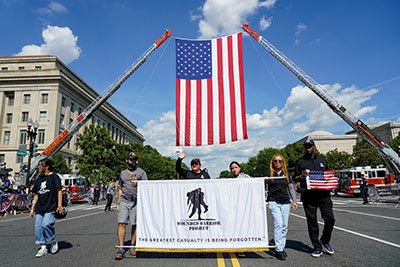
A common point of confusion surrounds the distinction between Memorial Day and Veterans Day, but the two holidays carry very different meanings. Memorial Day specifically honors the men and women who died while serving in the U.S. military. Veterans Day, observed on November 11, honors all who have served in the U.S. Armed Forces, whether living or deceased. The tone of Memorial Day is intentionally more solemn. As Wilton Williamson Jr., vice president of Connection at Wounded Warrior Project, explains: "The greatest casualty is being forgotten. We will never forget. Memorial Day is a time to remember and honor all of those who paid the ultimate sacrifice while serving this country."
For many service members and veterans, the day is deeply personal. Army veteran Edwin Martinez shared: "Memorial Day is important to me because I honor those who have sacrificed their lives and their family's lives in pursuit of freedom for our nation. What greater gift can one man or woman sacrifice to keep the U.S. free and maintain our way of life?" U.S. Marine Corps veteran David Daly added: "For me, the day reminds me of friends lost and the horrors of war. At the same time, it reminds us all that we still live in a place where heroes are among us."
Memorial Day Traditions: Parades, Poppies, and Flag Etiquette
Across the country, cities and towns host Memorial Day parades featuring military personnel, veterans' organizations, and community groups. Some of the largest parades take place in Chicago, New York, and Washington, D.C. Americans also observe the day by visiting cemeteries and memorials, leaving flags and flowers at gravesites.
The red poppy has become one of the most recognizable symbols of Memorial Day. This tradition was inspired by the 1915 World War I poem "In Flanders Fields" by John McCrae, which described poppies growing among the graves of fallen soldiers. The practice of wearing a red poppy in remembrance was popularized by Moina Michael, who wrote her own poem in response and vowed to wear a red poppy year-round.
Flag etiquette on Memorial Day follows specific protocols. According to U.S. Code, the American flag should be flown at half-staff from sunrise until noon, then raised briskly to full staff from noon until sunset. The half-staff position in the morning serves as a symbol of mourning for the fallen, while the noon raising represents the nation's resolve to carry on their legacy. The flag should never touch the ground, and it should not be displayed in severe weather unless it is an all-weather flag.
At 3:00 p.m. local time, Americans are encouraged to observe a National Moment of Remembrance, pausing for one minute to reflect on the sacrifices made by those who died in service. This tradition was established by Congress through the National Moment of Remembrance Act.
Where Things Stand: What's Open and Closed on Memorial Day 2026
As a federal holiday, Memorial Day means government offices, post offices, and banks will be closed. Many Americans also wonder about retail and grocery hours. Costco warehouses will be closed on Memorial Day 2026, consistent with the retailer's policy of observing seven holidays each year, including Memorial Day. According to Costco customer service, the company closes on New Year's Day, Easter Sunday, Memorial Day, Independence Day, Labor Day, Thanksgiving Day, and Christmas Day. Walmart and Target, however, will remain open on Memorial Day, though some locations may operate on modified hours. It is always a good idea to check with your local store before heading out.
How to Observe Memorial Day With Meaning and Respect
For those wondering how to appropriately mark the occasion, there are several meaningful ways to honor the fallen. Attend a local Memorial Day ceremony or parade in your community. Visit a cemetery and place a flag or flowers on a veteran's grave. Participate in the National Moment of Remembrance at 3:00 p.m. Share stories about service members and their sacrifices with family and friends. Some families take part in the "Murph" workout — a grueling physical challenge named after Navy SEAL Michael Murphy, who was killed in Afghanistan and received the Medal of Honor.
Language matters on Memorial Day as well. Rather than saying "Happy Memorial Day," which many in the military community find inappropriate given the day's solemn nature, consider saying "Have a meaningful Memorial Day" or "Today and always, I'm remembering those who gave everything." It is also generally considered inappropriate to thank a service member for their service on this specific day, as Memorial Day is reserved for honoring those who made the ultimate sacrifice.
The Bottom Line: Key Points to Remember
Memorial Day 2026 arrives on Monday, May 25, bringing with it an opportunity for reflection and gratitude. The holiday began as Decoration Day after the Civil War, evolved to honor fallen soldiers from all American wars, and became a federal holiday in 1971. It is distinct from Veterans Day in that it specifically honors those who died in service. Traditions include flying the flag at half-staff until noon, wearing red poppies, visiting cemeteries, attending parades, and observing a moment of silence at 3:00 p.m. As you enjoy the long weekend, take a moment to remember the true meaning behind the day — honoring the brave men and women who gave their lives defending the nation.