
When news about actress Lucy Davis — beloved for her role as Dawn Tinsley in the original UK version of The Office — brought breast cancer into headlines, it sparked an important conversation that millions of people needed to have. Breast cancer remains the most common cancer diagnosed among women, yet many people are still unsure about what to look for, who is at risk, and when to seek medical advice. Understanding the facts behind breast cancer is one of the most powerful steps anyone can take toward early detection and better outcomes.
What Is Breast Cancer and How Does It Develop?
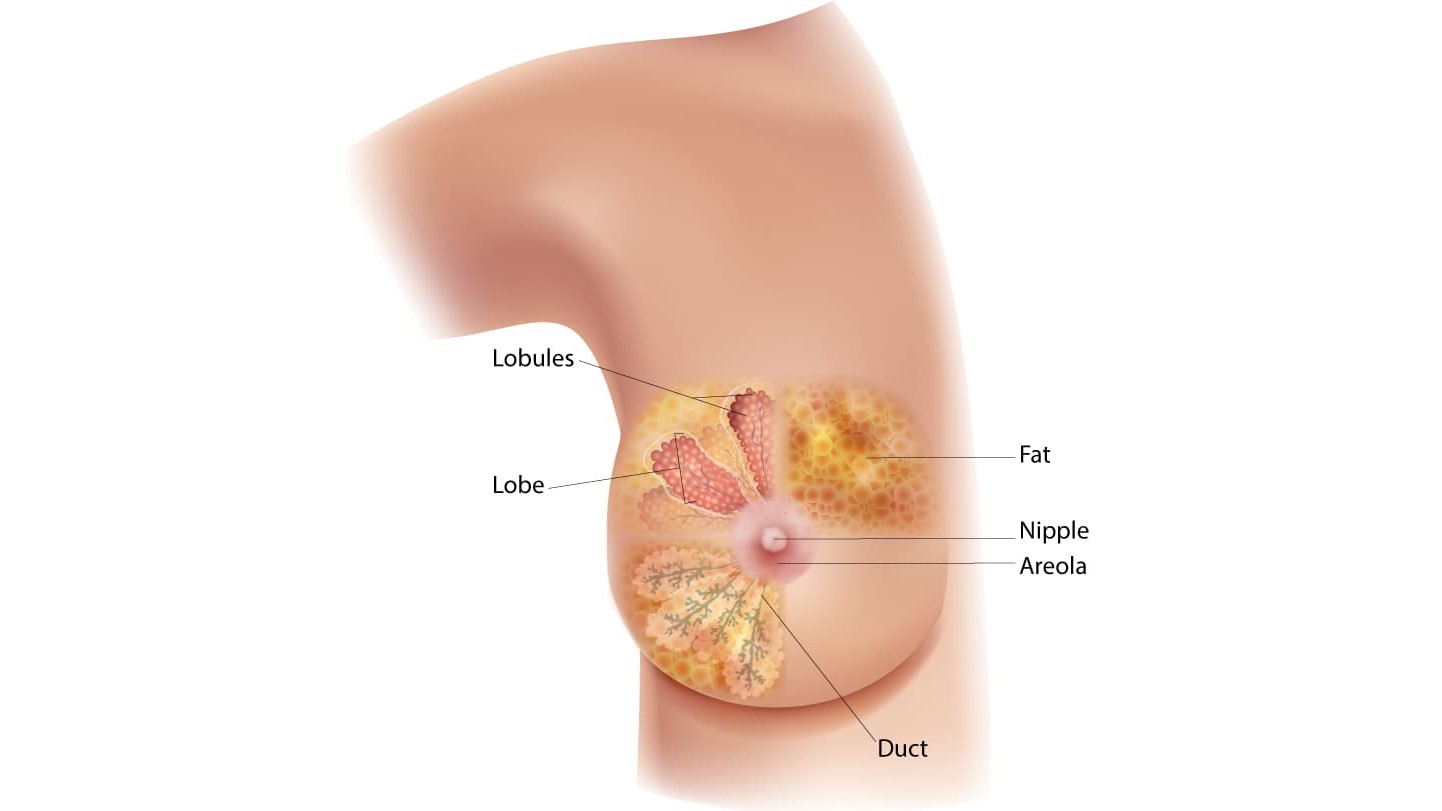
Breast cancer is a disease in which cells in the breast grow out of control. A breast is made up of three main parts: lobules (the glands that produce milk), ducts (tubes that carry milk to the nipple), and connective tissue (which surrounds and holds everything together). Most breast cancers begin in the ducts or lobules, according to the CDC. The two most common types are invasive ductal carcinoma, which accounts for about 70% to 80% of all breast cancers, and invasive lobular carcinoma, which makes up about 10% to 15% of cases.
When breast cancer spreads beyond the breast through blood vessels and lymph vessels to other parts of the body, it is said to have metastasized. This is why catching the disease early — before it has a chance to spread — is so critical. Approximately 66% of breast cancer cases are diagnosed at a localized stage, meaning the cancer has not spread outside the breast, and treatments at this stage tend to work far better.
The Warning Signs: 7 Key Symptoms You Should Never Ignore
Knowing what is normal for your breasts is the first line of defense. The NHS outlines several symptoms that should prompt a visit to your GP. The most common sign is a lump or swelling in the breast, chest, or armpit. However, breast cancer can present in other ways that are less widely known:
A change in the skin of the breast — such as dimpling that may resemble orange peel, or redness (which can be harder to see on black or brown skin) — is another warning sign. A change in the size or shape of one or both breasts, nipple discharge (especially if there is blood in it and you are not pregnant or breastfeeding), and a change in the shape or appearance of the nipple — including it turning inwards (an inverted nipple) or developing a rash that may look like eczema — all warrant medical attention.
Importantly, breast pain by itself is not usually a symptom of breast cancer. However, if you experience breast or armpit pain alongside a family history of breast or ovarian cancer, you should speak with your doctor. The key takeaway from health professionals is clear: if you notice any changes in your breasts or nipples that are not normal for you, get them checked.
Who Is Most at Risk? Understanding the Factors Behind Breast Cancer
Anyone can get breast cancer, and it is not always clear what causes it. However, researchers have identified several factors that increase a person's likelihood of developing the disease. The most significant risk factor is simply being female and getting older. The median age at the time of breast cancer diagnosis is 62, though approximately 16% of women diagnosed are younger than 50.
Having dense breast tissue, a family history of breast or ovarian cancer, or inherited gene mutations such as faulty BRCA1 or BRCA2 genes all elevate risk. Women with a BRCA1 mutation have up to a 72% lifetime risk of developing breast cancer, while those with a BRCA2 mutation face up to a 69% risk. Yet approximately 85% of breast cancers occur in women with no family history of the disease — these arise from genetic mutations that happen naturally during the aging process.
Hormonal factors also play a role. Women who started their periods before age 12, went through menopause after 55, have never given birth, or had their first child after 30 may have a slightly elevated risk. Lifestyle factors linked to higher breast cancer rates include smoking, drinking alcohol, being overweight, and lack of physical activity. Researchers believe that some of the rising cases of breast cancer, which increased by 1% per year between 2012 and 2021, may be partly due to these lifestyle changes.
How Breast Cancer Is Diagnosed: From Screening to Biopsy
The journey to a breast cancer diagnosis typically begins either with screening or with a person noticing symptoms and seeing their doctor. The NHS explains that the main tests for breast cancer include a breast examination, a mammogram (a breast X-ray), an ultrasound, and — if anything concerning is found — a biopsy, where a small sample of cells is taken and examined under a microscope.
Mammograms can detect cancers that are too small to see or feel, which is why regular breast screening is so important. In the UK, women aged 50 to 71 are invited for breast screening every three years. In the US, the CDC and other health organizations generally recommend that women at average risk begin mammogram screening at age 40 to 44 and continue annually or biennially. Women with higher risk factors may need to start screening earlier or undergo additional tests such as breast MRI.
When a biopsy confirms breast cancer, doctors then determine the specific subtype by checking whether the cancer cells have receptors for estrogen, progesterone, or make the HER2 protein. This classification — which includes hormone receptor-positive, HER2-positive, and triple-negative breast cancer — guides treatment decisions and helps predict how the cancer may behave.
What You Can Do: Prevention and Early Detection Strategies
While you cannot always prevent breast cancer, there are proven steps that lower your risk. The NHS recommends trying to cut down on alcohol — ideally no more than 14 units per week — maintaining a healthy weight, and quitting smoking. Regular physical activity and a balanced diet also contribute to lower breast cancer risk. For those taking the contraceptive pill or hormone replacement therapy (HRT), it is worth discussing with your GP how these may affect your individual risk, though for many people the benefits outweigh the slight increase in risk.
Perhaps the most powerful tool is self-awareness. Checking your breasts regularly — knowing how they normally look and feel — makes it far easier to notice any changes. There is no right or wrong way to check; what matters is familiarity. Look in a mirror, feel while standing or lying down, and check all parts of the breast, including up to the collarbone and into the armpit. If something does not seem right, do not wait — book an appointment with your doctor. Early detection dramatically improves survival rates, and most breast changes turn out not to be cancer.
The Bottom Line: Key Takeaways for Your Health
Whether prompted by a celebrity health story or a routine check-up, understanding breast cancer is essential knowledge for everyone. Here is what to remember: breast cancer is the most common cancer in women, with about 1 in 8 women affected in their lifetime, but early detection through screening and self-awareness saves lives. Know the symptoms — lumps, skin changes, nipple discharge, and shape changes — and see a doctor if anything feels off. Risk factors include age, family history, genetics, and lifestyle, but 85% of cases occur in women with no family history. Regular breast checks, mammograms when invited, and healthy lifestyle choices are your best defense. The conversation sparked by public figures like Lucy Davis serves as a reminder that breast cancer awareness is not just about celebrity news — it is about empowering yourself and those you love with life-saving knowledge.