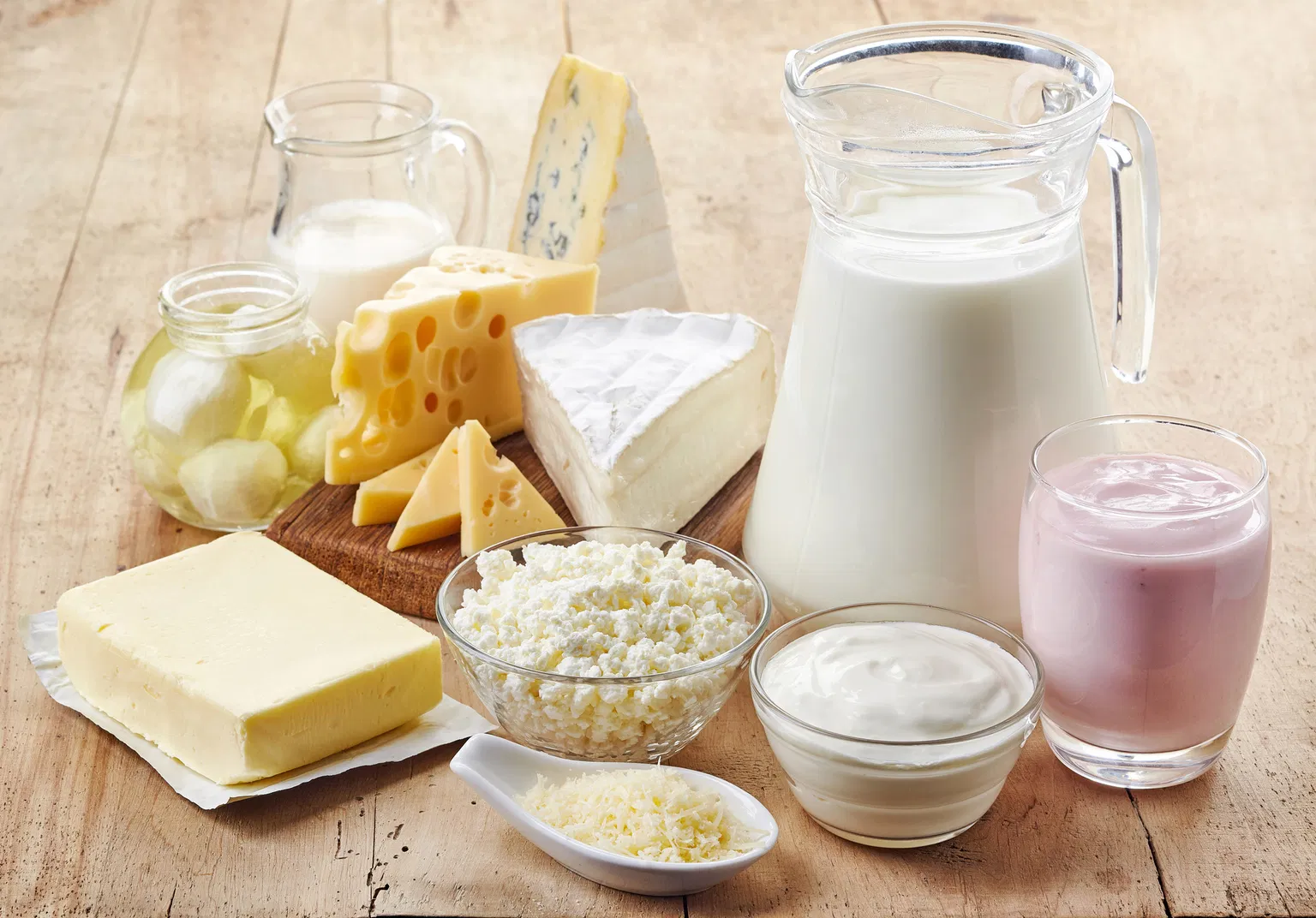
Walk down any grocery store dairy aisle and you will face a dizzying array of choices: whole milk, 2%, 1%, skim, and countless yogurt and cheese variations. For decades, health authorities have urged consumers to reach for the low-fat and fat-free versions — but what does the science actually say? Is low-fat dairy truly the healthier choice, or is it just another nutrition trend that has overstayed its welcome?
"Dairy isn't necessary in the diet for optimal health, but for many people, it is the easiest way to get the calcium, vitamin D, and protein they need to keep their heart, muscles, and bones healthy and functioning properly," says Vasanti Malik, nutrition research scientist with the Harvard T.H. Chan School of Public Health. Understanding what low-fat dairy offers — and where it fits into a balanced diet — can help you make smarter choices for your health.
What Exactly Is Low-Fat Dairy?
Low-fat dairy refers to milk products that have had most or all of their natural milk fat removed during processing. The category includes several variations defined by the USDA and FDA. Skim milk, also labeled as fat-free or nonfat, contains virtually no fat — typically less than 0.2 grams per cup. Low-fat milk, often labeled as 1%, contains about 2.5 grams of fat per cup, while reduced-fat milk (2%) contains around 5 grams. In comparison, whole milk packs approximately 8 grams of fat per cup, the majority of which is saturated fat.
The same principle applies across the dairy spectrum. Low-fat yogurt is made from low-fat or skim milk, low-fat cottage cheese typically contains 1% to 2% milk fat, and reduced-fat cheeses are produced with part-skim milk. The key distinction: these products deliver the same essential nutrients — calcium, protein, vitamin D, and potassium — but with significantly less saturated fat and fewer calories than their full-fat counterparts.
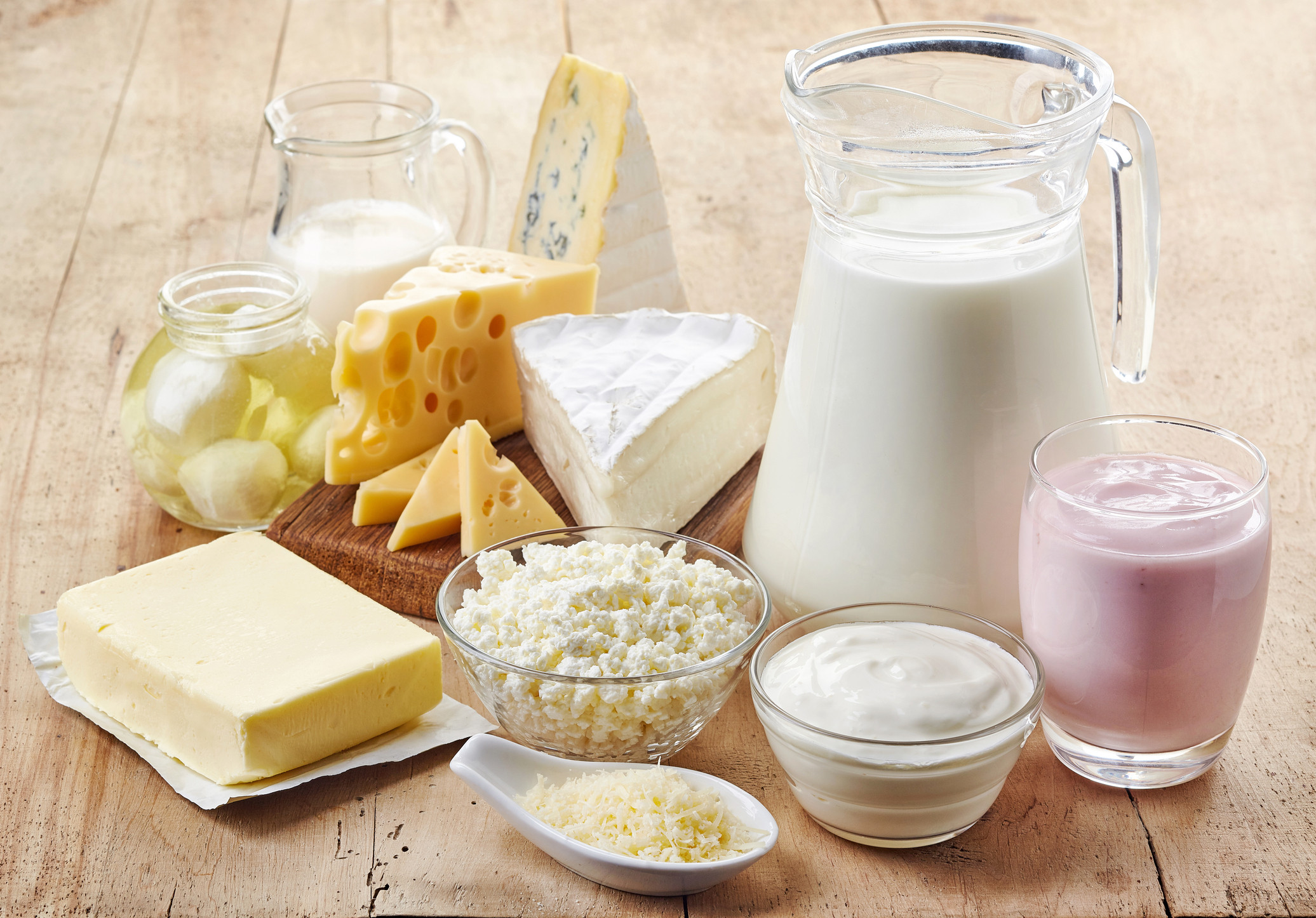
The Nutrition Breakdown: Low-Fat vs. Full-Fat Dairy
When you choose low-fat over full-fat dairy, you are primarily reducing your saturated fat and calorie intake while keeping nearly everything else the same. A cup of skim milk provides about 83 calories and 0.2 grams of fat, compared to 149 calories and 8 grams of fat in whole milk. Yet both deliver roughly 8 grams of protein and 250 to 350 milligrams of calcium — about a quarter to a third of the daily recommended intake for most adults.
This is significant because adults up to age 50 need 1,000 milligrams of calcium per day, and women over 50 and men over 70 need 1,200 milligrams. Calcium is essential for maintaining bone density and reducing the risk of fractures. Milk is also fortified with vitamin D, which bones require to properly absorb calcium. A typical serving of low-fat yogurt contains about 187 milligrams of calcium, making it another excellent source.
For older adults, the protein in dairy plays an additional protective role. The recommended intake is 0.8 grams of protein per kilogram of body weight — roughly 65 grams per day for a 180-pound man and about 50 grams for a 140-pound woman. Adequate protein helps guard against sarcopenia, the natural age-related loss of muscle mass and strength.
What the Latest Research Reveals About Heart Health
The American Heart Association has long recommended that adults choose fat-free or low-fat dairy products, and this guidance still stands. However, newer research has complicated the picture somewhat. A major report presented at the 2018 Congress of the European Society of Cardiology examined 20 studies involving nearly 25,000 participants and found no significant association between the consumption of most dairy products and cardiovascular disease.
There was one notable exception: the results showed that very high milk consumption — averaging almost a liter per day — was linked with a higher risk of cardiovascular disease. This suggests that while moderate dairy intake appears neutral or even beneficial for heart health, extreme consumption may tip the balance in the wrong direction.
Some of the most promising findings involve fermented dairy products. A study published in the British Journal of Nutrition involving 2,000 men found that those who regularly consumed fermented dairy like yogurt and cheese had a lower risk of coronary artery disease compared to those who ate less. This supports earlier research showing that fermented dairy products have more favorable effects on blood lipid profiles and heart disease risk than non-fermented varieties.
Still, experts like Malik continue to favor low-fat options for most people. The reason is straightforward: "This helps reduce your intake of saturated fat but still offers good amounts of nutrients," she explains. For those who cannot or choose not to consume dairy, almond and soy milk substitutes are alternatives — but it is worth noting these typically contain lower amounts of protein than regular milk.
The Weight Loss Question: Can Low-Fat Dairy Help You Slim Down?
The dairy industry has heavily promoted milk and dairy products as weight-loss aids, but the science tells a more modest story. "Despite the push by the US dairy industry to promote dairy products, especially milk, as a weight-loss tool, research hasn't supported that except when also restricting calories," says Malik. In other words, simply adding dairy to your diet will not melt away pounds — but swapping full-fat for low-fat versions as part of an overall calorie-controlled eating plan can contribute to a deficit.
A cup of whole milk contains nearly twice the calories of skim milk. Over the course of a week, switching from whole to skim milk in your daily coffee and cereal alone could reduce your intake by hundreds of calories. Combined with other dietary improvements, this simple switch can be part of a meaningful weight management strategy.
The Expert's Top Pick: Greek Yogurt
If there is one dairy product that stands above the rest in expert recommendations, it is plain Greek yogurt. "It has more protein than regular yogurt and contains probiotics that help with gut health," Malik notes. Greek yogurt is strained to remove much of the liquid whey, resulting in a thicker, creamier texture with roughly double the protein of regular yogurt — often 15 to 20 grams per serving.
When choosing Greek yogurt, Malik has one important caveat: avoid flavored versions. These are often loaded with added sugar, which can negate many of the health benefits. Plain Greek yogurt is remarkably versatile — you can eat it on its own, blend it into smoothies, use it as a topping for fruit, or substitute it for sour cream or mayonnaise in recipes. Its tangy flavor and creamy texture make it a useful ingredient in both sweet and savory dishes.
How to Make Low-Fat Dairy Work for You
Incorporating low-fat dairy into your daily routine does not require a complete diet overhaul. Small, consistent changes add up. Pour low-fat milk over your morning cereal or into your coffee. Choose plain low-fat Greek yogurt as a protein-rich breakfast or snack. Add a slice of reduced-fat cheese to a sandwich. Use low-fat cottage cheese as a spread on whole-grain toast topped with fresh fruit.
That said, Malik emphasizes that dairy should not be the sole source of your key nutrients. "Keep in mind that eating a well-balanced diet that includes plenty of green leafy vegetables and nuts can better help you get the calcium and protein you need rather than relying too much on dairy," she advises. Foods like kale, broccoli, almonds, and canned sardines with bones are excellent non-dairy sources of calcium. Beans, lentils, lean meats, and fish provide high-quality protein without any dairy at all.
The Bottom Line on Low-Fat Dairy
When it comes to overall health, dairy is neither a hero nor a villain — it is a tool that can be used well or poorly depending on the broader context of your diet. Choosing low-fat versions is a practical way to get essential nutrients while minimizing saturated fat intake, and the current weight of scientific evidence supports this approach, particularly for heart health. For most people, adding modest amounts of low-fat dairy — a splash of milk in coffee, a serving of yogurt, a sprinkle of cheese — can contribute valuable calcium, protein, and vitamin D to the diet without introducing excess saturated fat. The key, as with most nutrition advice, is balance, moderation, and variety.