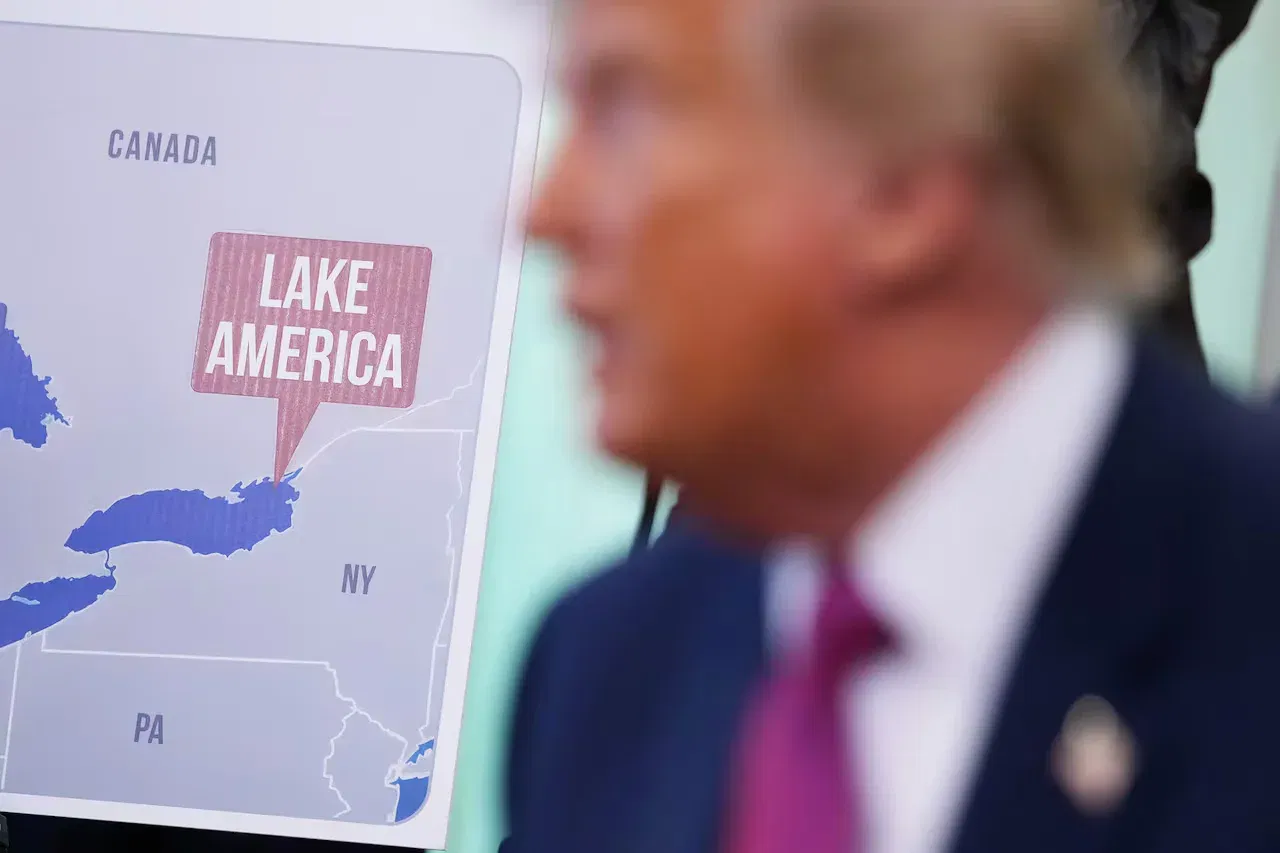
Lake Ontario — one of North America's five Great Lakes — became the center of an international naming dispute in late August 2026, when U.S. President Donald Trump signed an executive order to rename the body of water "Lake America." The move, which arrived amid an escalating trade war between the United States and Canada, drew swift pushback from Canadian leaders and sent the U.S. Environmental Protection Agency (EPA) updating its official web pages.
The decision follows a pattern set by the Gulf of Mexico, which Trump renamed the "Gulf of America" in 2025 — a change that commercial map services such as Apple Maps and Google Maps later adopted for U.S. users. Here is what Lake Ontario actually is, where its name comes from, and what a name change on paper does — and does not — accomplish.
What and Where Is Lake Ontario?
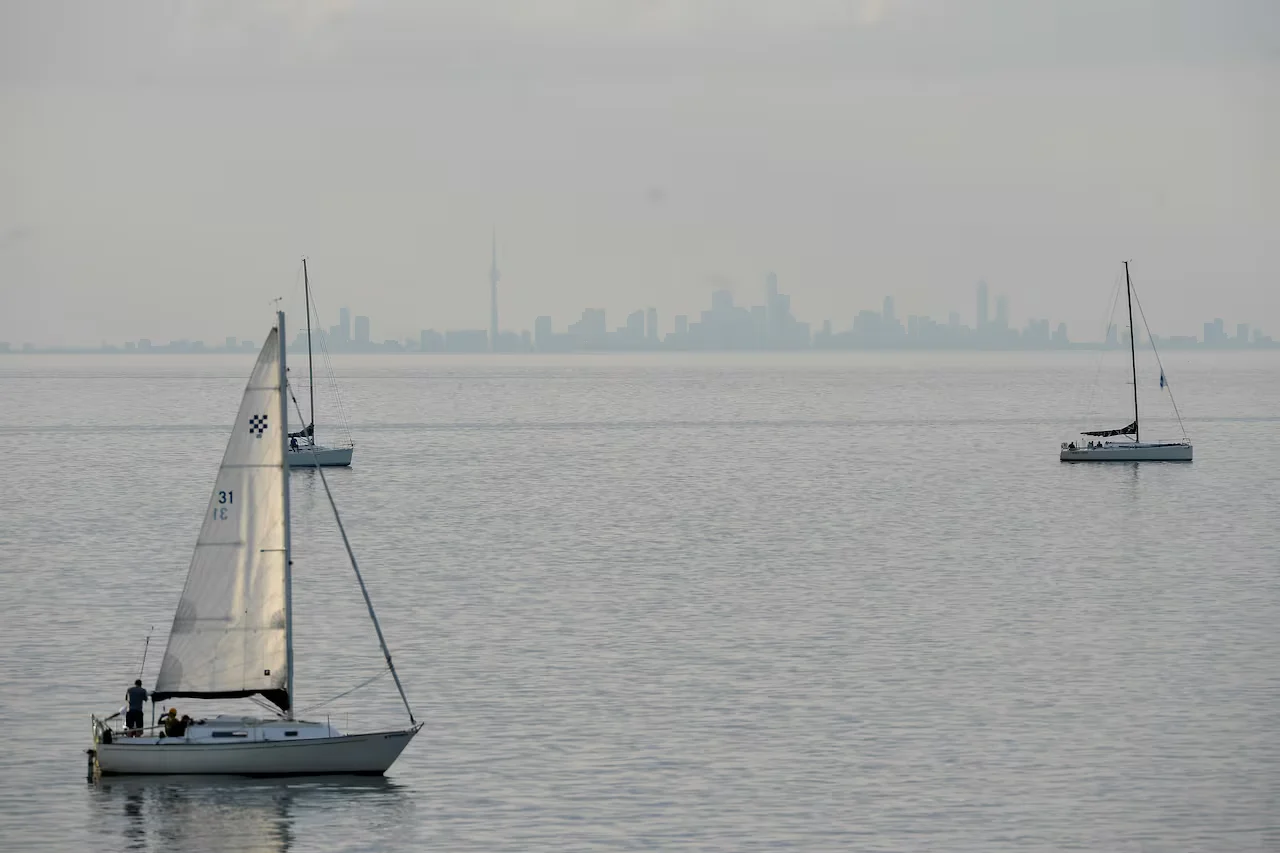
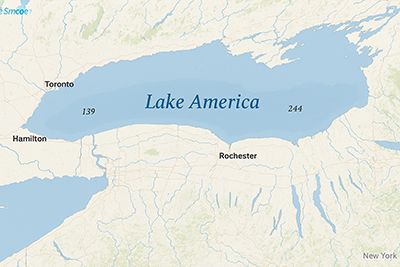
Lake Ontario is the easternmost of the five Great Lakes and the last link in the freshwater chain before the water flows toward the Atlantic Ocean. It is bounded on the north, west, and southwest by the Canadian province of Ontario and on the south and east by the U.S. state of New York, with the Canada–United States border running through the middle of the lake.
By surface area, it is the smallest of the Great Lakes, covering about 19,000 square kilometres (7,340 square miles) — roughly 10,000 square kilometres (3,980 square miles) on the Canadian side and 9,000 square kilometres (3,560 square miles) on the American side. But "smallest" is relative: Lake Ontario still ranks as the 13th-largest lake in the world, and it holds more water by volume than Lake Erie, its neighbour upstream.
A few of the lake's defining physical facts:
- Maximum depth: 244 metres (802 feet) in the Rochester Basin — second deepest of the Great Lakes after Lake Superior.
- Average depth: 86 metres (283 feet).
- Surface elevation: 74 metres (243 feet) above sea level, the lowest of the Great Lakes.
- Retention time: roughly six years — a measure of how long water stays in the lake before flowing out.
- Water in and out: The Niagara River feeds the lake from Lake Erie, while the St. Lawrence River carries its water to the Atlantic.
Major cities ring the shoreline — Toronto, Mississauga, Hamilton, and Kingston on the Canadian side, and Rochester, New York, on the American side. Because the lake sits downstream of all four other Great Lakes, it receives water that has already travelled through the Superior, Michigan, Huron, and Erie basins, which is why the EPA notes that its health is shaped by activity across the entire region.
Where the Name "Ontario" Comes From
The name Ontario is far older than either country that shares the lake. It is derived from the Huron (Wendat) Indigenous word "oniatarí:io," meaning "lake of shining waters," with related Iroquoian forms such as "Kaniatarí:io" also translated as "beautiful lake." The name has been in continuous use since at least 1639, and the province of Ontario — founded in 1867 — took its name from the lake, not the other way around.
That history is central to the Canadian objection to the rebranding. Prime Minister Mark Carney noted that the name is more than 400 years old and "predates both Canada and the U.S. as countries." Even during French colonial rule, alternative labels such as Frontenac and St. Louis circulated, but Ontario ultimately became the enduring term.
Inside the Executive Order Renaming the Lake
The rebranding unfolded quickly in the final days of August 2026. On Thursday, August 27, Trump signed an executive order directing the interior secretary to change the name of Lake Ontario to "Lake America" in official U.S. usage. Sitting beside a map that displayed "Lake America" over the body of water, the president described Canada as "entitled" and repeated claims that the country was taking advantage of the United States.
"They want to be treated like a state, but they are not a state," Trump said, according to CBC News. Asked why he was targeting an ally rather than an adversary, he responded, "they haven't treated us well," adding, "The Canadian officials have treated us very badly. They are nasty people."
Interior Secretary Doug Burgum, who will oversee the change, echoed the sentiment in a social media post: "the places and waters that border our nation and support our economy should reflect the greatness of the United States."
The order came just days after trade negotiations between the two countries collapsed. Both governments accused each other of making last-minute changes, and Canada's federal government unveiled retaliatory measures scheduled to take effect on September 8. Trump had first floated the idea of renaming the lake during an escalating war of words with Ontario Premier Doug Ford, who had called the president a bully.
What the Name Change Actually Does — and What It Doesn't
A common point of confusion is what a U.S. executive order can and cannot rename. The order changes how the name appears in U.S. federal documents and official geographic services, such as the Board on Geographic Names. It does not legally bind other countries, and Canada has made clear it will continue using "Lake Ontario."
The EPA has already moved. Its Great Lakes pages now list the five lakes as "Superior, Michigan, Huron, Erie and America," and a dedicated "Lake America" page describes it as "the last of the chain of Great Lakes that straddle the Canada/United States border." Notably, the page's URL still reflects the old name, and at least one map on the site still carries the "Lake Ontario" label — a sign of how unevenly the rebrand is being applied.
The practical effects may extend to maps on phones. After the Gulf of Mexico was renamed the Gulf of America in 2025, major mapping platforms — including Apple Maps and Google Maps — updated the label for users in the United States while continuing to show both names in other regions. That precedent is a big reason "apple maps" has surged in searches alongside this story: many people are checking whether the name on their screens will change next.
It is worth emphasizing what the order does not do. It does not alter the lake's physical geography, its international border, or its water. Shipping, fishing, drinking-water supplies, and the U.S.–Canada boundary all remain unchanged regardless of what the label says.
Canada's Response: "It's Lake Ontario, Buddy"
The reaction north of the border ranged from formal to dismissive. Carney said Canadians will call the lake Lake Ontario "now and always." Nova Scotia Premier Tim Houston was blunter: "We're into some real foolishness now," he said, adding, "It's Lake Ontario, buddy."
Manitoba Premier Wab Kinew compared the moment to "an over-the-hill rock star playing old hits at a casino." He said Trump "thought he had a real hit, a real golden oldie with the Gulf of Mexico, and he's trying to bring back that... I think everybody here thinks it's a little sad and it's not his best work."
The Gulf of Mexico saga looms large in another way: that renaming dispute triggered a legal fight after the White House barred The Associated Press from certain events for not using "Gulf of America." That history suggests the Lake America name could carry similar consequences for U.S. government communications and the press.
What Happens Next
In the near term, expect the "Lake America" label to spread across U.S. federal materials as agencies update their systems, even while Canadian officials — and many international map providers — continue to use "Lake Ontario." The deeper question is whether the rebranding outlasts the current trade dispute. The Gulf of America precedent shows that names imposed by executive order can be reversed or contested depending on political winds and legal challenges.
For now, the most likely outcome is a split-screen: official U.S. documents and some map apps reading "Lake America," while Canada — and much of the rest of the world — keeps saying Lake Ontario.
The Bottom Line
- Lake Ontario is the smallest Great Lake by surface area but the 13th-largest lake in the world, with a maximum depth of 802 feet (244 metres).
- Its name comes from the Huron word "oniatarí:io," meaning "lake of shining waters," in use for more than 400 years.
- On August 27, 2026, President Trump signed an executive order renaming it "Lake America" in U.S. official usage amid the U.S.–Canada trade war.
- The EPA has begun updating its websites, while Canada's leaders say they will keep calling it Lake Ontario "now and always."
- The change mirrors the 2025 Gulf of America renaming, which Apple Maps and Google Maps later reflected for U.S. users.