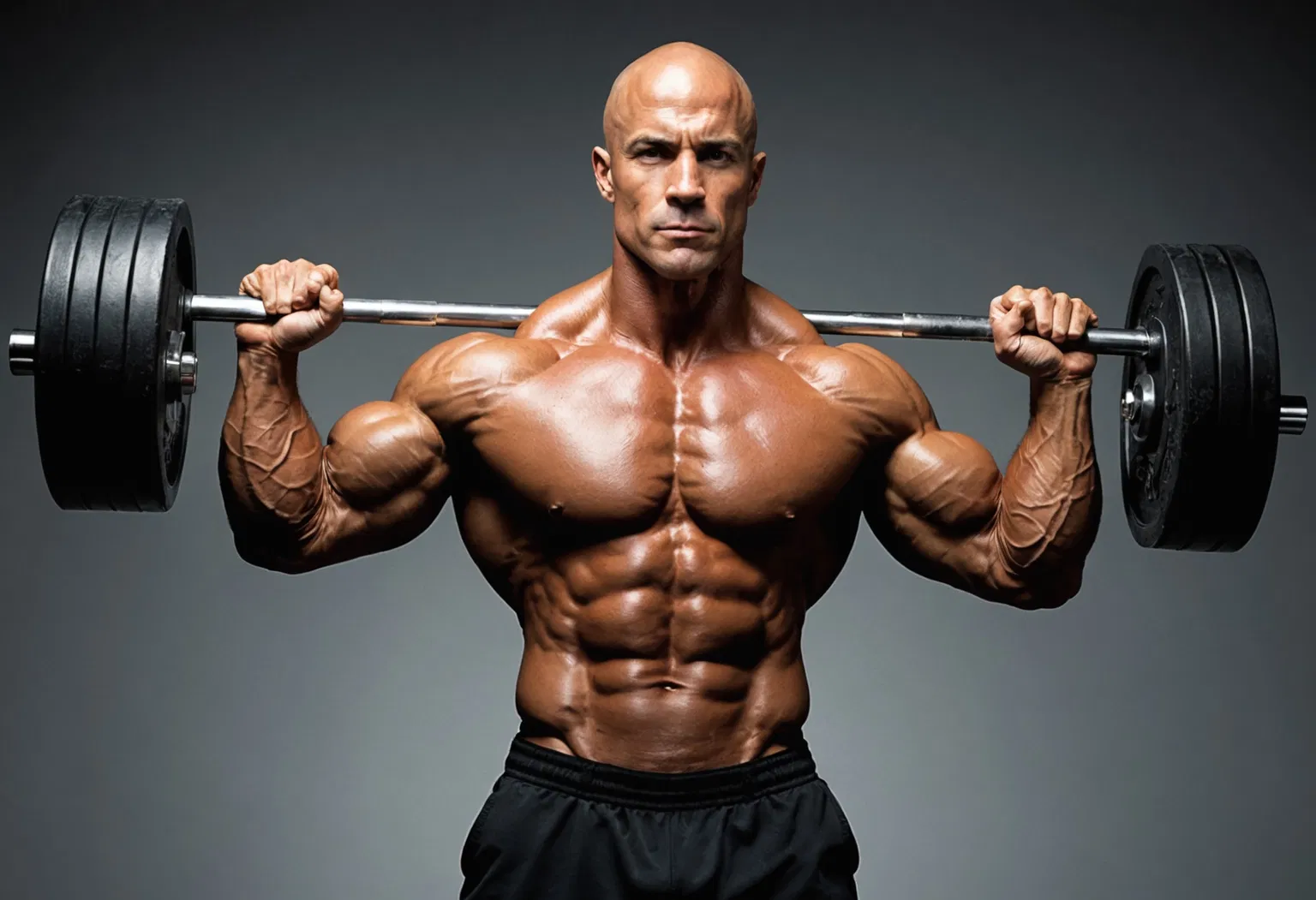
Bodybuilding is the practice of building and sculpting muscle through a deliberate combination of resistance training, nutrition, and recovery. While competitive bodybuilders train for years to step on stage, the fundamentals apply to anyone who wants to add muscle and reshape their physique. Getting started really boils down to three things: consistent resistance training, eating enough to fuel muscle growth, and getting proper rest. Here is a complete beginner's guide to how bodybuilding actually works and how to get started.
How Bodybuilding Works: Training, Nutrition, and Recovery
At its heart, bodybuilding is built on three interconnected pillars. First, resistance training provides the stimulus that tells your muscles to grow; when you lift weights, you create tiny tears in muscle fibers that the body repairs and rebuilds stronger. Second, nutrition supplies the raw materials for that repair, which is why a high-protein, nutrient-dense diet is central to any muscle-building plan. Third, recovery, including sleep and rest days, is when the actual growth happens, since muscles are not built in the gym but during the hours and days after a workout. Skimping on any one of these pillars will slow your progress, which is why successful bodybuilders treat them as equally important.
How to Build Your First Workout Plan
For total beginners, the smartest approach is to start with compound exercises, movements that use more than one joint at a time, such as squats, bench presses, deadlifts, and pull-ups. Compound lifts train multiple muscle groups at once, build a foundation of strength, and teach your body to move as a coordinated unit. As a general starting point, choose one or two exercises for each major body part and perform three sets of eight to twelve reps per exercise. For example, a typical beginner plan might include squats for three sets of ten reps, deadlifts for three sets of eight, and the bench press for three sets of ten.
Over time, you can adopt a formal workout split to organize your week. A full-body split, where you train every major muscle group in each session, works well for two to three training days per week. An upper/lower split suits four to six days, while more advanced lifters often use a push/pull/legs routine. Most experts recommend hitting each major muscle group at least twice per week, with roughly nine to fifteen weekly sets for large muscle groups like the chest, back, and legs. For hypertrophy, the technical term for muscle growth, aim for six to twelve reps over three to four sets on compound lifts, working at around seventy to eighty percent of your one-rep max.
Bodybuilding Nutrition: What to Eat to Fuel Muscle Growth
Nutrition is where most beginners leave their gains on the table. Bodybuilding nutrition typically alternates between high-calorie bulking phases and lower-calorie cutting phases, but the foundation is always a high-protein, nutrient-dense diet that supports muscle gain and fat loss. The best meal plans for building muscle center on foods high in protein, such as lean meats, fish, eggs, and dairy, combined with carbohydrates like oats, rice, and potatoes for energy, plus healthy fats. A common muscle-building target is around three thousand calories per day, broken into roughly three hundred grams of carbohydrates, two hundred twenty-five grams of protein, and one hundred grams of fat, though exact numbers depend on your body weight, age, and activity level.
Most research suggests aiming for about 1.6 to 1.8 grams of protein per kilogram of body weight per day to maximize muscle growth, spread across meals at roughly 0.4 grams per kilogram per meal. During a bulking phase, bodybuilders eat in a caloric surplus, consuming more calories than they burn, so the body has the extra energy and protein needed to add muscle. During a cutting phase, they shift to a caloric deficit to strip away body fat while trying to preserve as much muscle as possible. Research on off-season bodybuilders recommends a slightly hyper-energetic diet with about a fifteen percent increase in energy intake above maintenance, underscoring that muscle growth genuinely requires eating more, not less.
Why Rest and Sleep Are Non-Negotiable
Muscles grow during recovery, not during the workout itself. When you train, you break down muscle tissue; when you rest, your body repairs those fibers and rebuilds them larger and stronger, a process driven by protein synthesis and the release of human growth hormone during deep sleep. The impact of poor sleep is dramatic: studies show that sleeping about five and a half hours per night instead of eight and a half can reduce the amount of lean muscle gained by up to sixty percent. Rest also matters between sets, with research suggesting that resting around three minutes between heavy sets can build up to ninety-three percent more muscle than resting only one minute. For these reasons, most coaches recommend seven to nine hours of sleep per night and at least one or two full rest days each week.
Bulking vs. Cutting: Understanding the Two Phases
Once you understand the basics, bodybuilding becomes a rhythm of alternating phases. Bulking is the muscle-building phase, where you eat in a caloric surplus and lift heavy to add size. Cutting is the fat-loss phase, where you eat in a caloric deficit and continue training to reveal the muscle you have built. Because you cannot build significant muscle while in a deficit, and cannot stay lean while gaining, most lifters cycle between the two, often bulking for several months before cutting for several weeks. The goal of a well-executed cut is to shed fat while holding on to as much muscle as possible, which requires keeping protein high and continuing to train hard even as calories drop. Women can bodybuild too; the same principles apply, and starting with compound movements like squats and deadlifts is equally effective for building a strong, defined physique.
Common Beginner Mistakes to Avoid
A few recurring mistakes slow down most new bodybuilders. The first is prioritizing isolation exercises over compound lifts; machines and curls have their place, but beginners build the most muscle with heavy, multi-joint movements. The second is not eating enough, since muscle growth is metabolically expensive and requires a caloric surplus. The third is neglecting recovery by training too often or sleeping too little. Finally, many beginners confuse bodybuilding with pure strength training: hypertrophy focuses on building muscle size through moderate weights and higher volume, while strength training emphasizes lifting maximum weight for fewer reps. Knowing which goal you are chasing will keep your program focused.
The Bottom Line: Key Takeaways
- Bodybuilding rests on three pillars: resistance training, nutrition, and recovery.
- Beginners should start with compound lifts like squats, deadlifts, and bench presses, using three sets of eight to twelve reps.
- Train each major muscle group about twice per week with nine to fifteen weekly sets.
- Eat a high-protein, nutrient-dense diet, aiming for roughly 1.6 to 1.8 grams of protein per kilogram of body weight daily.
- Consume a caloric surplus during bulking phases and prioritize seven to nine hours of sleep, since muscle grows during recovery.