
Mastering makeup application can feel overwhelming for beginners, but with the right guidance and understanding of basic techniques, anyone can achieve a flawless look that enhances their natural beauty. Whether you're preparing for a special occasion or want to elevate your daily routine, learning how to apply makeup properly involves understanding your skin type, selecting appropriate products, and following a systematic approach. This comprehensive guide breaks down everything from essential skincare preparation to finishing touches, providing expert tips from professional makeup artists and beauty experts to help you build confidence in your makeup skills.
The Foundation of Beautiful Makeup: Why Skin Preparation Matters
Before any makeup touches your face, proper skin preparation is the most crucial step for achieving a flawless finish. Celebrity makeup artist Matin Maulawizada emphasizes that "no pro makeup artist starts a look without proper skin prep." This begins with thoroughly cleansing your face to remove impurities, followed by applying a moisturizer suited to your skin type. Well-hydrated skin provides a smooth canvas that helps makeup apply evenly and last longer. For daytime looks, incorporating sunscreen is non-negotiable for protecting your skin from UV damage while creating the perfect base for your makeup.

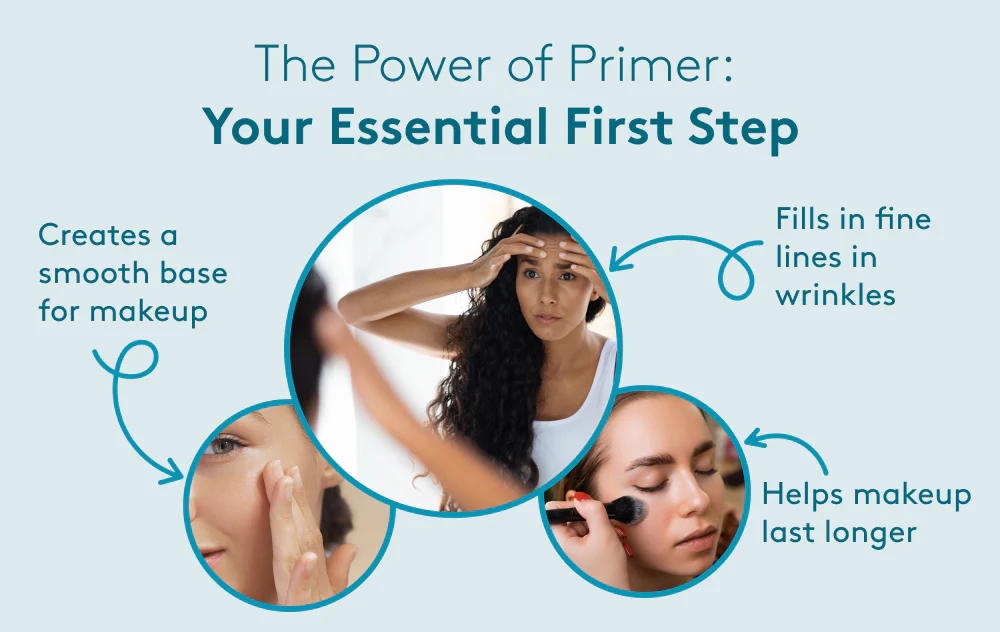
After moisturizing, primer creates the ideal surface for makeup application. Think of primer as the bridge between your skincare and makeup—it fills in fine lines and pores, controls oil in shiny areas, and provides hydration where skin tends to be dry. As makeup artist Amanda Bell explains, "A primer with a glow can make the base look more airbrushed and have a softer lit-from-within appearance, whereas a more matte-textured primer can make the base appear more velvety." The right primer not only extends the wear time of your makeup but also ensures it looks consistent across different areas of your face throughout the day.
Your Skin Type Determines Your Makeup Choices
Understanding your skin type is fundamental to selecting products that will work harmoniously with your complexion. The four main skin types—oily, dry, combination, and sensitive—each have unique characteristics that influence how makeup performs. For oily skin, matte foundations and oil-absorbing primers help control shine throughout the day. Dry skin benefits from hydrating formulas with creamy textures that won't emphasize flakiness. Combination skin requires a balanced approach, often using different products on various facial zones. Sensitive skin needs gentle, hypoallergenic options free from potential irritants.
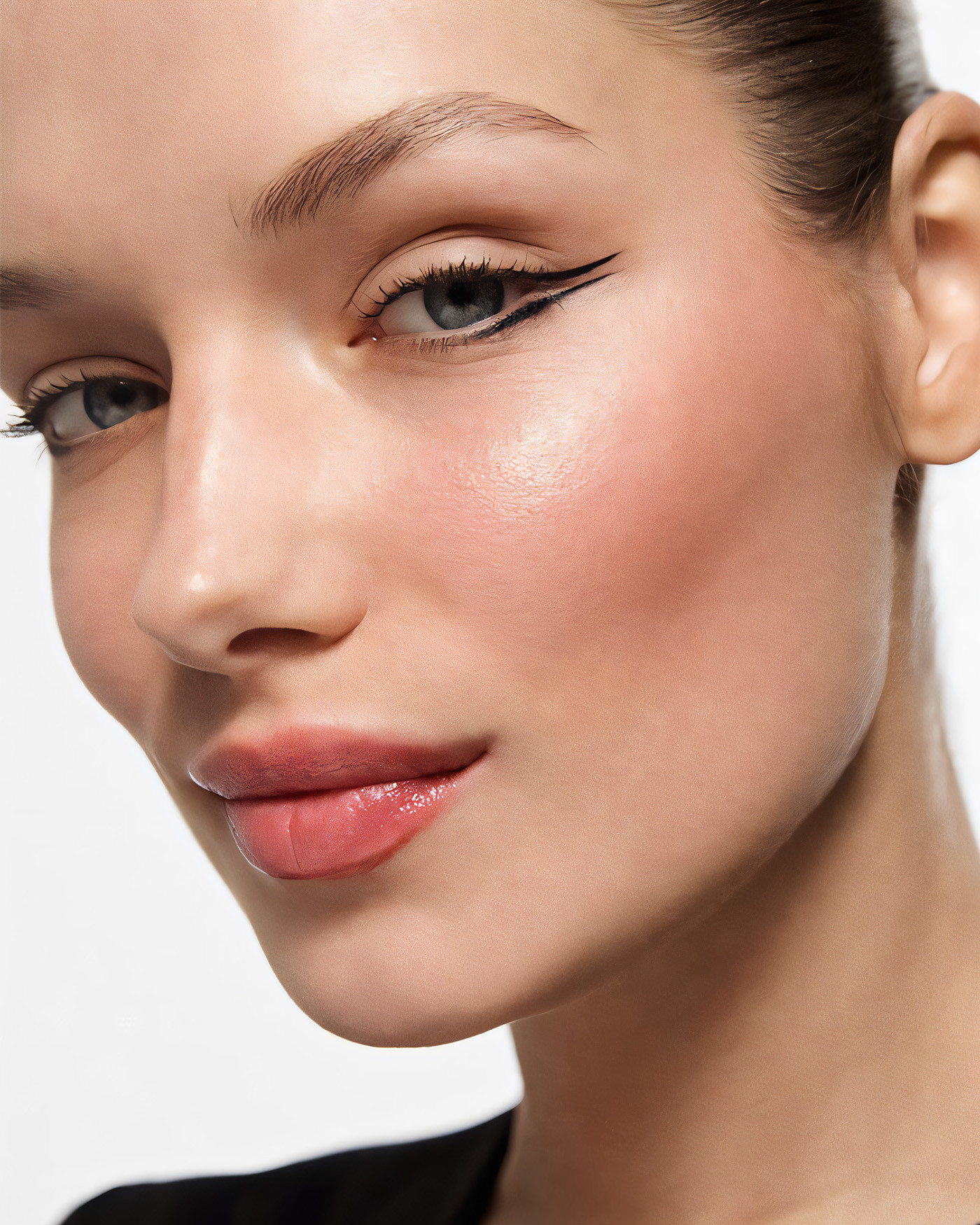
INGLOT Cosmetics emphasizes that "when it comes to makeup, understanding your skin type is crucial to achieving a flawless and healthy look." Their science-based approach tailors products to specific skin needs, with mattifying solutions for oily skin, hydrating products for dry complexions, and balanced formulations for combination skin. This personalized approach ensures your makeup not only looks beautiful but also supports your skin's health. As you build your makeup collection, testing products on your jawline (where foundation should disappear when perfectly matched) helps you find formulations that complement rather than work against your natural skin characteristics.
The Complete Step-by-Step Makeup Application Guide
Following a logical sequence when applying makeup ensures each product performs optimally and contributes to a cohesive look. While there's flexibility based on personal preference and the specific look you're creating, this step-by-step framework provides a solid foundation for beginners.
1. Foundation Application
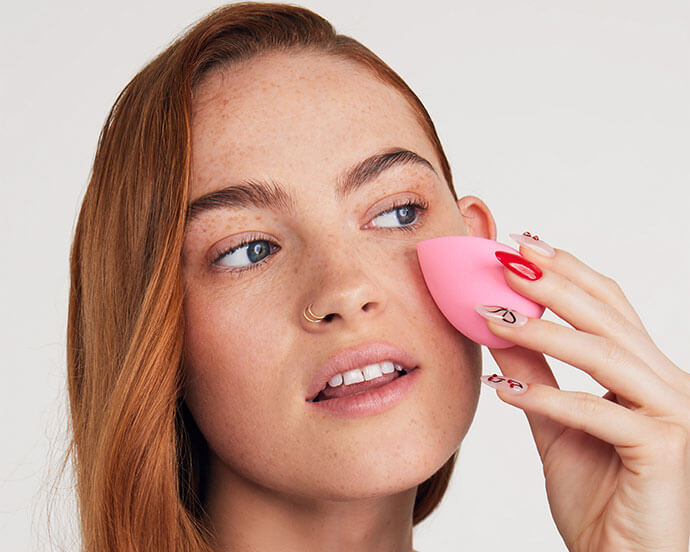
Foundation evens out your skin tone and creates a uniform base. Start by selecting a formula that matches both your skin tone and type—liquid foundations work well for most skin types, while powders suit oily skin and creams provide extra coverage for dry complexions. Apply foundation starting from the center of your face and blend outward using a brush, sponge, or clean fingers. Maulawizada recommends using fingers for lightweight application, a brush for more coverage, and notes that "distributing foundation evenly with a synthetic foundation brush to the flat parts of the face creates the illusion of less makeup."
2. Concealer for Targeted Coverage
Concealer addresses specific areas that need extra attention, such as dark circles, blemishes, or redness. Choose a shade close to your skin tone for spot coverage or slightly lighter for brightening under-eyes. Bell advises that "concealers with a creamy texture are more versatile—you'll be able to use them under the eyes and on other parts of the face, as they blend seamlessly into the skin." Apply with a precision brush or fingertip, gently patting until blended. Allow concealer to set for a minute before applying powder to prevent creasing.
3. Setting with Powder
Powder sets liquid and cream products, controls shine, and increases longevity. Use a translucent setting powder with a fluffy brush, focusing on areas prone to oiliness like the T-zone. For dry skin, apply powder sparingly to avoid a cakey appearance. The Cameo College guide emphasizes that "setting your makeup is an important part of your makeup routine, ensuring that everything stays in place throughout the day."
4. Adding Dimension with Bronzer, Blush, and Highlighter
These products bring life and dimension back to your face after foundation creates an even base. Bronzer adds warmth and can be used for subtle contouring, blush provides a healthy flush, and highlighter emphasizes your facial high points. Bell recommends the "continuous 3-shape method" for bronzer application: "Swirl a fluffy powder brush in your bronzer, tap off any excess powder, then start on your forehead near your hairline. Sweep the brush out and down along your hairline and across the tops of your cheeks, then continue sweeping it back again toward your ears and then down along your jaw and chin."
5. Eye Makeup Basics
Eye makeup typically follows face makeup to avoid fallout on your completed base. Start with eyeshadow primer to prevent creasing, then apply shadow using lighter shades on lids and darker shades in creases for depth. Eyeliner defines your eyes—pencil formulas offer control for beginners, while liquids create precise lines. Mascara completes the look, with Maulawizada recommending to "wiggle the mascara at the root of the lashes and work it to the tips" for maximum volume and definition.
6. Finishing with Lips and Setting Spray
Lip products typically come last to avoid smudging during other applications. Define lips with liner, fill with lipstick, and add gloss if desired for dimension. Finally, a setting spray locks everything in place. As Colorescience notes, "The finishing touches in your makeup routine are crucial for ensuring that your hard work lasts throughout the day." Hold the spray at arm's length and mist evenly over your completed look.
Essential Makeup Tools Every Beginner Needs
Having the right tools significantly impacts your makeup application results. A basic brush set should include a foundation brush, concealer brush, powder brush, blush brush, and eyeshadow blending brushes. Beauty sponges (like makeup sponges) help blend foundation and concealer seamlessly, especially when dampened. Additional essentials include tweezers for brow grooming, eyelash curlers, and spoolie brushes for brow brushing. The Cameo College guide recommends that "as a beginner, invest in a quality makeup brush set that includes essential brushes such as a foundation brush, concealer brush, and blending brushes for eyeshadow." These tools not only make application easier but also help you use products more efficiently and hygienically.
Common Makeup Mistakes and How to Avoid Them
Beginners often encounter similar challenges when learning makeup application. One frequent mistake is using too much product, which can create a heavy, cakey appearance. Instead, start with minimal product and build gradually. Another common error is neglecting to blend adequately, leaving harsh lines between products. Take time to blend each product thoroughly, especially around jawlines, hairline, and eyeshadow edges. Choosing the wrong foundation shade is another pitfall—always test shades in natural light on your jawline to ensure a seamless match with your neck and chest.
Improper skincare preparation can also undermine your makeup results. As the IPSY guide emphasizes, "The truth is, no pro makeup artist starts a look without the proper skin prep." Skipping moisturizer or primer may cause makeup to separate or fade quickly. Finally, many beginners overlook the importance of setting products, leading to makeup that disappears or shifts throughout the day. Incorporating setting powder and spray ensures your hard work lasts from morning until night.
Key Takeaways for Makeup Success
Mastering makeup application is a journey that combines knowledge, practice, and understanding of your unique features. Start by identifying your skin type and selecting products formulated for your specific needs. Follow a logical application order: skincare preparation, primer, foundation, concealer, powder, color products, eye makeup, lips, and setting spray. Invest in quality tools that help you apply and blend products effectively. Most importantly, remember that makeup should enhance your natural beauty rather than mask it completely. As you practice these techniques, you'll develop your personal style and preferences, creating looks that make you feel confident and beautiful every day.
Whether you're creating a simple everyday look or preparing for a special occasion, these foundational principles will serve you well. Makeup artist Amanda Bell reminds us that experimentation is key: "Start at the apple of the cheek and sweep the brush higher towards the hairline in a teardrop shape. This draping technique works beautifully with cream, gel, liquid and powder blush." With patience and practice, you'll transform from makeup beginner to confident enthusiast, equipped with the skills to create flawless looks tailored to your individual beauty.