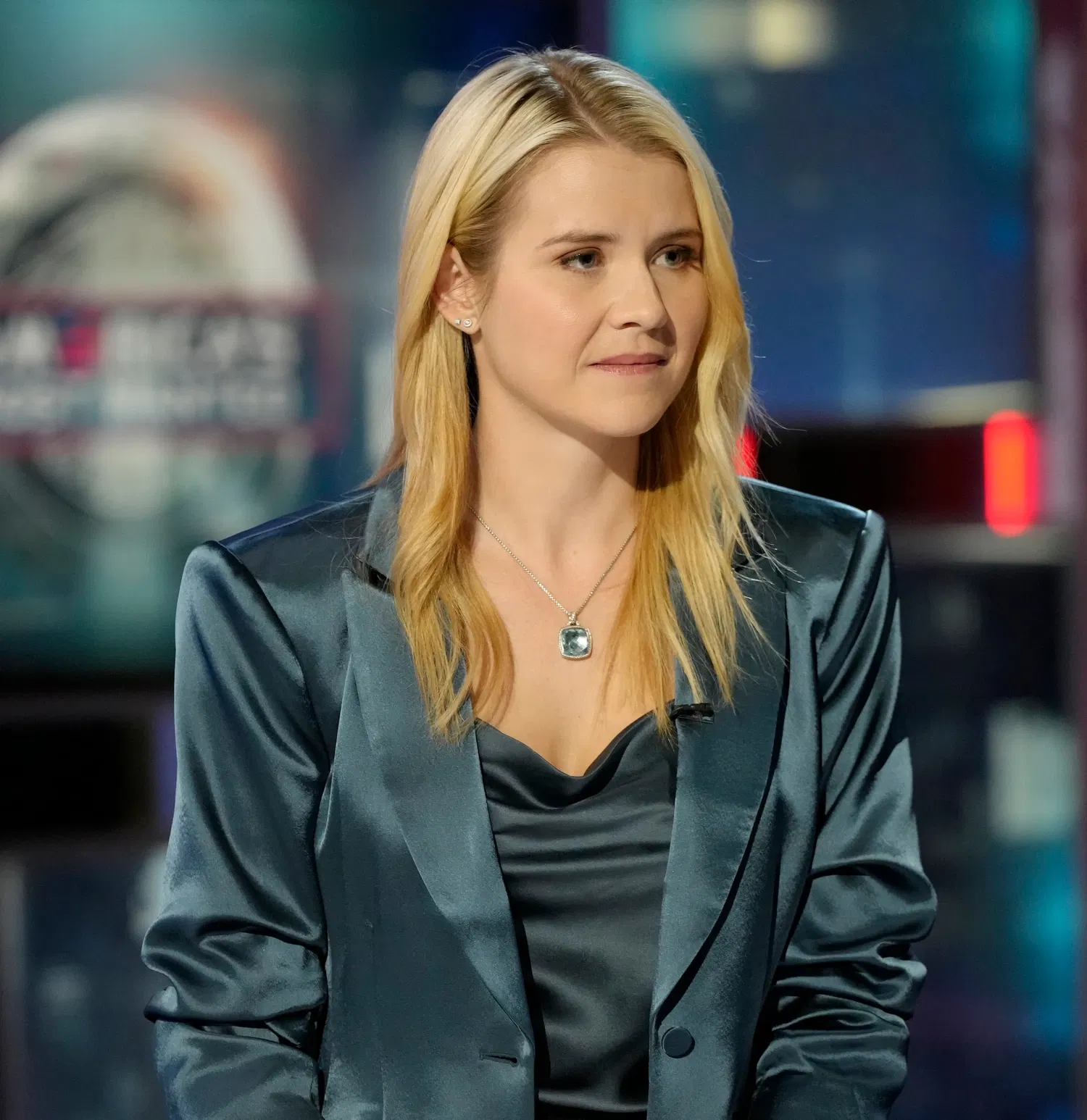
When Elizabeth Smart stepped onto the stage at the Wasatch Warrior fitness competition in Salt Lake City this April, she wasn't just competing for a trophy — she was reclaiming her body on her own terms. The 38-year-old child safety activist, known globally as a kidnapping survivor, won first place in her category at the NPC Fit Model event, revealing a side of herself that even she never expected to show the world.
"Had you asked me if I would ever compete in a bodybuilding show a couple of years ago I would have said, 'absolutely not! Never in 100 years!'" Smart wrote on Instagram alongside a photo of herself posing in a bikini and heels. Her journey from survivor to competitive bodybuilder offers a powerful window into what it actually takes to prepare for a figure competition — the training, the nutrition, the mindset, and the courage it requires to step on stage.
How Elizabeth Smart's Bodybuilding Journey Began
Smart didn't jump straight into the spotlight. Her first competition took place at the same Wasatch Warrior event exactly one year earlier, but she competed under her married name, Elizabeth Gilmour. "She wasn't looking for any attention — just wanted to do it for herself and set that goal," her trainer Robyn Maher told E! News. By the time she publicly shared her journey in April 2026, Smart had already quietly competed in three previous bodybuilding shows, including one at the national level.
"We were super excited. She made great progress with her physique, and she kind of caught the bug a little bit," Maher recalled. "She said, 'I think I want to do this again, like, I've seen what I've accomplished. I feel stronger.'" That progression — from curiosity to competition to commitment — mirrors how many athletes enter the sport, starting with personal goals before stepping into the competitive arena.
The Training Regimen: 6 Days a Week of Dedication
Preparing for an NPC (National Physique Committee) figure competition requires serious commitment. Smart's trainer put her on a regimen that included weight training up to six days a week, paired with a carefully structured meal plan. Unlike bodybuilding's more extreme categories, the Fit Model division emphasizes a balanced, athletic physique with lean muscle tone rather than mass.
Maher detailed Smart's strengths in the gym: "Her legs are super strong. She's run all these marathons. That woman can squat a lot of weight." This foundation of strength from endurance sports gave Smart a head start, but competition prep required her to shift from cardio-heavy training to resistance-focused workouts designed to shape and define muscle groups.
A typical NPC competition prep includes split training routines targeting different muscle groups each day — legs, back, shoulders, arms, and glutes — with dedicated cardio sessions for fat loss. The final 8 to 12 weeks before a show, known as "peak week," involve meticulous adjustments to training volume, water intake, and carbohydrate loading to achieve the conditioned look judges evaluate on stage.
The Diet and Nutrition Behind the Transformation
Competition bodybuilding is as much about nutrition as it is about lifting weights. Athletes typically follow a structured meal plan that shifts through phases as the competition approaches. In the early prep phase, the focus is on building lean muscle mass through a caloric surplus of clean whole foods — lean proteins, complex carbohydrates, and healthy fats.
As competition nears, athletes enter a cutting phase, reducing calories while maintaining high protein intake to preserve muscle while shedding body fat. This phase requires precise macronutrient tracking, with meals often portioned out across five to six smaller feedings per day to stabilize blood sugar and support recovery.
Maher described Smart's transformation as a gradual process: "She's improved. She's gone through a transformation." The trainer emphasized that Smart's first-place win was earned through hard work. "She didn't get any top award just because she's Elizabeth Smart. It was fair and square."
The Mental Challenge: Why She Almost Didn't Share Her Photos
Perhaps the most powerful part of Smart's story is what almost kept it hidden. After her competition win, Smart hesitated to post photos on Instagram because she feared judgment. "I was worried that I would be judged, not taken seriously, somehow perceived as less than or now unworthy to continue work as an advocate for all survivors," she wrote.
That fear, she realized, was "eerily familiar" to the shame many survivors of trauma experience. Smart decided to share her journey anyway. "I refuse to feel embarrassed about trying something new and am embracing my chance at life to the absolute fullest I can," she wrote. "I don't want to reach the end of my life and look back and feel regret for only living a half-life."
Her trainer praised that decision: "I just love that she had the strength and the courage to come out and say, 'I'm not going to accept that, I'm not going to let you embarrass me over this. This is something I'm proud of.' And how poignant that is."
What Judges Look for in NPC Fit Model Competitions
Understanding what it takes to win helps put Smart's achievement in perspective. In the NPC Fit Model category, judges evaluate competitors on overall physique balance, muscle tone (not bulk), stage presence, and symmetry. The category is designed for athletes who want a fit, athletic look without the extreme muscle mass of traditional bodybuilding.
Competitors must master the art of posing — holding specific quarter-turn positions that display the physique from all angles while maintaining a relaxed, confident expression. Posing practice is a critical part of preparation that many newcomers underestimate. Athletes typically work with pose coaches or their trainers for weeks to perfect their routines, learning to flex specific muscle groups on command while breathing naturally and smiling.
Smart's win at the Wasatch Warrior event demonstrates mastery across all these elements: a balanced, conditioned physique; confident stage presence; and the poise to present herself under bright lights and scrutiny.
What's Next for Elizabeth Smart
Smart has made it clear she's not done with the sport. Her Instagram post concluded with a message of gratitude to her coach and a call to action for others: "My hope for all of us is that we all find the courage to chase new experiences, goals, bettering ourselves, and most importantly happiness."
Her trainer hinted that Smart may continue competing at higher levels: "She made great progress with her physique, and she kind of caught the bug." Given that she's already competed at a national level and won at her latest event, a future in higher-tier NPC competitions — potentially even national qualifying shows — seems well within reach.
Key Takeaways for Aspiring Competitors
Elizabeth Smart's bodybuilding journey offers valuable lessons for anyone considering competitive fitness:
- Start where you are: Smart began competing under her married name, quietly pursuing her goal before going public. You don't need an audience to start your fitness journey.
- Consistency beats intensity: Six-day training weeks and a consistent nutrition plan produced results over time, not overnight.
- Work with a coach: Smart's transformation was guided by experienced trainer Robyn Maher, who tailored her plan to her strengths and goals.
- Embrace the fear: Smart almost let fear of judgment stop her. Sharing her journey became part of her healing — a reminder that growth often requires discomfort.
- Set goals for yourself first: Smart's first three competitions were for her own satisfaction, not for external validation. That intrinsic motivation carried her through the hard work.
As Smart put it: "My body has carried me through every worst day, every hellish grueling experience, it's created and nurtured three beautiful children, my body has risen to every single challenge life has presented it with, and carried me through so I refuse to be ashamed of it."