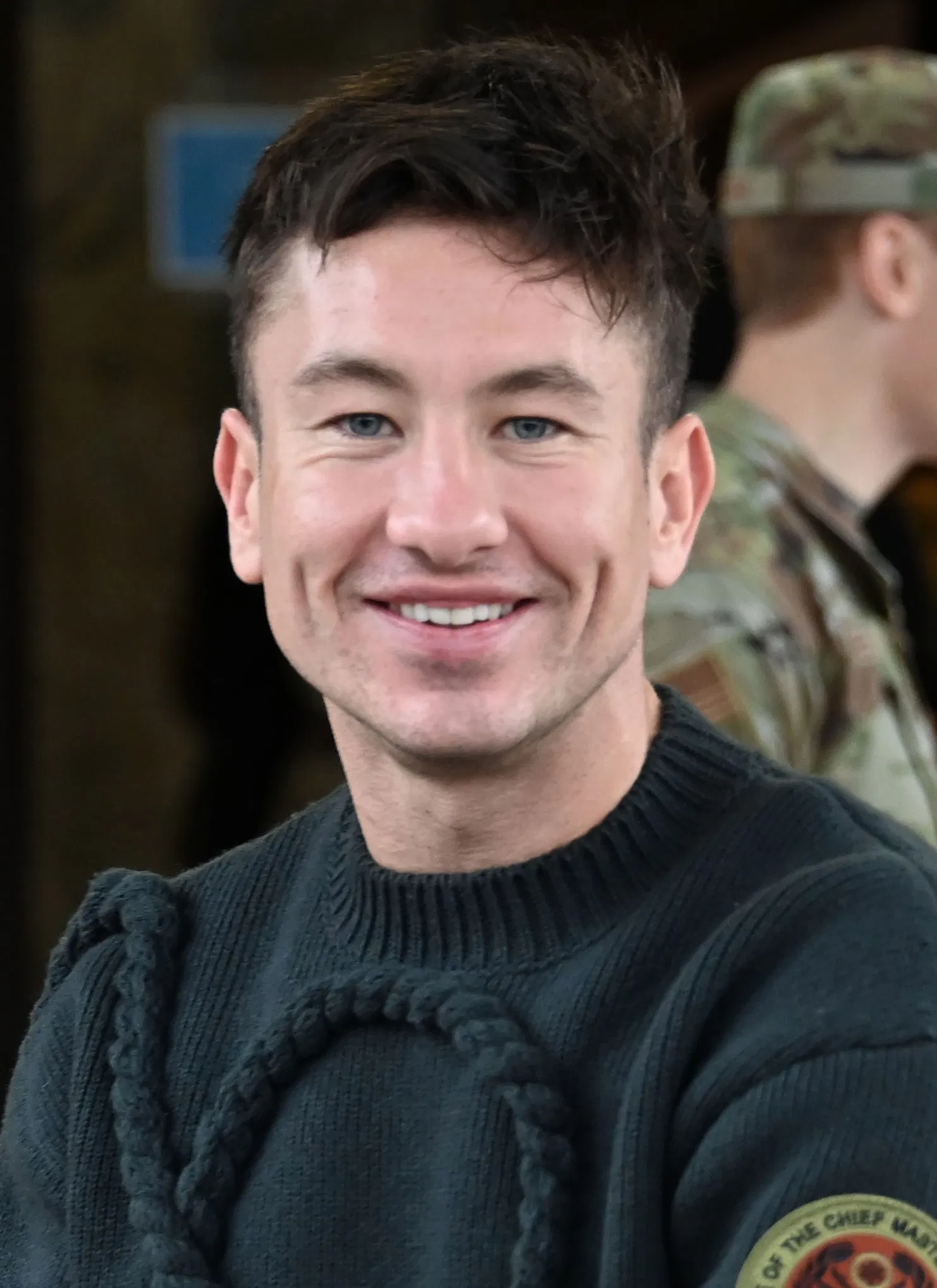
Actor Barry Keoghan has become the latest public figure to speak candidly about non-surgical skin tightening, revealing he underwent a radiofrequency-based facial treatment after months of online abuse about the way he looks. The Saltburn and The Banshees of Inisherin star's decision has pushed skin tightening into the spotlight — and left plenty of people asking how these procedures actually work, what they cost, and whether the results are worth it. Here's what to know about the treatment Keoghan tried and the science behind firmer, tighter-looking skin.
Why Everyone Is Suddenly Talking About Skin Tightening
Keoghan, 34, has spent months facing public commentary about his changing appearance, a wave of criticism that followed his rise through films such as The Killing of a Sacred Deer, Eternals, and the award-winning The Banshees of Inisherin. He addressed the abuse directly in a SiriusXM interview earlier this year. "There's a lot of hate online. It's a lot of abuse of how I look," he said, adding that the trolling had become so relentless that at times he "did not want to go outside."
Now the Irish actor has revealed he turned to XERF, a non-invasive, needle-free skin-tightening treatment, to feel better about his appearance. According to Variety and Page Six, Keoghan underwent two sessions with London-based skin and beauty expert Nilam Holmes — the same practitioner who has worked with celebrities including Kim Kardashian and Naomi Watts.
XERF belongs to a family of cosmetic procedures known as energy-based skin tightening. Instead of surgery or injectables, these treatments deliver controlled heat beneath the skin's surface to firm loose or sagging skin and prompt the body to rebuild collagen. Each XERF session costs roughly $3,300 to $3,500 for the face and neck, and results are typically said to last up to a year. The reveal caps a months-long saga: Keoghan first spoke about the abuse in March 2026, and by late October he had gone public with the treatment he chose to address the criticism.
How Non-Surgical Skin Tightening Actually Works
To understand skin tightening, it helps to know a little about how skin is built. The outer layer — the epidermis — acts as a protective barrier. Beneath it sits the dermis, a thicker middle layer packed with collagen and elastin, the two proteins that give skin its structure, firmness, and ability to snap back into place.
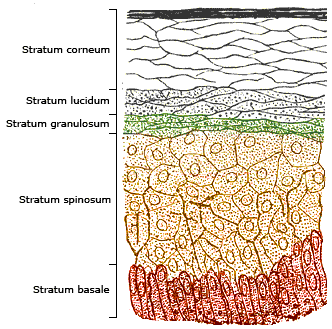
As we age — and especially with sun damage, smoking, and genetics — the body makes less collagen and elastin while existing fibers break down. Collagen production begins to decline gradually, starting as early as our twenties. Over time the dermis thins, and the skin starts to sag, wrinkle, and lose its youthful tightness, a condition dermatologists call skin laxity.
Most non-surgical skin-tightening treatments work through the same core mechanism. A handheld device delivers controlled heat to the dermis, typically warming it to between about 40°C and 75°C. That heat does two things. First, it causes collagen fibers to contract, producing a subtle but immediate tightening effect. Second — and more importantly — the heat creates a controlled micro-injury that triggers the body's natural repair response. Over the following weeks and months, cells called fibroblasts ramp up production of fresh collagen and elastin, a process known as neocollagenesis.
These treatments are performed in a clinic or medical spa, usually by a dermatologist, plastic surgeon, or licensed aesthetician, and a session typically takes anywhere from 30 to 90 minutes depending on the area treated. Because new collagen takes time to build, results are gradual. Most people notice mild firming right away, with more visible improvement over two to four months and the fullest results peaking around three to six months, according to the American Academy of Dermatology and other dermatology sources.
The Main Types of Skin Tightening Treatments Compared
Although they share a common goal, skin-tightening technologies differ in the type of energy they use and how deeply they reach. The most common options include:
- Radiofrequency (RF) — used by XERF, Thermage, and FaceTite. RF sends electromagnetic energy (roughly 0.3 to 10 MHz) into the dermis to heat and stimulate collagen remodeling. It's a go-to for mild to moderate laxity on the face, neck, and body.
- Focused ultrasound (HIFU) — Ultherapy uses high-intensity focused ultrasound to reach deeper tissue, including the structural SMAS layer beneath the skin, at precise depths of 1.5 mm, 3 mm, and 4.5 mm. It's often chosen for lifting along the jawline and brow.
- RF microneedling — Morpheus8 combines tiny needles with radiofrequency energy, addressing texture, scarring, and collagen remodeling in addition to firming.
- Laser treatments — fractional and ablative lasers heat the skin to spark collagen production, though laser skin tightening can carry slightly higher risks of pigmentation changes and a bit more downtime than RF.
The best choice depends on a person's skin, goals, and how much laxity they have. Many providers combine treatments — for example, pairing RF microneedling with a separate ultrasound lift — to address both surface texture and deeper sagging at once. Dermatologists generally agree the ideal candidates are adults in their 30s to 60s with mild to moderate skin laxity and early signs of aging — not people with severe sagging or excess skin, which usually calls for surgery.
What Results, Recovery, and Risks Really Look Like
One of the biggest draws of non-surgical skin tightening is the minimal downtime compared with a facelift. Most people experience only mild, temporary side effects such as redness, warmth, slight swelling, or a tight sensation that settles within 24 to 72 hours, and many return to normal activities the same day.
That doesn't mean the procedures are risk-free. The U.S. Food and Drug Administration has cautioned that some energy-based devices — particularly certain RF microneedling systems — have been linked to rare but serious adverse events, including burns, blistering, scarring, fat loss, pigmentation changes, and nerve damage. That's why experts stress choosing a qualified, experienced provider and keeping expectations realistic.
Because the improvements come from newly formed collagen, results tend to last roughly 12 to 18 months on average — sometimes up to two years — before maintenance sessions are recommended. Keoghan's treatment is reported to last up to a year.
Cost, Candidates, and What to Expect
Non-surgical skin tightening isn't cheap, though it costs far less than a surgical lift. Prices vary by device, provider, and location, but a single face-and-neck RF session commonly runs from several hundred dollars to about $3,500, and many practitioners recommend a series for the best outcome. Keoghan's two-session XERF course reportedly totaled around $6,000, or roughly £4,500. Most reputable clinics offer a consultation first, which is a good opportunity to discuss whether your skin type and level of laxity make you a realistic candidate.
Before booking, experts suggest confirming your provider's credentials, asking exactly which device will be used, and reviewing before-and-after photos. People with active skin infections, certain medical conditions, or who are pregnant should generally steer clear of these treatments.
For Keoghan, the payoff has been personal. "I feel better about myself," he said of the treatment — a reminder that, for many people, these procedures are as much about confidence as they are about appearance.
The Bottom Line: Key Points to Remember
- Barry Keoghan revealed he had two non-surgical XERF skin-tightening sessions after months of online criticism about his looks.
- Skin tightening uses controlled heat — usually radiofrequency, ultrasound, laser, or microneedling — to firm skin and stimulate new collagen.
- Results build gradually, peaking around three to six months, and typically last one to two years.
- Downtime is minimal, but rare risks include burns, scarring, and pigmentation changes, so choose a qualified provider.
- A single face-and-neck session can cost roughly $3,500, and best results often require multiple sessions.