Scientists have made a groundbreaking discovery that could change how we understand brain aging: a single protein called FTL1 appears to drive cognitive decline as we age. Recent research from UC San Francisco reveals that this iron-associated protein accumulates in the brain over time, weakening connections between brain cells and leading to memory loss. Even more promising, when researchers reduced FTL1 levels in older mice, they witnessed something remarkable—the brain began to recover, rebuilding lost connections and restoring memory function. This discovery not only illuminates a key mechanism of brain aging but also raises an important question: can our diet influence FTL1 levels and potentially slow cognitive decline?
What Is FTL1 and How Does It Accelerate Brain Aging?
FTL1, or ferritin light chain 1, is an iron-storage protein that plays a crucial role in managing iron levels within brain cells. As we age, iron metabolism in the brain changes, leading to increased accumulation of FTL1 in the hippocampus—the brain region responsible for learning and memory. Research published in Nature Aging shows that older mice have significantly higher levels of FTL1 compared to younger animals, and these elevated levels correlate directly with cognitive impairment.
"When we boosted FTL1 levels in young mice, their brains began to look and function more like those of older mice," explained Dr. Saul Villeda, senior author of the study and associate director of the UCSF Bakar Aging Research Institute. The protein doesn't just sit idly—it actively weakens connections between neurons, creating simplified neural structures instead of the complex branching networks essential for healthy brain function.
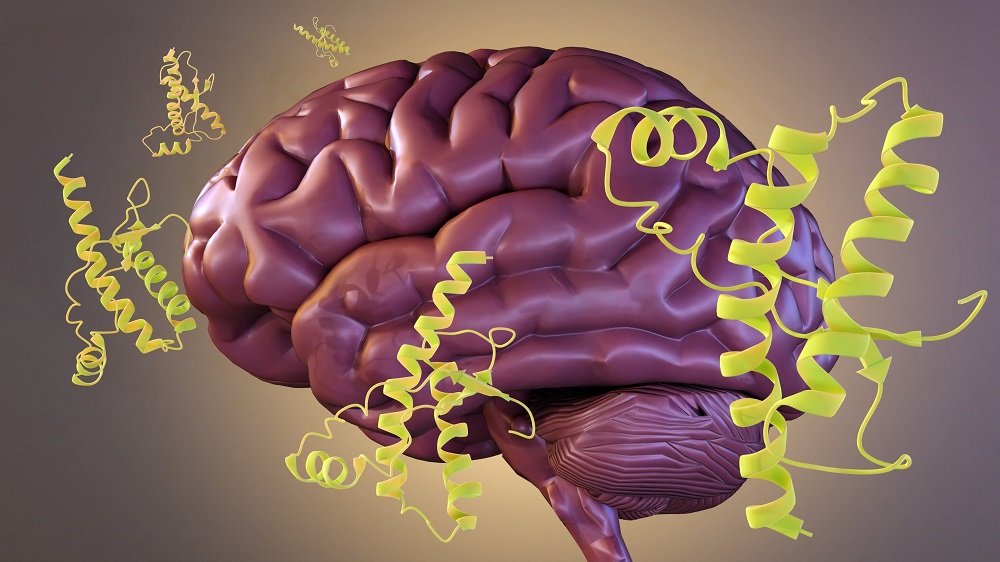
The FTL1 Discovery Timeline: From Mice to Memory Recovery
The journey to understanding FTL1 began with meticulous research tracking changes in genes and proteins in the mouse hippocampus over time. Among everything examined, only FTL1 stood out as consistently different between young and old animals. The research timeline reveals a compelling story:
- 2025 Study Publication: UCSF researchers published their findings in Nature Aging, demonstrating that FTL1 levels increase with age in the hippocampus
- Experimental Phase: Scientists artificially increased FTL1 in young mice, causing their brains to resemble those of older animals with simplified neuron structures
- Breakthrough Moment: When researchers reduced FTL1 in older mice, connections between brain cells increased and memory test performance improved dramatically
- Metabolism Connection: Further experiments revealed FTL1 affects how brain cells use energy, acting as a metabolic brake in aging brains
"It is truly a reversal of impairments," said Dr. Villeda. "It's much more than merely delaying or preventing symptoms—we're seeing actual recovery of function."
How FTL1 Works: The Iron and Energy Connection
FTL1's role in brain aging revolves around two key mechanisms: iron regulation and cellular energy metabolism. As an iron-storage protein, FTL1 helps manage iron levels within neurons. However, with age, this system becomes dysregulated, leading to excessive FTL1 accumulation. This isn't just about iron storage—the protein directly interferes with how brain cells produce and use energy.
In older mice, higher FTL1 levels slowed cellular metabolism in the hippocampus, essentially putting a brake on energy production. Without adequate energy, neural connections weakened and cognitive function declined. However, when researchers treated these cells with compounds that boost metabolism, they prevented the negative effects of FTL1, suggesting potential therapeutic avenues.
This dual mechanism—iron regulation and energy metabolism—explains why FTL1 has such a profound impact on brain health. It's not merely a marker of aging but an active driver of cognitive decline that could potentially be targeted therapeutically.
Can Diet Influence FTL1 Levels? What Science Says
While no foods directly contain FTL1 (it's a protein produced within the body, not consumed through diet), emerging research suggests that certain dietary patterns may help manage the factors that influence FTL1 accumulation. Since FTL1 is an iron-associated protein, foods that support healthy iron metabolism and provide antioxidant protection may be beneficial.
According to health experts, these food categories show particular promise:
- Omega-3-rich fish: Salmon, mackerel, and sardines provide anti-inflammatory fats that support brain cell membrane health
- Berries: Blueberries, strawberries, and blackberries offer powerful antioxidants that combat oxidative stress linked to iron accumulation
- Nuts and seeds: Walnuts, flaxseeds, and chia seeds provide healthy fats and vitamin E, which may protect against iron-related damage
- Leafy green vegetables: Spinach, kale, and Swiss chard contain nutrients that support healthy iron metabolism
Recent studies have identified four specific nutrients that may reduce brain iron buildup with age: antioxidants like vitamins C and E, polyphenols from colorful fruits and vegetables, omega-3 fatty acids, and certain B vitamins. While more research is needed to establish direct connections between these foods and FTL1 levels, the existing evidence suggests a brain-healthy diet could potentially influence the underlying conditions that lead to FTL1 accumulation.
The Future of FTL1 Research and Brain Health
The discovery of FTL1's role in brain aging opens exciting new avenues for research and potential treatments. Scientists are now exploring several promising directions:
- Therapeutic Development: Researchers are investigating compounds that could safely reduce FTL1 levels or counter its effects in the human brain
- Dietary Interventions: Studies are examining how specific nutrients and dietary patterns might influence FTL1 accumulation and brain iron metabolism
- Early Detection: FTL1 levels could potentially serve as a biomarker for age-related cognitive decline, allowing for earlier intervention
- Combination Approaches: Researchers are exploring how lifestyle factors like exercise, sleep, and stress management might interact with FTL1-related aging processes
"We're seeing more opportunities to alleviate the worst consequences of old age," Dr. Villeda noted. "It's a hopeful time to be working on the biology of aging, and discoveries like this bring us closer to interventions that could maintain brain health throughout life."
Key Takeaways on FTL1 Protein and Brain Aging
The FTL1 story represents a significant advance in our understanding of brain aging. While much remains to be discovered, several key points emerge from current research:
- FTL1 is an iron-associated protein that accumulates in the brain with age and actively drives cognitive decline
- Reducing FTL1 levels can reverse age-related memory impairment and restore neural connections
- The protein affects brain cell energy metabolism, providing a potential therapeutic target
- While no foods contain FTL1 directly, a diet rich in omega-3s, antioxidants, and brain-supportive nutrients may help manage factors that influence FTL1 accumulation
- This discovery offers hope for future interventions that could delay or reverse age-related cognitive decline
As research continues to unfold, the connection between FTL1, brain aging, and diet will likely become clearer. For now, maintaining a brain-healthy lifestyle—including a nutrient-rich diet, regular exercise, and cognitive stimulation—remains one of the best strategies for supporting cognitive health as we age.