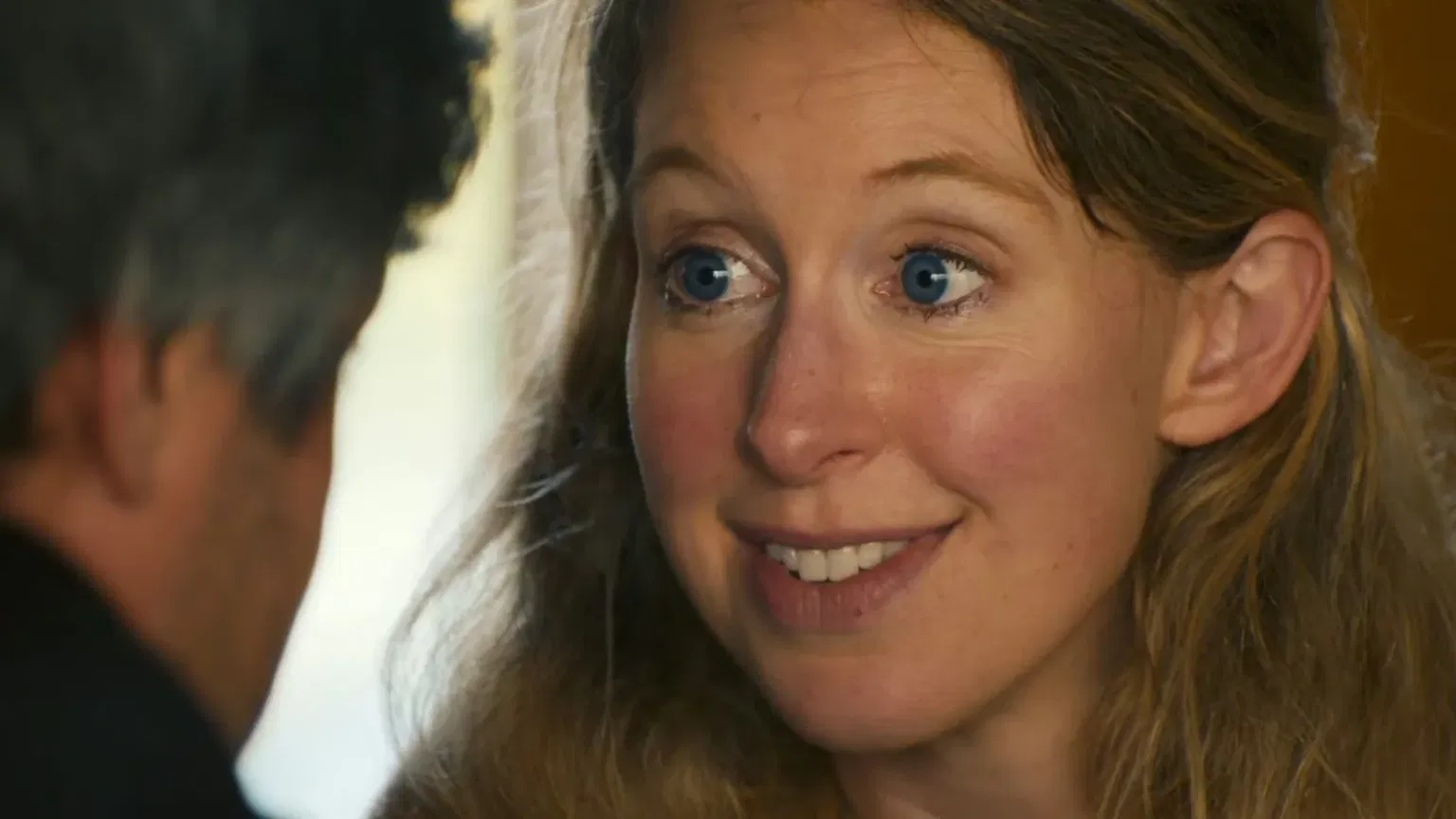
More than three years after she reported to a federal prison in Texas, Elizabeth Holmes is back in the headlines — this time for a movie. On September 6, 2026, "You Can See Everything," a documentary from Nathan Fielder and Lance Oppenheim, premiered as a surprise secret screening at the Telluride Film Festival, and A24 will release it in theaters on October 16. The film follows the disgraced Theranos founder through the 34 days before she began her prison sentence, then keeps the cameras rolling for three more years. But the mystery at the heart of the Holmes saga has always been technical: how were Theranos' blood tests supposed to work — and why did the technology fail?
That question matters because Theranos wasn't just a corporate scandal. It was a cautionary tale about a medical device that promised to make blood testing cheaper and less painful, and could not deliver.
How Theranos' Blood Tests Were Supposed to Work
Holmes founded Theranos in 2003, at age 19, with a pitch that sounded close to magic: instead of drawing a vial of blood from a vein, a clinic could prick your finger, collect a few drops, and run dozens — eventually hundreds — of tests on that tiny sample. The company's test "menu" grew to more than 200 items, and its valuation peaked around $9 billion in 2013 and 2014, which briefly made Holmes the youngest self-made female billionaire on Forbes' list in 2015.
The promised system had two parts. First, a "nanotainer" — a miniature collection tube — captured a finger-prick sample. Second, a tabletop machine called the "Edison" (later followed by a "MiniLab") would analyze it. In principle, the Edison ran immunoassays: biochemical tests that use antibody–antigen reactions to detect and measure a specific molecule, such as a hormone, protein, or disease marker. The pitch was that these tiny volumes could be processed quickly, with little downtime, at a fraction of the cost of a traditional clinical laboratory.
The promise won over big names in retail and health care. Safeway reportedly spent about $350 million retrofitting roughly 800 stores to host Theranos clinics. Walgreens announced wellness centers in 2013, and Cleveland Clinic signed a partnership in 2015. The appeal was obvious: cheaper, needle-free, on-the-spot results for patients.
Why the 'Edison' Never Actually Worked
The catch was that the device couldn't do what Holmes claimed. In October 2015, Wall Street Journal reporter John Carreyrou — whose work became the book "Bad Blood" — revealed that Theranos was quietly running many of its tests on traditional machines made by other manufacturers, including Siemens, because the Edison wasn't up to the task. The company diluted its tiny finger-prick samples so they could be stretched across conventional analyzers, which introduced errors.
Scientists had been raising alarms before the Journal story broke. Stanford physician-scientist John Ioannidis wrote in JAMA in February 2015 that Theranos had published no peer-reviewed research to back its claims. University of Toronto biochemist Eleftherios Diamandis concluded in a May 2015 paper that most of the company's claims were exaggerated. Then a 2016 study by 13 researchers in the Journal of Clinical Investigation found Theranos results fell outside normal ranges more often than conventional labs and varied significantly from test to test.
There was also a basic scientific hurdle: finger-prick blood is simply less reliable than blood drawn from a vein. Researchers Meaghan Bond and Rebecca Richards-Kortum found that finger-prick samples vary drop to drop and are less accurate than venous samples. Many tests need larger volumes, spinning in a centrifuge to separate components, or added chemicals — steps a single tiny sample can't always support. In short, running hundreds of accurate tests on one drop of blood was, in many cases, physically impossible.
From $9 Billion 'Unicorn' to Federal Prison: A Timeline
- 2003: Holmes founds Theranos, then drops out of Stanford.
- 2013–2014: The company reaches a $9 billion valuation on its blood-testing claims.
- 2015: Forbes names Holmes America's youngest self-made female billionaire; months later, Carreyrou's Wall Street Journal investigation exposes the technology's failures.
- 2016: Forbes revises Holmes' net worth to zero as regulators flag problems in Theranos labs.
- 2018: The SEC charges Holmes and the company with fraud, alleging they raised $700 million on false claims, and Theranos dissolves. A federal grand jury indicts Holmes and former COO Sunny Balwani.
- January 2022: Holmes is convicted on three counts of wire fraud and one count of conspiracy to defraud investors.
- November 2022: She is sentenced to 11¼ years (135 months) in prison.
- May 30, 2023: Holmes reports to Federal Prison Camp Bryan in Texas.
Why 'You Can See Everything' Is Bringing the Story Back
The new documentary offers something the trial never did: intimate, unfiltered access. Holmes invited Fielder and Oppenheim to film her in the 34 days before she reported to prison, and the crew kept shooting for three years — a stretch that also includes time with Amanda Seyfried, who played Holmes in Hulu's miniseries "The Dropout." Fielder, known for his deadpan on-camera persona, appears as an interviewer.
"I really am struggling to this day to understand exactly what I experienced," Fielder told Vanity Fair about living with Holmes and her family in the days before her imprisonment. Early reviews have been strong: the 174-minute film holds a Metacritic score of 92 out of 100, with critics noting the filmmakers' unusually close access.
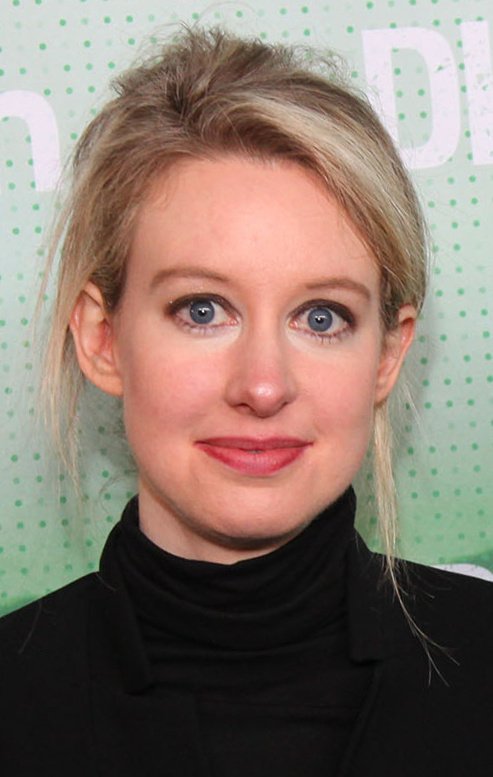
The title, "You Can See Everything," carries a double meaning — a nod to the promise of total transparency that Theranos never delivered, and to the omniscient access the cameras were granted. For an audience that followed Holmes' trial mostly through court sketches and headlines, the film is the first long, intimate look at the person behind the black turtleneck.
Where Elizabeth Holmes Is Now
Holmes is serving her 11¼-year sentence at Federal Prison Camp Bryan, a minimum-security facility in Texas, where she reported on May 30, 2023. She married hotel heir Billy Evans in 2019, and the couple has two children, born in 2021 and 2023. Balwani, her former romantic and business partner, was also convicted on fraud charges in a separate trial.
"You Can See Everything" premiered September 6, 2026, at Telluride and opens in theaters nationwide on October 16, 2026.
The Bottom Line: What to Remember About Theranos
- Theranos claimed a finger-prick "nanotainer" and a tabletop "Edison" machine could run 200-plus tests on a few drops of blood.
- The Edison largely didn't work; the company secretly used other manufacturers' analyzers and diluted samples.
- Finger-prick blood is inherently less accurate than venous blood, and many tests can't be miniaturized.
- Carreyrou's 2015 Wall Street Journal reporting exposed the fraud, leading to SEC charges and criminal convictions.
- Holmes was convicted in 2022 and sentenced to 11¼ years; she reported to prison in May 2023.
- Fielder and Oppenheim's "You Can See Everything" (A24) brings the story back to theaters on October 16, 2026.