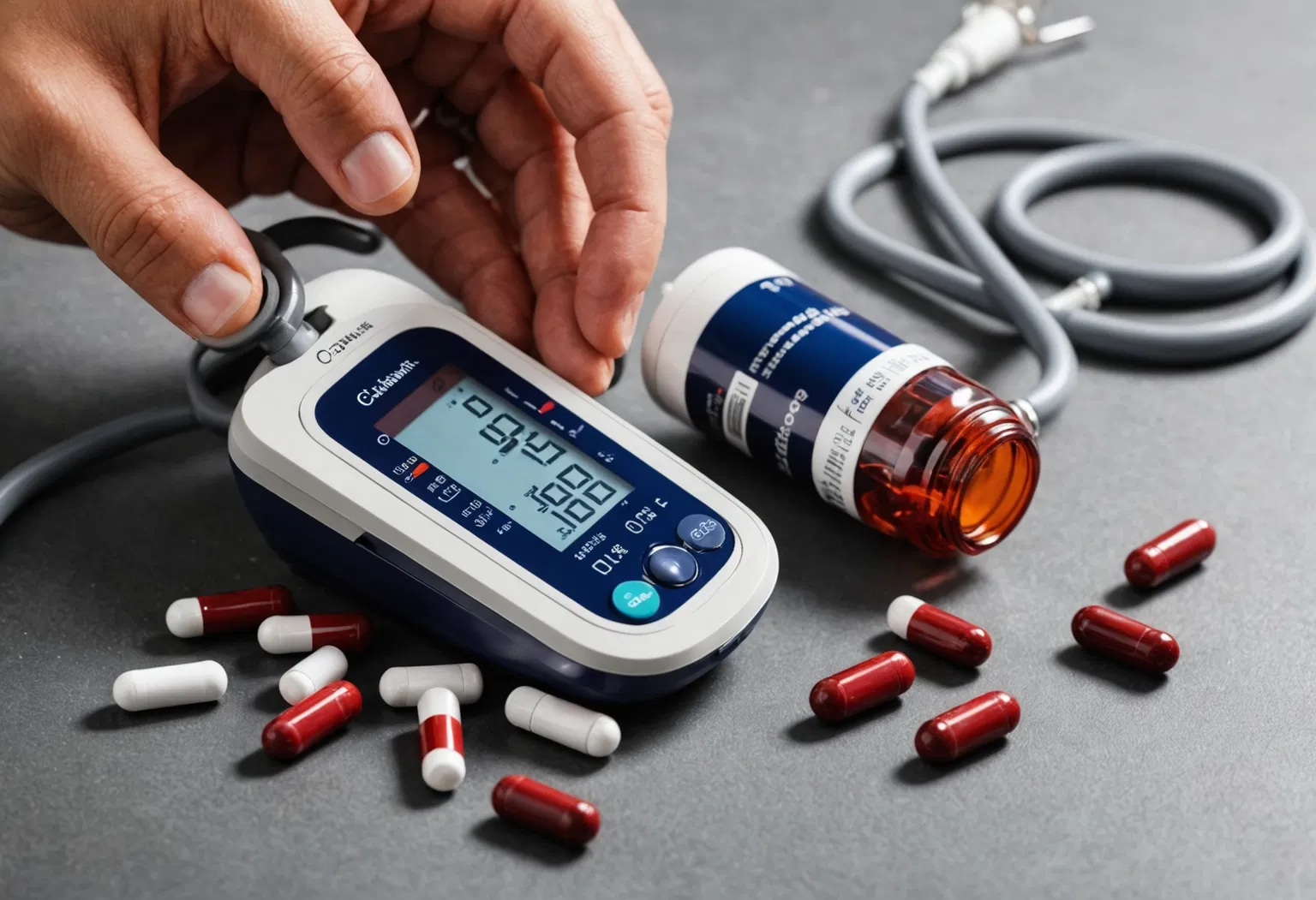
A widely prescribed blood pressure medication called chlorthalidone is at the center of a nationwide recall after its manufacturer, Inventia Healthcare Limited, found that certain batches of the tablets were not dissolving the way they are supposed to. Across two separate recalls in 2026, the company has pulled more than 25,000 bottles of the 25-milligram tablets from the U.S. market, according to the Food and Drug Administration (FDA). For the millions of Americans who take this inexpensive "water pill" to keep hypertension in check, the announcement raises a pressing question: what does a dissolution failure actually mean, how serious is it, and what should you do if your prescription is affected?
Health experts say the situation is manageable but requires attention. The FDA has classified the latest recall as Class II—a designation that signals the risk of serious harm is considered remote—and patients are strongly urged not to stop taking their medication without first speaking to a doctor or pharmacist.
What Is Chlorthalidone and How Does It Work?
Chlorthalidone belongs to a group of medicines called diuretics, commonly referred to as "water pills." It is prescribed primarily to treat high blood pressure (hypertension) and to reduce fluid retention, or edema, caused by conditions such as heart failure, kidney disease, and liver disease. Because hypertension affects nearly half of American adults and often produces no obvious symptoms, medications like chlorthalidone play a quiet but critical role in preventing strokes, heart attacks, and kidney damage.
The way chlorthalidone works is straightforward. Inside the kidney, the drug blocks a protein known as the sodium-chloride symporter in the distal tubule, a structure that would otherwise pull water and salt back into the bloodstream. When that reabsorption is blocked, the body flushes out more sodium and water through urine. Reducing the amount of fluid circulating in the blood vessels lowers the pressure against the artery walls, which is exactly what blood pressure medication is designed to do.
Chlorthalidone is classified as a thiazide-like diuretic, a close chemical relative of the more familiar thiazide diuretic hydrochlorothiazide. One of the key differences is duration: chlorthalidone stays active in the body significantly longer, which can produce smoother, more consistent blood pressure control over a full 24 hours. That long-lasting effect is one reason many treatment guidelines favor chlorthalidone for patients who need reliable, once-daily dosing.
Why the Recall Happened: Understanding Dissolution Testing
The recalls were triggered by a failed dissolution specification, a routine quality-control measurement that determines how quickly and completely a tablet breaks down in liquid that mimics the environment of the human digestive tract. Put simply, dissolution testing answers a basic question: will this pill actually dissolve and release its active ingredient once a patient swallows it?
Here is how the test generally works. A tablet is placed inside a vessel filled with a specific dissolution medium—often a liquid designed to approximate stomach or intestinal fluid—and the vessel is stirred at a controlled temperature. At set time intervals, samples of the liquid are drawn and analyzed to measure how much of the active drug has been released. For a tablet to pass, it must release a defined percentage of its active ingredient within a specified window of time.
For a medication to have any effect, the active drug must first dissolve before it can be absorbed into the bloodstream. If a tablet dissolves too slowly or incompletely, the body may absorb less than the intended dose. In the case of chlorthalidone, a failed dissolution test means the affected tablets could be less effective at lowering blood pressure than they are supposed to be—a quality problem, rather than a contamination or safety hazard.
The FDA treats failed dissolution specifications as one of the most common reasons for drug recalls, and manufacturers are required to verify that every batch of oral medication meets established dissolution standards before it ships.
Timeline: Two Recalls and More Than 25,000 Bottles
Inventia Healthcare Limited, a pharmaceutical company based in India, issued its first voluntary recall of chlorthalidone on June 5, 2026. That initial action covered roughly 11,460 bottles of the drug, which were sold in both 100-tablet and 1,000-tablet sizes.
The company initiated a second, larger recall on September 3, 2026, covering 13,567 bottles from a single production batch. The product affected in that second wave is identified as Chlorthalidone Tablets USP, 25 mg, sold in 100-tablet bottles under National Drug Code (NDC) 64980-599-01, with batch number RISA24002 and an expiration date of April 2027.
On September 17, 2026, the FDA formally classified the September recall as Class II and assigned it the recall number D-0852-2026, confirming that the affected tablets had been distributed nationwide. Combined, the two recalls account for more than 25,000 bottles of the medication.
What a Class II Recall Actually Means
The FDA sorts recalls into three classes based on the level of danger a defective product presents. A Class I recall is the most serious, reserved for products that could cause serious health problems or death. A Class II recall—the category applied to the chlorthalidone recall—covers situations in which using the product may cause temporary or medically reversible health consequences, or in which the probability of serious harm is remote. A Class III recall involves products that are unlikely to cause any adverse reaction but still violate FDA regulations, such as a labeling mistake.
Because the chlorthalidone tablets failed a quality standard rather than containing a harmful contaminant, the chief concern is reduced effectiveness, not acute injury. That distinction is why health authorities have described the situation as manageable for patients who act promptly to replace their medication.
How to Read Your Prescription Label
Locating the recalled product on your own bottle is easier than it may sound, but it helps to know what each identifier means. The National Drug Code, or NDC, is a unique number the FDA uses to identify a specific drug, its strength, and its packaging. On the recalled chlorthalidone bottles, that code is 64980-599-01, where the first segment identifies the manufacturer, the second identifies the product and strength, and the third identifies the package size.
The batch or lot number is a manufacturer-assigned code that tracks when and where a specific run of tablets was produced. The recalled September batch carries the lot number RISA24002. Finally, the expiration date—April 2027 for this batch—tells you how long the manufacturer guarantees the product will remain within its quality specifications. If all three identifiers match, your bottle is part of the recall.
What Patients Should Do Now
If you take chlorthalidone, start by checking the label on your prescription bottle. The September recall is tied to a specific batch, so look for the batch or lot number RISA24002 and an expiration date of April 2027. If your bottle matches either of the recalled batches, contact your pharmacist. A pharmacist can confirm whether your specific medication is affected and help arrange a replacement from a different, unaffected batch or an alternative manufacturer.
The single most important piece of advice from healthcare professionals is this: do not stop taking chlorthalidone without first speaking to your doctor or pharmacist. Abruptly discontinuing blood pressure medication can cause blood pressure to rebound and spike, which carries its own serious risks, including an increased chance of stroke or heart attack. In the view of most clinicians, the danger of suddenly stopping the drug is greater than the relatively low risk posed by the dissolution defect itself.
In many cases, a pharmacist can substitute tablets from a batch that passed testing, or your doctor can discuss an alternative medication. The goal is to maintain steady blood pressure control while the defective product is swapped out.
The Bottom Line: Key Points to Remember
- Inventia Healthcare has recalled more than 25,000 bottles of chlorthalidone tablets across two recalls in 2026.
- The recalls stem from failed dissolution testing, meaning some tablets may not dissolve properly and could be less effective at lowering blood pressure.
- The FDA classified the latest recall as Class II, indicating the risk of serious harm is considered remote.
- The September recall covers 25 mg tablets with batch number RISA24002, NDC 64980-599-01, and an expiration date of April 2027.
- Patients should check their bottles, contact a pharmacist, and never stop the medication without medical guidance.