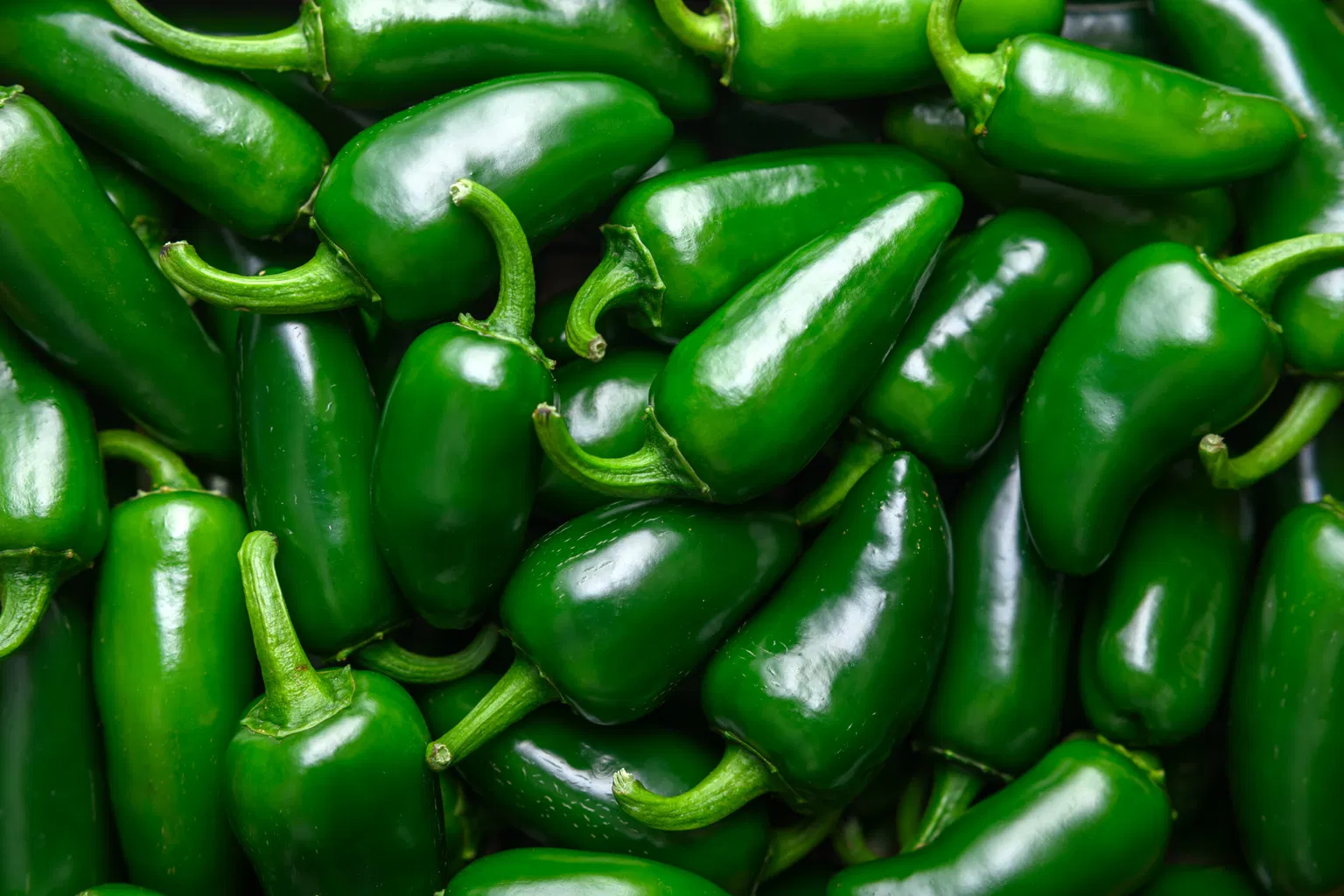
A jalapeño pepper recall tied to a multistate Salmonella outbreak has shoppers across 27 states double-checking their refrigerators. Taylor Fresh Foods — the Salinas, California, company behind the Taylor Farms brand — announced on August 9, 2026, that it was voluntarily recalling finished products made with fresh jalapeños linked to a Salmonella Javiana outbreak. The recalled foods, which include guacamole, salsas, pico de gallo, dips, burritos, and prepared meals, were sold at retailers such as Trader Joe's, Walmart, Target, Kroger, Whole Foods, Hannaford, and Stop & Shop. According to the Centers for Disease Control and Prevention (CDC), the outbreak had sickened at least 345 people and hospitalized 36 as of August 4, 2026, with no reported deaths. Here's what the recall means for your health, how Salmonella gets into produce in the first place, and the steps you can take to protect your own kitchen.
Inside the Taylor Farms Jalapeño Recall
The recall traces back to fresh jalapeños grown in Sinaloa, Mexico, and distributed in the United States by Coast Citrus Distributors. After federal investigators linked those peppers to a cluster of Salmonella Javiana illnesses, Coast Citrus agreed to recall its jalapeños, and Taylor Fresh Foods moved to recall every finished product made with them. The raw peppers were distributed to 12 states — including Arkansas, Illinois, Indiana, Iowa, Kentucky, Louisiana, Michigan, Missouri, Ohio, Oklahoma, Texas, and Wisconsin — with best-by dates from August 7 through August 16, 2026.
The Taylor Fresh Foods recall covers dozens of items under multiple store brands, including Trader Joe's Fiesta Style Salad with Shrimp, Walmart's Freshness Guaranteed pico de gallo, Target's Taylor Farms dips and guacamole, Kroger's Private Selection spicy roast beef sandwich and dips, Hannaford diced jalapeños, and Whole Foods salsas. All recalled products carry a "best if used by" date on or before August 16, 2026, and were distributed to 25 states. Whole Foods separately recalled its own store-prepared salsas, guacamole, and pico de gallo on August 12, while Chipotle Mexican Grill and QDOBA removed affected jalapeños from their restaurants after being notified. The U.S. Department of Agriculture's Food Safety and Inspection Service also issued a public health alert for meat and poultry products that contained the recalled peppers.
Federal data shows the scale of the problem. Of the 191 people interviewed in the investigation, 177 — about 93% — reported eating at a Mexican-style restaurant, including Chipotle and QDOBA, in the week before they got sick, which helped investigators trace the illnesses to a shared jalapeño supplier. Taylor Fresh Foods said it has stopped sourcing from the implicated farm and is filling orders from alternative suppliers.
Timeline: How the Outbreak Unfolded
Outbreak investigations move slowly because it typically takes three to four weeks to link a sick person's illness to a specific source. Here's how the jalapeño outbreak came together:
- June 19 – July 20, 2026: Illnesses later tied to the outbreak begin, with reported onset dates ranging across this five-week window.
- August 5, 2026: The CDC announces a multistate investigation into Salmonella Javiana infections, citing epidemiologic and traceback data pointing to jalapeños from Sinaloa, Mexico, distributed by Coast Citrus Distributors.
- August 8, 2026: Taylor Fresh Foods recalls jalapeño peppers and products containing them.
- August 9, 2026: Coast Citrus Distributors' voluntary recall of fresh jalapeños is announced, and Taylor Fresh Foods publishes its full recall notice.
- August 12, 2026: Whole Foods Market recalls select salsas, guacamole, pico de gallo, and prepared foods containing the recalled peppers.
- August 13, 2026: The CDC updates its investigation, listing 345 cases, 36 hospitalizations, and no deaths across 27 states.
What Salmonella Is — and How It Gets Into Produce
Salmonella is a group of bacteria that cause a gastrointestinal illness called salmonellosis. Most people who get sick develop diarrhea, fever, and abdominal cramps. While the bacteria are most often associated with undercooked poultry and eggs, fresh produce is a well-documented vehicle: the CDC notes that fruits, seeded vegetables such as tomatoes, and other produce are among the most common sources of Salmonella infection.
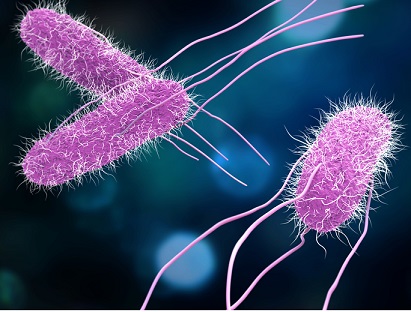
Produce can become contaminated in several ways. In the field, irrigation water, runoff from nearby animal operations, or contaminated equipment can introduce the bacteria to crops. During harvest and packing, shared wash water and processing lines can spread contamination from a single batch to many products — which is why a recall of raw jalapeños quickly snowballed into recalls of dips, salsas, and prepared meals across multiple brands. Once contaminated, food usually looks, tastes, and smells normal, which is why public health officials rely on traceback investigations rather than consumer detection.
Salmonella Symptoms and When to See a Doctor
According to the FDA, most people infected with Salmonella begin to develop symptoms 12 to 72 hours after exposure. The illness typically lasts four to seven days, and most people recover without treatment. Common symptoms include diarrhea (which may be bloody), fever, nausea, vomiting, and abdominal pain. In rare cases, the bacteria can enter the bloodstream and cause more severe conditions such as arterial infections, endocarditis, and arthritis. Children younger than five, older adults, and people with weakened immune systems are at higher risk for severe illness, and the CDC estimates roughly 450 people in the U.S. die from acute salmonellosis each year.
The CDC advises calling a healthcare provider if you experience diarrhea and a fever higher than 102°F, diarrhea lasting more than three days that isn't improving, bloody diarrhea, vomiting so severe you can't keep liquids down, or signs of dehydration such as infrequent urination, dry mouth and throat, or dizziness when standing.
How to Prevent Salmonella at Home
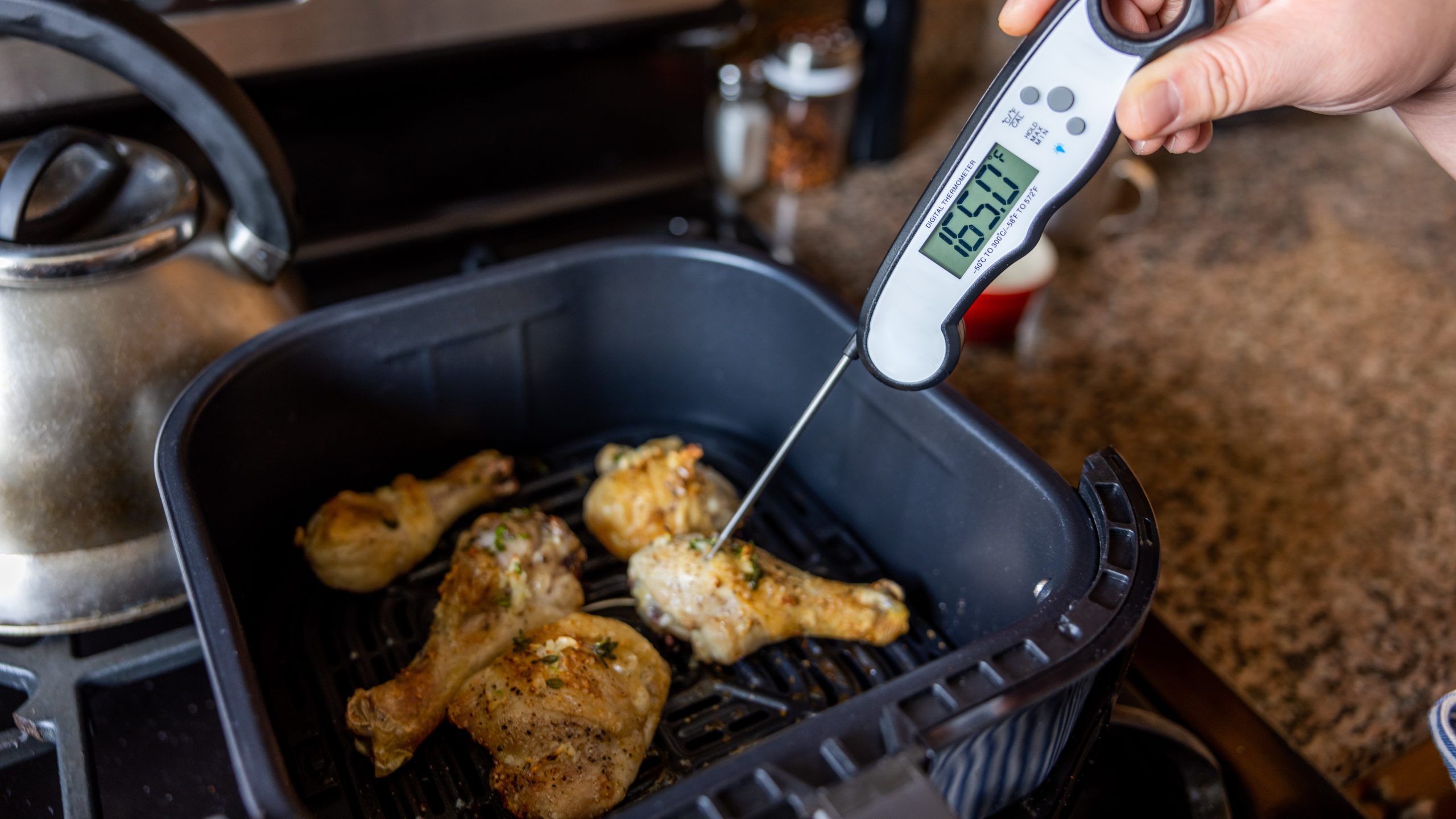
Even outside of a recall, Salmonella prevention comes down to four simple habits — clean, separate, cook, and chill. Wash your hands, cutting boards, and utensils with hot, soapy water after handling produce or raw ingredients. Keep raw meats and their juices away from fresh produce, and cook foods to a safe internal temperature, using a food thermometer to confirm doneness. Refrigerate perishables promptly, because bacteria multiply quickly at room temperature.
If you think you purchased a recalled jalapeño product, don't eat it. Throw it away or return it to the store, and wash any surfaces or containers it touched with hot, soapy water or in the dishwasher. Anyone with questions can reach Taylor Fresh Foods' consumer line at (855) 455-0098.
Where the Recall Stands Now
The FDA and CDC investigation remains open as of August 13, 2026, and both agencies continue to update case counts and recall details. Because many people recover without medical care and are never tested, officials caution that the true number of illnesses is likely higher than reported and that the outbreak may extend beyond the 27 states with confirmed cases. Consumers should check the FDA's outbreak page for the most current list of recalled products, UPC codes, and store locations.
The Bottom Line: What to Remember
- Taylor Fresh Foods (Taylor Farms) recalled jalapeño products linked to a Salmonella Javiana outbreak, with recalls from Whole Foods and alerts involving Chipotle and QDOBA following.
- As of August 4, 2026, the CDC reported 345 illnesses, 36 hospitalizations, and no deaths across 27 states.
- The source was fresh jalapeños from Sinaloa, Mexico, distributed by Coast Citrus Distributors.
- Throw away or return recalled items, wash surfaces they touched, and watch for Salmonella symptoms 12 to 72 hours after exposure.
- Prevent Salmonella at home by cleaning, separating, cooking to safe temperatures, and chilling food promptly.