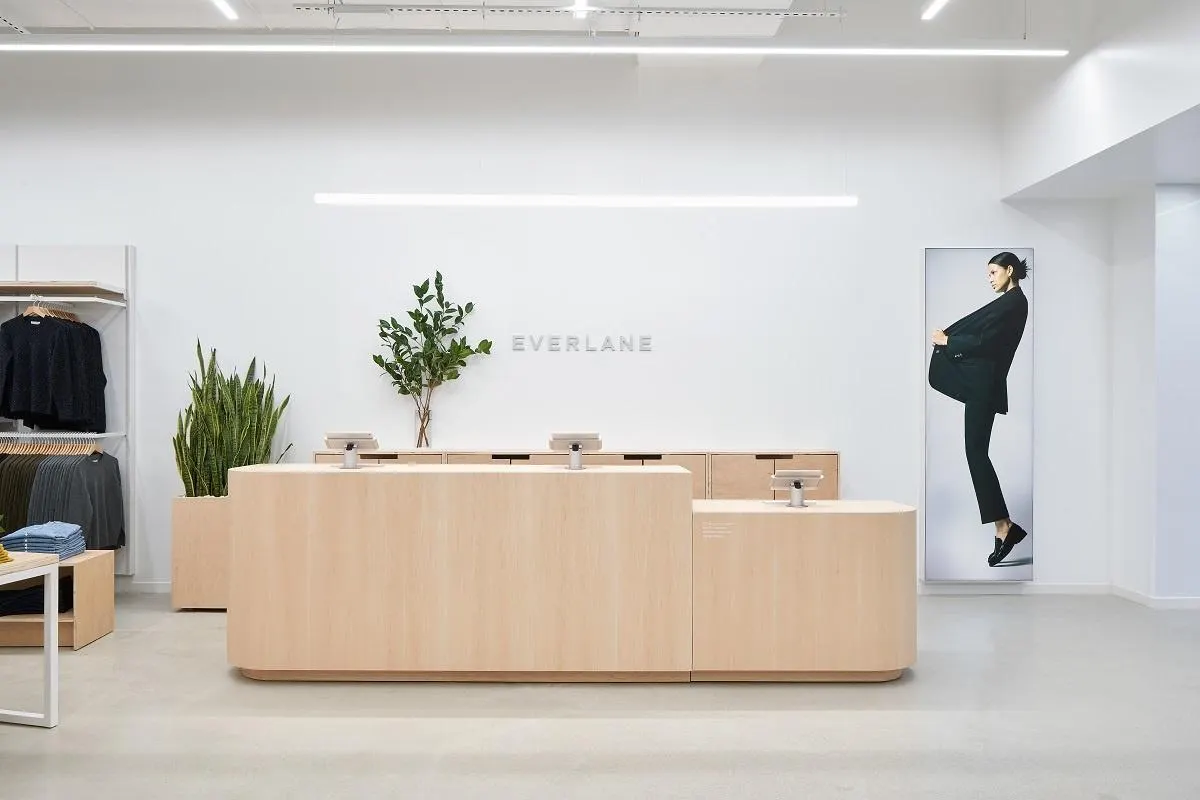
Everlane has become one of the most talked-about names in fashion over the past decade, but not for the reasons you might expect. Unlike traditional fashion brands that guard their pricing and supply chains like trade secrets, Everlane built its entire identity around showing customers exactly how much their clothes cost to make. This concept, which the brand calls 'Radical Transparency,' disrupted the fashion industry and attracted a loyal following of consumers who wanted to know where their money was going.
How Everlane's 'Radical Transparency' Pricing Actually Works
When you shop at Everlane, every product page includes a detailed cost breakdown. Instead of just seeing a final price, you see exactly what went into making that garment. For example, a typical Everlane t-shirt might show: $10.57 for materials, $1.41 for hardware, $9.00 for labor, $3.48 for duties, and $0.75 for transport — adding up to a true cost of around $25. Everlane then marks it up approximately 2x to reach their retail price, whereas the industry standard markup is typically 8x or more.
This transparency was revolutionary when the brand launched in 2011. Founder Michael Preysman, who co-founded the company with Jesse Farmer, saw a disconnect between what consumers paid for clothing and what it actually cost to produce. By revealing the markup, Everlane positioned itself as an ethical alternative to traditional retail. The brand operates entirely online, which cuts out middlemen and keeps prices fair while maintaining quality.
From Radical Transparency to Clean Luxury: The Brand Evolution
Everlane went through a significant transformation in the early 2020s. Under new CEO Andrea O'Donnell, the brand pivoted from its disruptor identity to embrace what it calls 'quiet luxury' and later 'clean luxury.' This shift reflected changing consumer tastes — shoppers were moving away from logo-heavy fashion toward minimalist, high-quality wardrobe staples that last.
The brand's product focus has always been on timeless basics: the Box-Cut Tee, high-rise skinny jeans, cashmere crewnecks, leather loafers, and tailored trousers. These items are designed to be worn season after season, year after year, which aligns with sustainability principles. The 'quiet luxury' rebrand emphasized refined silhouettes, neutral color palettes, and elevated fabrics — without the high price tags typically associated with luxury fashion.
According to Forbes, Everlane under new leadership 'continues to run counter to the trend-driven fashion industry' by focusing on thoughtful design and enduring style rather than chasing fast-moving trends.
Everlane's Sustainability Commitments and Progress
Everlane's sustainability efforts have been substantial and measurable. The brand's 2024 Impact Report showed that 90% of its fabrics now meet lower-impact standards, meaning they use less water, fewer chemicals, and produce less waste than conventional alternatives. The company has set a goal of eliminating virgin plastics from its products by 2025 and achieving net-zero carbon emissions by 2050.
Key sustainability achievements include:
- Preferred materials: 90% of fabrics now meet lower-impact standards, including organic cotton, recycled polyester, and TENCEL™ lyocell
- Carbon reduction: The brand has accelerated its carbon reduction efforts year over year
- Plastic elimination: A goal to eliminate virgin plastics in all products by 2025
- Industry recognition: Named Most Sustainable Brand of the Year by Marie Claire and Glossy
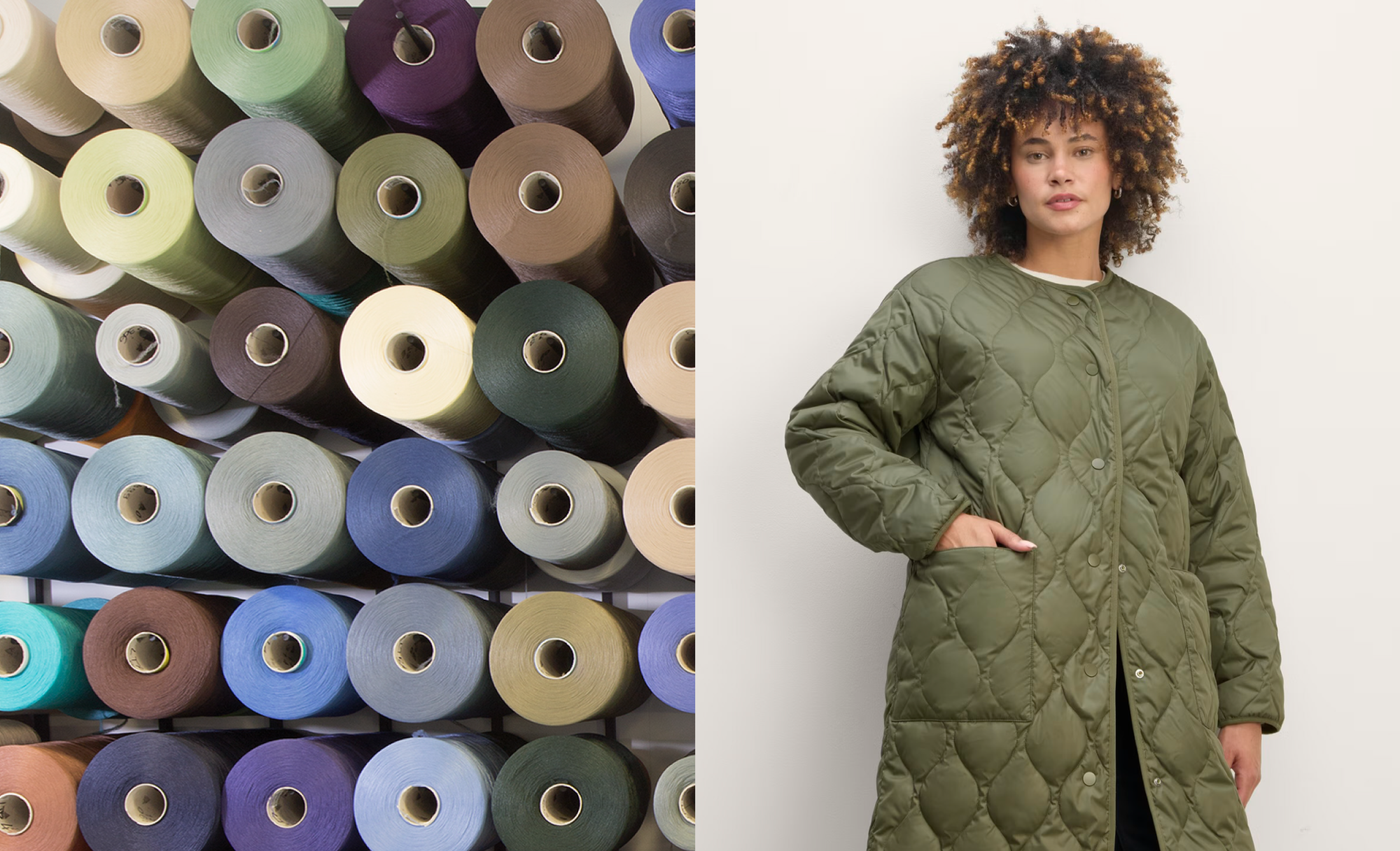
- Circular fashion: Launched programs for recycling and circular product design, including a recycled puffer jacket
How to Style Everlane's Wardrobe Basics
One of the reasons Everlane has maintained such a strong following is the versatility of its pieces. The brand's minimalist aesthetic makes it easy to mix and match items for a polished, put-together look. Here are some ways fashion editors recommend styling Everlane basics:
The Box-Cut Tee: This iconic shirt works tucked into high-waisted trousers for a clean office look or layered under a blazer or cardigan. For a casual weekend outfit, wear it untucked with jeans and sneakers.
Cashmere Crewneck: A neutral-colored cashmere sweater can be dressed up with a silk skirt or dressed down with denim. Layer it over a collared shirt for a preppy twist or wear it alone for clean sophistication.
Tailored Trousers: Everlane's trousers are designed to be the foundation of a capsule wardrobe. Pair them with a simple t-shirt and blazer for the office, or with a chunky sweater for a cozy but polished look.
Leather Loafers: These shoes work with everything from jeans to dresses. They add a touch of refinement without looking overly formal.
The key to styling Everlane is simplicity. Let the quality of the fabric and the clean lines speak for themselves. Accessorize minimally with simple jewelry and neutral bags.
The Shein Acquisition: What It Means for the Brand's Future
In 2025, news broke that Chinese fast-fashion giant Shein acquired Everlane from its majority owner L Catterton for approximately $100 million. The acquisition sent shockwaves through the fashion industry, given the irony of a brand built on ethical, sustainable principles being purchased by one of the world's largest fast-fashion companies.
Industry analysts have noted that Everlane had been on shaky financial ground for years, and L Catterton had been shopping the brand around since March 2025. The $100 million valuation was a fraction of what the brand was once worth at its peak. For Shein, the acquisition offers a foothold in the premium basics market and access to Everlane's loyal customer base. What this means for Everlane's sustainability commitments and 'radical transparency' model remains to be seen.
What's Next for Everlane and the Sustainable Fashion Movement
Everlane's journey from disruptor to acquisition reflects broader trends in the fashion industry. The brand proved that consumers care about transparency and ethics, paving the way for a wave of sustainable fashion startups that followed. However, the challenges of scaling a sustainable brand profitably are immense. Higher material costs, ethical labor practices, and lower markups make it difficult to compete with fast-fashion giants.
For consumers, the takeaway is clear: Everlane's legacy lies in changing what we expect from fashion brands. The concept of radical transparency has influenced countless other companies to share more about their supply chains and pricing. Whether the brand maintains its values under new ownership or pivots to a more traditional fast-fashion model will be one of the most closely watched stories in the fashion world.
Key Takeaways About Everlane
- Founded in 2011 by Michael Preysman and Jesse Farmer in San Francisco
- Pioneered 'Radical Transparency' — showing customers the true cost breakdown of every product
- Focuses on minimalist, timeless wardrobe basics designed to last
- Achieved 90% preferred, lower-impact fabric usage by 2024
- Shifted from disruptor to 'clean luxury' positioning under new leadership
- Acquired by Shein in 2025 for $100 million, raising questions about the brand's future direction