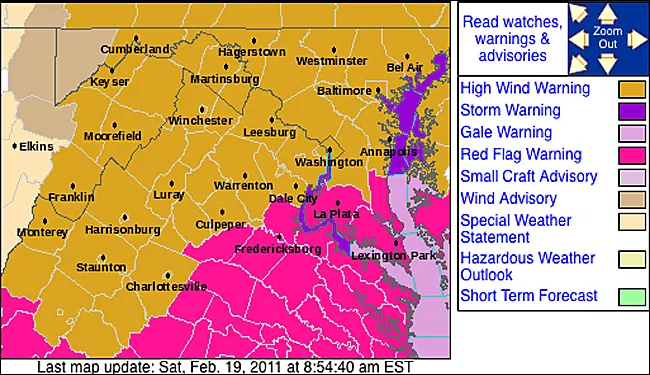
When the National Weather Service issues a wind advisory, it's signaling that strong winds are expected in your area—but what exactly does this mean for you, and how should you respond? Understanding weather alerts can mean the difference between staying safe and facing preventable dangers. A wind advisory is typically issued when sustained winds of 31 to 39 miles per hour are forecasted, creating conditions that can blow around unsecured objects, make driving hazardous, and potentially cause property damage. Unlike more severe warnings, a wind advisory represents a "Take Action" level alert where precautions should be taken immediately.
Breaking Down Wind Alerts: Advisory vs. Warning vs. Watch
The National Weather Service uses a tiered system for wind alerts, with each level indicating different severity and required actions. At the most serious end, a High Wind Warning means sustained, strong winds with even stronger gusts are happening or imminent—typically winds of 40 mph or greater, or gusts of 58 mph or higher. When this warning is issued, you should seek shelter immediately and avoid unnecessary travel.
A High Wind Watch is issued when conditions are favorable for high winds to develop, usually within 24 to 48 hours. This is a "Be Prepared" level alert where you should secure loose outdoor items and adjust plans to avoid being caught outside when winds pick up.
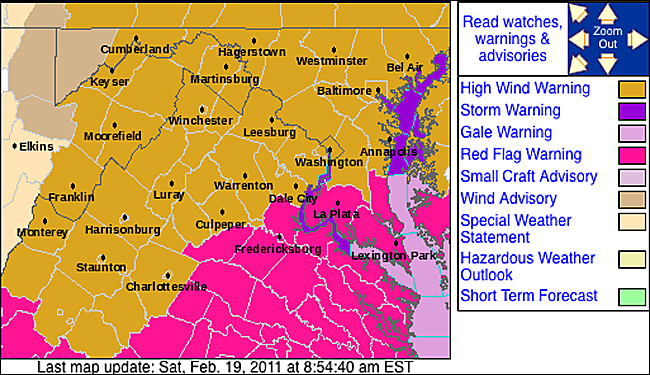
The Wind Advisory sits between these two levels. According to the National Weather Service, "Wind Advisory: Take Action! Strong winds are occurring but are not so strong as to warrant a High Wind Warning. Objects that are outdoors should be secured and caution should be taken if driving." This alert is typically issued for sustained winds of 31 to 39 mph, or wind gusts between 40 and 57 mph. While not as dangerous as high wind warnings, these conditions can still create hazardous situations that require immediate attention.
When and Why Wind Advisories Are Issued
Wind advisories are most commonly issued during specific weather patterns and seasons. They frequently accompany strong cold fronts, intense low-pressure systems, or when pressure gradients between high and low pressure systems create strong winds. Mountainous regions often experience wind advisories due to downslope winds, while coastal areas may see them with offshore flow patterns.
The criteria for issuing a wind advisory can vary slightly by region, as local National Weather Service offices consider terrain, typical wind patterns, and local impacts. For example, what might be considered advisory-level winds in a sheltered valley could be routine in a consistently windy coastal area. Most advisories remain in effect for several hours to a full day, giving residents time to take necessary precautions.
Recent examples highlight how wind advisories affect communities. In January 2025, the National Weather Service issued wind advisories across multiple states, including a specific advisory for Racine County, Wisconsin, warning of sustained winds up to 40 mph with higher gusts. These alerts prompted local officials to urge drivers to use extra caution and residents to secure outdoor items.
The Real Dangers of Advisory-Level Winds
While 31-39 mph winds might not sound extreme, they can create significant hazards. At these speeds, wind can make walking difficult, especially for children and older adults. Unsecured lawn furniture, trash cans, and gardening equipment can become dangerous projectiles. Tree limbs may break, particularly if trees are already weakened or saturated from recent rain.
Driving becomes noticeably more challenging in advisory-level winds. High-profile vehicles like trucks, vans, and SUVs are particularly vulnerable to being pushed around on the road. The Nevada Department of Transportation emphasizes that "high winds can affect the handling of your vehicle and sudden gusts can happen without warning." Crosswinds on bridges and exposed highways require extra concentration and both hands on the wheel.
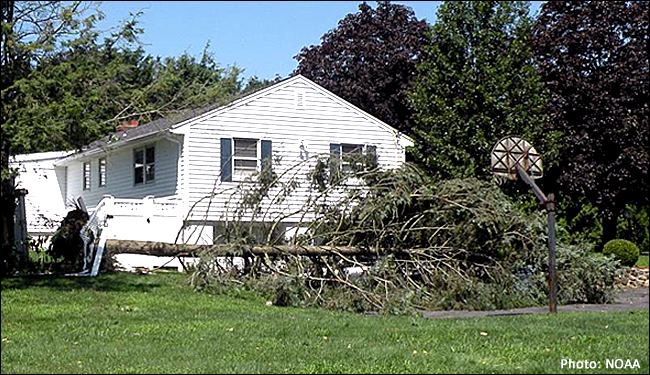
Power outages are another concern during wind advisories. While less common than during high wind warnings, falling branches can still take down power lines, especially in areas with overhead utilities. Outdoor recreational activities become hazardous, and construction sites may need to secure materials and equipment to prevent accidents.
Essential Safety Tips During Wind Advisories
When a wind advisory is issued for your area, taking proactive steps can prevent damage and injury. Start by securing or bringing indoors any loose outdoor items that could blow away or become projectiles. This includes patio furniture, garbage cans, garden decorations, children's toys, and potted plants. Close and secure shutters, and consider bringing in hanging plants or other items from balconies or porches.
If you must drive during a wind advisory, reduce your speed and maintain a firm grip on the steering wheel with both hands. Be especially cautious when driving high-profile vehicles, towing trailers, or when crossing bridges and overpasses. Allow extra following distance between vehicles, as sudden gusts can affect both your vehicle and others around you. Watch for debris on roadways, and be prepared for sudden changes in wind conditions.
The National Weather Service advises that "the safest place to be during high winds is indoors. Postpone outdoor activities if a wind advisory or high wind warning has been issued." If you're caught outside when winds pick up, seek shelter in a sturdy building. Avoid trees, power lines, and the sides of buildings where debris might fall. If no building is available, your vehicle can provide shelter—park away from trees and power lines, and keep windows closed.
Preparing Your Home for High Wind Events
Beyond immediate actions during an advisory, homeowners can take longer-term steps to wind-proof their property. Regularly inspect and maintain trees on your property, removing dead or weakened branches that could break during high winds. Ensure fences are properly secured, and consider installing permanent anchors for outdoor furniture in windy areas.
Check your roof regularly for loose shingles or tiles, and repair any damage promptly. Secure or reinforce garage doors, which are particularly vulnerable to wind damage. Consider installing storm shutters or impact-resistant windows in regions that frequently experience high winds. These preparations not only help during wind advisories but also provide protection during more severe weather events.
Create an emergency kit that includes flashlights, batteries, a battery-powered radio, and essential supplies in case of power outages. Keep important documents in a safe, waterproof location, and have a plan for where to take shelter in your home if winds become dangerous.
Understanding the Bigger Weather Picture
Wind advisories often don't occur in isolation—they're frequently part of larger weather systems. A wind advisory might precede or accompany other weather alerts, such as winter weather advisories, frost advisories, or red flag warnings for fire danger. Understanding how these different alerts interact can help you better prepare for changing conditions.
For instance, wind advisories combined with low humidity can create critical fire weather conditions, even if temperatures are moderate. In winter, wind advisories accompanying cold temperatures dramatically increase the wind chill effect, creating dangerously cold conditions even if the actual temperature doesn't seem extreme. Paying attention to all weather alerts in your area, not just the most severe ones, provides a more complete picture of what to expect.
When Winds Intensity: Recognizing Escalating Danger
While wind advisories indicate manageable conditions with proper precautions, it's important to recognize when winds are becoming more dangerous. If you notice sustained winds increasing beyond what was forecasted, or if gusts are becoming more frequent and powerful, be prepared to take additional protective measures. Listen to local weather updates through NOAA Weather Radio, trusted weather apps, or local news stations.
Signs that winds may be reaching warning levels include difficulty standing upright, numerous small branches breaking from trees, widespread loose debris blowing, or visible strain on structures. If winds escalate to the point where a High Wind Warning is issued, follow the more stringent safety guidelines: seek immediate shelter in an interior room away from windows, avoid all unnecessary travel, and stay indoors until the warning expires.
The Bottom Line: Staying Safe When the Wind Picks Up
Wind advisories serve as an important middle-ground alert in the National Weather Service's warning system—not as severe as high wind warnings, but serious enough to require action. By understanding what a wind advisory means, how it differs from other wind alerts, and what specific actions to take, you can protect yourself, your family, and your property during high wind events.
Remember these key points: Secure loose outdoor items when an advisory is issued, exercise extreme caution if driving, postpone outdoor activities, and monitor conditions in case they worsen. With proper preparation and response, you can weather wind advisories safely and minimize potential damage. Staying informed and taking alerts seriously ensures that you're ready when the next wind advisory blows into your forecast.