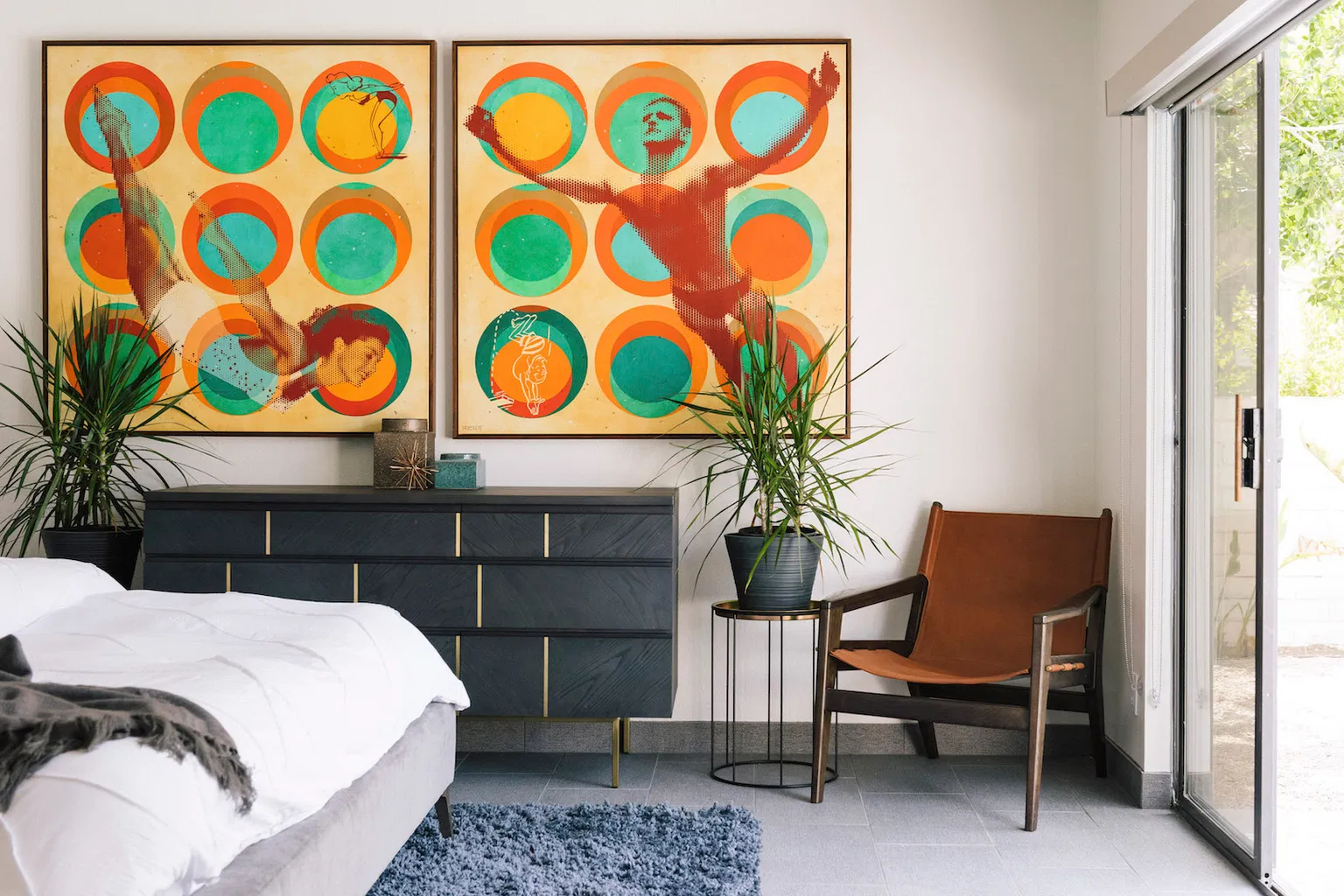
If you've scrolled through home decor inspiration on Pinterest or Instagram in the past decade, you've likely encountered the West Elm aesthetic. It's that effortlessly cool look that combines clean mid-century lines with warm materials, global accents, and just the right amount of greenery. But what exactly defines this design style, and how can you bring it into your own home without spending a fortune? West Elm launched in 2002 as Williams-Sonoma's contemporary brand, targeting younger, more urban customers than its sister company Pottery Barn. The brand drew heavily from mid-century modern revival and global artisan movements, creating a look that has become synonymous with a particular millennial aesthetic—Instagram-ready but livable, modern but warm, and global but accessible.
The Defining Characteristics of West Elm Style
At its core, the West Elm aesthetic represents urban contemporary design with mid-century soul. According to design experts at Decor8 AI, the style is defined by clean contemporary lines, warm wood tones, and a thoughtful mix of textures and materials. The look appeals to design-conscious city dwellers who want stylish, modern spaces with warmth and personality. Key characteristics include mid-century modern influences, global artisan accents, warm wood tones (particularly walnut and acacia), brass and gold metal finishes, geometric patterns, and an urban-friendly furniture scale designed for apartments and smaller homes. Unlike stark minimalism, West Elm style feels curated and personal—it's meant to be layered with meaningful objects, art, and plants that tell a story.
The West Elm Color Palette: Neutrals With Purpose
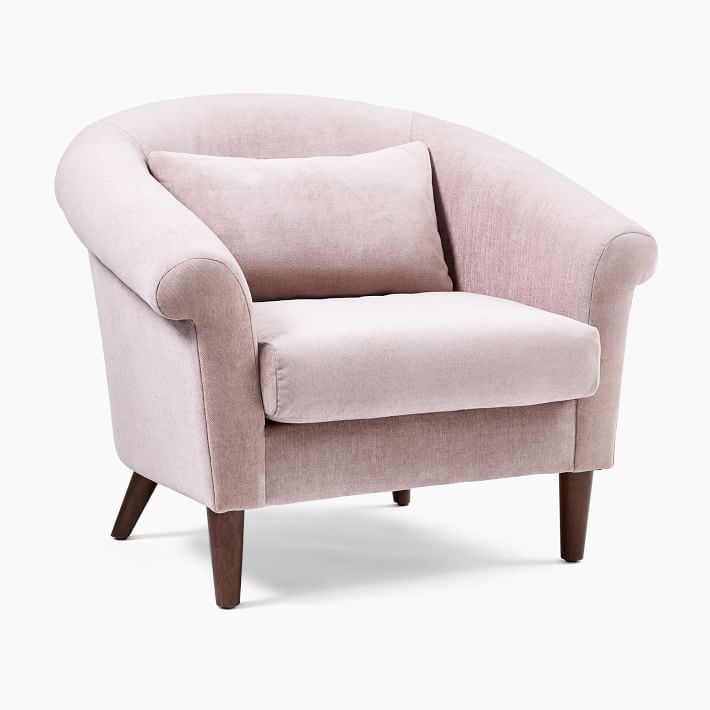
One of the most recognizable aspects of West Elm style is its carefully calibrated color palette. The foundation is built on white, warm gray, and walnut brown—creating a neutral base that feels anything but boring. Brass gold accents add warmth and a touch of luxury, while blush pink serves as a signature accent that softens the overall look. For those looking to introduce more color, dusty blue, terracotta, and forest green appear as sophisticated accent colors that complement the neutral base without overwhelming it. The palette deliberately avoids heavy traditional colors, overly bright hues, and dated tones. This restraint is what gives West Elm interiors their cohesive, calming quality. As the brand's own design philosophy suggests, the goal is to create a space that feels both curated and comfortable.
Materials and Textures: The Key to Visual Interest
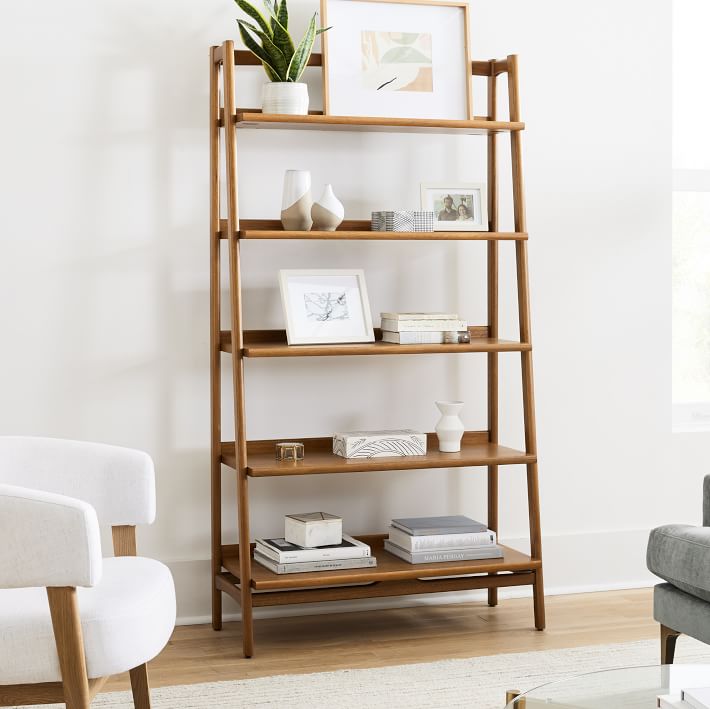
What prevents the neutral West Elm palette from feeling flat is the masterful use of varied materials and textures. Walnut wood appears everywhere—in furniture frames, tabletops, and accent pieces. This warm wood is paired with cool brass and gold metals, creating a balanced contrast that feels both timeless and contemporary. Marble and terrazzo bring a touch of luxury to surfaces, while leather and velvet add richness to seating pieces. Concrete introduces an industrial edge, softened by hand-woven textiles, rattan, and cane. The pattern language is equally deliberate, favoring geometric shapes, global-inspired prints, abstract motifs, and subtle mid-century patterns. Textures range from smooth walnut and plush velvet to woven textiles, hammered metal, and veined marble. This layering of textures is perhaps the single most important technique in achieving the West Elm look.
How to Choose Signature Furniture Pieces
West Elm's furniture collection is built around a few iconic silhouettes that define the style. Mid-century-style sofas with clean lines and tapered legs form the backbone of any living room. Hairpin leg tables, walnut media consoles, leather chairs, and upholstered platform beds are all signature pieces. According to designers at Spacejoy, the brand's mid-century modern collection features muted neutral tones, simple silhouettes, and perfectly distressed materials that upgrade any home. For small spaces, the brand excels at multifunctional furniture—like the Mid-Century Console with Mirror, which designer Maria Castillero recommends for its slim silhouette and dual storage and dressing functionality. The Elliot Stacking Dining Chairs are another smart choice, as they can be tucked away when not in use. Lighting plays an equally important role. Modern fixtures with warm tones—brass or gold pendants, sculptural floor lamps, and mid-century-inspired table lamps—are encouraged as statement pieces. Natural light is supplemented with warm artificial sources to create that signature West Elm glow.
Decor Elements That Complete the Look
The finishing touches in a West Elm-inspired space are carefully chosen to add personality without cluttering. Terracotta pottery, brass accessories, and geometric planters are staple decor items. Hand-woven baskets provide both storage and texture, while abstract art prints add visual interest on walls. Marble trays, modern candleholders, and an abundance of plants in modern pots bring life to surfaces. Plants are non-negotiable in this aesthetic—they add organic shape, color, and vitality that balance the clean lines of the furniture. The overall approach to decor is intentional but not precious. Every object should have a purpose or bring joy, but the space should still feel livable and relaxed.
Achieving West Elm Style on a Budget
One of the most common questions about West Elm style is how to achieve the look without the price tag. The good news is that the aesthetic is remarkably replicable on a budget. According to design experts, Target's Project 62 line offers a very similar aesthetic at significantly lower prices. IKEA's darker wood collections can substitute for walnut pieces, and thrift stores are excellent sources for mid-century-inspired furniture. The key is to focus on the walnut-brass-white color palette and clean silhouettes rather than specific brand names. Plants in simple pots add the West Elm feel affordably. One or two authentic West Elm pieces, purchased during sales or from the clearance section, can anchor budget-friendly finds from other stores. The brand's outlets and seasonal sales are worth watching for larger investments like sofas and dining tables.
How to Make West Elm Style Feel Personal, Not Cookie-Cutter
A common criticism of popular design aesthetics is that they can feel generic or "everyone has this." The key to avoiding this pitfall is personalization. Mix West Elm pieces with vintage and thrifted finds that have their own stories. Incorporate handmade or artisan items with unique character—a ceramic vase from a local potter, a woven textile from your travels, or an inherited piece of furniture that holds sentimental value. Use West Elm for the basics and building blocks—sofas, bed frames, dining tables—while sourcing statement pieces from antique shops, estate sales, or artisan markets. Personalize with art, books, and collections that are uniquely yours. The goal is a space that feels curated, not catalog-ordered. As designers note, the best West Elm-inspired interiors are those where you can't tell which pieces came from the brand and which came from a flea market.
Where Things Stand: The Evolution of West Elm Style
In 2025 and beyond, the West Elm aesthetic continues to evolve. The brand's Spring Summer 2025 collection emphasizes personal expression through modern design, with a focus on sustainably crafted pieces. The look remains relevant because it bridges the gap between trendy and timeless. However, design experts note that the style is best suited for urban apartments and smaller homes—in larger spaces, West Elm pieces can feel too small or spare, requiring supplementation with larger-scale furniture or grouping pieces together. Understanding these nuances is key to successfully implementing the aesthetic in your own space.
Key Takeaways for Creating Your West Elm-Inspired Home
- Start with a neutral foundation of white, warm gray, and walnut brown, then layer in brass, blush, and accent colors like dusty blue or terracotta
- Invest in quality statement pieces like a mid-century sofa or walnut media console, and supplement with budget-friendly finds from Target's Project 62 or IKEA
- Layer textures through velvet, leather, rattan, concrete, and woven textiles to add depth to the neutral palette
- Add plenty of plants in modern pots to bring life and organic shape to clean-lined spaces
- Personalize with vintage finds, handmade items, and meaningful objects to avoid a generic look
- Use sculptural lighting with brass or gold finishes as both functional and decorative elements