When severe weather threatens, understanding the difference between a tornado watch and a tornado warning can be a matter of life and death. With over 1,200 tornadoes touching down in the United States each year, these alerts provide critical information that helps millions of people prepare for and respond to dangerous storms. The recent December 2024 severe weather outbreak that swept across the South—where a rare "Particularly Dangerous Situation" tornado watch was issued alongside dozens of tornado warnings—highlighted exactly why every household needs to know how the system works.
Tornado Watch vs Warning: Decoding the Critical Differences
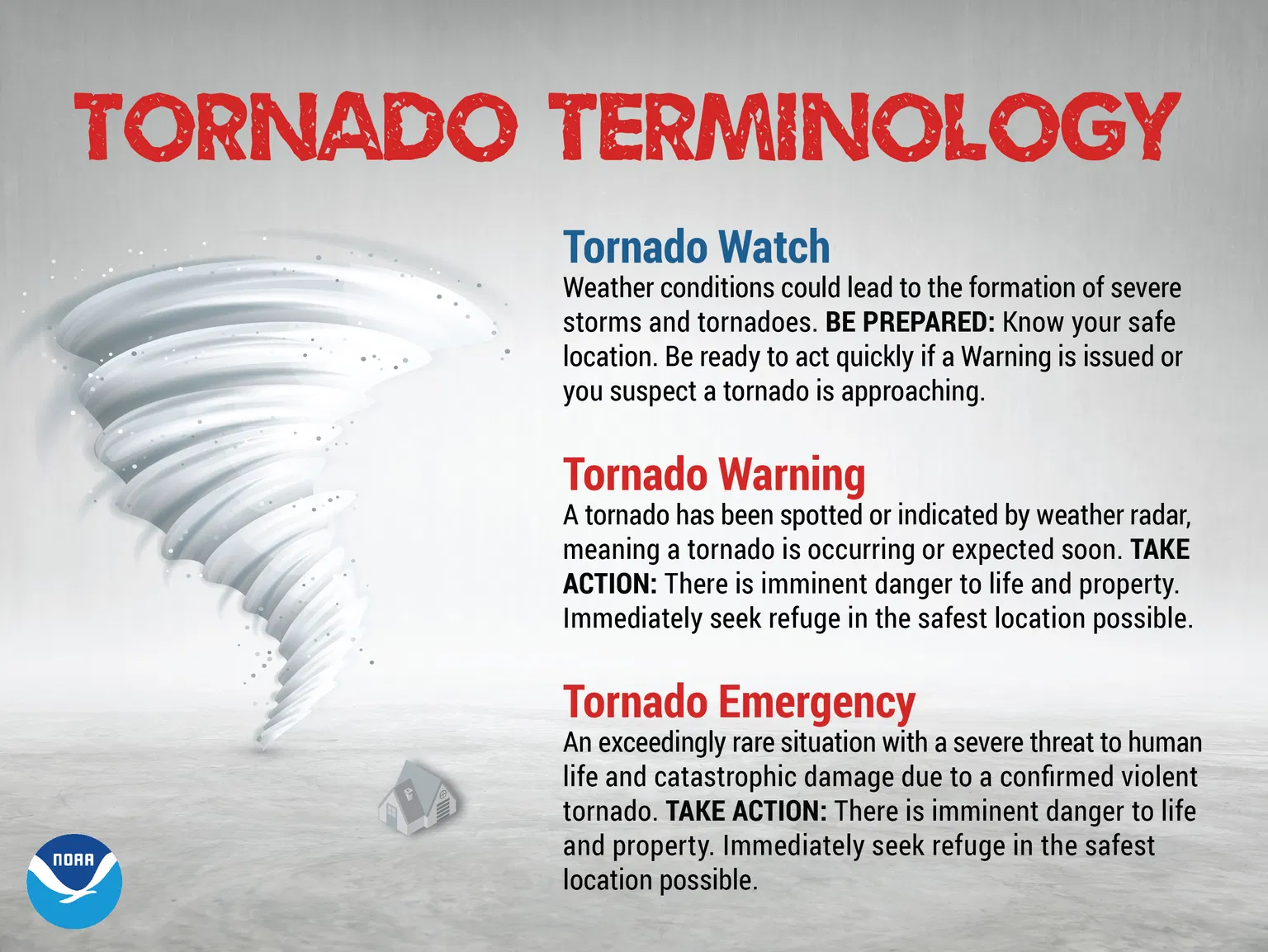
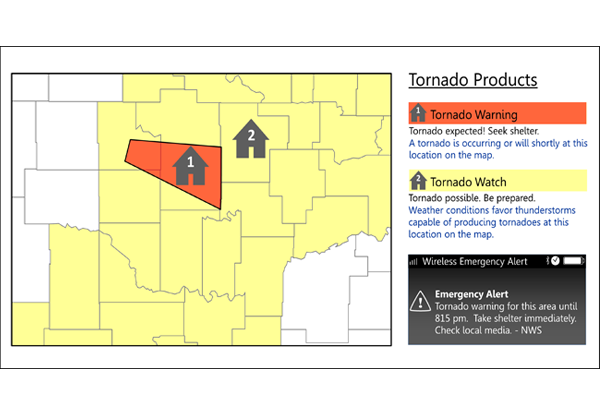
At its core, a tornado watch means conditions are favorable for tornadoes to develop, while a tornado warning means a tornado has been spotted or indicated by weather radar and immediate action is required. The National Weather Service (NWS) defines a tornado watch as an alert that tornadoes are possible in and near the watch area. It covers a large region, often multiple counties or even several states, and is issued by the NOAA Storm Prediction Center. During a watch, you should review your emergency plans, check your supplies, and be ready to act quickly if a warning is issued.
In contrast, a tornado warning is issued by your local NWS forecast office when a tornado has been sighted or indicated by radar. This alert means there is imminent danger to life and property, and it typically covers a much smaller area, such as a city or a small county. When a warning is issued, you should immediately move to an interior room on the lowest floor of a sturdy building, away from windows. If you are in a mobile home, vehicle, or outdoors, seek the closest substantial shelter.
The NWS also issues a tornado emergency, its highest alert level, when a violent tornado has touched down and catastrophic damage is confirmed. This rare alert demands immediate shelter and is reserved for the most life-threatening situations.
How Tornado Alerts Are Issued: From Forecast to Action
Tornado watches and warnings are produced by two different branches of the National Weather Service. The Storm Prediction Center (SPC) monitors weather conditions 24/7 across the entire United States. When meteorologists there identify atmospheric ingredients that could support tornado development—such as strong wind shear, instability, and moisture—they issue a tornado watch for the affected regions. This gives the public advance notice that severe weather is possible.
Once a watch is in effect, local NWS forecast offices take over. Using Doppler radar, satellite data, and reports from trained storm spotters, they monitor individual thunderstorms for signs of rotation. If radar indicates a tornado vortex signature or a spotter confirms a funnel cloud or tornado, the local office issues a tornado warning for the specific path of the storm. This two‑tiered system allows for broad preparedness followed by targeted, life‑saving action.
Why the Distinction Matters: Real‑World Consequences
Confusing a watch with a warning can lead to dangerous delays in seeking shelter. During a watch, you have time to prepare; during a warning, you must act immediately. The NOAA National Severe Storms Laboratory emphasizes that "a tornado warning indicates that you should ACT NOW to find safe shelter."
Meteorologists stress that the difference is not just semantic. "A watch means the ingredients are there for a tornado to develop," explains the NWS. "A warning means a tornado is happening or about to happen." This clarity is especially important for vulnerable populations, such as those in mobile homes or vehicles, who may need extra time to reach a sturdy shelter.
The system also helps emergency managers and broadcasters prioritize messages. When a warning is issued, television and radio stations interrupt programming, wireless emergency alerts are sent to cell phones, and outdoor sirens may sound—all designed to grab your attention and prompt immediate action.
Recent Outbreak Shows System in Action: December 2024 Severe Weather
The importance of understanding tornado alerts was starkly illustrated during the deadly severe weather outbreak that struck the South in late December 2024. Fox Weather reported that a rare "Particularly Dangerous Situation" (PDS) tornado watch was issued, indicating an elevated threat of strong to violent tornadoes. Dozens of tornado warnings followed as multiple twisters touched down across Texas, Louisiana, Mississippi, and other states.
This event demonstrated how watches and warnings work together. The PDS watch gave residents several hours’ notice that conditions were ripe for tornadoes. Then, as storms developed, local NWS offices issued precise warnings for communities in the direct path, allowing people to take shelter minutes before a tornado struck. The outbreak tragically caused fatalities and significant damage, but the alert system undoubtedly saved many lives by providing clear, timely information.
What to Do When a Tornado Alert Sounds
Knowing the difference between a watch and a warning is only the first step; knowing how to respond is what keeps you safe. The National Weather Service provides these clear guidelines:
- During a tornado watch: Stay weather‑ready by monitoring local news or a NOAA Weather Radio. Review your emergency plan, identify your safe room, and ensure your emergency kit is stocked and accessible.
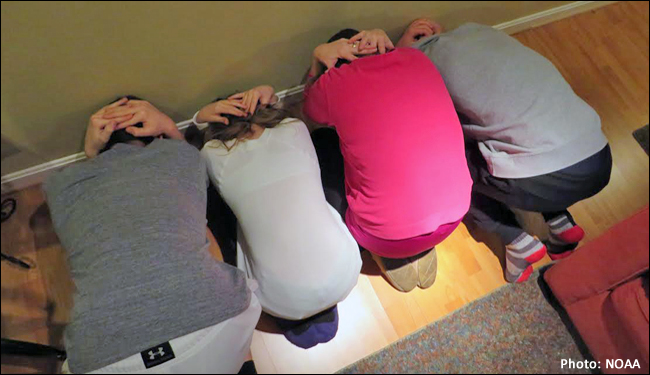
- During a tornado warning: Move immediately to your predetermined shelter—an interior room on the lowest floor, away from windows. If you are in a mobile home or vehicle, leave it and get to a sturdy building. Do not try to outrun a tornado in your car.
- During a tornado emergency: Seek shelter in the safest location possible, such as a basement or storm shelter. Protect yourself from flying debris with blankets, helmets, or heavy clothing, and stay put until the threat has passed.
Remember that tornadoes can occur at any time of year, though peak seasons vary by region. In the southern Plains, tornado season peaks in May and June, while the Gulf Coast sees most tornadoes in early spring. Regardless of the calendar, staying alert and understanding the alerts can make all the difference.
The Future of Tornado Warnings: Technology and Timeliness
Advancements in meteorology are continually improving tornado warning systems. The National Weather Service is implementing Warn‑on‑Forecast technology, which uses high‑resolution computer models to predict tornado formation before a storm even develops rotation. This could extend warning lead times from minutes to potentially an hour or more.
Meanwhile, dual‑polarization radar and phased‑array radar provide more detailed views of storm structure, helping forecasters distinguish between harmless rain and dangerous circulations. Social science research is also helping the NWS craft clearer, more actionable messages that the public can understand and act upon quickly.
As these tools evolve, the fundamental principle remains: a tornado watch means be prepared, and a tornado warning means take action. By knowing the difference and responding appropriately, you can protect yourself and your loved ones when severe weather strikes.
Key Takeaways: Remembering What Matters Most
- Watch = Be Prepared. Conditions are favorable for tornadoes over a large area. Review plans and stay informed.
- Warning = Take Action. A tornado has been spotted or indicated by radar. Seek shelter immediately in an interior room on the lowest floor.
- Emergency = Highest Threat. A violent, confirmed tornado is on the ground. Shelter now and protect yourself from debris.
- Monitor trusted sources like NOAA Weather Radio, local news, or wireless emergency alerts for the latest information.
- Practice your tornado drill regularly so everyone in your household knows exactly what to do when seconds count.
With tornadoes being a persistent threat across much of the United States, understanding the alert system is not just helpful—it’s essential. By learning the difference between a tornado watch and a tornado warning, you equip yourself with the knowledge to make smart, timely decisions that can save lives.