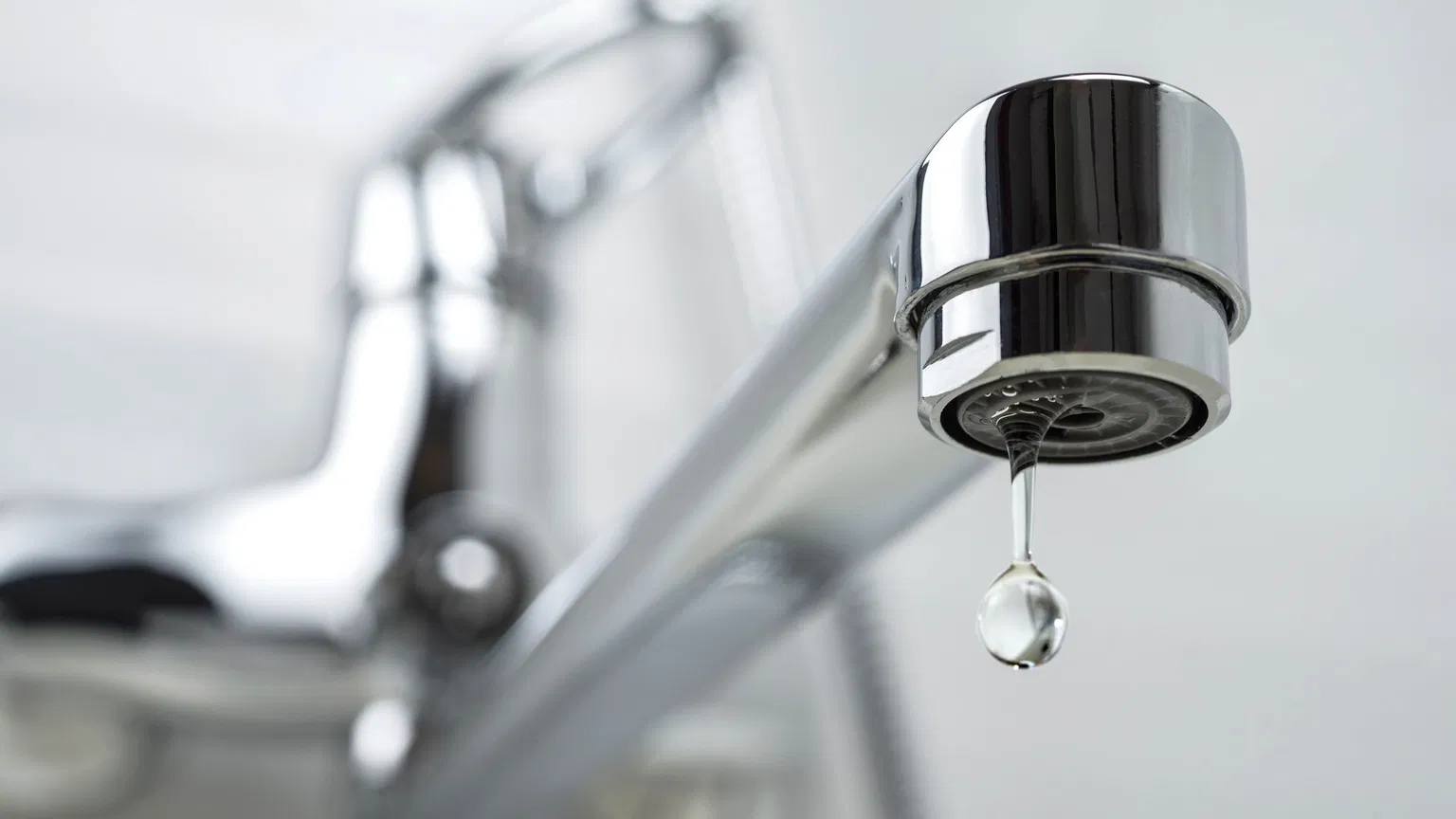
When winter temperatures plummet, homeowners face a silent but costly threat: frozen pipes that can burst and cause thousands of dollars in water damage. The simple act of dripping faucets has become one of the most effective preventive measures, but doing it correctly requires understanding the science, timing, and technique behind this cold-weather ritual. With experts agreeing that the magic temperature threshold is 20°F (-6°C), knowing when and how to drip your faucets can mean the difference between a minor inconvenience and a major home disaster.
How Dripping Faucets Prevents Frozen Pipes: The Science Behind the Trickle
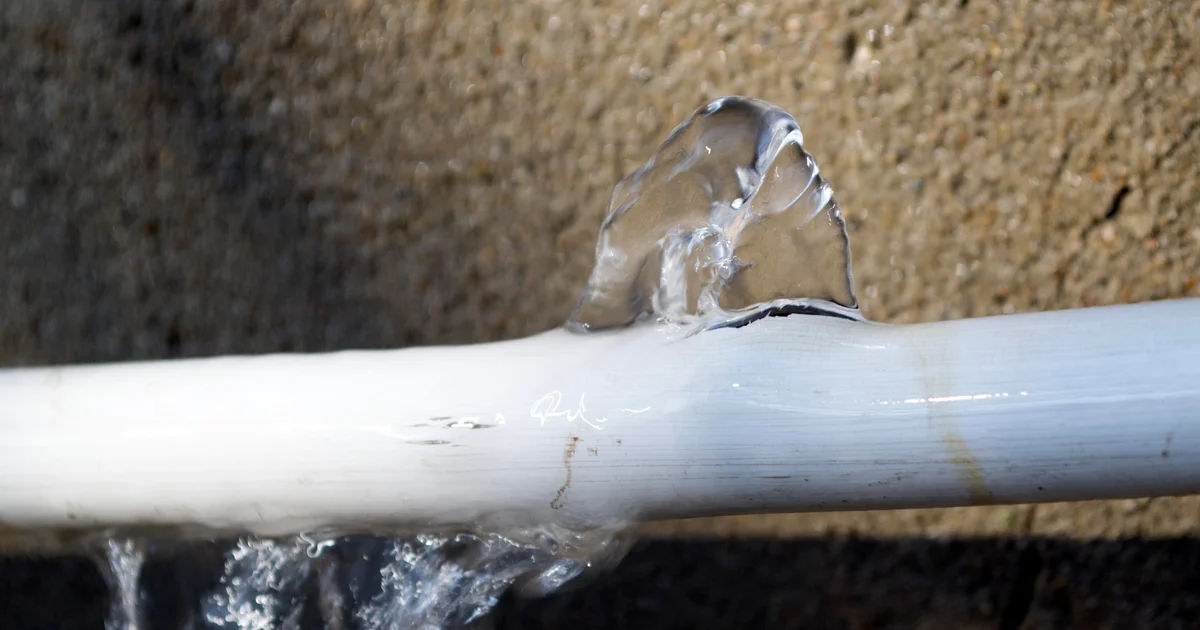
The effectiveness of dripping faucets isn't just an old wives' tale—it's rooted in fundamental physics. When water freezes, it expands by approximately 9%, creating tremendous pressure inside your pipes. If both ends of a pipe are sealed (with no dripping faucet to release pressure), this expanding ice has nowhere to go, causing the pipe to rupture. "Dripping serves two critical purposes: it keeps water moving through pipes, which makes it harder for ice to form, and it relieves pressure that builds up when water freezes," explains Tom's Guide. That pressure buildup is what actually causes pipes to burst, not the ice formation itself.
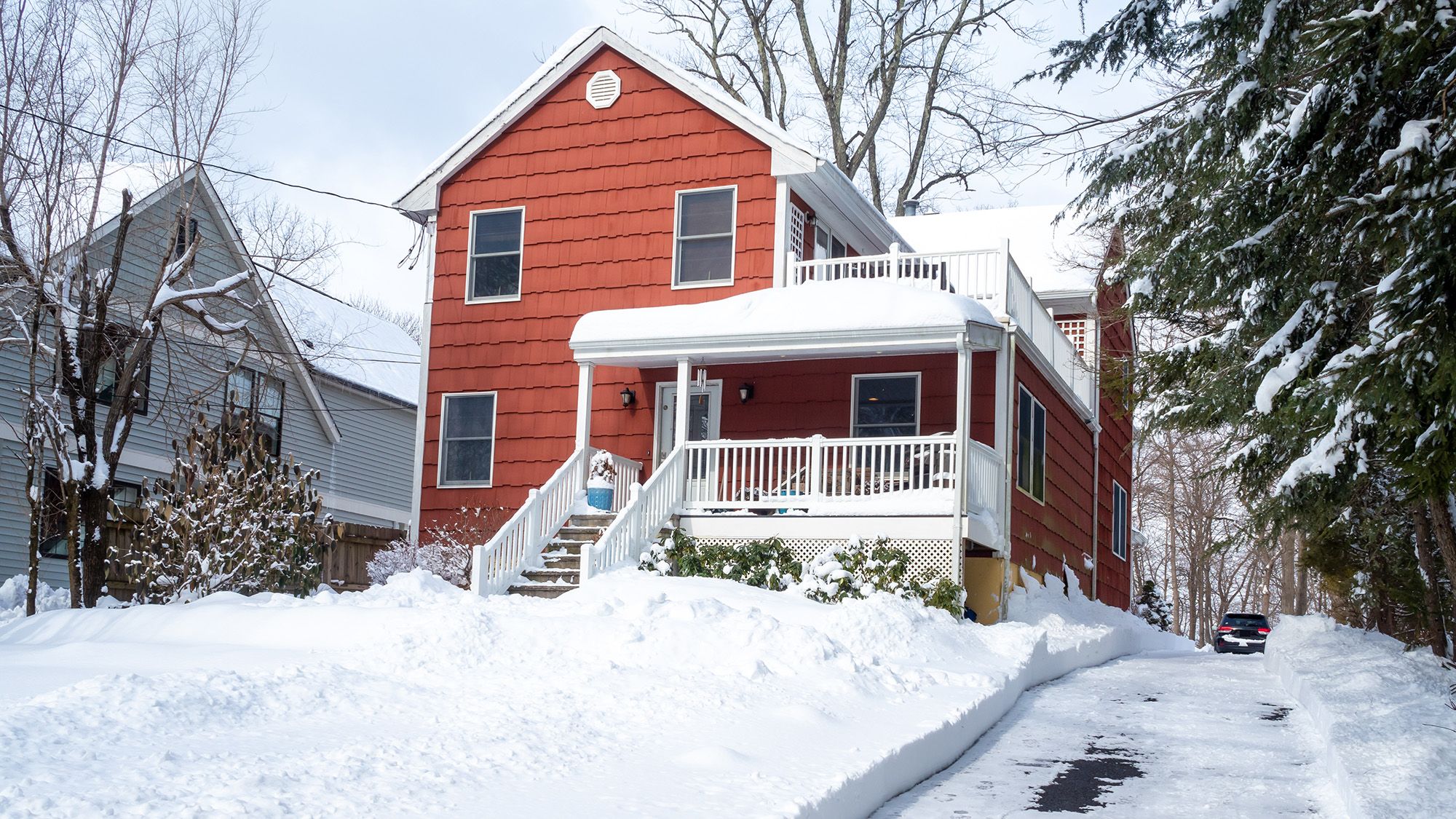
A constant drip, even at a trickle, keeps water moving through the pipes. The key here is movement—frozen water doesn't move, and it's the still water in pipes that's most vulnerable to freezing. Moving water has a lower freezing point than stationary water, and the constant flow brings slightly warmer water from deeper underground pipes into your home's plumbing system. This simple action can make the critical difference between pipes that survive a cold snap and those that don't.
Timeline: When to Start and Stop Dripping Your Faucets
The timing of your faucet dripping strategy is crucial for both effectiveness and water conservation. According to multiple plumbing experts and home improvement sources, you should begin dripping faucets when temperatures are expected to drop to 20°F (-6°C) or below for at least three hours, particularly overnight when temperatures are coldest. "The magic number to remember is 20 degrees Fahrenheit," states Tom's Guide. "When the forecast shows temperatures dropping to 20°F or below for several hours, especially overnight, it's time to drip your faucets."
Legacy Plumbing confirms this standard suggestion, noting that 20°F is the widely accepted threshold across the plumbing industry. Southern Living adds that professionals list this as the temperature where pipes become vulnerable to freezing. The duration matters too—if temperatures will remain below 20°F for several days in a row or below 20°F for several hours, continuous dripping is recommended. You can stop dripping faucets when temperatures consistently rise above 20°F during both day and night, typically when the deep freeze warning has passed and daytime temperatures reach at least 25°F.
The Pencil-Thin Rule and Other Expert Techniques
One of the most specific recommendations from plumbing experts is the "pencil-thin rule." This guideline suggests leaving your taps running at a steady pace, but keeping the stream as thin as a pencil lead. "So, homeowners follow the 'pencil-thin' rule which means leaving your taps running at a steady pace, but keeping the stream as thin as a pencil," explains Tom's Guide. This provides enough water movement to prevent freezing without wasting excessive water.
But which faucets should you drip? Experts recommend focusing on faucets served by pipes that run through unheated areas—those along exterior walls, in crawl spaces, attics, or basements. Particularly important are faucets farthest from your main water supply line, as dripping these ensures water moves through more of your home's plumbing system. If possible, drip both hot and cold water lines, as both can freeze. The Consumer Reports recommendation emphasizes letting "the cold water drip from a faucet served by exposed pipes," noting that "running water through the pipe—even at a trickle—helps prevent pipes from freezing."
Beyond Dripping: Comprehensive Frozen Pipe Prevention
While dripping faucets is a crucial first line of defense, experts recommend a multi-layered approach to pipe protection during cold weather. The CBS Detroit report outlines several complementary strategies: "Open cabinet doors under sinks, to allow warmer air to circulate near the pipes. Keep the home heating thermostat set to at least 55 degrees. Know where the water main shutoff valve is located in the house, and how to turn the water off should a pipe burst."
AAA – The Auto Club Group explains the physics behind pipe bursts: "When water freezes, the ice expands. The resulting higher pressure can rupture pipes behind walls, under sinks, or in attics and crawl spaces." Their spokesperson Adrienne Woodland emphasizes, "Homeowners face the risk of frozen pipes that can burst and cause thousands of dollars in damage. Preparation is the best defense." Additional measures include insulating exposed pipes with foam pipe insulation or heating tape, sealing gaps and cracks where cold air can enter, disconnecting outdoor hoses, and draining irrigation systems before freezing weather arrives.
Current Expert Recommendations and Common Mistakes
Today's plumbing professionals have refined their advice based on years of field experience. The consensus includes several key points: Start dripping before temperatures actually hit 20°F—begin when they're forecast to reach that threshold overnight. Don't just drip one faucet—drip multiple faucets on different sides of the house, especially in vulnerable areas. Use both hot and cold water lines, as some homeowners mistakenly believe only cold water pipes freeze. Keep cabinet doors open to allow warm air circulation, particularly for sinks on exterior walls.
Common mistakes include dripping too little (a barely perceptible drip may not provide enough pressure relief), dripping only during the day (overnight freezing is the biggest risk), and stopping too soon (continue until temperatures consistently stay above freezing). Another frequent error is failing to identify the correct faucets—focus on those farthest from the main water line and in unheated areas. Remember that dripping faucets is a preventive measure; if pipes are already frozen, different protocols apply.
What to Do If Your Pipes Freeze Despite Precautions
Even with proper dripping, extreme conditions can still lead to frozen pipes. If you suspect a pipe is frozen (reduced or no water flow from a faucet), immediate action is crucial. First, keep the faucet open to allow water to flow once the ice melts. Apply heat slowly using a hair dryer, heating pad, or warm towels—never use an open flame or high-heat device that could damage pipes or create a fire hazard. Start heating near the faucet and work backward toward the frozen section. If you cannot locate or thaw the frozen area, or if a pipe has burst, immediately shut off the main water valve and call a licensed plumber.
For long-term prevention, consider installing pipe insulation sleeves, heat tape, or heat cable on vulnerable pipes. The Red Cross recommends "installing specific products made to insulate water pipes like a 'pipe sleeve' or installing UL-listed 'heat tape,' 'heat cable,' or similar materials." During home renovations or new construction, consider relocating vulnerable pipes to interior walls or adding additional insulation in problem areas.
Key Takeaways for Winter Pipe Protection
• Start dripping faucets when temperatures are forecast to reach 20°F (-6°C) or below for several hours
• Use the "pencil-thin rule"—maintain a stream about the thickness of a pencil lead
• Focus on faucets farthest from your main water supply and in unheated areas
• Drip both hot and cold water lines for comprehensive protection
• Open cabinet doors under sinks to allow warm air circulation
• Maintain home temperature at 55°F or higher, even when away
• Know your main water shutoff valve location in case of emergency
• Combine dripping with pipe insulation and other preventive measures for best results
By understanding the science behind dripping faucets and implementing these expert techniques, homeowners can significantly reduce their risk of frozen and burst pipes during winter's coldest months. This simple, water-conscious approach to pipe protection has proven effective across countless homes, potentially saving thousands in repair costs while ensuring uninterrupted water flow throughout the winter season.